女式衬裙
CN → US| HS编码 | 关税税率 | 原产国 | 目的国 | 文档 |
|---|---|---|---|---|
| 5208114040 | 44.0% | CN | US | 官方文档 |
| 6208192000 | 28.7% | CN | US | 官方文档 |
| 5208114020 | 44.0% | CN | US | 官方文档 |
| 6108910030 | 26.0% | CN | US | 官方文档 |
| 6108910025 | 26.0% | CN | US | 官方文档 |
商品图片

AI分析
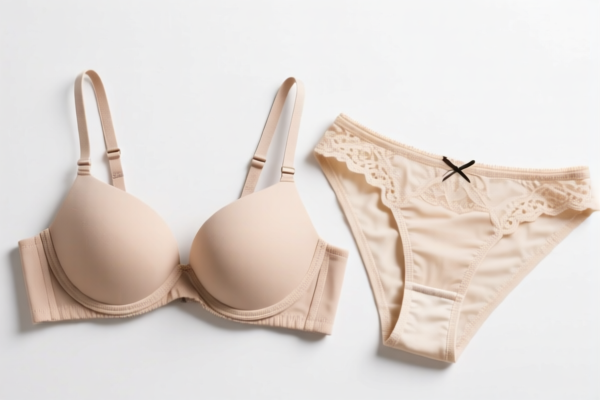
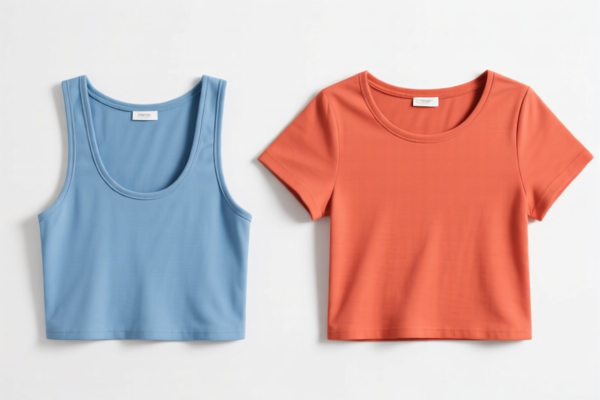
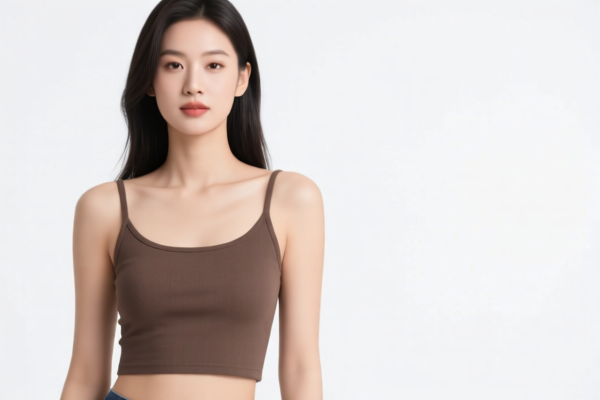
👗 Ladies' Cotton Slips (Women's Undergarments)
🌐 HS Code Reference & Clearance Guide | 2026 Latest Tariff Analysis | Professional Customs Strategy
📌 I. Product Definition & Classification: Do You Really Understand "Women's Slips"?
Women's cotton slips are essential undergarments designed for smooth layering, modesty, and comfort beneath outer clothing. In international trade, they are categorized based on weaving method (knitted vs. woven) and product composition, which significantly impacts their HS Code and applicable tax rates.
Key Distinctions in Classification: 1. Woven Cotton Slips: Made from cotton fabric constructed on a loom (e.g., "cotton woven fabric finished product"). These often fall under Chapter 52. 2. Knitted Cotton Slips: Made from cotton yarn knitted into fabric (e.g., "knitted cotton underwear"). These fall under Chapter 61. 3. End-Use Specifics: Whether labeled as "underwear," "other women's clothing," or "finished textile products" can trigger different sub-classifications.
⚠️ Critical Classification Point:
- If the slip is woven → Likely 5208.11.40.x (High tariff impact due to 301/122 clauses).
- If the slip is knitted → Likely 6108.91.00.x or 6208.19.20.x (Variable rates based on specific sub-category).
- Misclassification Risk: Confusing "woven" vs. "knitted" or "underwear" vs. "other clothing" can lead to a 20%–25% tax difference.
📦 II. HS Code Classification Details (2026 Latest Tariff Authority)
Based on the specific input data, here are the exact classifications for Ladies' Cotton Slips:
| HS Code | Product Description (Summary) | Fabric/Method | Total Tax Rate |
|---|---|---|---|
| 5208.11.40.40 | Women's Cotton Slip, Cotton Woven Fabric Finished Product | Woven (Cotton) | 44.0% |
| 5208.11.40.20 | Women's Cotton Slip, Cotton Textile Finished Product | Woven (Cotton) | 44.0% |
| 6208.19.20.00 | Women's Cotton Slip, Other Women's Garments of Cotton | Woven (Other) | 28.7% |
| 6108.91.00.30 | Women's Cotton Slip, Knitted Cotton Underwear | Knitted (Cotton) | 26.0% |
| 6108.91.00.25 | Cotton Slip, Knitted Cotton Underwear | Knitted (Cotton) | 26.0% |
🔍 Key Insight:
- Woven (Chapter 52): Carries the highest penalty tax (44.0% total) due to strict "finished textile product" definitions.
- Knitted (Chapter 61): Offers the most favorable rate (26.0%), provided it is correctly classified as "Underwear."
- Other Woven (Chapter 62): Falls in the middle (28.7%) if classified as general women's wear rather than specific finished textiles.
💰 III. 2026 Latest Tariff Rate Breakdown (Including Surcharges & Policy Add-ons)
✅ Applicable Market: United States (US)
✅ Country of Origin: China (CN)
✅ Effective Date: Current Trade Restrictions (Section 301 & 122)
🎯 1. 5208.11.40.40 / 5208.11.40.20 —— Woven Cotton Slips (High Risk)
| Item | Content |
|---|---|
| Base Tariff | 9.0% |
| Additional Duty (Section 301/308) | +25.0% (Aggressive anti-dumping/Section 301 measure) |
| 122 Clause Duty | +10.0% (Specific punitive tariff for textile/finished goods) |
| Total Tax Rate | 44.0% |
| Tax Calculation | CIF Value × 44.0% |
| De Minimis Exemption | ❌ Not Applicable |
| Legal Basis | HTSUS 5208.11.40.40/20 + 301 Duty List + Section 122 |
📌 Explanation:
- The 25% Additional Duty is a standard Section 301 surcharge for Chinese textiles.
- The 10% "122 Clause" is a specific punitive tariff targeting certain finished textile categories, drastically increasing costs.
- Result: A $100 slip incurs $44 in taxes. This is a high-cost category.
🎯 2. 6208.19.20.00 —— Other Woven Women's Slips (Medium Risk)
| Item | Content |
|---|---|
| Base Tariff | 11.2% |
| Additional Duty | +7.5% |
| 122 Clause Duty | +10.0% |
| Total Tax Rate | 28.7% |
| Tax Calculation | CIF Value × 28.7% |
| De Minimis Exemption | ❌ Not Applicable |
| Legal Basis | HTSUS 6208.19.20.00 + Section 301 + Section 122 |
📌 Explanation:
- This category treats the slip as "Other Women's Garments" rather than "Finished Textile Products," slightly reducing the base tariff and the Section 301 surcharge.
- However, the 122 Clause 10% still applies, keeping the total tax high.
🎯 3. 6108.91.00.30 / 6108.91.00.25 —— Knitted Cotton Underwear (Lowest Risk)
| Item | Content |
|---|---|
| Base Tariff | 8.5% |
| Additional Duty | +7.5% |
| 122 Clause Duty | +10.0% |
| Total Tax Rate | 26.0% |
| Tax Calculation | CIF Value × 26.0% |
| De Minimis Exemption | ❌ Not Applicable |
| Legal Basis | HTSUS 6108.91.00 + Section 301 + Section 122 |
📌 Explanation:
- Knitted garments generally have a lower base tariff (8.5% vs. 9.0% or 11.2%).
- Classified as "Underwear" often avoids the "Textile Finished Product" penalty, leading to the lowest total tax (26.0%).
- Recommendation: Prioritize Knitted Classification if the product allows.
🛠️ IV. Customs Clearance Practical Advice (Risk Avoidance Guide)
✅ 1. Essential Documentation Checklist (Non-Negotiable)
| Document | Requirement | Why It Matters |
|---|---|---|
| ✅ Product Specification Sheet | ✔️ | Must explicitly state Fabric Composition (100% Cotton) and Construction (Knitted vs. Woven). |
| ✅ Technical Drawing/Photo | ✔️ | Must show the Undergarment nature (straps, hem, lace) to prove it's "Underwear" (Ch 61) vs. "Outerwear" (Ch 62). |
| ✅ Label/Tag Photos | ✔️ | Must clearly say "Made in China" and "100% Cotton." |
| ✅ Commercial Invoice | ✔️ | Description must match HS Code: "Women's Knitted Cotton Slip, Underwear" (Avoid generic "Skirt" or "Dress"). |
| ✅ Origin Certificate | ✔️ | Critical for determining Section 301 applicability. |
✅ 2. Declaration Strategy (Golden Rules)
🔥 "Knit Underwear Wins, Woven Finished Loses!"
| Scenario | Correct Declaration | Wrong Declaration | Consequence |
|---|---|---|---|
| Knitted Slip | 6108.91.00.x (Underwear) | 6208.19.20.00 (Other Clothing) | Overpay 2.7% (26% vs 28.7%) |
| Woven Slip (Textile) | 5208.11.40.x (Finished) | 6208.19.20.00 | Underpay 15.3% → Penalty + Seizure |
| Woven Slip (Garment) | 6208.19.20.00 | 5208.11.40.x | Overpay 15.3% |
| Generic "Cotton Skirt" | ❌ Never | "Slip" | Customs Rejection (Wrong HS) |
✅ 3. Special Handling for "122 Clause" (10% Add-on)
- The Rule: The 10% "122 Clause" duty applies to almost all Chinese-origin cotton textile finished products, regardless of whether they are knitted or woven.
- Strategy: You cannot avoid the 10% surcharge for cotton slips from China. The only way to save is to minimize the Base + 301 Rate by choosing the Knitted Underwear classification (6108) over Woven Textile (5208) or Other Woven (6208).
🌍 V. Global Market Comparison (2026 Snapshot)
| Market | Recommended HS Code | Total Tax (China Origin) | Key Requirement |
|---|---|---|---|
| 🇺🇸 USA | 6108.91.00.25/30 |
26.0% | Strict Section 301 & 122 enforcement. |
| 🇨🇦 Canada | 6108.11.00 |
~12-15% | CUSMA (USMCA) rules apply; no Section 301. |
| 🇪🇺 EU | 6108.11.00 |
~12-15% | No "122 Clause"; lower base duty. |
| 🇦🇺 Australia | 6108.11.00 |
~5-10% | FTAs may apply; lower tariff burden. |
📌 Conclusion:
- USA is the hardest market due to the叠加 (stacking) of Base + 301 (7.5% or 25%) + 122 (10%).
- Knitted Underwear (6108) is the only viable strategy to keep costs near 26%.
- Woven (5208) results in 44%, which may render the business unprofitable for low-margin slip products.
📌 VI. Common Pitfalls & Solutions
❌ Pitfall 1: Declaring a Knitted Slip as "Other Woven Clothing" (6208).
👉 Consequence: You pay 28.7% instead of 26.0%. Small difference, but cumulative losses are high.
❌ Pitfall 2: Declaring a Woven Slip as "Other Clothing" to avoid the 5208 code.
👉 Consequence: If the fabric is >85% cotton woven, customs will force 5208 + 44% tax. You face audit + back taxes.
❌ Pitfall 3: Ignoring the "122 Clause".
👉 Consequence: Assuming only Section 301 applies. The 10% extra is automatic for most cotton finished goods from China.
✅ Solution:
"Verify Fabric Construction First!
Knitted? → Claim 6108 (Underwear).
Woven? → Prepare for 44% or 28.7%.
Never Guess the HS Code!"
🎯 VII. Conclusion: Strategic Classification for Profit
🔹 The Golden Rule: "Knit Underwear is King in the US Market."
🔹 Cost Saving Tip: Switching from Woven (44%) to Knitted (26%) saves 18% of the product value in taxes immediately.
🔹 Final Warning: The 122 Clause (10%) is a "hard floor" for Chinese cotton textiles. You cannot negotiate it; you must optimize the base rate.
📌 Action Plan for Shippers:
1. Audit your fabric: Is it truly knitted? (Check the weave pattern).
2. Update Product Descriptions: Use "Knitted Cotton Slip, Underwear" on invoices.
3. Check Margin: If selling woven slips (44% tax), can you absorb the cost? If not, pivot to knitted or other markets.
4. Pre-Ruling: If unsure, apply for a Binding Tariff Information (BTI) or Advance Ruling from US Customs (CBP) to avoid penalties.
✨ Smart Trade Starts with Smart Classification!
💼 Don't let a 18% tax difference eat your profit margin!
用户评价
关于 HS 编码归类
协调制度(HS)是由世界海关组织(WCO)制定的国际贸易商品分类标准。全球 200 多个国家采用 HS 系统作为海关关税、贸易统计和进出口监管的基础。
每个 HS 编码遵循以下层级结构:
- 章(2 位)——商品大类(例如:第 84 章:机器和机械设备)
- 品目(4 位)——章内的更具体分类
- 子目(6 位)——国际通用细分,所有 WCO 成员国统一使用
- 本国细分(8-10 位)——各国自行扩展的细分编码,如美国 HTSUS 10 位编码
正确的 HS 编码归类对于顺利通关、准确缴纳关税和遵守贸易法规至关重要。错误归类可能导致海关延误、多缴关税或罚款。
从CN进口到US时,适用的关税税率可能包括:
- 最惠国(MFN)税率——适用于 WTO 成员国的标准关税税率
- 普通税率——适用于无贸易协定国家
- 贸易救济关税——附加关税,如 301 条款(反倾销)、232 条款(国家安全)或反补贴税
本页内容仅供参考。如需正式归类,请咨询当地海关或持牌报关代理。