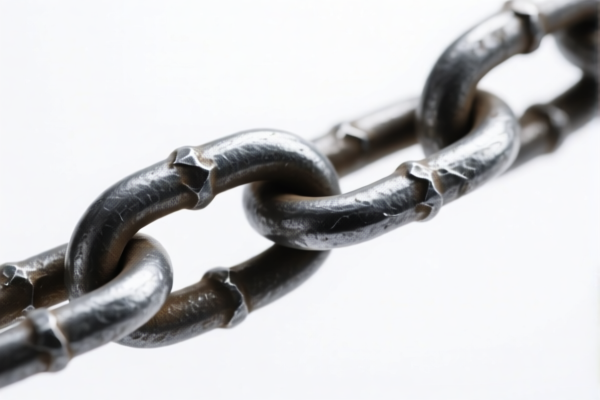
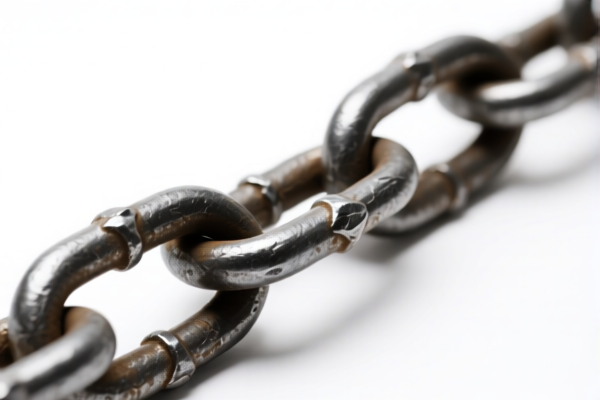
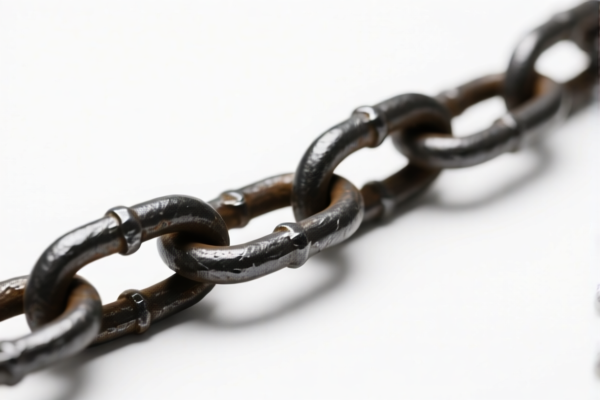
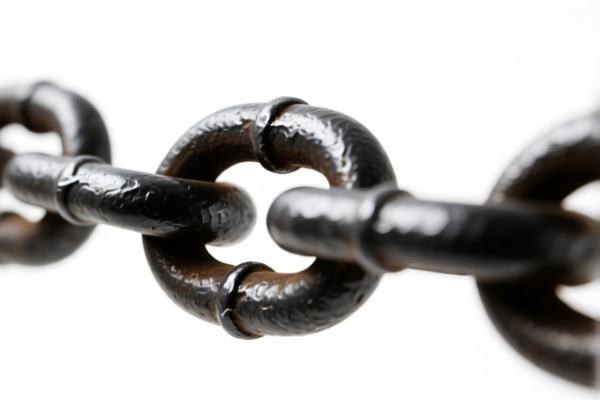
3 chainsaw chains
CN → US| HS编码 | 关税税率 | 原产国 | 目的国 | 文档 |
|---|---|---|---|---|
| 8207903085 | 40.0% | CN | US | 官方文档 |
| 8207907585 | 38.7% | CN | US | 官方文档 |
商品图片
AI分析
🪚 Chainsaw Chains: The "Teeth" of the Power Tool
🌐 HS Code Reference & Customs Clearance Guide | 2026 Latest Tariff Analysis | Professional Entry Strategy
📌 I. Product Definition & Classification: Do You Really Know "Chainsaw Chains"?
Chainsaw chains are not standalone machines; they are interchangeable cutting tools designed for hand-held or power-operated chainsaws. In international trade, they fall under Chapter 82 (Tools for Working in the Hand or for Machine-Tools). However, not all chainsaw chains are created equal in the eyes of customs.
Key Distinction 1: Material Composition
- High-Alloy Steel Chains: Chains where the cutting part contains >0.2% Chromium, Molybdenum, or Tungsten (by weight), or >0.1% Vanadium. These are classified as high-performance cutting tools.
- Standard Carbon Steel Chains: Chains that do not meet the above alloy thresholds. These are often classified as "Other" interchangeable tools.
Key Distinction 2: Functionality
- Metal-Cutting Chains: Rare, specialized chains for cutting metal (e.g., stainless steel). These are subject to different tariff treatments.
- Wood-Cutting Chains: The vast majority of chainsaw chains. Even though they cut wood, if they meet the alloy criteria, they are classified under the "Cutting Tools" heading rather than "General Tools."
⚠️ Critical Classification Point:
- If the chain’s cutting teeth contain over 0.2% Cr/Mo/W or over 0.1% V → Go to 8207.90.30.85
- If the chain is not suitable for cutting metal and does not meet the high-alloy threshold → Go to 8207.90.75.85
📦 II. HS Code Classification Details (2026 Latest Tariff Authority Match)
Based on your input: "3 chainsaw chains"
| HS Code | Product Description | Applicable Scenario | Alloy Content Requirement |
|---|---|---|---|
8207.90.30.85 |
Cutting tools with cutting part containing by weight over 0.2% of chromium, molybdenum, or tungsten or over 0.1% of vanadium | High-performance professional chainsaw chains (e.g., Stihl, Husqvarna premium series with carbide-tipped or high-alloy teeth) | ✅ Yes (High-Alloy) |
8207.90.75.85 |
Other interchangeable tools, and parts thereof: Other: Not suitable for cutting metal, and parts thereof: Other Other | Standard consumer-grade chainsaw chains (typically carbon steel) that do not meet the high-alloy threshold | ❌ No (Standard Alloy) |
🔍 Important Note:
- 8207.90.30.85 is for high-alloy cutting tools. Even if it’s a wood chain, if the steel is high-grade, this code applies.
- 8207.75.85 is a catch-all for "Other" tools. If your chain is basic carbon steel, use this.
- Do NOT classify as a whole machine (e.g., 8209 or 84.67) because chainsaws are separate from their chains.
💰 III. 2026 Latest Tariff Rate Details (Including Additional Taxes)
✅ Applicable Country: United States (US)
✅ Country of Origin: China (CN)
✅ Effective Date: 2025 November 10 onwards (for subsequent imports)
🎯 1. HS Code 8207.90.30.85 — High-Alloy Cutting Tools
| Item | Details |
|---|---|
| Base Tariff Rate | 5.0% |
| Section 301 Additional Tariff | +25.0% |
| Total Tariff Rate | 30.0% |
| Calculation Method | CIF Value × 30% |
| De Minimis Exemption Eligible? | ❌ NO (denied for Section 301 goods) |
| Legal Basis Path | HTSUS:8207.90.30.85 → USITC:Section301 → FOOTNOTE:301 |
📌 Explanation:
- Chainsaw chains made in China are subject to Section 301 tariffs due to their classification as "tools" under Chapter 82.
- The 30% total tax is significant. Importers must budget accordingly.
- No de minimis exemption applies (i.e., even small shipments like 3 chains are taxed at 30%).
🎯 2. HS Code 8207.90.75.85 — Other Interchangeable Tools (Non-Metal Cutting)
| Item | Details |
|---|---|
| Base Tariff Rate | 3.7% |
| Section 301 Additional Tariff | +25.0% |
| Total Tariff Rate | 28.7% |
| Calculation Method | CIF Value × 28.7% |
| De Minimis Exemption Eligible? | ❌ NO |
| Legal Basis Path | HTSUS:8207.90.75.85 → USITC:Section301 → FOOTNOTE:301 |
📌 Explanation:
- Slightly lower base rate (3.7% vs 5.0%) but still subject to the same 25% Section 301 tariff.
- Total effective rate: 28.7%.
- This code is often used for standard, non-professional grade chains.
🛠️ IV. Customs Clearance Practical Advice (Pitfall Avoidance Guide)
✅ 1. Required Documentation Checklist (Non-Negotiable)
| Document | Must Provide? | Description |
|---|---|---|
| ✅ Product Specification Sheet | ✔️ | Must include material composition (steel type), pitch, gauge, number of links, and cutting tooth type. |
| ✅ Material Declaration | ✔️ | Explicitly state % of Chromium, Molybdenum, Tungsten, or Vanadium to determine correct HS Code. |
| ✅ Commercial Invoice | ✔️ | Must clearly state "Chainsaw Chains" and HS Code. Do not use vague terms like "Saw Parts." |
| ✅ Packing List | ✔️ | Specify quantity (e.g., "3 pcs") and weight. |
| ✅ Brand Authorization (if applicable) | ✔️ | If branded (e.g., Stihl), provide proof of authorization to avoid IP issues. |
✅ 2. Declaration Tips (Key Mantra)
🔥 “Alloy Level Determines HS Code, 301 Tariff Applies to All!”
| Scenario | Correct HS Code | Wrong Code | Consequence of Error |
|---|---|---|---|
| High-Alloy Chain (>0.2% Cr/Mo/W) | 8207.90.30.85 |
8207.90.75.85 |
Underpayment of 1.3% → Penalty + Back Taxes |
| Standard Chain | 8207.90.75.85 |
8207.90.30.85 |
Overpayment (minor) or Inspection Delay |
| Chain + Saw Kit | 8207.90.xx for chain, 84.67 for saw |
Single HS Code | Classification Error → Rejection |
⚠️ Critical Warning:
- Do not classify chainsaw chains under 8209 (Tiles/Blocks) or 84.67 (Hand Tools). They are interchangeable cutting tools under 8207.
- Do not assume "3 chains" are exempt from tariffs. Section 301 applies regardless of quantity.
✅ 3. Special Cases
| Case | Handling Advice |
|---|---|
| Carbide-Tipped Chains | If the tips contain tungsten carbide, ensure the base steel meets the alloy threshold for 8207.90.30.85. If not, use 8207.90.75.85. |
| OEM/White Label | Provide design drawings or tech specs to prove alloy content if requested by CBP. |
| Small Quantity (De Minimis) | ❌ Not Eligible. Section 301 tariffs apply to all shipments, no matter how small. |
🌍 V. Global Market Comparison (2026 Latest)
| Country/Region | Recommended HS Code | Total Tariff (CN Origin) | Notes |
|---|---|---|---|
| 🇺🇸 USA | 8207.90.30.85 or 8207.90.75.85 |
28.7% – 30.0% | High tariff due to Section 301. |
| 🇨🇳 China | 8207.90.30 or 8207.90.75 |
~5-10% | Import duties into China are lower. |
| 🇪🇺 EU | 8207.90 |
~6.5% | No Section 301 equivalent, but standard MFN rate applies. |
| 🇨🇦 Canada | 8207.90 |
~6.5% | No Section 301 tariff. |
📌 Conclusion:
- USA is the most expensive market for Chinese-made chainsaw chains due to 30% total tax.
- Consider supply chain diversification (e.g., sourcing from Vietnam or EU) if targeting the US market heavily.
📌 VI. Common Mistakes & Pitfalls (Lessons Learned)
❌ Mistake 1: Classifying chainsaw chains under 84.67 (Hand Tools)
👉 Result: Incorrect classification. CBP will reclassify and charge the correct 30% rate + penalties.
❌ Mistake 2: Ignoring alloy content
👉 Result: Using 8207.90.75.85 for high-alloy chains → Underpayment of 1.3%. CBP may audit and demand back taxes.
❌ Mistake 3: Claiming de minimis exemption for small shipments
👉 Result: Denied. All Section 301 goods are taxed, even if value < $800.
✅ Correct Declaration Example:
"Chainsaw Chains, High-Alloy Steel, 18-inch, 3/8-inch Pitch, 3 Pieces, Model XYZ, Made in China. HS Code: 8207.90.30.85"
🎯 VII. Conclusion: Professional Clearance, Cost Optimization
🎯 Remember the Mantra:
🔹 "Alloy Level → HS Code, 301 → 30% Tax, No De Minimis!"
🔹 "Correct HS Code Saves 1.3% and Avoids Penalties!"
📌 Pro Tip:
If you are importing large volumes, consider applying for a Section 301 Exclusion (if applicable) or explore tariff engineering (e.g., importing parts separately if allowed, though unlikely for chains).
For small shipments (3 chains), the 30% tax is unavoidable. Plan your pricing accordingly!
📣 Immediate Action:
📞 Confirm the alloy composition of your chainsaw chains with your supplier.
📋 Choose the correct HS Code:
- High-Alloy →8207.90.30.85(30% Tax)
- Standard →8207.90.75.85(28.7% Tax)
🚀 Clear Customs Smoothly, Maximize Profit Margins!
✨ Professional Clearance Starts with Precise Classification!
💼 Every Cent Counts in International Trade!
用户评价
关于 HS 编码归类
协调制度(HS)是由世界海关组织(WCO)制定的国际贸易商品分类标准。全球 200 多个国家采用 HS 系统作为海关关税、贸易统计和进出口监管的基础。
每个 HS 编码遵循以下层级结构:
- 章(2 位)——商品大类(例如:第 84 章:机器和机械设备)
- 品目(4 位)——章内的更具体分类
- 子目(6 位)——国际通用细分,所有 WCO 成员国统一使用
- 本国细分(8-10 位)——各国自行扩展的细分编码,如美国 HTSUS 10 位编码
正确的 HS 编码归类对于顺利通关、准确缴纳关税和遵守贸易法规至关重要。错误归类可能导致海关延误、多缴关税或罚款。
从CN进口到US时,适用的关税税率可能包括:
- 最惠国(MFN)税率——适用于 WTO 成员国的标准关税税率
- 普通税率——适用于无贸易协定国家
- 贸易救济关税——附加关税,如 301 条款(反倾销)、232 条款(国家安全)或反补贴税
本页内容仅供参考。如需正式归类,请咨询当地海关或持牌报关代理。