Bleached Fabric 170g/m² or Above
CN → US| HS编码 | 关税税率 | 原产国 | 目的国 | 文档 |
|---|---|---|---|---|
| 5208226040 | 43.7% | CN | US | 官方文档 |
| 5208224040 | 43.4% | CN | US | 官方文档 |
| 5407410060 | 48.6% | CN | US | 官方文档 |
| 5407619915 | 49.9% | CN | US | 官方文档 |
| 5512110010 | 47.0% | CN | US | 官方文档 |
商品图片
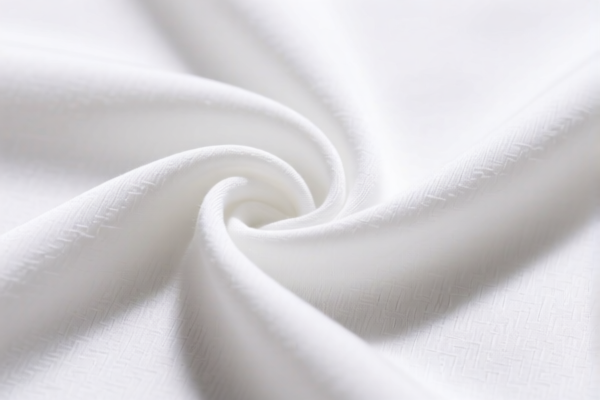
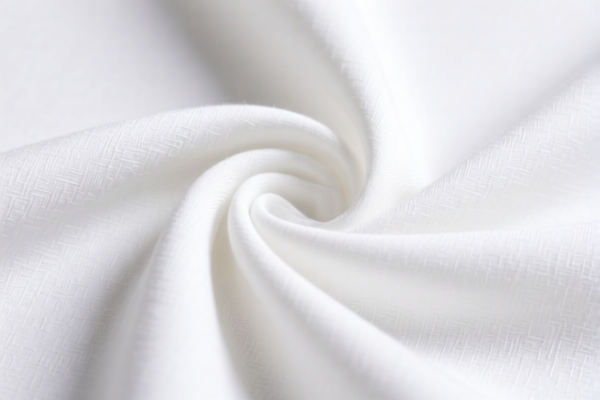
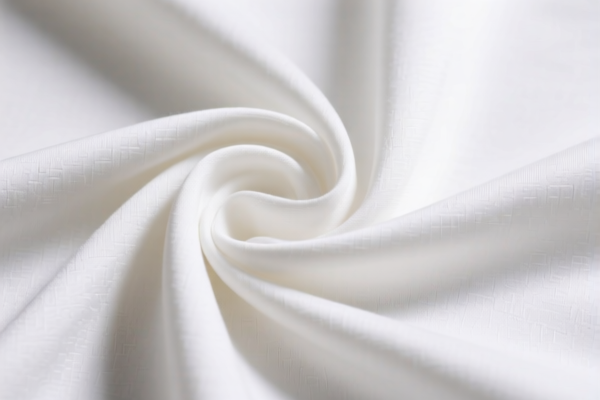

AI分析
🧵 Bleached Fabric (170g/m² or Above)
🌐 HS Code Reference & Customs Clearance Guide | 2026 Latest Tariff Analysis | Professional Strategy for Textile Exporters
📌 Part I: Product Definition & Classification – Do You Know Your Fabric?
Bleached fabric (weight ≥ 170g/m²) is a versatile textile material used in apparel, home textiles, and industrial applications. In international trade, correct HS classification is critical because the material composition (Cotton vs. Synthetic) drastically changes the tariff burden.
Key Classification Distinction: * Woven Cotton Fabrics: Generally fall under Chapter 52. * Woven Synthetic Filament Fabrics: Generally fall under Chapter 54. * Woven Synthetic Staple Fiber Fabrics: Generally fall under Chapter 55.
⚠️ Critical Differentiator:
- If the fabric is made of Cotton → Look at HS 5208.
- If the fabric is made of Polyester/nylon Filaments → Look at HS 5407 or 5407.
- If the fabric is made of Polyester Staple Fibers → Look at HS 5512.
- Weight Check: All items below are confirmed ≥ 170g/m², placing them in specific subheadings for heavier woven goods.
📦 Part II: Detailed HS Code Classification (2026 Latest Tariff Data)
Based on the provided data, here are the 5 most likely HS Codes for Bleached Fabric ≥ 170g/m²:
| HS Code | Product Description | Material/Type | Match Reason | Total Tax Rate |
|--------|--------------------------|-------------------|--------------|
| 5208.22.60.40 | Bleached Cotton Fabric | Cotton | Weight 100-200g/m² range; matches weight and form. | 43.7% |
| 5208.22.40.40 | Bleached Cotton Fabric | Cotton | Weight ≤ 200g/m²; strict weight limit match. | 43.4% |
| 5407.41.00.60 | Bleached Synthetic Filament Fabric | Polyester/Nylon Filaments | Inferred synthetic filament; weight/shape fully match. | 48.6% |
| 5407.61.99.15 | Bleached Polyester Filament Fabric | Polyester Filaments | Inferred polyester filament; color/state matches. | 49.9% |
| 5512.11.00.10 | Bleached Apparel Fabric | Polyester Staple Fiber | For apparel use; meets basic fabric characteristics. | 47.0% |
🔍 Key Insight:
- Cotton fabrics (5208) have the lowest total tax rate (~43.4-43.7%).
- Synthetic Filament fabrics (5407) have higher rates (~48.6-49.9%).
- Staple Fiber fabrics (5512) are in the middle (~47.0%).
- All classifications trigger the same additional tariffs, but the base rate differs by material.
💰 Part III: 2026 Latest Tariff Rate Breakdown (Including Additional Taxes & Policy Surcharges)
✅ Applicable Country: USA (US)
✅ Origin: China (CN)
✅ Effective Time: 2025 onwards (including subsequent imports)
🎯 1. 5208.22.60.40 & 5208.22.40.40 – Bleached Cotton Fabrics
| Item | Content |
|---|---|
| Base Tariff | 8.7% (5208.22.60.40) / 8.4% (5208.22.40.40) |
| Section 301 Additional Tariff | +25.0% (Mandatory for China-origin goods) |
| Section 122 Tariff | +10.0% (Specific textile/apparel surcharge) |
| Total Tax Rate | 43.7% (5208.22.60.40) / 43.4% (5208.22.40.40) |
| Tax Calculation | CIF Value × Total Rate |
| De Minimis Exemption | ❌ Not Eligible (High tax rate exceeds threshold) |
| Legal Basis Path | Section 301: Footnote 9903.88.01 → Section 122: Specific Textile Rule → USITC:5208.22.xxxx |
📌 Explanation:
- Base Tariff: Reflects standard USITC duty for bleached cotton woven fabrics >170g/m².
- Section 301 (+25%): The major trade war tariff affecting most Chinese textiles.
- Section 122 (+10%): A specific surcharge targeting certain textile and apparel imports.
- Result: Cotton fabrics face a ~43.5% effective tariff.
🎯 2. 5407.41.00.60 – Bleached Synthetic Filament Fabric
| Item | Content |
|---|---|
| Base Tariff | 13.6% |
| Section 301 Additional Tariff | +25.0% |
| Section 122 Tariff | +10.0% |
| Total Tax Rate | 48.6% |
| Tax Calculation | CIF Value × 48.6% |
| De Minimis Exemption | ❌ Not Eligible |
| Legal Basis Path | Section 301 → Section 122 → USITC:5407.41.00.60 |
📌 Note:
- Higher base rate (13.6%) due to synthetic filament classification.
- Commonly used for lightweight durable goods, but ≥170g/m² suggests heavier weight applications (e.g., upholstery, industrial).
🎯 3. 5407.61.99.15 – Bleached Polyester Filament Fabric
| Item | Content |
|---|---|
| Base Tariff | 14.9% |
| Section 301 Additional Tariff | +25.0% |
| Section 122 Tariff | +10.0% |
| Total Tax Rate | 49.9% |
| Tax Calculation | CIF Value × 49.9% |
| De Minimis Exemption | ❌ Not Eligible |
| Legal Basis Path | Section 301 → Section 122 → USITC:5407.61.99.15 |
📌 Note:
- Highest tax rate in the dataset.
- Specific to polyester filament fabrics not elsewhere specified.
- High base duty (14.9%) makes this the most expensive option.
🎯 4. 5512.11.00.10 – Bleached Apparel Fabric (Staple Fiber)
| Item | Content |
|---|---|
| Base Tariff | 12.0% |
| Section 301 Additional Tariff | +25.0% |
| Section 122 Tariff | +10.0% |
| Total Tax Rate | 47.0% |
| Tax Calculation | CIF Value × 47.0% |
| De Minimis Exemption | ❌ Not Eligible |
| Legal Basis Path | Section 301 → Section 122 → USITC:5512.11.00.10 |
📌 Note:
- Middle-ground tax rate.
- Classified under staple fiber (non-filament), often used for apparel.
- Requires proof of "apparel use" to justify this subheading.
🛠️ Part IV: Customs Clearance Practical Advice (Avoiding Pitfalls)
✅ 1. Documentation Checklist (Non-negotiable)
| Document | Required? | Purpose |
|---|---|---|
| ✅ Product Specification Sheet | ✔️ | Must state: Material Composition (e.g., 100% Cotton, 100% Polyester), Weight (≥170g/m²), Weave Type (Plain, Twill, etc.), Bleached Status. |
| ✅ Test Report | ✔️ | ISO/ASTM test confirming Grammage (g/m²) and Material Content. |
| ✅ Commercial Invoice | ✔️ | Clearly describe as "Bleached Woven Fabric," not just "Textile." |
| ✅ Packing List | ✔️ | Include roll dimensions, weight per roll, total rolls. |
| ✅ Supply Chain Proof | ✔️ | Proof of origin (China) to confirm Section 301/122 applicability. |
✅ 2. Declaration Tips (Critical!)
🔥 “Material Dictates Code, Weight Determines Subheading, Name Must Be Precise!”
| Scenario | Correct Declaration | Incorrect Declaration | Consequence |
|---|---|---|---|
| 100% Cotton, 180g/m², Bleached | 5208.22.60.40 |
"Synthetic Fabric" | ❌ Misclassification → Seizure/Fine |
| 100% Polyester Filament, 175g/m², Bleached | 5407.41.00.60 |
"Cotton Fabric" | ❌ Higher tax base (13.6% vs 8.7%) |
| Polyester Staple Fiber, Apparel Use, 172g/m² | 5512.11.00.10 |
"General Purpose Fabric" | ✅ Correct if apparel use proven |
| Mixed Blend (e.g., 60% Cotton, 40% Poly) | Consult Expert | Guess HS Code | ❌ Likely flagged for audit |
📌 Key Tip:
- Section 122 Tariff applies to most textiles. Ensure your declaration explicitly states "Bleached Woven Fabric" to avoid being misclassified as "Knitted" or "Non-Woven," which may have different rules.
- Weight is Critical: If the fabric is <170g/m², different subheadings apply. Since all items here are ≥170g/m², stick to the listed codes.
✅ 3. Special Cases & Mitigation
| Case | Strategy |
|---|---|
| OEM Custom Fabric | Provide buyer’s PO and design specs to prove "apparel" or "industrial" use. |
| Polyester Filament vs. Staple | Provide microscopic analysis or manufacturer’s certification to distinguish filament (5407) from staple (5512). Misclassification can cost ~3% in tax difference. |
| Cotton vs. Viscose | Viscose (regenerated cellulose) may fall under 5407 or 5515, not 5208. Test required! |
| De Minimis (Section 321) | ❌ Not Applicable. The total tax rate (>25%) exceeds the $800 de minimis threshold. Full duties apply. |
🌍 Part V: Global Market Comparison (2026)
| Country/Region | Recommended HS Code | Estimated Tax (China Origin) | Certification Required | Note |
|---|---|---|---|---|
| 🇺🇸 USA | See Table Above | 43.4% – 49.9% | None specific, but origin proof required | High tariffs due to Sec 301 + 122 |
| 🇨🇳 China | Same HS Codes | 5% – 10% (Import Duty) | None | Lower domestic import duty, but export context applies |
| 🇪🇺 EU | 5208/5407/5512 | 4% – 12% | CE (if finished good), REACH | No Section 301/122 equivalent |
| 🇬🇧 UK | Same as EU | 4% – 12% | UKCA (if finished good) | Post-Brexit tariffs similar to EU |
| 🇯🇵 Japan | Same HS Codes | 3% – 8% | FSC (if finished) | Very low base tariffs |
📌 Conclusion:
- USA is the highest-cost market due to political tariffs (301 + 122).
- EU/UK/Japan have significantly lower duties but require strict chemical compliance (REACH, etc.).
- For US exports, Cotton (5208) is the most tax-efficient choice (~43.5%).
- For Synthetic (5407/5512), consider supply chain diversification (e.g., production in Vietnam/Mexico) to avoid Section 301/122 tariffs.
📌 Part VI: Common Errors & Pitfalls (Lessons Learned)
❌ Error 1: Declaring "Polyester" when it is actually "Viscose"
👉 Consequence: Viscose may have different tax treatment. If misclassified as Polyester Filament (5407), you may pay 13.6% base instead of correct rate.
❌ Error 2: Ignoring Section 122 Tariff
👉 Consequence: Forgetting the +10% surcharge leads to underpayment and penalties. Always include Sec 122 in cost calculations.
❌ Error 3: Incorrect Weight Declaration
👉 Consequence: If actual weight is <170g/m², the HS Code changes, potentially altering the base tariff. Customs may audit and impose fines.
❌ Error 4: Using Generic Terms like "Fabric"
👉 Consequence: Customs may request extensive documentation, causing delays. Always specify "Bleached Woven Fabric" + Material.
✅ Correct Practice:
"Bleached Woven Cotton Fabric, 100% Cotton, Weight: 180g/m², Used for Apparel, Model: XYZ, Origin: China"
🎯 Part VII: Conclusion – Precision in Classification Saves Money!
🎯 Remember These Rules:
🔹 "Cotton is Cheapest (43.5%), Polyester Filament is Most Expensive (49.9%)."
🔹 "Section 301 (+25%) and Section 122 (+10%) are Mandatory for China-Origin Textiles."
🔹 "Weight ≥170g/m² locks you into specific subheadings. Don't guess!"
📌 Pro Tip:
If you are exporting to the US, consider duty drawback or FTZ (Foreign Trade Zone) strategies to mitigate the ~45% tax burden.
For non-US markets, focus on chemical compliance (REACH, CPSIA) rather than tariff avoidance.
📣 Immediate Action:
📞 Contact a Licensed Customs Broker + Provide Material Test Report + Verify Weight
🚀 Ensure Compliance, Avoid Delays, Maximize Profit Margins!
✨ Professional Customs Clearance Starts with Accurate Classification!
💼 Every Percent of Tax Matters – Get It Right the First Time!
用户评价
关于 HS 编码归类
协调制度(HS)是由世界海关组织(WCO)制定的国际贸易商品分类标准。全球 200 多个国家采用 HS 系统作为海关关税、贸易统计和进出口监管的基础。
每个 HS 编码遵循以下层级结构:
- 章(2 位)——商品大类(例如:第 84 章:机器和机械设备)
- 品目(4 位)——章内的更具体分类
- 子目(6 位)——国际通用细分,所有 WCO 成员国统一使用
- 本国细分(8-10 位)——各国自行扩展的细分编码,如美国 HTSUS 10 位编码
正确的 HS 编码归类对于顺利通关、准确缴纳关税和遵守贸易法规至关重要。错误归类可能导致海关延误、多缴关税或罚款。
从CN进口到US时,适用的关税税率可能包括:
- 最惠国(MFN)税率——适用于 WTO 成员国的标准关税税率
- 普通税率——适用于无贸易协定国家
- 贸易救济关税——附加关税,如 301 条款(反倾销)、232 条款(国家安全)或反补贴税
本页内容仅供参考。如需正式归类,请咨询当地海关或持牌报关代理。