Boy's Robe
CN → US| HS编码 | 关税税率 | 原产国 | 目的国 | 文档 |
|---|---|---|---|---|
| 6114303060 | 32.4% | CN | US | 官方文档 |
| 6114200055 | 28.3% | CN | US | 官方文档 |
| 6207997520 | 24.9% | CN | US | 官方文档 |
| 6207911000 | 25.9% | CN | US | 官方文档 |
| 6114909070 | 15.6% | CN | US | 官方文档 |
商品图片
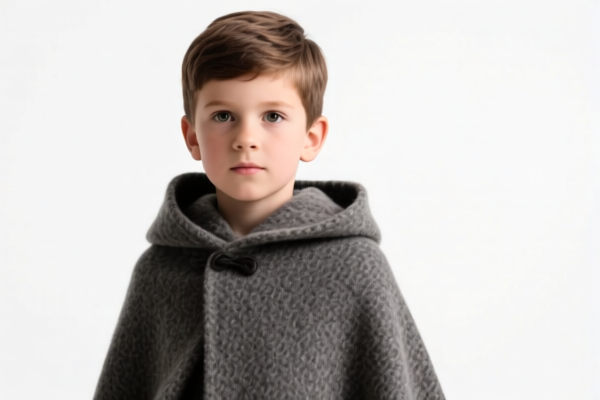
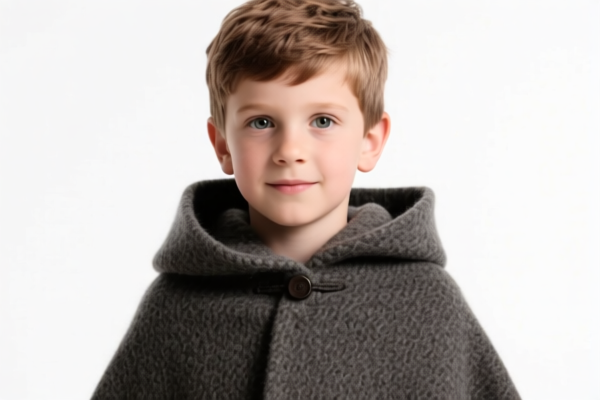
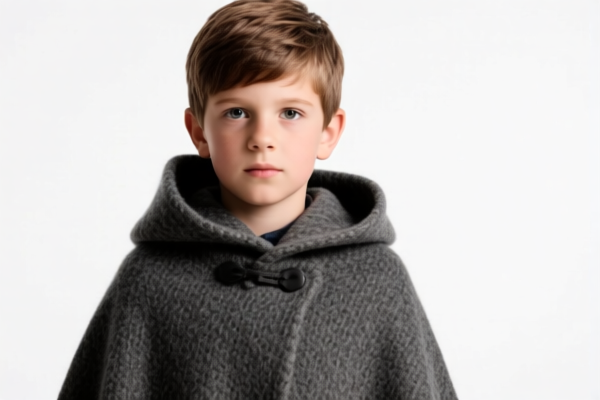

AI分析
👶 Boy’s Robe (Sleepwear & Bathrobes)
🌐 HS Code Reference & Customs Clearance Guide | 2026 Latest Tariff Breakdown | Professional Compliance Strategy
📌 I. Product Definition & Classification: Do You Know the Difference Between a "Bathrobe" and a "Sleeprobe"?
A "Boy's Robe" in international trade is not a single monolithic category. Its HS Code depends entirely on two critical factors:
1. Knitting vs. Weaving: Is it made of knitted fabric (stretchy, like a sweater) or woven fabric (structured, like a dress shirt)?
2. Material Composition: Is it made of Cotton, Man-made fibers (synthetic), or Blends?
3. Function: Is it primarily for bathing (Bathrobe/浴袍) or for sleeping (Sleeprobe/睡袍)?
⚠️ Key Distinction:
- Bathrobe (浴袍): Typically thicker, terry cloth or waffle knit, used post-bath.
- Sleeprobe (睡袍): Lighter, often woven or thin knit, used for lounging or sleeping.
- Knitted (针织): Falls under Chapter 61.
- Woven (非针织): Falls under Chapter 62.
📦 II. HS Code Classification Details (2026 Latest Tariff Reference)
Based on the provided data, here is the precise classification for Boy's Robes by material and construction:
| HS Code | Product Description | Material | Construction | Total Tax Rate |
|---|---|---|---|---|
6114.30.30.60 |
Boy's Bathrobe | Man-made Fibers | Knitted/Hooked | 32.4% |
6114.20.00.55 |
Boy's Bathrobe | Cotton | Knitted/Hooked | 28.3% |
6207.99.75.20 |
Boy's Sleeprobe | Non-wool Man-made Fibers OR Cotton | Woven (Non-Knitted) | 24.9% |
6207.91.10.00 |
Boy's Sleeprobe | Cotton | Woven (Non-Knitted) | 25.9% |
6114.90.90.70 |
Boy's Bathrobe | Blended Fibers | Knitted/Hooked | 15.6% |
🔍 Critical Analysis:
- Knitted vs. Woven: Knitted items (Ch. 61) generally face higher base tariffs (e.g., 14.9% for Man-made, 10.8% for Cotton) compared to Woven items (Ch. 62, e.g., 8.4% for Cotton).
- Blends Benefit: Knitted blended fiber bathrobes (6114.90.90.70) have the lowest base tariff (5.6%) because they don't fall into the specific "Cotton" or "Man-made" primary categories that trigger higher base rates in this specific dataset.
- Sleeprobe vs. Bathrobe: Woven sleeprobes (6207.9x) generally have lower total tariffs than knitted bathrobes (6114.xx), except for the blended knitted option.
💰 III. 2026 Tariff Rate Breakdown (Detailed Tax Analysis)
✅ Applicable Jurisdiction: USA (Implied by "Section 301/122" references)
✅ Origin: China (CN)
✅ Tax Structure: Base Tariff + Section 301/122 Surtax
🎯 1. 6114.30.30.60 – Boy's Bathrobe, Knitted, Man-Made Fiber
| Item | Detail |
|---|---|
| Base Tariff | 14.9% |
| Section 301/122 Surtax | 7.5% + 10% = 17.5% |
| Total Effective Rate | 32.4% |
| Calculation | CIF Value × 32.4% |
| De Minimis Exemption | ❌ NO (High duty rate exceeds threshold) |
📌 Explanation:
- High base tariff (14.9%) for synthetic knits.
- Heavy Surtax: 17.5% in additional duties makes this the most expensive category for synthetic knits.
🎯 2. 6114.20.00.55 – Boy's Bathrobe, Knitted, Cotton
| Item | Detail |
|---|---|
| Base Tariff | 10.8% |
| Section 301/122 Surtax | 7.5% + 10% = 17.5% |
| Total Effective Rate | 28.3% |
| Calculation | CIF Value × 28.3% |
| De Minimis Exemption | ❌ NO |
📌 Explanation:
- Lower base tariff than man-made fibers (10.8% vs 14.9%), but the surtax is identical.
- Cotton knits are still subject to the same aggressive 17.5% surcharge.
🎯 3. 6207.99.75.20 – Boy's Sleeprobe, Woven, Non-Wool Man-Made/Cotton
| Item | Detail |
|---|---|
| Base Tariff | 14.9% |
| Section 301/122 Surtax | 0.0% + 10% = 10.0% |
| Total Effective Rate | 24.9% |
| Calculation | CIF Value × 24.9% |
| De Minimis Exemption | ❌ NO |
📌 Explanation:
- Key Advantage: The 7.5% surtax is waived for this specific code!
- Only the 10% Section 122 tariff applies to the base 14.9%.
- This is a strategic code if the product is woven (not knitted).
🎯 4. 6207.91.10.00 – Boy's Sleeprobe, Woven, Cotton
| Item | Detail |
|---|---|
| Base Tariff | 8.4% |
| Section 301/122 Surtax | 7.5% + 10% = 17.5% |
| Total Effective Rate | 25.9% |
| Calculation | CIF Value × 25.9% |
| De Minimis Exemption | ❌ NO |
📌 Explanation:
- Lowest base tariff (8.4%) but includes the full 17.5% surtax.
- Total rate is competitive with synthetic knits but higher than the "woven non-wool" option (6207.99.75.20).
🎯 5. 6114.90.90.70 – Boy's Bathrobe, Knitted, Blended Fiber
| Item | Detail |
|---|---|
| Base Tariff | 5.6% |
| Section 301/122 Surtax | 0.0% + 10% = 10.0% |
| Total Effective Rate | 15.6% |
| Calculation | CIF Value × 15.6% |
| De Minimis Exemption | ❌ NO |
📌 Explanation:
- THE BEST RATE: Lowest total tariff at 15.6%.
- Why?
1. Low Base Tariff (5.6% for blends).
2. NO 7.5% surtax (only 10% Section 122 applies).
- Strategy: If your fabric is a blend (e.g., Cotton + Polyester), classify here to save ~10-17% in duties compared to pure cotton/man-made.
🛠️ IV. Customs Clearance Practical Advice (Avoid Pitfalls)
✅ 1. Material Definition is Critical
| Scenario | Correct HS Code | Risk if Misclassified |
|---|---|---|
| Fabric is 60% Cotton, 40% Polyester | 6114.90.90.70 (Blended) |
Misclassifying as Cotton (6114.20...) → +12.7% extra tax |
| Fabric is 100% Polyester | 6114.30.30.60 (Man-Made) |
Misclassifying as Blend → Audited/Refused |
| Item is Woven (Not Knitted) | 6207.9x Series |
Misclassifying as Knitted (6114...) → Higher Tax + Delay |
💡 Tip: Provide a detailed fabric composition report (e.g., "55% Cotton, 45% Polyester") to customs brokers. Do not simply write "Cotton Robe" if it's a blend.
✅ 2. Knitted vs. Woven Distinction
- Knitted: Look for loops (like a T-shirt). Code starts with 61.
- Woven: Look for interlaced threads (like a shirt). Code starts with 62.
- Error: Declaring a Woven Sleeprobe as a Knitted Bathrobe will result in incorrect tax application and potential penalties.
✅ 3. "Bathrobe" vs. "Sleeprobe"
- While both fall under
6207(Men's/Boys' Robes), the 7.5% surtax applies differently. 6207.99.75.20(Woven, Non-Wool) excludes the 7.5% surtax.6207.91.10.00(Woven, Cotton) includes the 7.5% surtax.- Strategy: If possible, design the robe to be woven and use non-wool man-made fibers or ensure the classification fits
6207.99.75.20to save the 7.5%. Note: Check if your specific woven cotton product qualifies for the 0% surtax variant; if not, the blended knitted option (6114.90.90.70) at 15.6% is still cheaper.
✅ 4. Required Documentation
| Document | Purpose |
|---|---|
| Commercial Invoice | Must specify: "Boy's Robe", Material (% Cotton/Poly/etc.), Knitted/Woven. |
| Fabric Composition Sheet | Proof of blend percentages (critical for 6114.90.90.70). |
| Product Photos | Clearly show garment construction (knitted loops vs. woven weave). |
| Care Label | Confirms material content declared on label matches invoice. |
📌 V. Cost-Saving Strategy Summary
| Rank | HS Code | Product Type | Total Tax | Why Choose? |
|---|---|---|---|---|
| 🥇 1 | 6114.90.90.70 |
Knitted, Blended | 15.6% | Lowest overall rate. Use blended fabrics. |
| 🥈 2 | 6207.99.75.20 |
Woven, Non-Wool | 24.9% | No 7.5% surtax. Good if woven. |
| 🥉 3 | 6207.91.10.00 |
Woven, Cotton | 25.9% | Standard cotton woven. |
| 4 | 6114.20.00.55 |
Knitted, Cotton | 28.3% | High base + surtax. |
| 5 | 6114.30.30.60 |
Knitted, Synthetic | 32.4% | Highest tax. Avoid if possible. |
🚀 Pro Tip:
Optimize your fabric blend. If you use a knitted blend (e.g., Cotton/Poly mix), you qualify for6114.90.90.70at 15.6%, saving you ~10-17% compared to pure cotton or synthetic knits.
Avoid pure synthetic knits (6114.30.30.60) due to the high 32.4% total duty.
🎯 VI. Conclusion: Smart Classification Saves Money
✅ Key Takeaway:
- Blended Knits = Cheapest (15.6%)
- Woven Non-Wool = Second Cheapest (24.9%)
- Pure Cotton/Synthetic Knits = Most Expensive (28-32%)
✅ Action Plan:
1. Check fabric composition.
2. If blended, declare as 6114.90.90.70.
3. If pure, decide between woven (6207) or knitted (6114) based on product design.
4. Always provide fabric reports to prevent customs delays.
📣 Contact a licensed customs broker to verify fabric classification before shipment!
✨ Precision in classification = Profit in your pocket.
用户评价
关于 HS 编码归类
协调制度(HS)是由世界海关组织(WCO)制定的国际贸易商品分类标准。全球 200 多个国家采用 HS 系统作为海关关税、贸易统计和进出口监管的基础。
每个 HS 编码遵循以下层级结构:
- 章(2 位)——商品大类(例如:第 84 章:机器和机械设备)
- 品目(4 位)——章内的更具体分类
- 子目(6 位)——国际通用细分,所有 WCO 成员国统一使用
- 本国细分(8-10 位)——各国自行扩展的细分编码,如美国 HTSUS 10 位编码
正确的 HS 编码归类对于顺利通关、准确缴纳关税和遵守贸易法规至关重要。错误归类可能导致海关延误、多缴关税或罚款。
从CN进口到US时,适用的关税税率可能包括:
- 最惠国(MFN)税率——适用于 WTO 成员国的标准关税税率
- 普通税率——适用于无贸易协定国家
- 贸易救济关税——附加关税,如 301 条款(反倾销)、232 条款(国家安全)或反补贴税
本页内容仅供参考。如需正式归类,请咨询当地海关或持牌报关代理。