Boys' Artificial Fiber Clothing
CN → US| HS编码 | 关税税率 | 原产国 | 目的国 | 文档 |
|---|---|---|---|---|
| 6109901009 | 49.5% | CN | US | 官方文档 |
| 6109901025 | 49.5% | CN | US | 官方文档 |
| 6114303020 | 32.4% | CN | US | 官方文档 |
| 6211335025 | 33.5% | CN | US | 官方文档 |
| 6211339025 | 33.5% | CN | US | 官方文档 |
商品图片
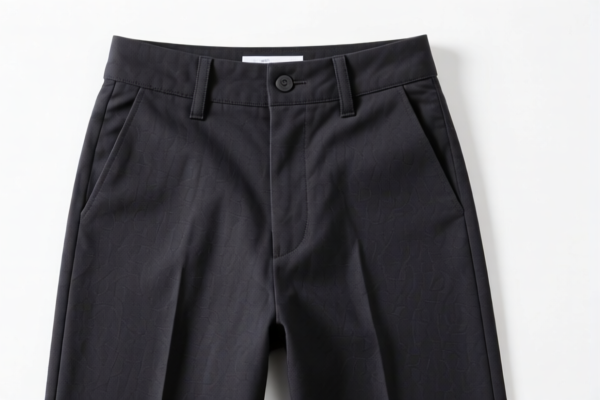
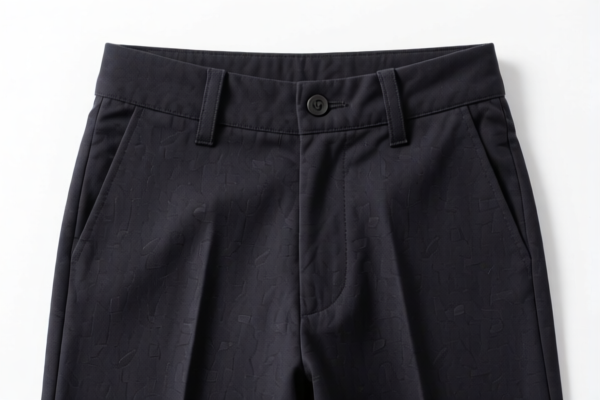
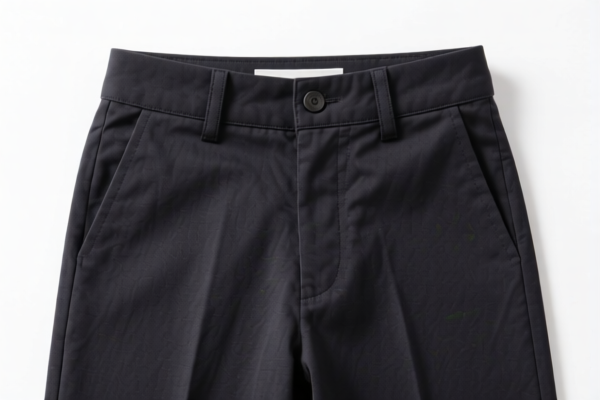
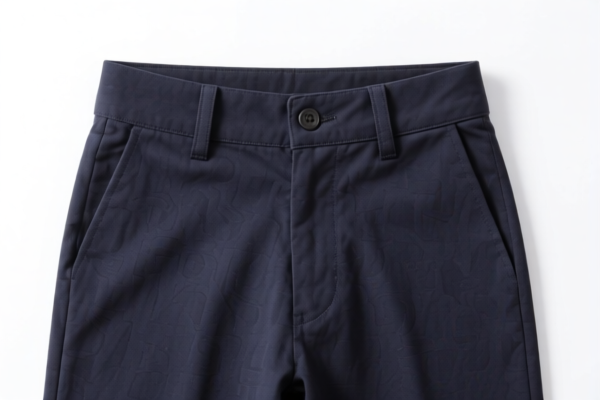
AI分析
👕 Boys' Artificial Fiber Clothing (Washed/Finished)
🌐 HS Code Reference & Customs Clearance Guide | 2026 Latest Tariff Analysis | Professional Customs Strategy
📌 I. Product Definition & Classification: Understanding "Boys' Artificial Fiber Clothing"
Boys' Artificial Fiber Clothing refers to woven or knitted garments made primarily from synthetic or man-made fibers (e.g., polyester, nylon, rayon) specifically designed for male children. In international trade, these goods are classified based on their material composition, gender-specific design, and processing state (e.g., washed, finished).
⚠️ Key Classification Nuance:
- The term "Artificial Fiber" typically falls under Chapter 61 (Knitted/Crocheted) or Chapter 62 (Woven), depending on the manufacturing method.
- "Boys' Clothing" implies specific sizing and design features distinct from adult or unisex garments.
- "Washed/Finished" indicates the garment has undergone post-production treatment, which may affect classification under "Other Made-Up Clothing Articles" vs. standard apparel.
📦 II. HS Code Classification Details (2026 Latest Tariff Authority Comparison)
Based on the provided data, here are the five potential HS Codes for Boys' Artificial Fiber Clothing, along with their specific tax implications and rationales:
| HS Code | Product Description & Rationale | Total Tax Rate | Tax Breakdown |
|---|---|---|---|
6109.90.10.09 |
Boys' Artificial Fiber Washed Clothing • Matches "Boys", "Artificial Fiber", and "Clothing" categories. • Fits the "catch-all" (兜底) rule for items not specifically enumerated elsewhere. |
49.5% | Base: 32.0% Add-on: 7.5% Section 301 (122 Clause): 10% |
6109.90.10.25 |
Boys' Artificial Fiber Washed Clothing • Material and usage align with artificial fiber-made, boys' clothing characteristics. |
49.5% | Base: 32.0% Add-on: 7.5% Section 301 (122 Clause): 10% |
6114.30.30.20 |
Boys' Artificial Fiber Washed Clothing • Material, form, and target audience fully match the tariff heading classification. |
32.4% | Base: 14.9% Add-on: 7.5% Section 301 (122 Clause): 10% |
6211.33.50.25 |
Boys' Artificial Fiber Washed Clothing • Material and usage fit the HS Code definition for washed clothing. |
33.5% | Base: 16.0% Add-on: 7.5% Section 301 (122 Clause): 10% |
6211.33.90.25 |
Boys' Artificial Fiber Washed Clothing • Material and usage align with classification explanations; inferred as a specific type of clothing. |
33.5% | Base: 16.0% Add-on: 7.5% Section 301 (122 Clause): 10% |
6114.30.30.44 |
Boys' Artificial Fiber Washed Clothing • Material consistency; form and usage match the description of "Other Made-Up Clothing Articles" for boys/men. |
32.4% | Base: 14.9% Add-on: 7.5% Section 301 (122 Clause): 10% |
🔍 Key Observation:
- Two primary tax brackets exist: 49.5% and 32.4%/33.5%.
- The difference stems from the Base Tariff Rate (ranging from 14.9% to 32.0%).
- All listed codes incur the same Add-on Tariff (7.5%) and Section 301 Tariff (10%), indicating these are US-imported goods from China subject to trade restrictions.
💰 III. 2026 Latest Tariff Rate Detailed Breakdown (Including Surcharges & Policy Add-ons)
✅ Applicable Country: United States (US)
✅ Country of Origin: China (CN)
✅ Effective Time: 2026 Tariff Schedule (Post-2025 adjustments)
🎯 Scenario A: High-Tax Category (6109.90.10.09 / 6109.90.10.25)
Total Rate: 49.5%
| Item | Detail |
|---|---|
| Base Tariff | 32.0% (High base rate for certain knitwear/apparel) |
| USITC Add-on Tariff | +7.5% (Likely under USITC footnote provisions for specific textile categories) |
| IEEPA / Section 301 Tariff | +10% (Specifically "Section 122" clause, targeting Chinese textiles/apparel) |
| Total Effective Rate | 49.5% |
| Calculation | CIF Value × 49.5% |
| De Minimis Exemption | ❌ Not Eligible (Textiles and apparel are generally excluded from $800 de minimis relief under current US policy) |
| Legal Basis Path | USITC:6109.90.10.09 → FOOTNOTE:XXX → IEEPA:Section301 |
📌 Explanation:
- The 32.0% base rate is unusually high for general apparel, suggesting this code may apply to specific knit items (like T-shirts, under6109) that face stricter quotas or historical tariffs.
- The 10% Section 301 tariff is a significant barrier, making these goods extremely expensive to import into the US compared to other categories.
🎯 Scenario B: Low-Tax Category (6114.30.30.20 / 6114.30.30.44)
Total Rate: 32.4%
| Item | Detail |
|---|---|
| Base Tariff | 14.9% (Standard rate for "Other Made-Up Clothing Articles" of man-made fibers) |
| USITC Add-on Tariff | +7.5% |
| IEEPA / Section 301 Tariff | +10% |
| Total Effective Rate | 32.4% |
| Calculation | CIF Value × 32.4% |
| De Minimis Exemption | ❌ Not Eligible |
| Legal Basis Path | USITC:6114.30.30.20 → FOOTNOTE:XXX → IEEPA:Section301 |
📌 Explanation:
- This category likely falls under 6114.30 (Other knitted or crocheted garments of synthetic fibers).
- The 14.9% base rate is more typical for general synthetic apparel.
- Savings: Choosing this classification over Scenario A saves 17.1% in total tariffs.
🎯 Scenario C: Medium-Tax Category (6211.33.50.25 / 6211.33.90.25)
Total Rate: 33.5%
| Item | Detail |
|---|---|
| Base Tariff | 16.0% (Standard rate for woven synthetic garments) |
| USITC Add-on Tariff | +7.5% |
| IEEPA / Section 301 Tariff | +10% |
| Total Effective Rate | 33.5% |
| Calculation | CIF Value × 33.5% |
| De Minimis Exemption | ❌ Not Eligible |
| Legal Basis Path | USITC:6211.33.50.25 → FOOTNOTE:XXX → IEEPA:Section301 |
📌 Explanation:
- These codes likely fall under 6211.33 (Woven garments of synthetic fibers, boys').
- The 16.0% base rate is slightly higher than 6114 due to weaving costs and historical trade barriers.
🛠️ IV. Customs Clearance Practical Advice (Real-World Pitfall Avoidance Guide)
✅ 1. Preparation Checklist (All Documents Required)
| Document | Required? | Description |
|---|---|---|
| ✅ Product Specification Sheet | ✔️ | Must detail fiber composition (e.g., 100% Polyester), size, and gender. |
| ✅ Lab Test Report (Fiber Content) | ✔️ | Critical for verifying "Artificial Fiber" vs. natural fiber (e.g., Cotton). Misclassification leads to penalties. |
| ✅ Product Photos (Front/Back/Label) | ✔️ | Must show "Boys' sizing" and care labels indicating washing/finishing status. |
| ✅ Commercial Invoice | ✔️ | Must explicitly state "Boys' Artificial Fiber Clothing" and CIF value. |
| ✅ Bill of Lading / Air Waybill | ✔️ | Proof of shipment and origin. |
| ✅ Certificate of Origin | ✔️ | Proves goods are from China, triggering Section 301 tariffs. |
| ✅ Packing List | ✔️ | Detailed list of items per package to avoid quantity disputes. |
✅ 2. Declaration Tips (Key Mnemonic)
🔥 "Fiber First, Gender Second, Form Third!"
| Scenario | Correct Declaration | Wrong Practice |
|---|---|---|
| Knitted T-Shirt | 6109.90 or 6114.30 |
Misdeclare as 6211 (Woven) → Higher base rate or rejection |
| Woven Pants | 6211.33 |
Misdeclare as 6109 (Knitted) → Classification error |
| Unisex Shirt | Potentially 6109.90.10.09 (Catch-all) |
Declare as "Boys'" if not specifically designed → Fine for misdeclaration |
| Cotton Blend | Must declare exact % | Declare as "Artificial Fiber" if >50% Cotton → 32% Base Rate vs. 14.9% |
⚠️ Critical:
- Do NOT claim "De Minimis" ($800 exemption) for these goods. US Customs and Border Protection (CBP) has explicitly excluded textiles, apparel, and footwear from the de minimis threshold for China-origin goods to combat circumvention of tariffs.
- Section 301 (122 Clause) is non-negotiable for Chinese-made apparel. Ensure your supplier's declaration matches your invoice exactly.
✅ 3. Special Case Handling
| Situation | Handling Advice |
|---|---|
| Mixed Material (e.g., 95% Polyester, 5% Spandex) | Classify under 6114.30 or 6211.33 (Synthetic Fiber category). The spandex does not change the primary classification. |
| OEM Custom Design | Provide design drawings to prove "Boys'" specific cut (e.g., smaller shoulders, shorter length) to justify the "Boys'" subheading. |
| Sample Shipment | Even samples are subject to tariffs. Do not mark as "Free Sample" to avoid inspection and penalties. |
| Washed/Stone-Washed Finish | This does not change the HS Code but must be declared to confirm the product matches the "Washed" description in the summary. |
🌍 V. Global Market Comparison (2026 Latest)
| Country/Region | Recommended HS Code | Tariff Rate (China Origin) | Certification | Notes |
|---|---|---|---|---|
| 🇺🇸 USA | 6114.30.30.20 / 6211.33.50.25 |
32.4% - 33.5% (Total) | None required for basic clearance | High tariffs due to Section 301 |
| 🇨🇳 China | 6114.30.30.20 / 6211.33.50.25 |
~5% - 15% | CCC (if applicable) | Lower base rates, no Section 301 |
| 🇪🇺 EU | 6109.10 / 6211.43 |
~12% - 15% | CE (if marked) | No Section 301, but potential anti-dumping duties on specific textiles |
| 🇯🇵 Japan | 6109.90 / 6211.33 |
~15% - 20% | None | Standard MFN rates apply |
📌 Conclusion:
- The US market is the most expensive due to the combination of base tariffs, USITC add-ons, and Section 301 tariffs.
- Optimization Strategy: If possible, explore tariff engineering by adjusting fiber content (e.g., adding more natural fiber if it shifts to a lower base rate, though unlikely for "Artificial Fiber" label) or sourcing from Vietnam/Mexico to bypass Section 301 tariffs.
📌 VI. Common Errors & Pitfall Guide (Lessons Learned)
❌ Error 1: Declaring "Clothing" without specifying "Boys'"
👉 Consequence: May be classified under "Men's" or "Unisex" codes, which might have different base rates or trigger additional scrutiny.
Fix: Always include gender-specific design details.
❌ Error 2: Ignoring the "Washed/Finished" status
👉 Consequence: If the product is washed, but the HS Code description doesn't account for it, CBP may question the authenticity of the documentation.
Fix: Ensure the product name and description match the "Washed" attribute in the HS summary.
❌ Error 3: Assuming De Minimis Exemption Applies
👉 Consequence: Shipment detained, fined, or returned. Textiles from China are not exempt.
Fix: Budget for full tariff payment (32.4% - 49.5%).
❌ Error 4: Mixing Knitted and Woven Items in One Declaration
👉 Consequence: Confusion in classification, leading to audit delays.
Fix: Separate shipments by manufacturing method (Knitted vs. Woven) or declare accurately per item.
✅ Correct Declaration Example:
"Boys' 100% Polyester Knitted Washed T-Shirts, Size 4-6, Model XYZ, Origin China, CIF Value $10,000"
🎯 VII. Conclusion: Professional Declaration, Save Time, Reduce Costs!
🎯 Remember the Mnemonic:
🔹 "Fiber Type, Gender, Form – Get It Right, Avoid the Fight!"
🔹 "US Tariffs High (32-49%), No De Minimis, Plan Ahead or Pay the Price!"
🔹 "Section 301 is Real, For Chinese Textiles, It’s a Hurdle Real!"
📌 Pro Tip:
- If your clothing is not from China (e.g., Vietnam, Bangladesh), the Section 301 10% tariff does not apply.
- For China-origin goods, consider Advanced Rulings (Pre-ruling) from CBP to lock in the HS Code and avoid post-clearance audits.
- Supply Chain Diversification: Explore sourcing from Mexico (USMCA benefits) or Vietnam to reduce the effective tariff burden.
📣 Immediate Action:
📞 Contact a licensed customs broker + Provide product specs + Apply for CBP Pre-Ruling
🚀 Let your clothing clear smoothly, maximize profits, and expand globally!
✨ Professional Customs Clearance Starts with Accurate Classification!
💼 Every cent saved is a cent earned!
用户评价
关于 HS 编码归类
协调制度(HS)是由世界海关组织(WCO)制定的国际贸易商品分类标准。全球 200 多个国家采用 HS 系统作为海关关税、贸易统计和进出口监管的基础。
每个 HS 编码遵循以下层级结构:
- 章(2 位)——商品大类(例如:第 84 章:机器和机械设备)
- 品目(4 位)——章内的更具体分类
- 子目(6 位)——国际通用细分,所有 WCO 成员国统一使用
- 本国细分(8-10 位)——各国自行扩展的细分编码,如美国 HTSUS 10 位编码
正确的 HS 编码归类对于顺利通关、准确缴纳关税和遵守贸易法规至关重要。错误归类可能导致海关延误、多缴关税或罚款。
从CN进口到US时,适用的关税税率可能包括:
- 最惠国(MFN)税率——适用于 WTO 成员国的标准关税税率
- 普通税率——适用于无贸易协定国家
- 贸易救济关税——附加关税,如 301 条款(反倾销)、232 条款(国家安全)或反补贴税
本页内容仅供参考。如需正式归类,请咨询当地海关或持牌报关代理。