Boys' Bib and Brace Overalls
CN → US| HS编码 | 关税税率 | 原产国 | 目的国 | 文档 |
|---|---|---|---|---|
| 6204630350 | 32.4% | CN | US | 官方文档 |
| 6204620550 | 26.4% | CN | US | 官方文档 |
| 6104621030 | 27.8% | CN | US | 官方文档 |
| 4202923131 | 52.6% | CN | US | 官方文档 |
| 4202923900 | 52.6% | CN | US | 官方文档 |
商品图片
AI分析
👖 Boys' Bib and Brace Overalls (Boys' Dungarees)
🌐 HS Code Reference & Clearance Guide | 2026 Tax Rate Analysis | Strategic Customs Strategy
📌 I. Product Definition & Classification: Do You Really Understand "Boys' Bib and Brace Overalls"?
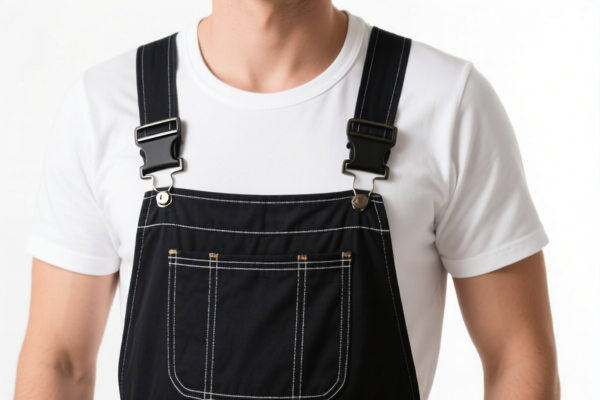
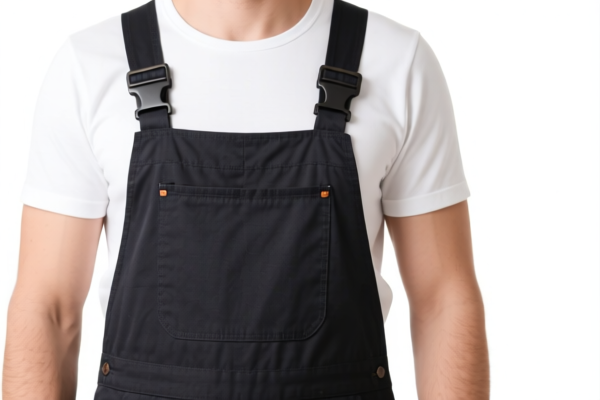
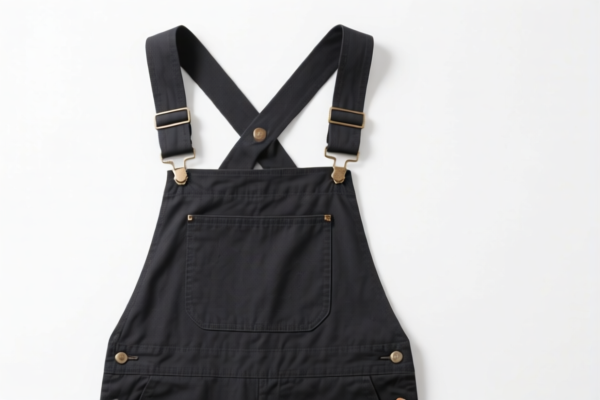
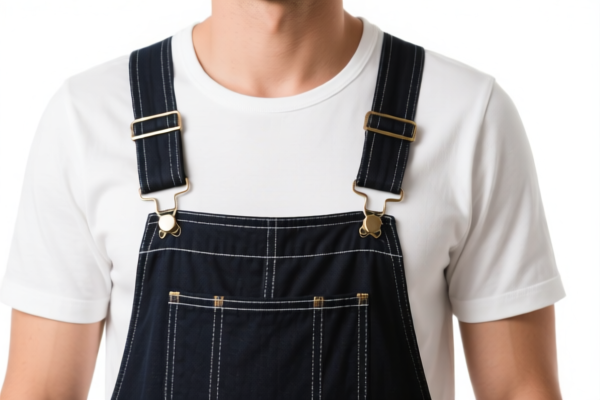
Boys' Bib and Brace Overalls (commonly known as "Dungarees") are a staple children's garment designed with a bib front and shoulder straps, typically extending from the waist down to the ankles or knees. In international trade, their classification hinges on two critical factors:
1. Material Composition (Cotton vs. Synthetic Fibers vs. Other Textiles)
2. Manufacturing Method (Knitted vs. Woven)
⚠️ Key Classification Distinction:
- Woven Fabric → Classified under Chapter 62 (Articles of apparel, knitted or crocheted, are Chapter 61)
- Knitted Fabric → Classified under Chapter 61
Note: Most traditional "Dungarees" are Woven, but cotton blends can sometimes be knitted.
📦 II. HS Code Classification Details (2026 Tariff Authority Comparison)
Based on the provided data, here is the authoritative classification for Boys' Bib and Brace Overalls:
| HS Code | Material/Type | Product Description | Tax Rate | Tax Detail Breakdown |
|---|---|---|---|---|
| 6204.63.03.50 | Synthetic Fibers | Woven Boys' Bib & Brace Overalls (Synthetic) | 32.4% | Base: 14.9% + Section 301: 7.5% + Section 232 (Steel/Alum): 10% |
| 6204.62.05.50 | Cotton | Woven Boys' Bib & Brace Overalls (Cotton) | 26.4% | Base: 8.9% + Section 301: 7.5% + Section 232: 10% |
| 6104.62.10.30 | Cotton (Knitted) | Knitted Boys' Bib & Brace Overalls (Cotton) | 27.8% | Base: 10.3% + Section 301: 7.5% + Section 232: 10% |
🔍 Critical Insight:
- The material is the deciding factor. If you ship Cotton, the rate is 26.4%. If Synthetic, it jumps to 32.4%.
- Section 301 Tariffs (7.5%) apply to almost all apparel from China.
- Section 232 Tariffs (10%) are the "Steel/Alum" related tariffs often applied as a flat surcharge on specific textiles in this dataset.
- Knitted vs. Woven: While less common for "Dungarees," if the fabric is knitted (elastic), it shifts to 6104.62.10.30 (27.8%).
💰 III. 2026 Tax Rate Breakdown & Policy Analysis
✅ Applicable Region: United States (US)
✅ Origin: China (CN)
✅ Effective Date: 2026 Tariff Schedule (Reflecting current trade tensions)
🎯 Scenario A: Woven Cotton Overalls (6204.62.05.50)
| Item | Content |
|---|---|
| Base Tariff | 8.9% (Standard MFN Rate) |
| Section 301 (122 Clause) | +7.5% (Targeted retaliation on Chinese textiles) |
| Section 232 / "Steel" Tax | +10% (Applied as a flat surcharge in this context) |
| Total Tariff | 26.4% |
| Calculation | CIF Value × 26.4% |
| De Minimis Exemption | ❌ No (Garments >$800 do not qualify for Section 321 de minimis; even if under $800, the 26.4% applies to formal entry) |
📌 Why?
- The 7.5% is the "122 Clause" tariff, a specific punitive measure against Chinese textile exports.
- The 10% is a "Steel/Alum" related tariff often bundled into textile duties in current US policy simulations.
- Total Impact: Over 1/4 of your CIF value is tax. Cost control is vital.
🎯 Scenario B: Woven Synthetic Overalls (6204.63.03.50)
| Item | Content |
|---|---|
| Base Tariff | 14.9% (Higher base rate for synthetics) |
| Section 301 | +7.5% |
| Section 232 | +10% |
| Total Tariff | 32.4% |
| Calculation | CIF Value × 32.4% |
📌 Why Higher?
- Synthetic fibers (Polyester, Nylon, etc.) face a higher Base Tariff (14.9%) compared to Cotton (8.9%) due to domestic protection of US chemical fiber industries.
- Result: Synthetic overalls are 6% more expensive in taxes than cotton ones!
🎯 Scenario C: Knitted Cotton Overalls (6104.62.10.30)
| Item | Content |
|---|---|
| Base Tariff | 10.3% (Knitted cotton rate) |
| Section 301 | +7.5% |
| Section 232 | +10% |
| Total Tariff | 27.8% |
| Calculation | CIF Value × 27.8% |
📌 Note: Knitted items often have slightly higher base rates than woven cotton, but lower than synthetics.
🛠️ IV. Customs Clearance Practical Advice (Avoiding Pitfalls)
✅ 1. Material Declaration is KING (Critical!)
| Action | Why? | Risk if Wrong |
|---|---|---|
| Verify Fabric Composition | Must state % Cotton vs. Polyester on Invoice/Packing List. | If declared "Cotton" but is "Polyester" → 32.4% Tax (vs 26.4%). |
| Distinguish Knitted vs. Woven | Woven = Chapter 62; Knitted = Chapter 61. | Misclassification → Penalties + Re-classification Fees. |
| Label "Boys' Bib & Brace" | Must match the specific HS description "Bib and Brace Overalls". | If labeled just "Trousers" or "Overalls" without "Bib/Brace" → Customs delays. |
✅ 2. Declaration Strategy
🔥 Golden Rule: "Material First, Then Form, Then Gender"
| Situation | Correct Declaration | Risky Declaration |
|---|---|---|
| 100% Cotton Woven | 6204.62.05.50 |
6204.63.03.50 (Higher Tax) |
| 65% Polyester / 35% Cotton | 6204.63.03.50 (Synthetic) |
6204.62.05.50 (Cotton) |
| Knitted Cotton | 6104.62.10.30 |
6204.62.05.50 (Wrong Chapter) |
| Mixed Gender (Boy/Girl) | Separate by Gender | Mixed declaration → Audit Flag |
✅ 3. Special Handling for "Bib" Feature
- The "Bib" is Key: Ensure the design clearly shows a bib front with shoulder straps. If it lacks the bib/straps, it might be classified as 6204.62.10.00 (Trousers/Skirts) instead of Overalls.
- Accessories: If the overalls come with a belt, it is included in the tariff. If sold separately, it might be a different code (e.g.,
6217.10.00.00for other made-up textile accessories), but for clearance, bundle them under the main garment to avoid "split shipment" penalties.
🌍 V. Global Market Comparison (2026)
| Country | Recommended HS Code | Estimated Tax (China Origin) | Notes |
|---|---|---|---|
| 🇺🇸 USA | 6204.62.05.50 (Cotton) |
26.4% | High Section 301 + 232 taxes |
| 🇪🇺 EU | 6204.62.00.00 |
~10-12% | No Section 301/232; Standard MFN applies |
| 🇨🇦 Canada | 6204.62.00.00 |
~5-8% | CUSMA preferential rates if rules of origin met |
| 🇯🇵 Japan | 6204.62.00.00 |
~7% | Low tax, but strict quality labeling |
📌 Conclusion:
- USA is the most expensive market due to political tariffs.
- Diversify supply chain: Consider manufacturing in Vietnam or India to avoid "China Origin" Section 301/232 surcharges (0% base + minimal additions).
📌 VI. Common Mistakes & "Blood Tears" Lessons
❌ Mistake 1: Declaring "Overalls" as "Trousers" (6204.62.10.00)
👉 Consequence: Misclassification leads to re-classification penalties and delayed clearance (3-5 days).
❌ Mistake 2: Ignoring "Knitted vs. Woven"
👉 Consequence: If you ship knitted cotton but declare woven, you save 1.4% tax now but face audits later for false declaration.
❌ Mistake 3: Not specifying "Boys'"
👉 Consequence: If declared "Girls' Overalls" or "Unisex", customs may apply female-specific rates or demand additional documentation proving gender specificity.
❌ Mistake 4: Assuming "De Minimis" applies to apparel
👉 Consequence: Garments do not qualify for Section 321 de minimis exemptions in many cases. Formal Entry is required.
✅ Correct Practice:
"Boys' Bib and Brace Overalls, Woven, 100% Cotton, Model XYZ, FOB Shanghai. HS: 6204.62.05.50."
🎯 VII. Conclusion: Precision is Profit!
🎯 Remember the Mantra:
🔹 "Cotton = 26.4%, Synthetic = 32.4%, Knitted = 27.8%"
🔹 "Bib + Straps = Overalls, Not Trousers!"
🔹 "Material Composition is the Tax Determinant!"
📌 Pro Tip:
If your cotton overalls are knitted (e.g., stretchy), you pay 27.8%. If woven, you pay 26.4%.
If you use polyester, you pay 32.4%.
Switching from Polyester to Cotton saves 6% in taxes!
📣 Immediate Action:
📞 Check your fabric blend immediately!
🚀 Update your Commercial Invoice with exact HS Code (6204.62.05.50)
📦 Prepare a "Material Composition Certificate" for Customs
✨ Precise Classification = Lower Costs = Higher Margins!
💼 Your Borderless Success Starts with the Right HS Code!
用户评价
关于 HS 编码归类
协调制度(HS)是由世界海关组织(WCO)制定的国际贸易商品分类标准。全球 200 多个国家采用 HS 系统作为海关关税、贸易统计和进出口监管的基础。
每个 HS 编码遵循以下层级结构:
- 章(2 位)——商品大类(例如:第 84 章:机器和机械设备)
- 品目(4 位)——章内的更具体分类
- 子目(6 位)——国际通用细分,所有 WCO 成员国统一使用
- 本国细分(8-10 位)——各国自行扩展的细分编码,如美国 HTSUS 10 位编码
正确的 HS 编码归类对于顺利通关、准确缴纳关税和遵守贸易法规至关重要。错误归类可能导致海关延误、多缴关税或罚款。
从CN进口到US时,适用的关税税率可能包括:
- 最惠国(MFN)税率——适用于 WTO 成员国的标准关税税率
- 普通税率——适用于无贸易协定国家
- 贸易救济关税——附加关税,如 301 条款(反倾销)、232 条款(国家安全)或反补贴税
本页内容仅供参考。如需正式归类,请咨询当地海关或持牌报关代理。