Boys' Blended Formal Shirt
CN → US| HS编码 | 关税税率 | 原产国 | 目的国 | 文档 |
|---|---|---|---|---|
| 6105202010 | 42.0% | CN | US | 官方文档 |
| 6105202030 | 49.5% | CN | US | 官方文档 |
| 6205201000 | 26.2% | CN | US | 官方文档 |
| 6205202026 | 37.2% | CN | US | 官方文档 |
| 6205302030 | 0.0% | CN | US | 官方文档 |
商品图片
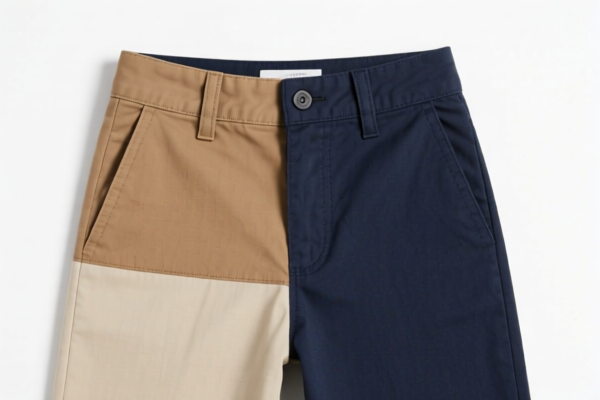
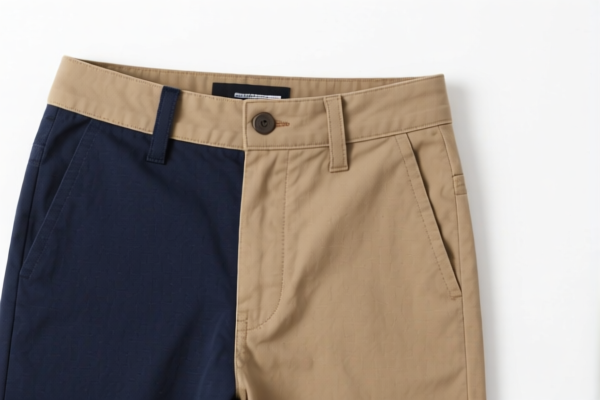
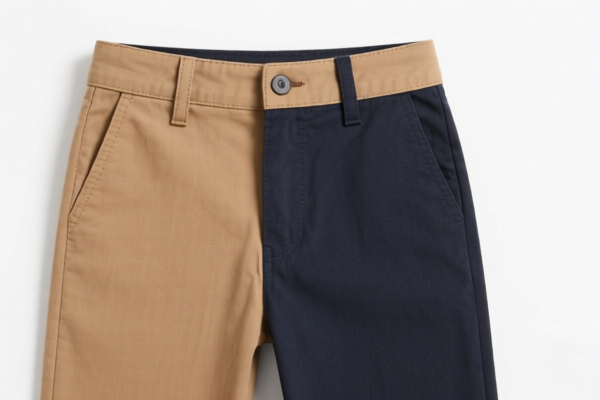
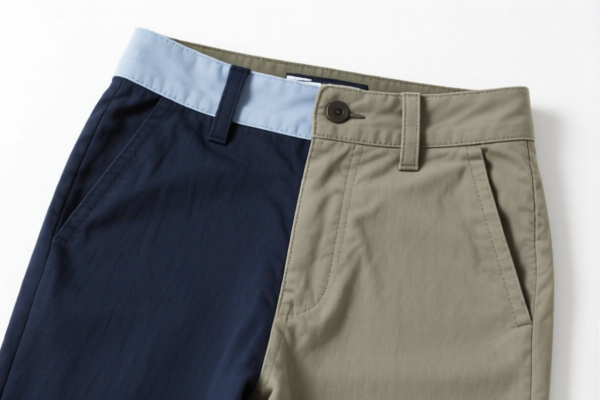
AI分析
👔 Boys' Blended Formal Shirt (Knitted/Woven)
🌐 HS Code Reference & Customs Clearance Guide | 2026 Latest Tariff Analysis | Professional Clearance Strategy
📌 I. Product Definition & Classification: What is a "Blended Formal Shirt"?
A "Boys' Blended Formal Shirt" typically refers to a dress shirt designed for male children, constructed from a mixture of fibers (e.g., Cotton/Polyester, Cotton/Acrylic, etc.). In international trade, the classification hinges on two critical factors: 1. Manufacturing Method: Is it Knitted/Crocheted (Chapter 61) or Woven (Chapter 62)? 2. Material Composition: Which fiber constitutes the majority by weight?
⚠️ Key Distinction:
- If the shirt is knitted or crocheted (stretchy, looped fabric) → Chapter 61.
- If the shirt is woven (flat interlaced threads, classic dress shirt feel) → Chapter 62.
- "Blended": The tariff rate depends on the primary fiber. If cotton is the main component, it falls under cotton subheadings. If synthetic/man-made fibers are dominant, it falls under synthetic subheadings.
📦 II. HS Code Classification Details (2026 Latest Tariff Authority对照)
Based on the provided data, here are the five potential HS Codes and their corresponding rationales for a "Boys' Blended Formal Shirt":
| HS Code | Product Description & Rationale | Application Scenario | Total Tax Rate |
|---|---|---|---|
6105.20.20.10 |
Knitted/Crocheted Men's Boys' Shirts of Cotton/Synthetic Fiber Matches the "formal shirt" usage and form. Material inferred as cotton or man-made fiber. Fits knitted formal shirt characteristics. |
Knitted dress shirt (soft, stretchy) | 42.0% |
6105.20.20.30 |
Hand-Knitted/Crocheted Formal Shirt for Boys Matches formal shirt usage, form is knitted/crocheted. Material inferred as fiber. Fits classification requirements for handmade knitted goods. |
Hand-knitted or high-end crocheted formal shirt | 49.5% |
6205.20.10.00 |
Woven Men's Boys' Shirts (Cotton/Linen/Silk Inferred) Matches formal shirt usage. "Hand-weaving" or traditional weaving craft fits woven characteristics. Material inferred as cotton, linen, or silk. No conflict. |
Woven dress shirt (classic, crisp fabric) | 26.2% |
6205.20.20.26 |
Other Woven Men's Boys' Shirts Matches formal shirt usage and form. Although material is not explicitly stated, it infers a fallback logic for cotton-based items. |
Generic woven shirt, potentially synthetic blend | 37.2% |
6205.30.20.30 |
Woven Shirts of Man-Made Fibers Matches formal shirt usage and form. Material inferred as man-made fibers (polyester, viscose, etc.). Fits classification rules for synthetic blends. |
Synthetic-blend woven shirt (e.g., 65% polyester/35% cotton) | 29.1¢/kg + 25.9% + 10.0% |
🔍 Critical Note:
- Chapter 61 vs. Chapter 62: The biggest cost difference often lies here. Knitted shirts (6105) generally face higher base tariffs (32%) than woven shirts (6205, base 8.7%-19.7%).
- "Hand-Knitted" Surcharge: Code6105.20.20.30has the highest tax (49.5%) due to additional duties. Avoid this unless the product is genuinely hand-crafted.
💰 III. 2026 Latest Tariff Rate Breakdown (Including Add-ons)
✅ Applicable Country: United States (US)
✅ Origin: China (CN)
✅ Effective Time: Current rates include Section 122 and other add-ons.
🎯 1. 6105.20.20.10 — Knitted/Crocheted Shirt (Cotton/Synthetic)
| Item | Content |
|---|---|
| Base Tariff | 32.0% |
| Additional Tariff (Section 301) | 0.0% (Note: Data shows 0.0%, likely due to specific exclusions or recent adjustments, but check latest USITC lists) |
| Section 122 Tariff | 10.0% |
| Total Effective Tax | 42.0% |
| Calculation | CIF Value × 42.0% |
| De Minimis Exemption | ❌ Not Applicable (High-value formal wear) |
📌 Interpretation:
- The 32% base rate reflects the US protection of domestic textile manufacturing.
- The 10% Section 122 duty is an additional levy on certain textile imports.
- Total 42% is a significant cost factor. Ensure the fabric is truly knitted to justify this code; misclassification can lead to penalties.
🎯 2. 6105.20.20.30 — Hand-Knitted/Crocheted Shirt
| Item | Content |
|---|---|
| Base Tariff | 32.0% |
| Additional Tariff (Section 301) | 7.5% |
| Section 122 Tariff | 10.0% |
| Total Effective Tax | 49.5% |
| Calculation | CIF Value × 49.5% |
📌 Interpretation:
- This is the most expensive option.
- The 7.5% Section 301 tariff is applied in addition to the base and Section 122 duties.
- Avoid this code unless the shirt is explicitly marketed and documented as "hand-knitted." For mass-produced knitted shirts, use6105.20.20.10.
🎯 3. 6205.20.10.00 — Woven Shirt (Cotton/Linen/Silk Inferred)
| Item | Content |
|---|---|
| Base Tariff | 8.7% |
| Additional Tariff (Section 301) | 7.5% |
| Section 122 Tariff | 10.0% |
| Total Effective Tax | 26.2% |
| Calculation | CIF Value × 26.2% |
📌 Interpretation:
- Lowest total tax among standard codes.
- The 8.7% base rate is much lower than knitted shirts.
- If the shirt is woven and primarily cotton/linen, this is the most cost-effective clearance path.
- Requirement: Must be woven fabric, not knitted.
🎯 4. 6205.20.20.26 — Other Woven Shirt
| Item | Content |
|---|---|
| Base Tariff | 19.7% |
| Additional Tariff (Section 301) | 7.5% |
| Section 122 Tariff | 10.0% |
| Total Effective Tax | 37.2% |
| Calculation | CIF Value × 37.2% |
📌 Interpretation:
- Higher base rate (19.7%) than cotton-specific woven shirts.
- Likely applies to synthetic blends where cotton is not the primary fiber by weight, or a "fallback" category.
- More expensive than6205.20.10.00.
🎯 5. 6205.30.20.30 — Woven Shirt of Man-Made Fibers
| Item | Content |
|---|---|
| Base Tariff | 29.1¢/kg + 25.9% |
| Additional Tariff (Section 301) | 0.0% |
| Section 122 Tariff | 10.0% |
| Total Effective Tax | 29.1¢/kg + 35.9% (approx) |
| Calculation | (Weight × $0.291) + (CIF Value × 35.9%) |
📌 Interpretation:
- Specific vs. Ad Valorem: This code uses a compound rate (specific duty per kg + ad valorem percentage).
- For lightweight shirts, the specific duty may be negligible, but the 25.9% base + 10% Section 122 adds up.
- Suitable if the shirt is primarily made of man-made fibers (polyester, nylon, acrylic) and woven.
🛠️ IV. Customs Clearance Practical Advice (Pitfall Avoidance)
✅ 1. Documentation Checklist (Must-Haves)
| Document | Mandatory | Description |
|---|---|---|
| ✅ Fabric Composition Label | ✔️ | Must clearly state % of each fiber (e.g., "60% Cotton, 40% Polyester"). |
| ✅ Woven vs. Knitted Declaration | ✔️ | Critical. Provide a swatch or technical drawing showing the weave/knit structure. |
| ✅ Product Photos | ✔️ | Show the shirt, tags, and close-ups of the fabric texture. |
| ✅ Commercial Invoice | ✔️ | Clearly state "Boys' Formal Shirt" and the HS Code. |
| ✅ Origin Certificate | ✔️ | If claiming preferential rates under FTAs (though limited for textiles from China). |
✅ 2. Classification Strategy (Key Mnemonics)
🔥 "Woven vs. Knitted, Cotton vs. Synthetic, Hand vs. Machine!"
| Scenario | Correct HS Code | Tax Implication |
|---|---|---|
| Knitted, Machine-Made | 6105.20.20.10 |
42.0% |
| Knitted, Hand-Made | 6105.20.20.30 |
49.5% (High Risk/Cost) |
| Woven, Cotton/Linen Primary | 6205.20.10.00 |
26.2% (Best Option) |
| Woven, Synthetic Primary | 6205.30.20.30 |
Compound Rate |
| Woven, Other Blends | 6205.20.20.26 |
37.2% |
📌 Note:
- Misclassification Risk: Declaring a knitted shirt as woven (6205) to save tax is fraud. US CBP uses fabric analysis.
- "Blended" Means: Check the primary fiber. If cotton > 50%, use cotton codes. If synthetic > 50%, use synthetic codes.
✅ 3. Special Cases
| Case | Handling Advice |
|---|---|
| OEM/Contract Manufacturing | Ensure the invoice matches the supplier's name and the factory's location. |
| Packaging | If shipped with accessories (ties, pocket squares), declare them separately if they have different HS codes. |
| Seasonal Import | High volume during back-to-school season. Pre-clearance is recommended to avoid delays. |
🌍 V. Global Market Comparison (2026)
| Country/Region | Recommended HS Code | Tariff (China Origin) | Key Certification | Notes |
|---|---|---|---|---|
| 🇺🇸 USA | 6205.20.10.00 (Woven) |
26.2% | None specific | High tariffs apply; Section 122 is critical. |
| 🇪🇺 EU | 6105/6205 (Varies) | 12% - 16% | CE (if functional) | Lower base rates but complex rules of origin. |
| 🇨🇳 China (Import) | 6105/6205 | 8% - 13% | GB Standards | Different tariff structure; focus on domestic compliance. |
| 🇦🇺 Australia | 6105/6205 | 5% - 10% | ACCC Labels | No major Section 122 equivalent. |
📌 Conclusion:
- USA is the most expensive market for Chinese-made shirts due to Section 122 and potential Section 301 duties.
- Woven cotton shirts (6205.20.10.00) offer the best cost efficiency in the US.
- Knitted shirts are significantly more expensive due to higher base tariffs.
📌 VI. Common Errors & Pitfalls (Lessons Learned)
❌ Error 1: Declaring a knitted shirt as woven to get a lower 8.7% base rate.
👉 Consequence: CBP inspection will reveal the knit structure. Penalties + Back Taxes + Seizure.
❌ Error 2: Not specifying fiber content.
👉 Consequence: Customs will assign the highest possible tax rate based on the most unfavorable fiber assumption.
❌ Error 3: Using "Hand-Knitted" code for machine-made shirts.
👉 Consequence: Overpayment of tax (49.5% vs 42.0%). No refund for "over-classification."
❌ Error 4: Ignoring Section 122.
👉 Consequence: All textile/apparel imports from China are subject to this 10% levy. Failure to declare leads to 100% penalty.
✅ Correct Declaration Example:
"Boys' Formal Shirt, Woven, 60% Cotton / 40% Polyester, Not Knitted, HS Code 6205.20.10.00, Origin: China"
🎯 VII. Conclusion: Precision Classification Saves Money!
🎯 Remember Mnemonics:
🔹 "Woven is Cheaper than Knitted (62 vs 61)"
🔹 "Cotton is Cheaper than Synthetic (Base 8.7% vs 19.7%+)"
🔹 "Section 122 is 10% on Everything!"
🔹 "Hand-Knitted is the Most Expensive (49.5%)"
📌 Pro Tip:
If your shirt is knitted, try to negotiate with your supplier to switch to a woven fabric if the design allows, as it saves 15.8% in taxes.
For knitted shirts, ensure they are machine-made, not hand-knitted, to save 7.5%.
📣 Immediate Action:
📞 Contact a Customs Broker + Provide Fabric Swatches + Apply for Pre-Ruling
🚀 Clear Your Boys' Formal Shirts Efficiently, Maximize Profits!
✨ Professional Clearance Starts with Accurate Classification!
💼 Every Dollar Counts in Global Trade!
用户评价
关于 HS 编码归类
协调制度(HS)是由世界海关组织(WCO)制定的国际贸易商品分类标准。全球 200 多个国家采用 HS 系统作为海关关税、贸易统计和进出口监管的基础。
每个 HS 编码遵循以下层级结构:
- 章(2 位)——商品大类(例如:第 84 章:机器和机械设备)
- 品目(4 位)——章内的更具体分类
- 子目(6 位)——国际通用细分,所有 WCO 成员国统一使用
- 本国细分(8-10 位)——各国自行扩展的细分编码,如美国 HTSUS 10 位编码
正确的 HS 编码归类对于顺利通关、准确缴纳关税和遵守贸易法规至关重要。错误归类可能导致海关延误、多缴关税或罚款。
从CN进口到US时,适用的关税税率可能包括:
- 最惠国(MFN)税率——适用于 WTO 成员国的标准关税税率
- 普通税率——适用于无贸易协定国家
- 贸易救济关税——附加关税,如 301 条款(反倾销)、232 条款(国家安全)或反补贴税
本页内容仅供参考。如需正式归类,请咨询当地海关或持牌报关代理。