Boys' Business Shirt
CN → US| HS编码 | 关税税率 | 原产国 | 目的国 | 文档 |
|---|---|---|---|---|
| 6105100010 | 29.7% | CN | US | 官方文档 |
| 6203119000 | 35.0% | CN | US | 官方文档 |
| 6203122020 | 44.8% | CN | US | 官方文档 |
| 6103106010 | 26.9% | CN | US | 官方文档 |
| 6203119000 | 35.0% | CN | US | 官方文档 |
商品图片
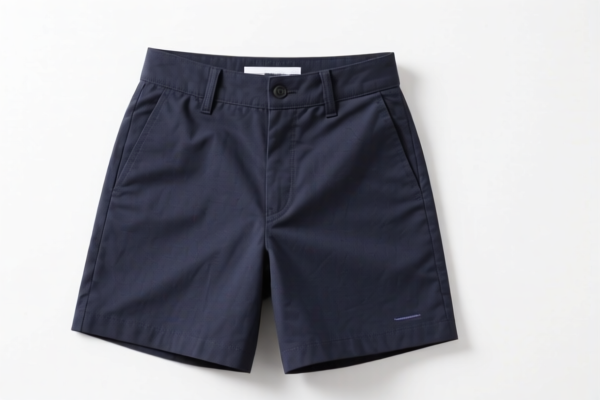
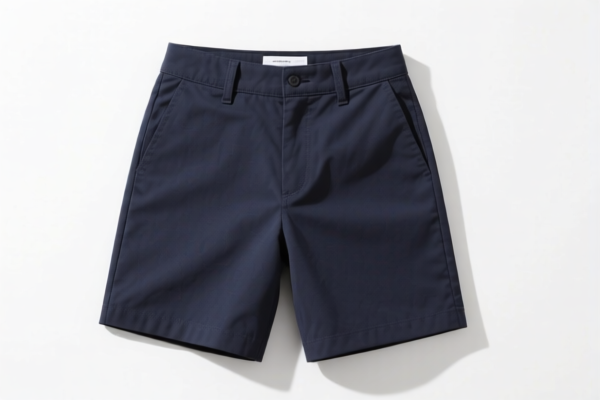
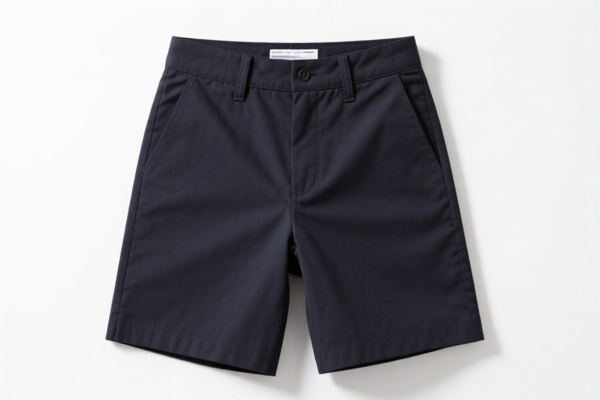
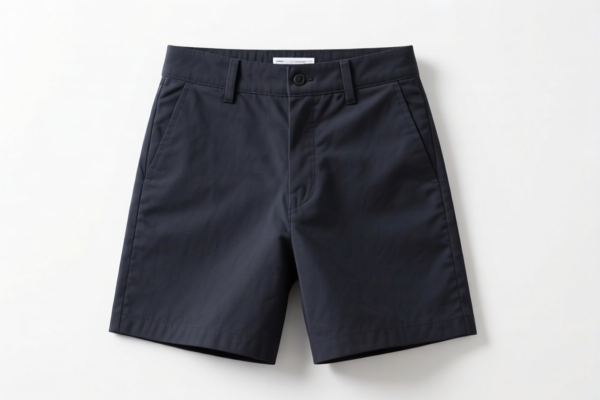
AI分析
👔 Boys' Business Shirts & Suits (Textile Apparel)
🌐 HS Code Reference & Customs Clearance Guide | 2026 Latest Tariff Analysis | Professional Customs Strategy
📌 One, Product Definition and Classification: What exactly are "Boys' Business Shirts" in trade?
In international textile trade, "Boys' Business Shirts" is not a single HS code but a category depending on the material, structure (shirt vs. suit), and gender specification. The customs classification varies significantly based on whether the item is a simple shirt, a formal suit jacket, or a complete suit, and whether it is made of cotton, synthetic fibers, or wool.
⚠️ Key Distinction Points:
- Shirt vs. Suit: A "shirt" (knitted or woven, open front) is classified differently from a "suit" (jacket + trousers, formal wear). - Material Matters: Cotton (natural fiber) often enjoys lower base tariffs than synthetic fibers (chemical fibers). - Gender Specifics: "Boys'" (typically under 14) and "Men's" may fall under similar subheadings, but specific HS codes in the provided data distinguish them by fabric type.
📦 Two, HS Code Classification Details (Based on Provided Data)
Below are the exact HS Codes from your data, categorized by product type and material.
| HS Code | Product Description | Material Inference | Total Tax Rate | Key Tax Components |
|---|---|---|---|---|
6105.10.00.10 |
Men's Cotton Business Casual Shirt (Note: Data lists "Men's" but context is Boys'/Business) |
100% Cotton | 29.7% | Base: 19.7% + 122 Clause: 10% |
6203.11.90.00 |
Boys' Business Suit | Wool or Fine Animal Hair (Inferred) | 35.0% | Base: 17.5% + Add'l: 7.5% + 122 Clause: 10% |
6203.12.20.20 |
Boys' Business Suit | Synthetic Fibers (Inferred) | 44.8% | Base: 27.3% + Add'l: 7.5% + 122 Clause: 10% |
6103.10.60.10 |
Boys' Business Suit Jacket | Cotton or Blended (Inferred) | 26.9% | Base: 9.4% + Add'l: 7.5% + 122 Clause: 10% |
6203.12.20.20 |
Boys' Business Suit | Synthetic or Natural Fiber (Generic) | 44.8% | Base: 27.3% + Add'l: 7.5% + 122 Clause: 10% |
🔍 Important Note:
- HS Code6105.10.00.10refers to knitted/crocheted shirts (Chapter 61). If the shirt is woven (Chapter 62), it would fall under different codes (e.g., 6205). However, your data specifies this code for "Cotton Business Casual Shirts." - HS Code6203.1xrefers to woven suits, ensembles, jackets, and blazers for boys/men. - The data provided includes 122 Clause Tariffs (10%), indicating these goods are likely destined for or sourced under specific trade restrictions (often associated with US-China trade tensions).
💰 Three, 2026 Latest Tariff Rate Breakdown (Detailed Tax Clauses)
✅ Applicable Context: Based on the tax details provided (Base + Add'l + 122 Clause).
✅ Likely Jurisdiction: United States (Due to "122 Clause" and "Section 301" style add-ons).
✅ Effect of "122 Clause": This typically refers to specific punitive tariffs or administrative trade measures.
🎯 1. Cotton Business Casual Shirts (6105.10.00.10)
Best for: Casual office wear, breathable fabrics.
| Item | Detail |
|---|---|
| Base Tariff | 19.7% |
| 122 Clause Tariff | 10.0% |
| Additional Tariff | 0.0% |
| Total Effective Rate | 29.7% |
| Tax Calculation | CIF Value × 29.7% |
| De Minimis Eligibility | ❌ Not Eligible (High tariff items often excluded from small package exemptions) |
| Legal Path | Base Rate → 122 Clause |
📌 Explanation:
- Cotton shirts have a moderate base tariff (19.7%).
- The 10% "122 Clause" is a flat add-on, making the total cost significant.
- No additional "Add'l Tariff" is listed for this specific code in your data, unlike suits.
🎯 2. Boys' Business Suits (Wool/Fine Animal Hair) (6203.11.90.00)
Best for: Formal events, weddings, high-end school uniforms.
| Item | Detail |
|---|---|
| Base Tariff | 17.5% |
| Additional Tariff | 7.5% |
| 122 Clause Tariff | 10.0% |
| Total Effective Rate | 35.0% |
| Tax Calculation | CIF Value × 35.0% |
| De Minimis Eligibility | ❌ Not Eligible |
| Legal Path | Base Rate → Add'l Tariff → 122 Clause |
📌 Explanation:
- Wool suits have a lower base rate (17.5%) than synthetic ones (27.3%).
- However, they incur a 7.5% Additional Tariff, bringing the total to 35%.
- Wool is often preferred if the goal is to minimize total tax compared to synthetic suits (44.8%).
🎯 3. Boys' Business Suits (Synthetic Fibers) (6203.12.20.20)
Best for: Durable, wrinkle-resistant, cost-effective uniforms.
| Item | Detail |
|---|---|
| Base Tariff | 27.3% |
| Additional Tariff | 7.5% |
| 122 Clause Tariff | 10.0% |
| Total Effective Rate | 44.8% |
| Tax Calculation | CIF Value × 44.8% |
| De Minimis Eligibility | ❌ Not Eligible |
| Legal Path | Base Rate → Add'l Tariff → 122 Clause |
📌 Explanation:
- Highest Tax Burden: Synthetic fibers trigger a higher base tariff (27.3%) due to protective tariffs for domestic textile industries.
- Combined with the 7.5% add-on and 10% clause, this is the most expensive category.
🎯 4. Boys' Business Suit Jackets (Cotton/Blend) (6103.10.60.10)
Best for: Separates, casual blazers.
| Item | Detail |
|---|---|
| Base Tariff | 9.4% |
| Additional Tariff | 7.5% |
| 122 Clause Tariff | 10.0% |
| Total Effective Rate | 26.9% |
| Tax Calculation | CIF Value × 26.9% |
| De Minimis Eligibility | ❌ Not Eligible |
| Legal Path | Base Rate → Add'l Tariff → 122 Clause |
📌 Explanation:
- Lowest Tax Rate: Suit jackets (blazers) have a surprisingly low base rate (9.4%).
- This makes separates (jacket + separate pants) potentially cheaper than full suits in terms of duty, if classified as "jackets" rather than "suits."
🛠️ Four, Customs Clearance Practical Advice (Real-World Pitfalls)
✅ 1. Documentation Checklist (Non-Negotiable)
| Document | Required | Purpose |
|---|---|---|
| ✅ Commercial Invoice | ✔️ | Must clearly state: "Boys' Suit," "Material Composition" (e.g., 100% Wool), "Country of Origin." |
| ✅ Packing List | ✔️ | Separate suit jackets from trousers if shipped separately? Clarify packaging. |
| ✅ Product Description | ✔️ | Critical: Specify "Knitted" vs. "Woven." 6105 is Knitted; 6203 is Woven. Mistake here = Customs Delay. |
| ✅ Material Test Report | ✔️ | Proof of fiber content (e.g., "100% Cotton") to justify Base Tariff selection. |
| ✅ Labeling | ✔️ | Must include fiber content, country of origin, and care instructions per destination laws. |
✅ 2. Declaration Tips (Critical Keywords)
🔥 “Be Specific, Avoid Ambiguity!”
| Scenario | Correct Declaration | Wrong Declaration |
|---|---|---|
| Cotton Shirt | "Boys' Knitted Cotton Business Shirt" | "Clothes" or "Shirt" (Too vague) |
| Wool Suit | "Boys' Woven Wool Business Suit" | "Suit" (Material unknown → Highest duty assessment) |
| Synthetic Suit | "Boys' Woven Synthetic Fiber Business Suit" | "Children's Clothing" |
| Suit Jacket | "Boys' Woven Suit Jacket (Not a Full Suit)" | "Full Suit" (If trousers are not included) |
⚠️ Warning:
- If you declare a Woven Suit as a Knitted Shirt (6105), customs will inspect and reclassify, leading to penalties.
- If you declare a Synthetic Suit as Cotton to get a lower base rate, fiber testing will reveal the truth, resulting in back taxes + fines.
✅ 3. Strategy for Cost Optimization
| Strategy | Action | Potential Benefit |
|---|---|---|
| Material Selection | Use Wool instead of Synthetic for suits | Save 9.9% in tax (35% vs 44.8%) |
| Product Structure | Sell Jackets separately from trousers | Tax on Jacket (26.9%) may be lower than Full Suit (44.8%) if trousers are cheap or taxed differently |
| Category Shift | If casual, use Business Casual Shirt (6105.10.00.10) |
Lowest base tax for shirts (19.7%) |
🌍 Five, Global Market Comparison (Contextual Note)
| Market | Typical HS Code for Boys' Suits | Typical Duty | Notes |
|---|---|---|---|
| 🇺🇸 USA | 6203.19 or 6103.33 |
High (Base + 301 + 122 Clause) | Data shows 122 Clause, suggesting US-specific punitive tariffs. |
| 🇪🇺 EU | 6203.19 |
Low/Zero (if preferential) | No "122 Clause"; general MFN rates apply. |
| 🇨🇳 China | 6203.19 |
Moderate | Import duties apply, but no punitive add-ons for domestic production. |
| 🇨🇦 Canada | 6203.19 |
Low | Generally favorable for textile imports from partners. |
📌 Conclusion:
- The 122 Clause Tariff is a unique identifier for US-China trade friction scenarios.
- Always confirm the destination country. If shipping to Europe or Asia, these high tariffs may not apply, and the HS codes would be similar but with 0% or low add-ons.
📌 Six, Common Mistakes & Pitfalls (Lessons Learned)
❌ Mistake 1: Confusing Knitted (61xx) with Woven (62xx).
👉 Result: If a woven shirt is declared as knitted, customs may reject it or impose higher duties due to misclassification.
👉 Fix: Check the fabric construction. Knitted = stretchy, looped (T-shirt style). Woven = crisp, structured (Button-down shirt style).
❌ Mistake 2: Ignoring Material Composition.
👉 Result: Declaring a Synthetic Suit as "Wool" to save tax? Fiber tests will catch this.
👉 Fix: Always include Fiber Content (e.g., "100% Polyester") on the invoice.
❌ Mistake 3: Assuming "Suit" means "Full Set".
👉 Result: Shipping a jacket and trousers separately? Declare them as "Suit Jacket" and "Trousers" respectively.
👉 Fix: Use precise subheadings. Jackets (6103.10.60.10) may have lower duties than full suits.
🎯 Seven, Conclusion: Professional Classification Saves Money!
🎯 Key Takeaways:
🔹 For Shirts:
6105.10.00.10(Cotton) is the best option at 29.7% total tax.
🔹 For Suits:6203.11.90.00(Wool) is cheaper (35.0%) than6203.12.20.20(Synthetic) at 44.8%.
🔹 For Jackets:6103.10.60.10(Cotton/Blend) is the lowest duty item at 26.9%.
🔹 Always include 122 Clause (10%) in your cost calculation.
📌 Pro Tip:
If your product is 100% Wool, you MUST declare it as 6203.11.90.00 to avoid the higher synthetic tax.
If your product is 100% Cotton Shirt, ensure it is Knitted for 6105.10.00.10. If Woven, you may need a different code (not in this list) with potentially different taxes.
📣 Immediate Action:
📞 Provide Fabric Swatches to your customs broker.
📄 Specify "Knitted" or "Woven" on every invoice.
🚀 Optimize Material Choice: Wool over Synthetic for suits to save ~10% in duty!
✨ Customs Compliance: Precision in Classification, Profit in Logistics!
💼 Don't let vague declarations cost you 45% in taxes!
用户评价
关于 HS 编码归类
协调制度(HS)是由世界海关组织(WCO)制定的国际贸易商品分类标准。全球 200 多个国家采用 HS 系统作为海关关税、贸易统计和进出口监管的基础。
每个 HS 编码遵循以下层级结构:
- 章(2 位)——商品大类(例如:第 84 章:机器和机械设备)
- 品目(4 位)——章内的更具体分类
- 子目(6 位)——国际通用细分,所有 WCO 成员国统一使用
- 本国细分(8-10 位)——各国自行扩展的细分编码,如美国 HTSUS 10 位编码
正确的 HS 编码归类对于顺利通关、准确缴纳关税和遵守贸易法规至关重要。错误归类可能导致海关延误、多缴关税或罚款。
从CN进口到US时,适用的关税税率可能包括:
- 最惠国(MFN)税率——适用于 WTO 成员国的标准关税税率
- 普通税率——适用于无贸易协定国家
- 贸易救济关税——附加关税,如 301 条款(反倾销)、232 条款(国家安全)或反补贴税
本页内容仅供参考。如需正式归类,请咨询当地海关或持牌报关代理。