Boys' Insulated Overalls
CN → US| HS编码 | 关税税率 | 原产国 | 目的国 | 文档 |
|---|---|---|---|---|
| 6111301000 | 45.7% | CN | US | 官方文档 |
| 6209203000 | 32.4% | CN | US | 官方文档 |
| 6104631010 | 32.4% | CN | US | 官方文档 |
| 6104621010 | 27.8% | CN | US | 官方文档 |
商品图片
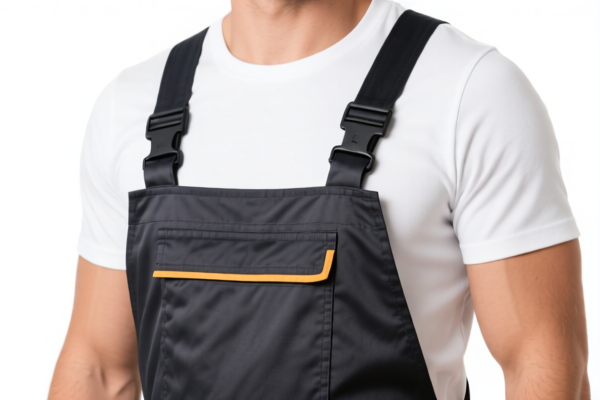
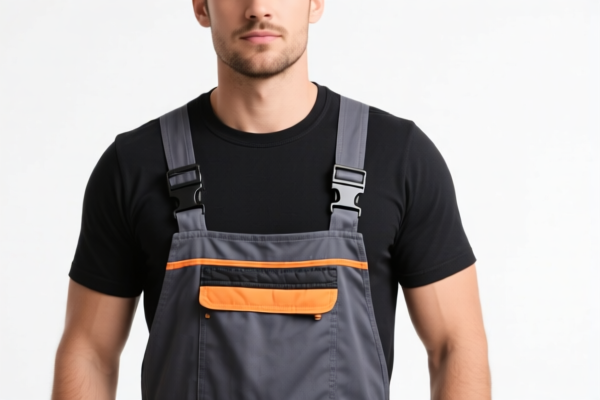
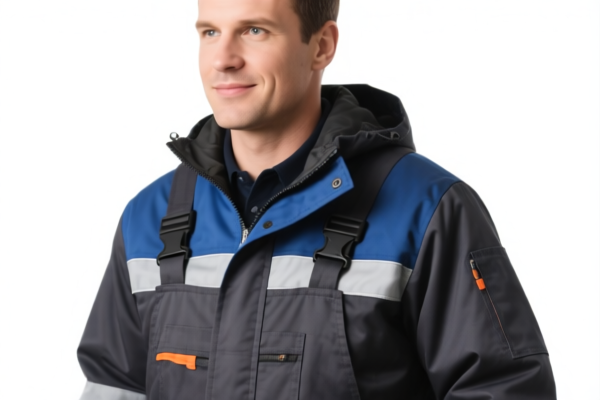

AI分析
🧸 Boys' Insulated Overalls (Protective Coveralls for Kids)
🌐 HS Code Classification & Duty Guide | 2026 Tariff Breakdown | Smart Customs Strategy
📌 I. Product Definition: What Exactly Are "Boys' Insulated Overalls"?
"Boys' Insulated Overalls" (often styled as snowsuits, bib-and-brace overalls, or winter boiler suits) are specialized children's outerwear designed for cold weather. Their classification hinges on two critical factors: 1. Construction Method: Are they Knitted (stretched, flexible, like fleece) or Woven (stiff, structured, like denim or corduroy)? 2. Material Composition: Are they made of Cotton, Synthetic Fibers (Polyester/Nylon), or are they a Textile Garment in the general sense?
⚠️ Key Classification Logic:
- If Knitted + Synthetic (e.g., polyester fleece) → Goes to 6104.63.10.10
- If Knitted + Cotton → Goes to 6104.62.10.10
- If Woven + Cotton → Goes to 6209.20.30.00
- If Woven + General Textile (Non-Cotton/Synthetic blend) → Goes to 6111.30.10.00 (Note: This code often captures broader textile categories including specific children's wear not fully covered by the others).
📦 II. HS Code Classification Details (2026 Authorized Reference)
| HS Code | Product Description | Material/Construction Inference | Key Features |
|---|---|---|---|
| 6111.30.10.00 | Girls' (or Children's) Overalls, Knitted/Woven, Textile Garment | General Textile/Composite | Broader category; often used when specific fiber content doesn't fit the top cotton/synthetic exclusives. |
| 6209.20.30.00 | Boys' Insulated Overalls, Woven, Cotton/Cotton-blend | Woven + Cotton | Structured fabric (like denim/canvas), warm lining, distinct "bib" style. |
| 6104.63.10.10 | Boys' Insulated Overalls, Knitted, Synthetic Fiber | Knitted + Synthetic | Flexible, stretchy fabric (e.g., fleece or polyester shells), common in modern snowsuits. |
| 6104.62.10.10 | Boys' Insulated Overalls, Knitted, Cotton | Knitted + Cotton | Soft, warm, stretchy cotton-based overalls. |
🔍 Critical Reminder:
- Knitted vs. Woven: This is the #1 source of classification errors. Check the fabric weave! Knitted = stretchy (Chapter 61); Woven = structured (Chapter 62).
- Chapter 61 vs. Chapter 62: Chapter 61 is for knitted/tricot, Chapter 62 is for woven/non-knitted.
- Children's Specifics: Note the specific sub-headings for "Boys" or "Girls" as tariffs differ by gender in some contexts, though here the focus is on material.
💰 III. 2026 Tariff Rate Breakdown (USA Market | China Origin)
✅ Applicable Market: United States (US)
✅ Country of Origin: China (CN)
✅ Effective Date: November 10, 2025 (and ongoing)
🎯 1. 6111.30.10.00 — General Textile/Children's Garment (Knitted/Woven)
| Item | Detail |
|---|---|
| Base Tariff | 28.2% |
| Section 301 (Additional) | +7.5% |
| Section 122 (Section 301) | +10% |
| Total Duty Rate | 45.7% |
| Tax Calculation | CIF Value × 45.7% |
| De Minimis Exemption | ❌ NO (Subject to strict 301 rules) |
| Legal Basis | 301-Section 122, 301-Section 7.5, Base 28.2% |
📌 Explanation:
- The 45.7% total is a heavy penalty rate.
- The 7.5% is the standard Section 301 surcharge on many Chinese textiles.
- The 10% is the specific "122 Clause" tariff targeting children's apparel and specific textiles.
- No De Minimis: Small package exemptions do not apply here due to the Section 301 status.
🎯 2. 6209.20.30.00 — Woven, Cotton Children's Overalls
| Item | Detail |
|---|---|
| Base Tariff | 14.9% |
| Section 301 (Additional) | +7.5% |
| Section 122 (Section 301) | +10% |
| Total Duty Rate | 32.4% |
| Tax Calculation | CIF Value × 32.4% |
| De Minimis Exemption | ❌ NO |
| Legal Basis | 301-Section 122, 301-Section 7.5, Base 14.9% |
📌 Explanation:
- Woven cotton items have a lower base tariff (14.9%) compared to the broader textile category.
- However, the 32.4% total is still very high due to the combined Section 301 and 122 clauses.
🎯 3. 6104.63.10.10 — Knitted, Synthetic Fiber Overalls
| Item | Detail |
|---|---|
| Base Tariff | 14.9% |
| Section 301 (Additional) | +7.5% |
| Section 122 (Section 301) | +10% |
| Total Duty Rate | 32.4% |
| Tax Calculation | CIF Value × 32.4% |
| De Minimis Exemption | ❌ NO |
| Legal Basis | 301-Section 122, 301-Section 7.5, Base 14.9% |
📌 Explanation:
- Synthetic knitted overalls (e.g., polyester fleece snowsuits) fall here.
- Like the woven cotton, they attract the 32.4% total rate.
🎯 4. 6104.62.10.10 — Knitted, Cotton Overalls
| Item | Detail |
|---|---|
| Base Tariff | 10.3% |
| Section 301 (Additional) | +7.5% |
| Section 122 (Section 301) | +10% |
| Total Duty Rate | 27.8% |
| Tax Calculation | CIF Value × 27.8% |
| De Minimis Exemption | ❌ NO |
| Legal Basis | 301-Section 122, 301-Section 7.5, Base 10.3% |
📌 Explanation:
- Knitted Cotton offers the lowest total duty of all options at 27.8%.
- This is the most cost-effective HS Code if the product allows for cotton content and a knitted structure.
🛠️ IV. Customs Clearance Practical Advice (Avoiding Pitfalls)
✅ 1. Mandatory Documentation Checklist
| Document | Requirement | Why It Matters |
|---|---|---|
| Technical Specification Sheet | ✔️ Mandatory | Must specify: Fabric Type (Knitted vs. Woven), Fiber Content (% Cotton vs. % Synthetic), and Construction Method. |
| Product Photos (Tag/Seam) | ✔️ Mandatory | Photos of the care label and fabric close-up to prove "Knitted" or "Woven" status. |
| Commercial Invoice | ✔️ Mandatory | Must explicitly state: "Boys' Insulated Overalls" + HS Code + Material Breakdown. |
| Bill of Materials (BOM) | ✔️ Recommended | Shows lining material (insulation) vs. outer shell material. |
| Origin Certificate (CO) | ✔️ Mandatory | Required to prove origin as China (to verify the 301/122 applicability). |
✅ 2. Decleration Strategy (Golden Rules)
🔥 "Fabric First, Material Second, Gender Third!"
| Scenario | Correct HS Code | Wrong Code (Risk) |
|---|---|---|
| Fleece/Polyester Snowsuit (Knitted) | 6104.63.10.10 (32.4%) |
Declared as Woven → Customs audit → Penalty. |
| Denim/Cotton Snowsuit (Woven) | 6209.20.30.00 (32.4%) |
Declared as Knitted → Classification error → Delay. |
| Soft Cotton Overalls (Knitted) | 6104.62.10.10 (27.8%) |
Best Rate Option if possible. |
| Mixed Material (Non-Cotton) | 6111.30.10.00 (45.7%) |
Highest Risk if material doesn't fit other categories. |
⚠️ Warning:
- Do not guess the HS Code based on "Overalls" alone. The Chapter 61 (Knitted) vs. Chapter 62 (Woven) distinction changes the base rate significantly.
- Do not omit the "Insulated" detail. If the insulation makes it a "Sleeping Bag" or "Blanket" (Chapter 94), the classification changes entirely! Ensure it is clearly a garment (with sleeves, legs, bib).
✅ 3. Special Scenarios & Solutions
| Situation | Action Plan |
|---|---|
| Mixed Fibers (e.g., 60% Cotton, 40% Poly) | Check the "Chief Component" rule. If Cotton > 50%, go for Cotton code. If Poly > 50%, go for Synthetic code. |
| Insulation Type (Down vs. Synthetic) | Ensure the HS Code covers the outer shell. Insulation is usually ignored in classification unless it's a "Sleeping Bag". |
| High Duty Concern | Consider sourcing from Vietnam, Mexico, or Turkey where Section 301 (10% + 7.5%) might not apply, reducing total duty to near 0%~15%. |
| Sample Imports | Even for samples, declare the HS Code and pay the duty; De Minimis ($800) does not apply to Section 301/122 goods. |
🌍 V. Global Market Comparison (2026 Context)
| Region | Recommended HS Code | Total Duty (China Origin) | Notes |
|---|---|---|---|
| 🇺🇸 USA | See Above (61/62) | 27.8% ~ 45.7% | Highest Cost: Heavy 301 + 122 penalties. |
| 🇪🇺 EU | 6104/6209 Series | 6% ~ 12% | No Section 301/122; lower base rates. |
| 🇯🇵 Japan | 6104/6209 Series | 10% ~ 15% | Moderate rates, no Section 301. |
| 🇨🇦 Canada | 6104/6209 Series | 5% ~ 10% | CUSMA/FTA benefits possible if origin is Canada/Mexico. |
📌 Conclusion:
The USA market is the most expensive due to the "Section 122" + "Section 301" double layer of tariffs.
Strategy: If possible, shift supply chain to non-China origins for the US market to avoid the 45.7% peak.
📌 VI. Common Mistakes & "Blood and Tears" Lessons
❌ Mistake 1: Declaring "Knitted" when it's "Woven" (or vice versa).
👉 Result: Customs audit, detention, and potential fines. Tax difference is 0, but risk is 100%.
❌ Mistake 2: Assuming "Insulated" means "Blanket" (Chapter 94).
👉 Result: Wrong classification leads to delayed release and storage fees. Ensure it is a "Garment" (has sleeves/legs).
❌ Mistake 3: Ignoring the "Section 122" clause.
👉 Result: Underestimating the total duty by 10%. A $10k shipment becomes $4,570 tax instead of $3,570.
❌ Mistake 4: Using "Children's Overalls" as the only description without fiber content.
👉 Result: Customs cannot determine the base rate (10.3% vs 14.9% vs 28.2%). Shipment stalled.
✅ Best Practice:
"Declare: Boys' Insulated Bib Overalls, Knitted Cotton, 100% Cotton, Model XYZ, US Origin China."
Always attach a photo of the fabric weave and care label!
🎯 VII. Final Verdict: Strategic Shipping
🎯 Remember the Formula:
Total Duty = Base Tariff (10.3~28.2%) + 301 (7.5%) + Section 122 (10%)
- Lowest Cost: Knitted Cotton (
6104.62.10.10) @ 27.8% - Highest Cost: General Textile (
6111.30.10.00) @ 45.7%
🚀 Action Plan: 1. Verify Fabric: Is it Knitted or Woven? Is it Cotton or Synthetic? 2. Calculate: Apply the 27.8% ~ 45.7% rate to your CIF value. 3. Optimize: If the margin is thin, consider sourcing from Vietnam/Mexico to bypass the Section 122 and Section 301 tariffs. 4. Document: Prepare a Detailed Tech Pack including fiber content and weave type.
✨ Precision in Classification = Savings in Cost!
💼 Don't let "Overalls" cost you half your profit!
用户评价
关于 HS 编码归类
协调制度(HS)是由世界海关组织(WCO)制定的国际贸易商品分类标准。全球 200 多个国家采用 HS 系统作为海关关税、贸易统计和进出口监管的基础。
每个 HS 编码遵循以下层级结构:
- 章(2 位)——商品大类(例如:第 84 章:机器和机械设备)
- 品目(4 位)——章内的更具体分类
- 子目(6 位)——国际通用细分,所有 WCO 成员国统一使用
- 本国细分(8-10 位)——各国自行扩展的细分编码,如美国 HTSUS 10 位编码
正确的 HS 编码归类对于顺利通关、准确缴纳关税和遵守贸易法规至关重要。错误归类可能导致海关延误、多缴关税或罚款。
从CN进口到US时,适用的关税税率可能包括:
- 最惠国(MFN)税率——适用于 WTO 成员国的标准关税税率
- 普通税率——适用于无贸易协定国家
- 贸易救济关税——附加关税,如 301 条款(反倾销)、232 条款(国家安全)或反补贴税
本页内容仅供参考。如需正式归类,请咨询当地海关或持牌报关代理。