Boys' Oxford Formal Shirt Handmade
CN → US| HS编码 | 关税税率 | 原产国 | 目的国 | 文档 |
|---|---|---|---|---|
| 6205202031 | 37.2% | CN | US | 官方文档 |
| 6205201000 | 26.2% | CN | US | 官方文档 |
| 6105202030 | 49.5% | CN | US | 官方文档 |
| 6105100030 | 37.2% | CN | US | 官方文档 |
| 6105100020 | 37.2% | CN | US | 官方文档 |
商品图片
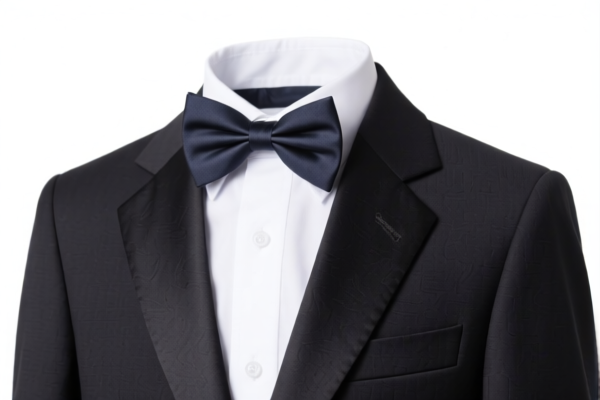
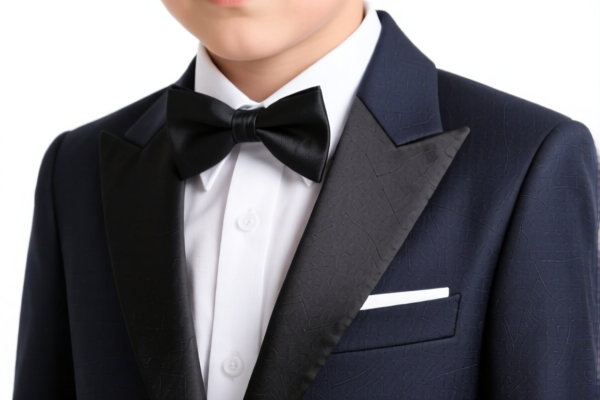
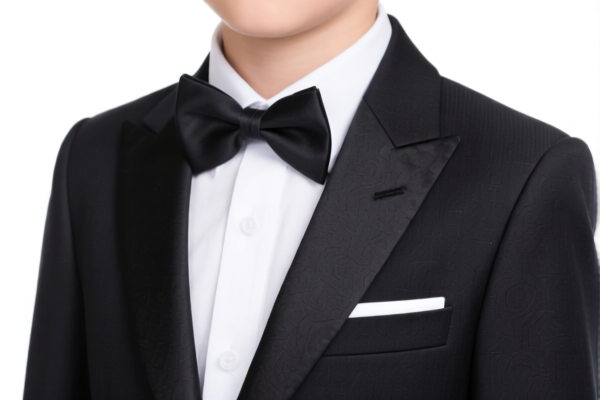

AI分析
👔 Boys' Oxford Formal Shirt (Handmade)
🌐 HS Code Reference & Customs Clearance Guide | 2026 Latest Tariff Analysis | Professional Clearance Strategy
📌 I. Product Definition & Classification: Understanding the "Handmade Oxford Shirt"
A "Boys' Oxford Formal Shirt Handmade" presents a unique classification challenge in international trade. It sits at the intersection of textile material, knitting/weaving structure, and craftsmanship. In customs terms, the key differentiator is whether the garment is classified as "Knitted/Crocheted" (Chapter 61) or "Woven" (Chapter 62), and specifically, whether the "handmade" aspect triggers specific cultural or craft exemptions.
⚠️ Key Distinction Point:
- If the shirt is knitted or crocheted (looped yarn structure) → Falls under Chapter 61.
- If the shirt is woven (interlaced threads) and fits the definition of "handmade folk craft" → Falls under Chapter 62.
- "Oxford" refers to the fabric weave (basket weave), but the manufacturing method (hand-knit vs. hand-weave) determines the HS Code.
📦 II. HS Code Classification Details (2026 Latest Tariff Authority Comparison)
Based on the provided data, here are the 5 potential HS Codes and their corresponding tax implications.
| HS Code | Product Description | Application Scenario | Total Tax Rate |
|---|---|---|---|
6205.20.20.31 |
Boys' handmade woven formal shirt; cotton/fiber blend; matches boys' dress shirt usage | Woven fabric (Oxford cloth), declared as formal wear, cotton-based | 37.2% |
6205.20.10.00 |
Boys' handmade woven formal shirt; fits boys' shirt category; handmade matches woven craft/folk product features | Woven fabric, explicitly declared as "handmade craft" or "folk product" | 26.2% |
6105.20.20.30 |
Boys' handmade formal shirt; knitted/crocheted form; boys' usage; fiber-based material | Knitted or Crocheted structure, fiber-based material | 49.5% |
6105.10.00.30 |
Boys' handmade formal shirt; woven form (note: data says "woven form" but HS 61 is knit/crochet); boys' usage; cotton material | Discrepancy Note: HS 61 is for knitted. If actually knitted cotton, this code applies. | 37.2% |
6105.10.00.20 |
Oxford cotton men's shirt; Oxford cotton material; shirt form; men's usage | Mismatch Note: Declared as "Men's" despite product being "Boys'". Likely incorrect for boys' item. | 37.2% |
🔍 Critical Analysis:
- Codes 6205.xx (Woven): Suitable for traditional Oxford cloth (woven). The "Handmade" aspect may allow for a lower base tariff if declared as a "folk craft" (6205.20.10.00).
- Codes 6105.xx (Knitted/Crocheted): Suitable if the "handmade" aspect implies knitting (e.g., hand-knit sweater-style shirt). These generally have higher base tariffs.
- Code 6105.10.00.20 is risky because it specifies "Men's" (men's usage), while the product is "Boys'". Misdeclaration here can lead to penalties.
💰 III. 2026 Latest Tariff Rate Breakdown (Including Surcharges & Policy Add-ons)
✅ Applicable Country: United States (US)
✅ Origin: China (CN)
✅ Effective Date: 2025 onwards (Includes Section 301 & IEEPA surcharges)
The tax details provided in the data show three components:
1. Base Tariff (Standard USITC rate)
2. Additional Tariff (Section 301 Trade Act)
3. Section 122 Tariff (Specific provision mentioned in data)
🎯 1. 6205.20.20.31 – Woven Formal Shirt (Cotton/Fiber, General)
| Item | Content |
|---|---|
| Base Tariff | 19.7% |
| Section 301 Surcharge | +7.5% |
| Section 122 Tariff | +10% |
| Total Rate | 37.2% |
| Calculation | CIF Value × 37.2% |
| De Minimis Exemption | ❌ Not Eligible (Value > $800 threshold for Section 301 applies) |
| Legal Path | HTSUS:6205.20.20.31 → USITC:Footnote → Section 301:122 |
📌 Explanation:
- This is the standard "Woven Boys' Shirt" classification.
- No "handmade craft" discount applied, hence the higher base tariff (19.7% vs. 8.7%).
- Subject to all three surcharges.
🎯 2. 6205.20.10.00 – Woven Formal Shirt (Handmade Craft/Folk Product)
| Item | Content |
|---|---|
| Base Tariff | 8.7% |
| Section 301 Surcharge | +7.5% |
| Section 122 Tariff | +10% |
| Total Rate | 26.2% |
| Calculation | CIF Value × 26.2% |
| De Minimis Exemption | ❌ Not Eligible |
| Legal Path | HTSUS:6205.20.10.00 → USITC:Craft/Folk Exemption → Section 301:122 |
📌 Explanation:
- Best Option for Cost Savings!
- The base tariff is significantly lower (8.7%) because it recognizes the item as a "handmade folk product" or "craft".
- Condition: Must provide proof of handmade origin (e.g., artisan certification, detailed photos of hand-weaving/knotting).
- Savings: 11% less total tax compared to code6205.20.20.31.
🎯 3. 6105.20.20.30 – Knitted/Crocheted Shirt (Fiber-Based)
| Item | Content |
|---|---|
| Base Tariff | 32.0% |
| Section 301 Surcharge | +7.5% |
| Section 122 Tariff | +10% |
| Total Rate | 49.5% |
| Calculation | CIF Value × 49.5% |
| De Minimis Exemption | ❌ Not Eligible |
| Legal Path | HTSUS:6105.20.20.30 → USITC:Knitted → Section 301:122 |
📌 Explanation:
- Highest Tax Rate.
- Knitted garments generally face higher base tariffs than woven ones.
- Only use if the shirt is actually knitted (not woven). Misclassifying a woven shirt as knitted to seek lower rates is dangerous; however, here the rate is higher, so no incentive to misclassify.
🎯 4. 6105.10.00.30 – Knitted/Crocheted Cotton Shirt
| Item | Content |
|---|---|
| Base Tariff | 19.7% |
| Section 301 Surcharge | +7.5% |
| Section 122 Tariff | +10% |
| Total Rate | 37.2% |
| Calculation | CIF Value × 37.2% |
| De Minimis Exemption | ❌ Not Eligible |
| Legal Path | HTSUS:6105.10.00.30 → USITC:Knitted Cotton |
📌 Explanation:
- Same total rate as6205.20.20.31.
- Use only if the item is Knitted and Cotton.
🎯 5. 6105.10.00.20 – Oxford Cotton Men's Shirt
| Item | Content |
|---|---|
| Base Tariff | 19.7% |
| Section 301 Surcharge | +7.5% |
| Section 122 Tariff | +10% |
| Total Rate | 37.2% |
| Calculation | CIF Value × 37.2% |
| De Minimis Exemption | ❌ Not Eligible |
| Legal Path | HTSUS:6105.10.00.20 → USITC:Men's |
📌 Warning:
- Incorrect Classification Risk: The product is "Boys'", but this code is for "Men's".
- While the tax rate is the same, declaring a boys' shirt as men's can lead to customs seizures for misdeclaration of age group/size category. Avoid this code unless the product is unisex and legally classified as men's in the target market.
🛠️ IV. Customs Clearance Practical Advice (Real-World Pitfall Guide)
✅ 1. Documentation Checklist (Essential)
| Document | Required | Note |
|---|---|---|
| ✅ Product Description | ✔️ | Must specify "Handmade", "Oxford", "Boys' Formal Shirt" |
| ✅ Fabric Composition | ✔️ | Specify Cotton, Polyester, or Blend. Crucial for Chapter 61 vs 62. |
| ✅ Manufacturing Method | ✔️ | Critical: State "Hand-Woven" vs "Hand-Knitted". This determines 62 vs 61. |
| ✅ Handmade Certification | ✔️ | If claiming code 6205.20.10.00, provide artisan proof or photos of the process. |
| ✅ Commercial Invoice | ✔️ | Clearly state "Boys' Size" and "Formal Wear". |
| ✅ Origin Certificate | ✔️ | Required for Section 301 determination. |
✅ 2. Declaration Tips (Key Mnemonics)
🔥 “Handmade Craft? Claim 26%! Wrong Code? Pay 49%!”
| Scenario | Correct HS Code | Incorrect Action | Consequence |
|---|---|---|---|
| Woven Oxford, Handmade Craft | 6205.20.10.00 |
Declare as standard woven 6205.20.20.31 |
Pay 11% more tax unnecessarily |
| Knitted/Crocheted, Cotton | 6105.10.00.30 |
Declare as woven | Penalty for misclassification |
| Boys' Shirt | Any 6205 or 6105 (Boys') |
Declare as Men's 6105.10.00.20 |
Seizure or fine for wrong age group |
| Formal Dress Shirt | 6205.xx |
Declare as casual t-shirt | Risk of audit for product mismatch |
✅ 3. Special Handling
| Situation | Recommendation |
|---|---|
| OEM Custom Orders | Provide design specs showing "Oxford Weave" (for Chapter 62) or "Knit Stitch" (for Chapter 61). |
| Mixed Material | If >50% cotton, cotton content dictates classification. If mixed, use the dominant fiber. |
| "Handmade" Claims | Be prepared for customs inspection. If "handmade" is a marketing term but machine-made, you must use the standard rate (19.7% base) and cannot use 6205.20.10.00. |
🌍 V. Global Market Comparison (2026)
| Country/Region | Recommended HS Code | Tariff | Certification | Note |
|---|---|---|---|---|
| 🇺🇸 USA | 6205.20.10.00 (if handmade) |
26.2% (Best) | None | High Section 301 taxes apply |
| 🇨🇳 China | 6205.20.20.30 |
5-8% | CCC | Lower base tariffs, no Section 301 |
| 🇪🇺 EU | 6205.20.20.00 |
12% | CE (if textiles) | No Section 301, but standard EU duty |
| 🇬🇧 UK | 6205.20.20.00 |
12% | UKCA | Post-Brexit rules apply |
| 🇯🇵 Japan | 6205.20.20.00 |
16% | None | Standard MFN rate |
📌 Conclusion:
- The US market has the highest effective tariff due to Section 301 and IEEPA.
- Optimization Opportunity: Leveraging the "Handmade Folk Product" code (6205.20.10.00) saves 11% total duty compared to standard woven codes.
- Knitted shirts are significantly more expensive to import into the US (49.5%). Ensure you are not misclassifying woven shirts as knitted just to avoid Section 301 (this doesn't work; Section 301 applies to both).
📌 VI. Common Errors & Pitfall Guide (Lessons Learned)
❌ Error 1: Declaring a Machine-Made Oxford Shirt as "Handmade"
👉 Result: Customs rejects the 26.2% rate, back-charges 37.2%, and fines for fraud.
✅ Fix: Only use 6205.20.10.00 if genuinely handmade.
❌ Error 2: Using Men's Code (6105.10.00.20) for Boys' Shirt
👉 Result: Customs flag for misdeclaration. Even if tax is same, age-group mismatch is a compliance violation.
✅ Fix: Use Boys-specific codes (6205 or 6105 with Boys' subcategory).
❌ Error 3: Confusing Oxford Weave (Woven) with Knit
👉 Result: If you declare a woven Oxford shirt as Knitted (6105), customs may demand higher taxes or reject.
✅ Fix: Oxford cloth is Woven (Chapter 62). Unless it's a "Knitted Oxford-style," it should be 6205.
❌ Error 4: Ignoring Section 301 Surcharges
👉 Result: Underestimating landed cost by 7.5% - 10%.
✅ Fix: Always include 37.2% (or 26.2%) as the total landed cost factor for US imports.
🎯 VII. Conclusion: Smart Classification, Lower Costs, Faster Clearance
🎯 Remember the Key Takeaways:
🔹 "Handmade Craft? Claim 26.2% – Save 11%!"
🔹 "Oxford is Woven – Use Chapter 62, Not 61."
🔹 "Boys' Code is Mandatory – Don't Use Men's."
🔹 "US Tariff is High – Plan for 26%–49% Landed Cost."
📌 Pro Tip:
If your "Handmade" claim is weak, stick to 6205.20.20.31 (37.2%). The risk of audit and penalty outweighs the 11% savings.
Always provide photos of the stitching/weaving to prove handmade status if claiming the lower rate.
📣 Immediate Action:
📞 Contact Customs Broker: Confirm "Handmade" definition with US CBP.
📸 Photograph Products: Show close-ups of hand-woven/knitted texture.
🚀 Optimize Supply Chain: If possible, shift to "Woven Handmade" (6205.20.10.00) for the best US duty rate.
✨ Professional Clearance Starts with Accurate Classification!
💼 Every Percent of Duty Saved is Pure Profit!
用户评价
关于 HS 编码归类
协调制度(HS)是由世界海关组织(WCO)制定的国际贸易商品分类标准。全球 200 多个国家采用 HS 系统作为海关关税、贸易统计和进出口监管的基础。
每个 HS 编码遵循以下层级结构:
- 章(2 位)——商品大类(例如:第 84 章:机器和机械设备)
- 品目(4 位)——章内的更具体分类
- 子目(6 位)——国际通用细分,所有 WCO 成员国统一使用
- 本国细分(8-10 位)——各国自行扩展的细分编码,如美国 HTSUS 10 位编码
正确的 HS 编码归类对于顺利通关、准确缴纳关税和遵守贸易法规至关重要。错误归类可能导致海关延误、多缴关税或罚款。
从CN进口到US时,适用的关税税率可能包括:
- 最惠国(MFN)税率——适用于 WTO 成员国的标准关税税率
- 普通税率——适用于无贸易协定国家
- 贸易救济关税——附加关税,如 301 条款(反倾销)、232 条款(国家安全)或反补贴税
本页内容仅供参考。如需正式归类,请咨询当地海关或持牌报关代理。