Boys' Shantou Cloth Shirt Handmade
CN → US| HS编码 | 关税税率 | 原产国 | 目的国 | 文档 |
|---|---|---|---|---|
| 6211325060 | 25.6% | CN | US | 官方文档 |
| 6105100030 | 37.2% | CN | US | 官方文档 |
| 6105202030 | 49.5% | CN | US | 官方文档 |
| 6205201000 | 26.2% | CN | US | 官方文档 |
| 6205202031 | 37.2% | CN | US | 官方文档 |
商品图片
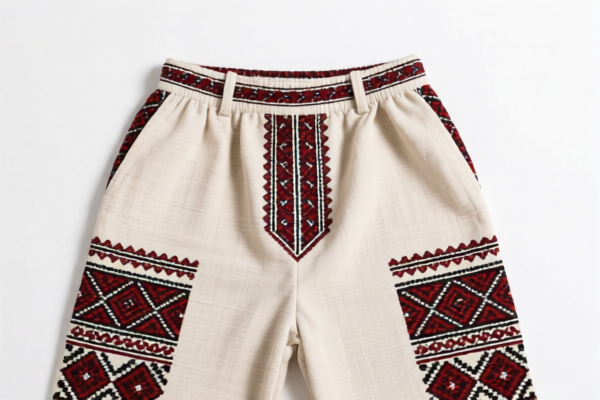
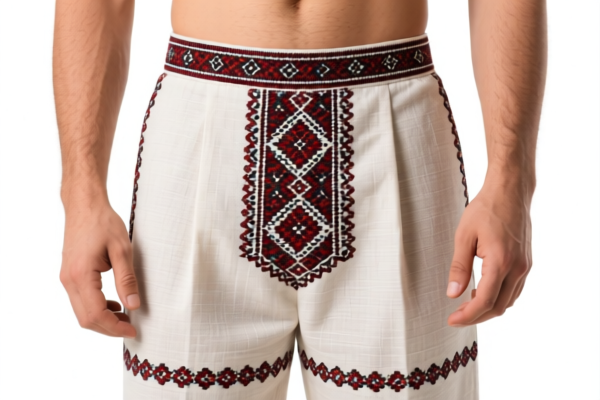
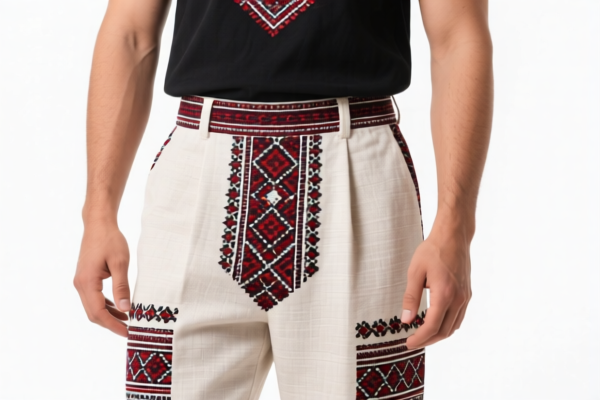
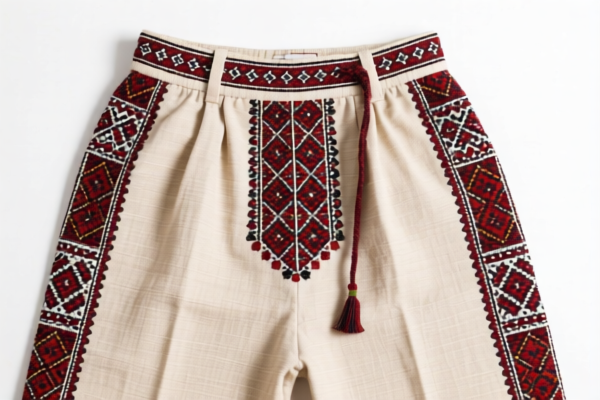
AI分析
👕 Boys' Shantou Cloth Shirt: Handmade Cotton Import Guide (USA)
🌐 HS Code Classification & Customs Clearance Strategy | 2026 Latest Tariff Analysis | Professional Compliance Guide
📌 Product: Boys' Shantou Cloth Shirt (Handmade, Cotton)
Shantou cloth (also known as Songli or high-quality linen/cotton blend) is a traditional, durable, and breathable fabric. When imported into the USA as a boys' shirt, the classification depends heavily on the knit vs. woven distinction and the specific material composition.
⚠️ Critical Distinction:
- Woven (Non-Knit): The fabric is woven on a loom. Typically classified in Chapter 62.
- Knitted/Hooked: The fabric is knitted. Typically classified in Chapter 61.
- "Handmade": Does NOT exempt you from tariffs. It may affect valuation but not the HS Code or tariff rate for duty purposes.
- Target Market: United States (US)
- Origin: China (CN)
📦 1. HS Code Classification Matrix (Based on Data)
Below are the 5 possible HS Codes for your product, depending on the exact construction and material. The tax rates vary significantly due to Section 301 and Section 122 tariffs.
| HS Code | Classification Basis | Product Description | Total Tax Rate | Key Tariff Components |
|---|---|---|---|---|
6211.32.50.60 |
Woven, Synthetic Blend | Boys' shirt, woven, "Shantou" cloth (interpreted as synthetic/blended for this code), handmade, sport/daily outerwear | 25.6% | Base: 8.1% Add'l (Sec 301): 7.5% Add'l (Sec 122): 10% |
6105.10.00.30 |
Knitted, 100% Cotton | Boys' shirt, knitted/hooked, 100% cotton | 37.2% | Base: 19.7% Add'l (Sec 301): 7.5% Add'l (Sec 122): 10% |
6105.20.20.30 |
Knitted, Cotton Blend | Boys' shirt, knitted/hooked, cotton or mixed fibers (catch-all for other knitted shirts) | 49.5% | Base: 32.0% Add'l (Sec 301): 7.5% Add'l (Sec 122): 10% |
6205.20.10.00 |
Woven, 100% Cotton | Boys' shirt, woven, 100% cotton, for boys | 26.2% | Base: 8.7% Add'l (Sec 301): 7.5% Add'l (Sec 122): 10% |
6205.20.20.31 |
Woven, Cotton Blend | Boys' shirt, woven, cotton blend, for boys | 37.2% | Base: 19.7% Add'l (Sec 301): 7.5% Add'l (Sec 122): 10% |
🔍 Why So Many Codes?
- Chapter 61 vs. 62: Knitted (61) vs. Woven (62). Shantou cloth is often woven, making6211or6205more likely.
- Material: 100% Cotton (6205.20.10) vs. Blend (6205.20.20or6211.32).
- Use: "Sport/Daily Outerwear" (6211) vs. General "Shirts" (6205).
💰 2. Detailed Tariff Breakdown & Legal Basis
✅ Applicable To: Imports from China to the USA
✅ Effective Date: Current (2026)
✅ Structure: Base Tariff + Section 301 Tariff + Section 122 Tariff
🎯 Case 1: 6205.20.10.00 – LOWEST COST OPTION (If 100% Cotton Woven)
If your Shantou cloth is 100% Cotton and Woven, this is the best code.
| Component | Rate | Legal Source |
|---|---|---|
| Base Tariff | 8.7% | USITC General Tariff |
| Section 301 (China Add'l) | 7.5% | 19 U.S.C. § 1677j |
| Section 122 Tariff | 10% | Trade Act of 1974, § 122 |
| TOTAL RATE | 26.2% |
📌 Explanation:
- Base (8.7%): Standard MFN rate for men's/boys' cotton shirts.
- Sec 301 (7.5%): Additional tariff on Chinese goods to address unfair trade practices.
- Sec 122 (10%): Temporary tariff to improve US balance of payments.
- Total: 8.7 + 7.5 + 10 = 26.2%.
🎯 Case 2: 6211.32.50.60 – WOVEN, SYNTHETIC/BLEND (Sport/Outerwear)
If the shirt is considered "outerwear" or "sportswear" and is a blend.
| Component | Rate | Legal Source |
|---|---|---|
| Base Tariff | 8.1% | USITC General Tariff |
| Section 301 (China Add'l) | 7.5% | 19 U.S.C. § 1677j |
| Section 122 Tariff | 10% | Trade Act of 1974, § 122 |
| TOTAL RATE | 25.6% |
📌 Explanation:
- Base (8.1%): Slightly lower than pure cotton shirts.
- Sec 301 & 122: Same as above.
- Total: 8.1 + 7.5 + 10 = 25.6%.
🎯 Case 3: 6105.10.00.30 – KNITTED, 100% COTTON
If the "Shantou cloth" is actually a knit fabric (less common for traditional Shantou, but possible).
| Component | Rate | Legal Source |
|---|---|---|
| Base Tariff | 19.7% | USITC General Tariff |
| Section 301 (China Add'l) | 7.5% | 19 U.S.C. § 1677j |
| Section 122 Tariff | 10% | Trade Act of 1974, § 122 |
| TOTAL RATE | 37.2% |
📌 Explanation:
- Base (19.7%): Higher base rate for knitted cotton shirts.
- Sec 301 & 122: Same.
- Total: 19.7 + 7.5 + 10 = 37.2%.
🎯 Case 4: 6205.20.20.31 – WOVEN, COTTON BLEND
If the shirt is woven but made of a cotton blend (not 100% cotton).
| Component | Rate | Legal Source |
|---|---|---|
| Base Tariff | 19.7% | USITC General Tariff |
| Section 301 (China Add'l) | 7.5% | 19 U.S.C. § 1677j |
| Section 122 Tariff | 10% | Trade Act of 1974, § 122 |
| TOTAL RATE | 37.2% |
📌 Explanation:
- Base (19.7%): Higher than pure cotton due to blend classification.
- Total: 19.7 + 7.5 + 10 = 37.2%.
🎯 Case 5: 6105.20.20.30 – KNITTED, CATCH-ALL BLEND (HIGHEST TAX)
If the shirt is knitted and made of a cotton blend, and doesn't fit other specific knit codes.
| Component | Rate | Legal Source |
|---|---|---|
| Base Tariff | 32.0% | USITC General Tariff |
| Section 301 (China Add'l) | 7.5% | 19 U.S.C. § 1677j |
| Section 122 Tariff | 10% | Trade Act of 1974, § 122 |
| TOTAL RATE | 49.5% |
📌 Explanation:
- Base (32.0%): Highest base rate due to "catch-all" classification.
- Total: 32.0 + 7.5 + 10 = 49.5%.
🛠️ 3. Customs Clearance Strategy & Recommendations
✅ Step 1: Determine Fabric Construction (Knit vs. Woven)
- Shantou Cloth is traditionally woven. If it is woven, prioritize Chapter 62 (
6205or6211). - If it is knitted, you are stuck with Chapter 61 (
6105), which has higher base tariffs. - Action: Check your fabric specification sheet. Ask: "Is this fabric produced by knitting or weaving?"
✅ Step 2: Determine Material Composition (100% Cotton vs. Blend)
- If 100% Cotton and Woven: Use
6205.20.10.00(26.2%). - If Cotton Blend and Woven: Use
6205.20.20.31(37.2%) or6211.32.50.60(25.6%) if marketed as outerwear/sportswear. - Action: Get a fiber content test from a third-party lab (e.g., SGS, Intertek).
✅ Step 3: Define "Outerwear" vs. "Shirt"
6211.32is for "Other garments" (outerwear, sportswear). If your shirt is a lightweight, casual shirt worn over a t-shirt, you might argue for this code (25.6%).6205is for standard shirts.- Action: If the shirt is thick, structured, or designed as a jacket-like outer layer, consider
6211.32.50.60to save 1.0% compared to6205.20.20.31.
✅ Step 4: Prepare Documentation for Customs
| Document | Requirement | Reason |
|---|---|---|
| Commercial Invoice | Must state: "Boys' Woven Shirt, 100% Cotton, Shantou Cloth, Handmade, Made in China" | Ensures correct HS Code classification. |
| Fabric Swatch | Provide a fabric swatch for CBP inspection | Proves "Woven" vs. "Knit". |
| Fiber Content Test | Lab report confirming % of cotton, polyester, etc. | Determines Base Tariff (8.7% vs. 19.7% vs. 32.0%). |
| Product Photos | Front, back, label, and hem details | Confirms "Handmade" and design features. |
🚫 4. Common Mistakes & Pitfalls
❌ Mistake 1: Claiming "Handmade" Exempts Tariffs
👉 Result: No exemption. Handmade goods are still subject to all tariffs (Base + Sec 301 + Sec 122).
👉 Fix: Focus on correct HS Code classification to minimize base rates.
❌ Mistake 2: Misclassifying Woven as Knit
👉 Result: If you declare a woven shirt as 6105 (Knit), CBP may reclassify it, leading to penalties and back duties.
👉 Fix: Always verify fabric construction. Shantou cloth is usually woven.
❌ Mistake 3: Ignoring Section 122 Tariff
👉 Result: The 10% Sec 122 tariff is automatic for most Chinese goods. Failing to include it in your cost calculation will lead to budget shortfalls.
👉 Fix: Always add 10% to your tariff cost model.
❌ Mistake 4: Using Generic "Shirt" Description
👉 Result: CBP may assign a "catch-all" code with the highest possible tax (49.5%).
👉 Fix: Be specific: "Boys' Woven Cotton Shirt, Outerwear Style, Handmade."
🎯 5. Cost Optimization Summary
| Scenario | HS Code | Total Tax | Savings vs. Highest |
|---|---|---|---|
| Best Case | 6211.32.50.60 (Woven Blend/Outerwear) |
25.6% | 23.9% |
| Good Case | 6205.20.10.00 (Woven 100% Cotton) |
26.2% | 23.3% |
| Medium Case | 6105.10.00.30 (Knit 100% Cotton) |
37.2% | 12.3% |
| Worst Case | 6105.20.20.30 (Knit Blend/Catch-all) |
49.5% | 0% |
💡 Recommendation:
1. Confirm Woven Construction: If possible, ensure the fabric is woven to stay in Chapter 62.
2. Aim for6211.32.50.60: If the shirt can be classified as "outerwear" or "sportswear," this code offers the lowest tax rate (25.6%).
3. If 100% Cotton: Use6205.20.10.00(26.2%) as a safe, standard option.
📌 6. Final Advice for Importers
🔥 "Woven is Lower, Cotton is Key, Outerwear is Cheapest!"
- Step 1: Test fabric for Woven vs. Knit.
- Step 2: Test for 100% Cotton vs. Blend.
- Step 3: Market as Outerwear/Sportswear if applicable to qualify for
6211. - Step 4: Calculate landed cost using the lowest applicable rate (25.6% or 26.2%).
📞 Contact your customs broker with the following info:
1. Fabric swatch (to prove Woven/Knit)
2. Fiber content report
3. Product photos (to prove "Outerwear" style)
4. Intended use (Sport/Daily)
✨ Professional Clearance, Lower Taxes, Higher Profits!
🚀 Optimize your HS Code today to save up to 24% in tariffs!
用户评价
关于 HS 编码归类
协调制度(HS)是由世界海关组织(WCO)制定的国际贸易商品分类标准。全球 200 多个国家采用 HS 系统作为海关关税、贸易统计和进出口监管的基础。
每个 HS 编码遵循以下层级结构:
- 章(2 位)——商品大类(例如:第 84 章:机器和机械设备)
- 品目(4 位)——章内的更具体分类
- 子目(6 位)——国际通用细分,所有 WCO 成员国统一使用
- 本国细分(8-10 位)——各国自行扩展的细分编码,如美国 HTSUS 10 位编码
正确的 HS 编码归类对于顺利通关、准确缴纳关税和遵守贸易法规至关重要。错误归类可能导致海关延误、多缴关税或罚款。
从CN进口到US时,适用的关税税率可能包括:
- 最惠国(MFN)税率——适用于 WTO 成员国的标准关税税率
- 普通税率——适用于无贸易协定国家
- 贸易救济关税——附加关税,如 301 条款(反倾销)、232 条款(国家安全)或反补贴税
本页内容仅供参考。如需正式归类,请咨询当地海关或持牌报关代理。