Boys' Shirt Other Textile Materials
CN → US| HS编码 | 关税税率 | 原产国 | 目的国 | 文档 |
|---|---|---|---|---|
| 6105908060 | 23.1% | CN | US | 官方文档 |
| 6206900040 | 24.2% | CN | US | 官方文档 |
| 6105901000 | 32.4% | CN | US | 官方文档 |
| 6105908060 | 23.1% | CN | US | 官方文档 |
| 6105901000 | 32.4% | CN | US | 官方文档 |
商品图片
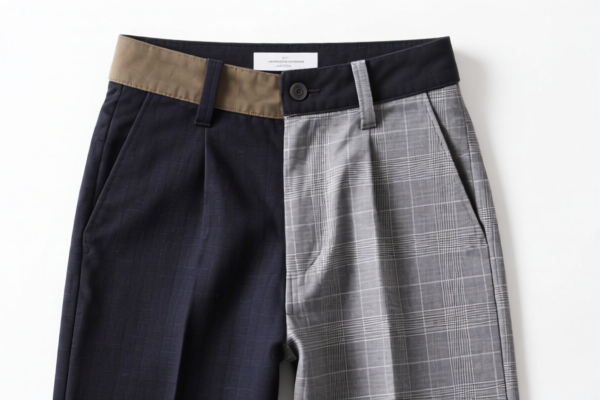
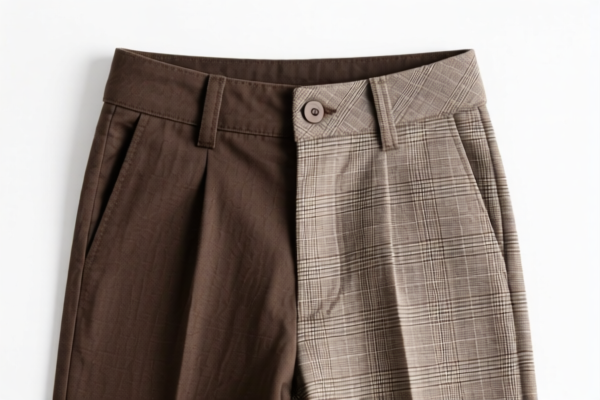
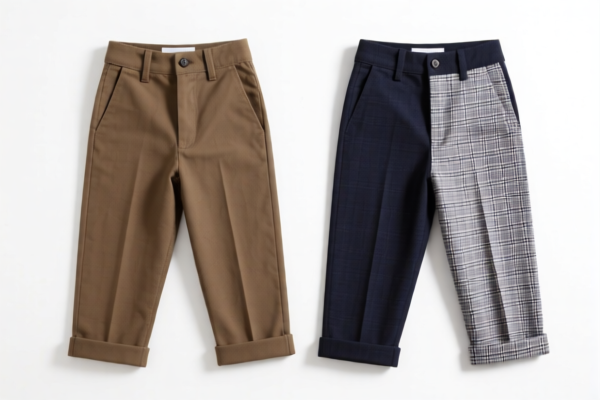
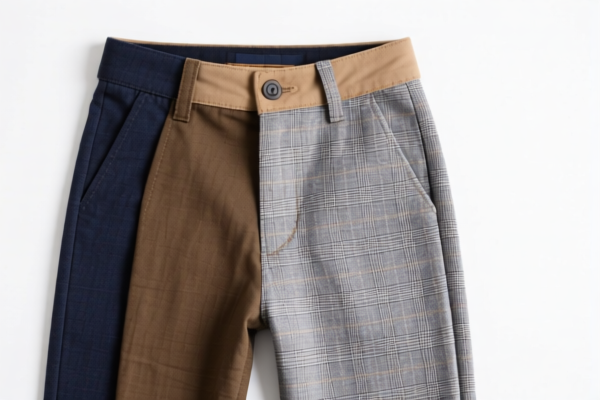
AI分析
👕 Boys' Shirts (Other Textile Materials)
🌐 HS Code Reference & Customs Clearance Guide | 2026 Latest Tariff Analysis | Strategic Compliance for "Other Textile Materials"
📌 I. Product Definition: Decoding "Boys' Shirt (Other Textile Materials)"
In the context of US imports, "Boys' Shirts" under Chapter 61 (Knitted/Crocheted) and Chapter 62 (Non-Knitted/Woven) are classified based on construction method and material composition. The phrase "Other Textile Materials" typically excludes: 1. Cotton (Chapter 52) 2. Man-made Fibers (Synthetics like Polyester, Nylon – Chapter 54/55) 3. Wool/Animal Hair (Chapter 51)
Therefore, "Other Textile Materials" usually refers to: * Natural Fibers other than Cotton/Wool: Silk, Linen (Flax), Hemp, Jute, Bamboo fiber (if not classified as man-made), Rayon/Viscose (if considered regenerated cellulose and not "man-made fibers" in specific subheading contexts, though often grouped with synthetics, here it implies exclusion from standard polyester/cotton). * Blends: Where the principal material is not cotton or synthetic fiber.
⚠️ Critical Distinction:
- If the shirt is Knitted/Crocheted → Look to Chapter 61.
- If the shirt is Woven (Non-Knitted) → Look to Chapter 62.
- Plaid/Check Pattern affects HS Code selection in some subheadings, but primarily impacts duty rates if specific rules apply (though here, it's linked to specific HS codes in your data).
📦 II. HS Code Classification Matrix (Based on Provided Data)
| HS Code | Product Description | Construction | Status | Total Tax Rate |
|---|---|---|---|---|
6105.90.80.60 |
Boys' Shirt (Other Textile Materials), Knitted | Knitted/Crocheted | ✅ Match Success | 23.1% |
6206.90.00.40 |
Boys' Shirt (Other Textile Materials), Non-Knitted (Woven) | Woven | ✅ Match Success | 24.2% |
6105.90.10.00 |
Boys' Shirt (Other Textile Materials), Knitted | Knitted/Crocheted | ⚠️ Fallback Category | 32.4% |
6105.90.80.60 |
Boys' Plaid Shirt (Other Textile Materials), Knitted | Knitted/Crocheted | ✅ Match Success | 23.1% |
6105.90.10.00 |
Boys' Plaid Shirt (Other Textile Materials), Knitted | Knitted/Crocheted | ✅ Match Success | 32.4% |
🔍 Key Insight:
- Knitted (6105) generally has a lower base duty (5.6%) than Woven (6206) or Fallback (32.4%). - Woven (6206) has a base duty of 6.7%. - Fallback (6105.90.10.00) has a significantly higher base duty of 14.9%.
💰 III. 2026 Tariff Rate Breakdown (Detailed Analysis)
✅ Applicable Jurisdiction: United States (US)
✅ Origin: China (CN)
✅ Effective Date: As of 2025-2026
🎯 1. 6105.90.80.60 – Knitted Boys' Shirt (Other Materials)
(Including Plaid Variants)
| Item | Details |
|---|---|
| Base Duty | 5.6% |
| Section 301 Add-on Duty | +7.5% |
| 122 Clause Duty | +10% |
| Total Tax Rate | 23.1% |
| Calculation | CIF Value × 23.1% |
| De Minimis Exemption? | ❌ No (Deny De Minimis for Section 301 goods) |
| Legal Authority Path | Section 301: 9903.01.24 + 122 Clause |
📌 Explanation:
- This is the most cost-effective classification for knitted shirts made of "other textile materials." - The Section 301 duty (7.5%) applies to most textile products from China. - The 122 Clause (10%) is an additional tariff imposed on specific textile items.
🎯 2. 6206.90.00.40 – Woven (Non-Knitted) Boys' Shirt (Other Materials)
| Item | Details |
|---|---|
| Base Duty | 6.7% |
| Section 301 Add-on Duty | +7.5% |
| 122 Clause Duty | +10% |
| Total Tax Rate | 24.2% |
| Calculation | CIF Value × 24.2% |
| De Minimis Exemption? | ❌ No |
| Legal Authority Path | Section 301: 9903.01.24 + 122 Clause |
📌 Explanation:
- Woven shirts incur a slightly higher base duty (6.7%) than knitted (5.6%). - Total tax is 24.2%, which is 1.1% higher than the knitted equivalent.
🎯 3. 6105.90.10.00 – Knitted Boys' Shirt (Fallback Category)
(Also applies to Plaid Variants if not matching 6105.90.80.60)
| Item | Details |
|---|---|
| Base Duty | 14.9% |
| Section 301 Add-on Duty | +7.5% |
| 122 Clause Duty | +10% |
| Total Tax Rate | 32.4% |
| Calculation | CIF Value × 32.4% |
| De Minimis Exemption? | ❌ No |
| Legal Authority Path | Section 301: 9903.01.24 + 122 Clause |
📌 Explanation:
- This is a fallback category for knitted shirts that do not meet the specific criteria for6105.90.80.60. - The base duty (14.9%) is almost triple that of the preferred knitted category. - Total tax is 32.4%, making it the most expensive option in this dataset.
🛠️ IV. Customs Clearance Practical Advice (Pitfall Avoidance)
✅ 1. Documentation Checklist (Essential)
| Document | Required? | Purpose |
|---|---|---|
| ✅ Commercial Invoice | ✔️ | Must specify "Boys' Shirt," "Knitted/Woven," and "Other Textile Materials" |
| ✅ Product Specification Sheet | ✔️ | Confirm material composition (e.g., 100% Linen, 100% Silk) to justify "Other" |
| ✅ Fabric Construction Proof | ✔️ | Critical: Provide lab test or weave structure image to prove Knitted vs. Woven. Misclassification here leads to errors. |
| ✅ Pattern Photos | ✔️ | If "Plaid," provide clear images to support 6105.90.80.60 or 6105.90.10.00 |
| ✅ Origin Certificate | ✔️ | Confirm China origin to apply correct Section 301/122 duties |
✅ 2. Classification Strategy (Key Mnemonic)
🔥 "Knit is Cheaper, Woven is Middle, Fallback is Expensive!"
| Scenario | Correct HS Code | Total Tax | Why? |
|---|---|---|---|
| Knitted, Solid/Plaid, Other Materials | 6105.90.80.60 |
23.1% | Preferred match. Lowest base duty (5.6%). |
| Woven, Other Materials | 6206.90.00.40 |
24.2% | Standard for woven. Higher base duty (6.7%). |
| Knitted, Fallback (Not 80.60) | 6105.90.10.00 |
32.4% | Avoid if possible. High base duty (14.9%). |
| Plaid Knitted, Fallback | 6105.90.10.00 |
32.4% | If not matching 80.60, defaults to higher rate. |
⚠️ Critical Warning:
- Do NOT misclassify Woven as Knitted to get the lower 23.1% rate. US CBP uses FTZs (Free Trade Zone) checks and fabric tests to verify construction. - Plaid vs. Solid: In this dataset, both plaid and non-plaid knitted shirts can fall under6105.90.80.60(23.1%) OR6105.90.10.00(32.4%). Ensure your product meets the specific criteria for80.60to avoid the higher tax.
✅ 3. Special Cases & Tips
| Case | Advice |
|---|---|
| Material Composition | Ensure "Other Textile Materials" is accurate. If it's Polyester, it should likely be in a different subheading (not in this dataset). Double-check fiber content. |
| De Minimis (Section 321) | ❌ Not Eligible. All these HS codes are subject to Section 301 and 122 Clause duties, which deny the $800 de minimis exemption. Each shipment must pay full duties. |
| Pre-Ruling | 📌 Highly Recommended. Apply for a Customs Ruling from US CBP to confirm whether your specific plaid/knitted shirt qualifies for 6105.90.80.60 (23.1%) or falls to 6105.90.10.00 (32.4%). |
| Supply Chain | Consider sourcing from non-China countries (e.g., Vietnam, Bangladesh) to avoid Section 301 (7.5%) and 122 Clause (10%) duties, potentially reducing total tax to Base Duty Only. |
🌍 V. Global Market Comparison (2026)
| Country | HS Code | Duty Rate | Notes |
|---|---|---|---|
| 🇺🇸 USA | 6105.90.80.60 |
23.1% | Includes 301 + 122 Clause. High compliance cost. |
| 🇨🇳 China | 6105.90.80.60 |
~5-10% | Varies by domestic trade policies. No 301/122. |
| 🇪🇺 EU | 6105.90 |
~12% | No Section 301. Standard EU Common Customs Tariff. |
| 🇬🇧 UK | 6105.90 |
~12% | Post-Brexit tariffs similar to EU. |
📌 Conclusion:
- USA is the most expensive market due to Section 301 (7.5%) and 122 Clause (10%). - Total tax of 23.1% is still competitive compared to some other categories, but 32.4% (fallback) is prohibitive.
📌 VI. Common Errors & Pitfalls (Lessons Learned)
❌ Error 1: Classifying Woven Shirts as Knitted (6105) to save 1.1%.
👉 Consequence: CBP audits, back taxes, penalties, and shipment delays.
❌ Error 2: Assuming Plaid automatically gets a lower rate.
👉 Consequence: If Plaid doesn't meet 6105.90.80.60 criteria, it falls to 6105.90.10.00 (32.4%). Verify eligibility!
❌ Error 3: Using De Minimis for Small Parcels.
👉 Consequence: Denied. Section 301 goods are excluded from $800 exemption. Expect full duty payment.
❌ Error 4: Incorrect Material Description.
👉 Consequence: If "Other Textile Materials" is inaccurate (e.g., it's actually Cotton), the HS Code is wrong, leading to incorrect duty calculation and potential fraud allegations.
✅ Correct Approach:
"Boys' Knitted Shirt, 100% Linen, Plaid Pattern, Model XYZ, Landed in China, Intended for US Import."
🎯 VII. Conclusion: Strategic Classification for Cost Savings
🎯 Remember the Rule:
🔹 "Knitted (80.60) = 23.1% | Woven (6206) = 24.2% | Fallback (10.00) = 32.4%"
🔹 "Verify Fabric Construction: Knit vs. Woven is the First Step."
🔹 "Avoid Fallback: 9.3% Tax Difference is Significant!"
📌 Pro Tip:
If your product is not 100% "Other Textile Materials" (e.g., it's Polyester), do NOT use these HS Codes. Check Chapter 61/62 for Man-Made Fiber subheadings.
Apply for a Pre-Ruling to confirm if your plaid knitted shirt qualifies for6105.90.80.60.
📣 Immediate Action:
📞 Consult Customs Broker + Provide Fabric Swatch + Request HS Code Pre-Ruling
🚀 Save 9.3% Tax by Avoiding Fallback Classification!
✨ Accurate Classification Starts with Precision!
💼 Every Percent Counts in International Trade!
用户评价
关于 HS 编码归类
协调制度(HS)是由世界海关组织(WCO)制定的国际贸易商品分类标准。全球 200 多个国家采用 HS 系统作为海关关税、贸易统计和进出口监管的基础。
每个 HS 编码遵循以下层级结构:
- 章(2 位)——商品大类(例如:第 84 章:机器和机械设备)
- 品目(4 位)——章内的更具体分类
- 子目(6 位)——国际通用细分,所有 WCO 成员国统一使用
- 本国细分(8-10 位)——各国自行扩展的细分编码,如美国 HTSUS 10 位编码
正确的 HS 编码归类对于顺利通关、准确缴纳关税和遵守贸易法规至关重要。错误归类可能导致海关延误、多缴关税或罚款。
从CN进口到US时,适用的关税税率可能包括:
- 最惠国(MFN)税率——适用于 WTO 成员国的标准关税税率
- 普通税率——适用于无贸易协定国家
- 贸易救济关税——附加关税,如 301 条款(反倾销)、232 条款(国家安全)或反补贴税
本页内容仅供参考。如需正式归类,请咨询当地海关或持牌报关代理。