Boys' Travel Hardshell Jacket
CN → US| HS编码 | 关税税率 | 原产国 | 目的国 | 文档 |
|---|---|---|---|---|
| 6201407000 | 24.6% | CN | US | 官方文档 |
| 6101200020 | 33.4% | CN | US | 官方文档 |
| 6101302020 | 45.7% | CN | US | 官方文档 |
| 6210405550 | 24.6% | CN | US | 官方文档 |
| 6210402550 | 24.6% | CN | US | 官方文档 |
商品图片
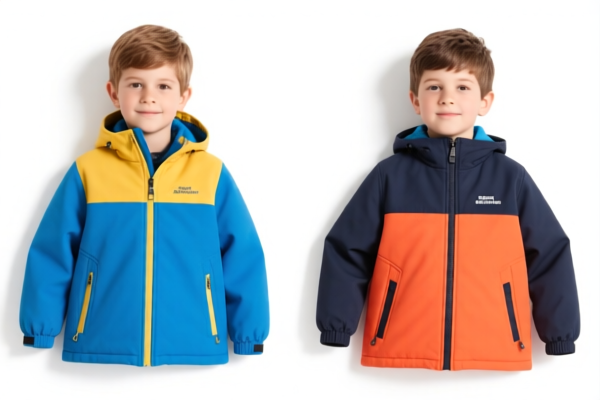
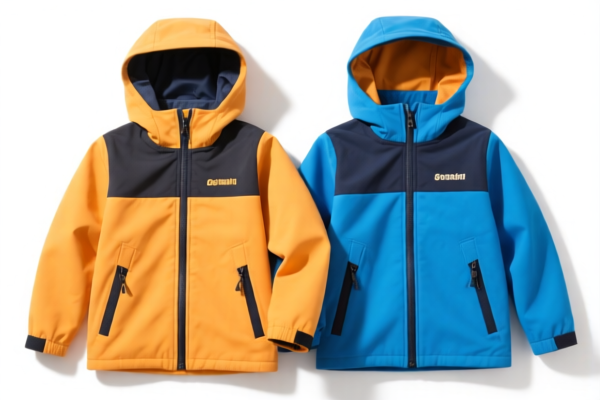
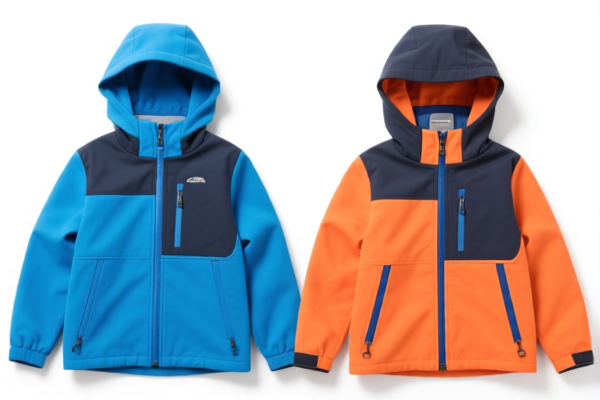

AI分析
🧥 Boys’ Travel Hardshell Jacket (Water-Resistant Windbreaker)
🌐 HS Code Reference & Customs Clearance Guide | 2026 Latest Tariff Analysis | Professional Strategy for Boys' Outerwear
📌 I. Product Definition & Classification: What Exactly Is a "Hardshell Jacket"?
A Boys’ Travel Hardshell Jacket is a specialized outerwear item designed for outdoor activities, travel, and adverse weather conditions. Its key features include: 1. Windproof & Water-Resistant: Typically made from synthetic fibers (nylon/polyester) with a durable water repellent (DWR) coating or laminated membrane. 2. Construction Type: It can be either knitted (stretchy, comfortable for active play) or woven (structured, durable, standard windbreaker style). 3. Target Demographic: Specifically for boys (under 14 years old, generally).
⚠️ Critical Distinction for Classification:
- If the jacket is woven (non-knitted), it generally falls under Chapter 62 (Articles of apparel and clothing accessories, not knitted or crocheted).
- If the jacket is knitted or crocheted, it falls under Chapter 61 (Articles of apparel and clothing accessories, knitted or crocheted).
- Material: Inferred as Man-Made/Synthetic Fibers (e.g., Polyester/Nylon) due to the "hardshell" and "water-resistant" description. Cotton is less common for technical hardshells but possible; however, the data provided points to synthetic/inferred man-made fibers.
📦 II. HS Code Classification Details (2026 Latest Tariff Authority)
Based on the provided data, the jacket is classified into five specific HS Codes depending on the exact construction (woven vs. knitted) and material composition. All items are subject to significant tariffs due to trade policies (Section 301/122).
| HS Code | Product Description | Construction/Material | Inferred Classification |
|---|---|---|---|
| 6201.40.70.00 | Boys’ Windbreakers & Similar Garments | Woven; Synthetic Fibers | Woven Hardshell (Standard Travel Jacket) |
| 6101.20.00.20 | Boys’ Anoraks, Windcheaters & Similar Garments | Knitted/Crocheted; Cotton | Knitted Windbreaker (Cotton Blend) |
| 6101.30.20.20 | Boys’ Anoraks, Windcheaters & Similar Garments | Knitted/Crocheted; Synthetic Fibers | Knitted Hardshell (Synthetic/Man-Made) |
| 6210.40.55.50 | Garments Made Up of Felt or Nonwovens | Woven; Synthetic Fibers | Non-Woven/Specialty Fabric (Synthetic) |
| 6210.40.25.50 | Other Woven Garments Made Up of Felt/Nonwovens | Woven; Synthetic Fibers | Woven Non-Woven (Synthetic) |
🔍 Key Insight:
- 6201.40.70.00 and 6210.xx.xx codes apply to Woven jackets (most common for "hardshell" travel jackets).
- 6101.xx.xx codes apply to Knitted jackets (more stretchy, often used for active wear).
- 6210.xx.xx codes apply if the jacket is made of Non-woven or Felt materials (less common for standard travel jackets, but possible for specific technical fabrics).
💰 III. 2026 Latest Tariff Rate Breakdown (Including Surtaxes & Policy Levies)
✅ Applicable Country: United States (US)
✅ Origin: China (CN)
✅ Effective Date: Ongoing (Subject to current trade policies)
✅ Total Tax Rates: Range from 24.6% to 45.7%
🎯 1. 6201.40.70.00 – Woven Boys’ Windbreakers (Synthetic)
Most likely classification for a standard "Hardshell Travel Jacket"
| Item | Details |
|---|---|
| Base Tariff | 7.1% (Standard MFN Rate) |
| Section 301 Surtax | 7.5% (Additional Tariff on Chinese Goods) |
| Section 122 Tariff | 10.0% (Additional Tariff on Specific Chinese Textiles) |
| Total Tax Rate | 24.6% |
| Calculation | CIF Value × 24.6% |
| De Minimis Exemption | ❌ Not Applicable (Goods subject to Section 301/122 are excluded from $800 de minimis exemption) |
| Legal Basis | HTSUS 6201.40.70.00 → 301 Tariff List → 122 Tariff List |
📌 Explanation:
- This is the most common classification for synthetic, woven boys' windbreakers.
- The 24.6% total rate is a significant cost driver. Importers must account for this in pricing strategies.
- Section 122 refers to specific trade remedy actions on certain Chinese textile products.
🎯 2. 6101.20.00.20 – Knitted Boys’ Anoraks (Cotton)
Applicable if the jacket is knitted and contains significant cotton content
| Item | Details |
|---|---|
| Base Tariff | 15.9% |
| Section 301 Surtax | 7.5% |
| Section 122 Tariff | 10.0% |
| Total Tax Rate | 33.4% |
| Calculation | CIF Value × 33.4% |
| De Minimis Exemption | ❌ Not Applicable |
| Legal Basis | HTSUS 6101.20.00.20 → 301 Tariff List → 122 Tariff List |
📌 Note:
- Higher base tariff (15.9%) due to cotton content.
- 33.4% total rate is nearly 9% higher than the synthetic woven option.
- Use this code only if the jacket is knitted and cotton-dominant.
🎯 3. 6101.30.20.20 – Knitted Boys’ Anoraks (Synthetic)
Applicable if the jacket is knitted and made of man-made fibers
| Item | Details |
|---|---|
| Base Tariff | 28.2% |
| Section 301 Surtax | 7.5% |
| Section 122 Tariff | 10.0% |
| Total Tax Rate | 45.7% |
| Calculation | CIF Value × 45.7% |
| De Minimis Exemption | ❌ Not Applicable |
| Legal Basis | HTSUS 6101.30.20.20 → 301 Tariff List → 122 Tariff List |
📌 Warning:
- This is the highest tax rate in the dataset (45.7%).
- Knitted synthetic outerwear attracts a much higher base tariff (28.2%) than woven synthetic outerwear (7.1%).
- Avoid this classification if possible for cost efficiency. Opt for woven (Chapter 62) if the fabric allows.
🎯 4. 6210.40.55.50 – Woven Garments of Nonwovens/Synthetic
Applicable if the jacket is made from non-woven or felt-like synthetic materials
| Item | Details |
|---|---|
| Base Tariff | 7.1% |
| Section 301 Surtax | 7.5% |
| Section 122 Tariff | 10.0% |
| Total Tax Rate | 24.6% |
| Calculation | CIF Value × 24.6% |
| De Minimis Exemption | ❌ Not Applicable |
| Legal Basis | HTSUS 6210.40.55.50 → 301 Tariff List → 122 Tariff List |
🎯 5. 6210.40.25.50 – Other Woven Garments of Nonwovens/Synthetic
Similar to above, but different sub-category for nonwovens
| Item | Details |
|---|---|
| Base Tariff | 7.1% |
| Section 301 Surtax | 7.5% |
| Section 122 Tariff | 10.0% |
| Total Tax Rate | 24.6% |
| Calculation | CIF Value × 24.6% |
| De Minimis Exemption | ❌ Not Applicable |
| Legal Basis | HTSUS 6210.40.25.50 → 301 Tariff List → 122 Tariff List |
🛠️ IV. Customs Clearance Practical Advice (Pitfall Avoidance Guide)
✅ 1. Documentation Checklist (Mandatory)
| Document | Required? | Purpose |
|---|---|---|
| Product Specification Sheet | ✔️ | Must detail: Woven vs. Knitted, Material % (Synthetic/Cotton), Water-resistant treatment, Age group (Boys). |
| Material Composition Label | ✔️ | Photo of the care label inside the jacket showing fiber content (e.g., 100% Polyester). |
| Commercial Invoice | ✔️ | Must clearly state "Boys' Travel Hardshell Jacket," HS Code, and Country of Origin (China). |
| Packing List | ✔️ | Itemize quantities by size/style. |
| Certificate of Origin | ✔️ | Proof of Chinese origin to confirm applicability of Section 301/122 tariffs. |
| Test Report (Optional but Recommended) | ✔️ | DWR coating test or waterproof rating (e.g., 5000mm) to justify "Hardshell" description. |
✅ 2. Declaration Tips (Key Mnemonic)
🔥 "Woven is Cheaper, Knitted is Pricier, Synthetic is Standard, Cotton is Rare!"
| Scenario | Correct HS Code | Reason |
|---|---|---|
| Standard Hardshell (Woven, Polyester) | 6201.40.70.00 |
Lowest Tax (24.6%). Most common for travel jackets. |
| Knitted Stretch Jacket (Synthetic) | 6101.30.20.20 |
Highest Tax (45.7%). Avoid if cost-sensitive. |
| Knitted Jacket (Cotton Blend) | 6101.20.00.20 |
High Tax (33.4%). Only if cotton is dominant. |
| Non-Woven/Felt Jacket | 6210.40.55.50 |
Low Tax (24.6%). Rare for hardshells. |
⚠️ Critical Warning:
- Do NOT misclassify Knitted (Ch 61) as Woven (Ch 62). Customs will audit the fabric structure. If you declare "Woven" but the fabric is knitted, you face penalties, retroactive duties, and seizure.
- Do NOT rely on De Minimis ($800). Since Section 301 and 122 tariffs apply, shipments valued under $800 are not exempt from duties. Always pay the 24.6%-45.7% tax.
✅ 3. Special Cases
| Case | Advice |
|---|---|
| OEM/White Label | Ensure the label clearly indicates "Boys" and material composition. Mislabeling as "Adults" changes the HS code entirely. |
| Mixed Shipments | If shipping both woven and knitted jackets, separate HS Codes must be declared. Do not lump them together. |
| Water-Resistant Claim | If the jacket is merely "water-resistant" (DWR coated) vs. "Waterproof" (laminated), it does not change the HS code, but ensure the description matches the actual product to avoid fraud claims. |
🌍 V. Global Market Comparison (2026)
| Market | HS Code (Example) | Base Tariff | Surtaxes | Total Est. Rate | Notes |
|---|---|---|---|---|---|
| 🇺🇸 USA | 6201.40.70.00 |
7.1% | +17.5% (301+122) | 24.6% | High duty. No de minimis exemption. |
| 🇪🇺 EU | 6201.40.00 |
~12% | 0% | ~12% | No Section 301/122. Standard MFN. |
| 🇨🇳 China | 6201.40.00 |
~10-15% | 0% | ~10-15% | Import duties vary by trade agreement. |
| 🇬🇧 UK | 6201.40.00 |
~12% | 0% | ~12% | Post-Brexit, UK-specific tariffs apply. |
| 🇯🇵 Japan | 6201.40.00 |
~16% | 0% | ~16% | No surtaxes on Chinese textiles. |
📌 Conclusion:
- The USA is the most expensive market for Chinese boys' jackets due to Section 301 and 122 tariffs.
- Other markets have significantly lower tax burdens (10-16% vs. 24.6%+).
- Strategy: If targeting the US market, ensure accurate classification to avoid overpayment or underpayment penalties. Consider sourcing from non-China countries (e.g., Vietnam, Bangladesh) to mitigate tariffs, if feasible.
📌 VI. Common Errors & Pitfalls (Lessons Learned)
❌ Error 1: Declaring a Knitted jacket as Woven to save tax.
👉 Consequence: Customs inspection reveals knit fabric → Penalties + Back Duties.
✅ Fix: Submit fabric swatch or detailed material spec to prove weave structure.
❌ Error 2: Claiming "De Minimis" for shipments under $800.
👉 Consequence: Package held by CBP → Fines + Delay.
✅ Fix: Always pay applicable duties (24.6%+) regardless of value.
❌ Error 3: Using "Jacket" without specifying "Boys" or Material.
👉 Consequence: CBP questions classification → Audit Risk.
✅ Fix: Always include "Boys'," "Synthetic," and "Woven/Knitted" in the description.
❌ Error 4: Confusing "Water-Resistant" with "Waterproof."
👉 Consequence: Misleading description → Consumer Complaints + Potential Fraud Investigation.
✅ Fix: Use accurate terms like "DWR Coated" or "Windbreaker."
🎯 VII. Conclusion: Professional Declaration, Cost Optimization!
🎯 Remember the Key Takeaway:
🔹 "Woven Synthetic = 24.6% (Best Option)"
🔹 "Knitted Synthetic = 45.7% (Avoid if Possible)"
🔹 "No De Minimis for China Origin!"
📌 Pro Tip:
For large volume imports, consider applying for a Customs Ruling to pre-classify your specific product. This provides legal certainty and avoids unexpected audits.
📣 Action Required:
📞 Contact a licensed customs broker to verify the fabric structure (Woven vs. Knitted) and material composition.
🚀 Optimize your supply chain by understanding the 24.6%-45.7% tariff impact on your landed cost.
✨ Professional Clearance Starts with Accurate Classification!
💼 Every Percent of Duty Matters!
用户评价
关于 HS 编码归类
协调制度(HS)是由世界海关组织(WCO)制定的国际贸易商品分类标准。全球 200 多个国家采用 HS 系统作为海关关税、贸易统计和进出口监管的基础。
每个 HS 编码遵循以下层级结构:
- 章(2 位)——商品大类(例如:第 84 章:机器和机械设备)
- 品目(4 位)——章内的更具体分类
- 子目(6 位)——国际通用细分,所有 WCO 成员国统一使用
- 本国细分(8-10 位)——各国自行扩展的细分编码,如美国 HTSUS 10 位编码
正确的 HS 编码归类对于顺利通关、准确缴纳关税和遵守贸易法规至关重要。错误归类可能导致海关延误、多缴关税或罚款。
从CN进口到US时,适用的关税税率可能包括:
- 最惠国(MFN)税率——适用于 WTO 成员国的标准关税税率
- 普通税率——适用于无贸易协定国家
- 贸易救济关税——附加关税,如 301 条款(反倾销)、232 条款(国家安全)或反补贴税
本页内容仅供参考。如需正式归类,请咨询当地海关或持牌报关代理。