Boys' Underwear (Striped Fabric) Other Textile Materials
CN → US| HS编码 | 关税税率 | 原产国 | 目的国 | 文档 |
|---|---|---|---|---|
| 6111905070 | 24.9% | CN | US | 官方文档 |
| 6111909000 | 23.1% | CN | US | 官方文档 |
| 6208998020 | 20.3% | CN | US | 官方文档 |
| 6208199000 | 26.2% | CN | US | 官方文档 |
| 6108299000 | 30.8% | CN | US | 官方文档 |
商品图片


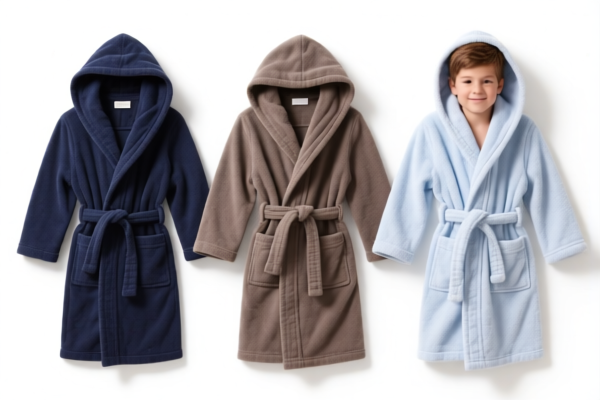
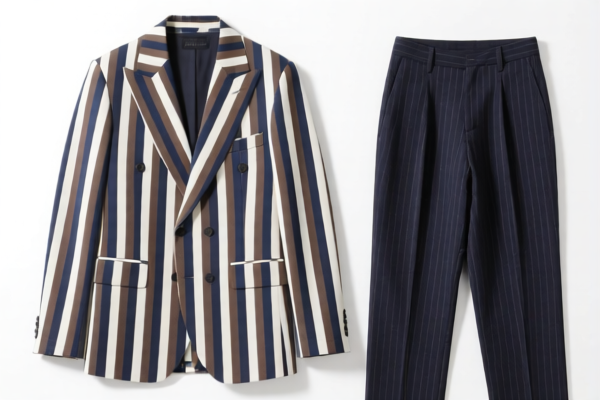
AI分析
👕 Boys' Underwear (Striped Fabric / Bamboo Fiber)
🌐 HS Code Classification & Tariff Strategy | 2026 Duty Analysis | Bamboo Fiber Textiles
📌 I. Product Definition & Material Breakdown: What Makes "Bamboo" Special?
Boys' Underwear made from Bamboo Fiber (often marketed as "Viscose from Bamboo") falls under Other Textile Materials rather than Cotton or Synthetic categories in the Harmonized System. The fabric pattern (Striped) does not change the classification but indicates the textile structure.
⚠️ Critical Classification Distinction:
The most vital split in HS Codes for underwear depends entirely on the Manufacturing Method: - Knitted (Strickware): Fabric made by interlocking loops (stretchy, jersey). → Chapter 61 - Woven (Non-Knitted): Fabric made by weaving threads at right angles (crisp, structured). → Chapter 62
📦 II. HS Code Classification Matrix (Exact Match to Data)
Based on the Bamboo Fiber material and Boys' gender, here are the 5 specific HS Codes and their tax implications.
| HS Code | Category | Structure | Summary Description | Total Tax Rate |
|---|---|---|---|---|
| 6111.90.50.70 | Knitted | Knitted | Boys' Underwear, Bamboo Fiber, Other Textiles | 24.9% |
| 6111.90.90.00 | Knitted | Knitted | Boys' Underwear, Bamboo Fiber, Other Textiles | 23.1% |
| 6208.99.80.20 | Woven | Non-Knitted | Boys' Underwear, Bamboo Fiber, Other Textiles | 20.3% |
| 6208.19.90.00 | Woven | Non-Knitted | Boys' Underwear, Bamboo Fiber, Other Textiles | 26.2% |
| 6108.29.90.00 | Knitted | Knitted | Boys' Underwear, Bamboo Fiber, Other Textiles | 30.8% |
🔍 Decoding the Sums:
All items include a 10% "Section 122" Duty (specific US trade policy). The base tariff and "Additional Duty" (often Section 301) vary, leading to the total rates above.
💰 III. Detailed Tax Structure Analysis (2026 Tariff Breakdown)
🎯 1. 6111.90.50.70 (Knitted)
The "Moderate Tax" Knitted Option | Component | Rate | Legal/Policy Source | | :--- | :--- | :--- | | Base Tariff | 14.9% | General Most-Favored-Nation (MFN) rate | | Additional Duty | 0.0% | No Section 301 surcharge applied here | | Section 122 Duty | 10.0% | Specific Section 122 (US) tariff | | TOTAL | 24.9% | ✅ Lowest Knitted Rate |
📌 Explanation: This code is unique because it avoids the high "Additional Duty" (7.5%) found in other knitted codes. However, it carries a higher base tariff (14.9%) to balance the total.
🎯 2. 6111.90.90.00 (Knitted)
The "Balanced Tax" Knitted Option | Component | Rate | Legal/Policy Source | | :--- | :--- | :--- | | Base Tariff | 5.6% | Lower base rate | | Additional Duty | 7.5% | Section 301 Additional Duty (US) | | Section 122 Duty | 10.0% | Specific Section 122 (US) tariff | | TOTAL | 23.1% | ✅ Lowest Overall Rate |
📌 Explanation: This offers the lowest total duty (23.1%) of all options. It benefits from a very low base tariff (5.6%) but incurs the standard 7.5% additional duty.
🎯 3. 6208.99.80.20 (Woven)
The "Low Base Tax" Woven Option | Component | Rate | Legal/Policy Source | | :--- | :--- | :--- | | Base Tariff | 2.8% | Very low base rate | | Additional Duty | 7.5% | Section 301 Additional Duty (US) | | Section 122 Duty | 10.0% | Specific Section 122 (US) tariff | | TOTAL | 20.3% | ✅ Lowest Woven Rate |
📌 Explanation: Woven underwear (non-knitted) often has lower base tariffs. This code results in a 20.3% total, which is the cheapest option for woven bamboo fiber boys' underwear.
🎯 4. 6208.19.90.00 (Woven)
The "High Base Tax" Woven Option | Component | Rate | Legal/Policy Source | | :--- | :--- | :--- | | Base Tariff | 8.7% | Higher base rate | | Additional Duty | 7.5% | Section 301 Additional Duty (US) | | Section 122 Duty | 10.0% | Specific Section 122 (US) tariff | | TOTAL | 26.2% | ⚠️ Highest Woven Rate |
📌 Explanation: Despite being woven, this code has a significantly higher base tariff (8.7%) compared to 6208.99.80.20, making it less competitive for cost calculation.
🎯 5. 6108.29.90.00 (Knitted)
The "Highest Tax" Knitted Option | Component | Rate | Legal/Policy Source | | :--- | :--- | :--- | | Base Tariff | 13.3% | Highest base rate among knitted | | Additional Duty | 7.5% | Section 301 Additional Duty (US) | | Section 122 Duty | 10.0% | Specific Section 122 (US) tariff | | TOTAL | 30.8% | ❌ Highest Overall Rate |
📌 Explanation: This code combines a high base tariff (13.3%) with the 7.5% additional duty, resulting in the highest tax burden (30.8%). Avoid this code unless the product description must fall here due to specific material composition rules not captured in "Other Textiles".
🛠️ IV. Customs Clearance Strategy (实战避坑指南)
✅ 1. Critical Material Verification: "Bamboo Fiber"
The Trap: Customs may classify "Bamboo Fiber" differently depending on its chemical processing. - If processed into Viscose → It is "Other Textile Material" (Chapters 61/62). - If processed into Lyocell or regenerated cellulose → It might be reclassified.
Action: Ensure your Composition Label explicitly states "Bamboo Fiber" or "Viscose from Bamboo" and that the supplier confirms the chemical nature matches the "Other Textile" definition in Chapter 61/62.
✅ 2. Knitted vs. Woven: The 20% Tax Jump
The Gap: Switching from Knitted (e.g.,
6111.90.90.00) to Woven (e.g.,6208.99.80.20) can save you 2.8% to 5.9% in duties depending on the specific sub-code.Action: - Knitted: Soft, stretchy, jersey fabric (T-shirt style). Use
61xxcodes. - Woven: Crisp, non-stretch, boxers style. Use62xxcodes. - Recommendation: If your product is Woven, target6208.99.80.20(20.3%). If Knitted, target6111.90.90.00(23.1%).
✅ 3. The "Section 122" 10% Rule
The Fact: ALL codes in your dataset include a flat 10% Section 122 Duty. - This is a specific US tariff (often related to trade defense or specific agreements). - No Exemption: This 10% is likely non-negotiable for standard bamboo fiber underwear imports. - Calculation: You cannot avoid this 10%. Focus on minimizing the Base + Additional duty.
✅ 4. Best Value Recommendation (Cost Optimization)
| Product Type | Recommended HS Code | Total Duty | Why? |
|---|---|---|---|
| Knitted (Jersey) | 6111.90.90.00 |
23.1% | Lowest total among knitted options. |
| Woven (Boxers) | 6208.99.80.20 |
20.3% | Lowest total duty of all. Cheapest to import. |
| Avoid | 6108.29.90.00 |
30.8% | Highest cost. Only use if product specs force this. |
🌍 V. Global Market Comparison (2026 Context)
| Market | Recommended Code | Est. Duty (China Origin) | Notes |
|---|---|---|---|
| 🇺🇸 USA | 6111.90.90.00 (Knit) |
23.1% | High Section 122/301 impact. |
| 🇺🇸 USA | 6208.99.80.20 (Woven) |
20.3% | Best Value for USA. |
| 🇪🇺 EU | 6111.90.90.00 |
~12-14% | Generally lower base tariffs, no Section 122. |
| 🇯🇵 Japan | 6111.90.90.00 |
~5-10% | No Section 122, lower additional duties. |
| 🇨🇦 Canada | 6111.90.90.00 |
~8-10% | CUSMA/CETA agreements may apply. |
📌 Conclusion: The 20.3% (Woven) and 23.1% (Knitted) rates are specific to US imports. If exporting to other markets, these rates do not apply, potentially saving 10-15%.
📌 VI. Common Pitfalls & Final Advice
❌ Pitfall 1: Mislabeling "Bamboo"
Consequence: If declared as "Cotton" (which has different rates) but is actually Bamboo, you face fraud penalties and back-taxes. ✅ Fix: Ensure the invoice and commercial documents state "Bamboo Fiber".
❌ Pitfall 2: Ignoring "Striped" Pattern
Consequence: Striped fabric is a standard pattern and does not change the HS Code. However, if the stripes are "embroidered" or "applied" in a way that changes the fabric weight significantly, re-evaluate. ✅ Fix: For standard striped bamboo, stick to the "Other Textile" codes provided.
❌ Pitfall 3: Mixing Knitted and Woven in One Shipment
Consequence: If you ship a box containing both Knitted (23.1%) and Woven (20.3%) items, customs may audit the entire shipment at the highest rate if not clearly separated. ✅ Fix: Separate Pallets/Boxes. Declare Knitted and Woven items separately in the Customs Entry (CBP Form 7501).
🎯 VII. Final Verdict: The "Golden Path" for Clearing
🏆 Best Strategy:
If your product is Woven Boys' Bamboo Underwear, declare under6208.99.80.20(Total 20.3%).
If your product is Knitted Boys' Bamboo Underwear, declare under6111.90.90.00(Total 23.1%).🚀 Pro Tip:
Always apply for a Binding Ruling (Pre-Decision) with US Customs (CBP) specifically for "Bamboo Fiber Underwear" before your first shipment. This locks in the HS Code and prevents future disputes over the "122" or "Additional" duty calculation.
✨ Customs Clearance is a Science, Not a Guess.
💼 Choose the right HS Code, save thousands, and clear faster!
用户评价
关于 HS 编码归类
协调制度(HS)是由世界海关组织(WCO)制定的国际贸易商品分类标准。全球 200 多个国家采用 HS 系统作为海关关税、贸易统计和进出口监管的基础。
每个 HS 编码遵循以下层级结构:
- 章(2 位)——商品大类(例如:第 84 章:机器和机械设备)
- 品目(4 位)——章内的更具体分类
- 子目(6 位)——国际通用细分,所有 WCO 成员国统一使用
- 本国细分(8-10 位)——各国自行扩展的细分编码,如美国 HTSUS 10 位编码
正确的 HS 编码归类对于顺利通关、准确缴纳关税和遵守贸易法规至关重要。错误归类可能导致海关延误、多缴关税或罚款。
从CN进口到US时,适用的关税税率可能包括:
- 最惠国(MFN)税率——适用于 WTO 成员国的标准关税税率
- 普通税率——适用于无贸易协定国家
- 贸易救济关税——附加关税,如 301 条款(反倾销)、232 条款(国家安全)或反补贴税
本页内容仅供参考。如需正式归类,请咨询当地海关或持牌报关代理。