Boys' Underwear Striped Fabric
CN → US| HS编码 | 关税税率 | 原产国 | 目的国 | 文档 |
|---|---|---|---|---|
| 6207199010 | 28.0% | CN | US | 官方文档 |
| 6114200020 | 28.3% | CN | US | 官方文档 |
| 6107120010 | 32.4% | CN | US | 官方文档 |
| 6107110010 | 24.9% | CN | US | 官方文档 |
| 6114302010 | 49.5% | CN | US | 官方文档 |
| 6107110020 | 24.9% | CN | US | 官方文档 |
商品图片
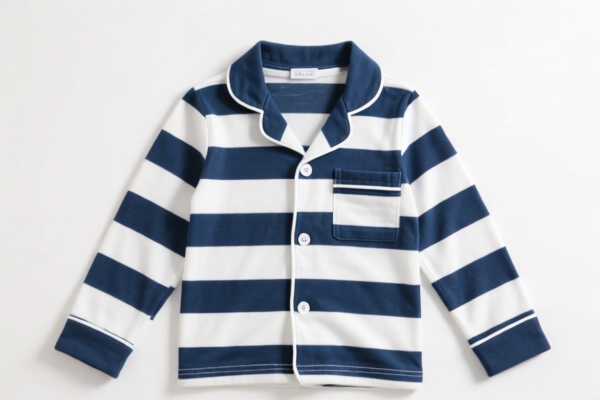
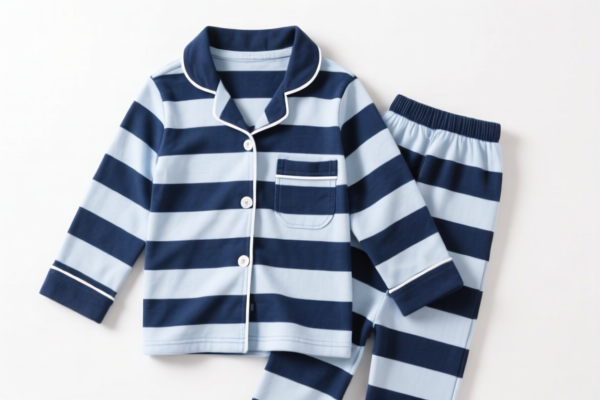
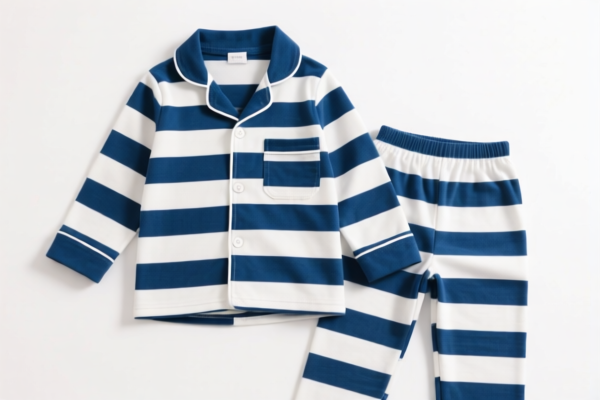
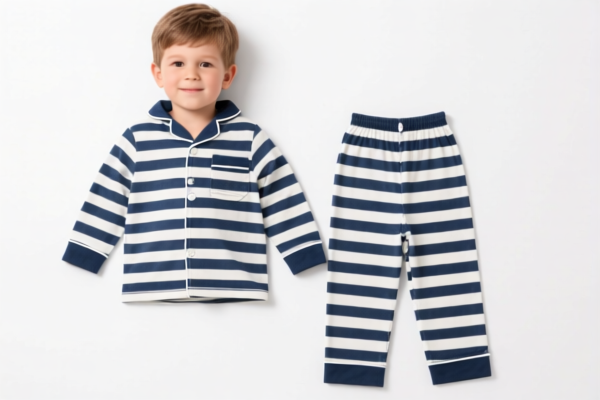
AI分析
👕 Boys' Underwear (Striped Fabric) – HS Code Classification & Tariff Breakdown
🌐 HS Code Reference & Customs Clearance Guide | 2026 Latest Tariff Analysis | Professional Clearance Strategy
📌 I. Product Definition & Classification: Do You Really Understand "Boys' Underwear"?
Boys' underwear refers to the lower-body undergarments worn by male children. In international trade, the classification depends heavily on: 1. Material: Cotton, synthetic fibers (polyester, nylon), or blends. 2. Manufacturing Process: Knitted (elastic, stretchy) vs. Woven (structured, non-stretch). 3. Age Group: "Boys" typically implies children under a certain age, distinct from men's adult underwear.
⚠️ Key Distinction Points:
- Knitted (Chapters 61): Usually elastic, made from jersey, rib, or interlock fabrics. Common for children’s underwear due to comfort.
- Woven (Chapter 62): Less elastic, often structured. Less common for basic underwear but possible for specific styles.
- Age Factor: Items specifically designed for children may fall under different subheadings than adult men’s underwear.
📦 II. HS Code Classification Details (2026 Latest Tariff Authority Comparison)
Based on the provided data for "Boys' Underwear Striped Fabric", here are the applicable HS Codes with their corresponding tax structures:
| HS Code | Product Description | Material/Type | Total Tax Rate | Key Characteristics |
|---|---|---|---|---|
6114.20.00.20 |
Men's Boys' Striped Knitted Underwear | Knitted Textile | 28.3% | Cotton or synthetic fiber blend; Knitted category |
6107.11.00.10 |
Men's Boys' Underwear | Knitted Textile (Cotton) | 24.9% | Cotton or similar fiber; No material conflict |
6107.11.00.20 |
Boys' Underwear | Knitted Textile (Cotton) | 24.9% | Specifically for boys; Cotton knitted underwear |
6207.19.90.10 |
Men's Striped Woven Underwear | Woven Textile | 28.0% | Matches form and material; Woven structure |
6107.12.00.10 |
Men's Underwear | Knitted Textile (Synthetic/Cotton) | 32.4% | Artificial fibers or cotton blend; Higher base duty |
6114.30.20.10 |
Bodysuits & Tights | Textile (Spandex/Elastic) | 49.5% | Contains spandex; High base duty |
🔍 Important Note:
- Knitted (61xx) vs. Woven (62xx): The primary split is between knitted (6107,6114) and woven (6207). Most boys' underwear is knitted due to comfort.
- Material Matters: Cotton-based items (6107.11) generally have lower base duties than synthetic-heavy items (6107.12).
- Age Specification:6107.11.00.20is explicitly for "Boys," which may offer specific regulatory advantages over generic "Men's" classifications.
💰 III. 2026 Latest Tariff Rate Details (Including Additional Taxes)
✅ Applicable Country: USA (US)
✅ Origin: China (CN)
✅ Effective Time: From November 10, 2025 (for subsequent imports)
🎯 1. 6107.11.00.10 & 6107.11.00.20 – Cotton Knitted Underwear (Best for Cost Efficiency)
| Item | Details |
|---|---|
| Base Duty | 7.4% |
| Section 301 Duty | +7.5% |
| Section 122 Duty | +10% |
| Total Tax Rate | 24.9% |
| Tax Calculation | CIF Value × 24.9% |
| De Minimis Exemption | ❌ Not Eligible (Deny De Minimis) |
| Legal Path | Base Tariff → Section 301 → Section 122 |
📌 Explanation:
- Base Duty (7.4%): Applies to cotton knitted underpants.
- Section 301 (7.5%): Additional tariff on Chinese goods.
- Section 122 (10%): Further additional tariff under specific US trade laws.
- Total: 24.9%. This is the most cost-effective classification for boys' cotton underwear.
🎯 2. 6207.19.90.10 – Woven Striped Underwear
| Item | Details |
|---|---|
| Base Duty | 10.5% |
| Section 301 Duty | +7.5% |
| Section 122 Duty | +10% |
| Total Tax Rate | 28.0% |
| Tax Calculation | CIF Value × 28.0% |
| De Minimis Exemption | ❌ Not Eligible |
| Legal Path | Base Tariff → Section 301 → Section 122 |
📌 Explanation:
- Base Duty (10.5%): Woven undergarments have a higher base rate than knitted cotton.
- Total: 28.0%. Slightly higher than knitted cotton options. Suitable if the product is definitely woven.
🎯 3. 6114.20.00.20 – General Knitted Underwear (Cotton/Synthetic Blend)
| Item | Details |
|---|---|
| Base Duty | 10.8% |
| Section 301 Duty | +7.5% |
| Section 122 Duty | +10% |
| Total Tax Rate | 28.3% |
| Tax Calculation | CIF Value × 28.3% |
| De Minimis Exemption | ❌ Not Eligible |
| Legal Path | Base Tariff → Section 301 → Section 122 |
📌 Explanation:
- Base Duty (10.8%): For knitted garments not specified as cotton underpants (e.g., blends).
- Total: 28.3%. Higher than pure cotton knitted underwear.
🎯 4. 6107.12.00.10 – Synthetic Fiber Underwear
| Item | Details |
|---|---|
| Base Duty | 14.9% |
| Section 301 Duty | +7.5% |
| Section 122 Duty | +10% |
| Total Tax Rate | 32.4% |
| Tax Calculation | CIF Value × 32.4% |
| De Minimis Exemption | ❌ Not Eligible |
| Legal Path | Base Tariff → Section 301 → Section 122 |
📌 Explanation:
- Base Duty (14.9%): Artificial fibers (polyester, nylon) incur higher base duties.
- Total: 32.4%. Significant cost increase if not using cotton.
🎯 5. 6114.30.20.10 – Bodysuits & Tights (With Spandex)
| Item | Details |
|---|---|
| Base Duty | 32.0% |
| Section 301 Duty | +7.5% |
| Section 122 Duty | +10% |
| Total Tax Rate | 49.5% |
| Tax Calculation | CIF Value × 49.5% |
| De Minimis Exemption | ❌ Not Eligible |
| Legal Path | Base Tariff → Section 301 → Section 122 |
📌 Explanation:
- Base Duty (32.0%): Bodysuits, tights, or garments with high spandex content fall under this high-duty category.
- Total: 49.5%. Extremely High Tax. Only apply if the product is truly a bodysuit/tight, not standard underwear.
🛠️ IV. Customs Clearance Practical Advice (Pitfall Avoidance Guide)
✅ 1. Required Documentation (None of these can be omitted)
| Document | Must Provide | Description |
|---|---|---|
| ✅ Product Specification Sheet | ✔️ | Includes material composition (% cotton, % polyester), size, style |
| ✅ Fabric Swatch/Composition Certificate | ✔️ | Proof of material (Cotton vs. Synthetic) |
| ✅ Product Photos (Front, Back, Detail) | ✔️ | Clearly shows "Striped" pattern and "Boys' Cut" |
| ✅ Commercial Invoice | ✔️ | Must specify "Boys' Knitted/Woven Underwear" |
| ✅ Packing List | ✔️ | Item count, weight, packaging type |
| ✅ Origin Certificate | ✔️ | If not from China, may qualify for lower rates |
✅ 2. Declaration Tips (Key Rules)
🔥 “Material Defines Duty, Age Defines Subheading, Pattern is Cosmetic”
| Scenario | Correct Declaration | Incorrect Action |
|---|---|---|
| Cotton Knitted | 6107.11.00.10 or 6107.11.00.20 |
Misdeclare as woven → 28%+ |
| Synthetic Knitted | 6107.12.00.10 |
Misdeclare as cotton → Penalties |
| Bodysuit/Tight | 6114.30.20.10 |
Misdeclare as underwear → 49.5% vs 24.9% |
| Woven Underwear | 6207.19.90.10 |
Misdeclare as knitted → Audit |
📌 Critical Reminder:
- Knitted vs. Woven: This is the biggest classification risk. Knitted fabrics stretch; woven fabrics do not. Provide a fabric swatch if unsure.
- Age Specificity: Use "Boys'" in the description if the product is sized for children (<14 years). This can prevent misclassification as adult men's underwear.
- Striped Pattern: This is not a classification factor. It is cosmetic. Do not let "striped" influence HS Code choice.
✅ 3. Special Cases Handling
| Scenario | Handling Advice |
|---|---|
| Mixed Material (e.g., 95% Cotton, 5% Spandex) | Still classified as Cotton (6107.11) if cotton is the major fiber by weight. |
| OEM Custom Designs | Provide design sheets to prove it is "underwear" and not a "bodysuit" or "tights." |
| Small Quantity Samples | Still subject to duties; no de minimis exemption for China origin. |
| High Spandex Content (>15%) | Consider if it falls under 6114.30 (Bodysuits/Tights) due to elasticity. |
🌍 V. Global Market Comparison (2026 Latest)
| Country/Region | Recommended HS Code | Tariff Rate | Certification Required | Notes |
|---|---|---|---|---|
| 🇺🇸 USA | 6107.11.00.20 |
24.9% | CPSIA (for children) | Highest total tax due to Section 301 & 122 |
| 🇨🇳 China | 6107.11.00.20 |
~7.4% | CCC (if applicable) | No additional tariffs |
| 🇪🇺 EU | 6107.20.00 |
0-8% | CE (if applicable) | No additional tariffs |
| 🇬🇧 UK | 6107.20.00 |
0-8% | UKCA | Post-Brexit rules apply |
| 🇨🇦 Canada | 6107.20.00 |
0-12% | Health Canada | No additional tariffs |
📌 Conclusion:
- USA is the most expensive market due to additional tariffs (Section 301 & 122).
- Total Tax in USA: 24.9% (Cotton) to 49.5% (Bodysuit).
- Plan for 25-30% duty cost in your pricing strategy for US imports.
📌 VI. Common Errors & Pitfall Guide (Lessons Learned)
❌ Error 1: Misclassifying Knitted as Woven
👉 Consequence: Higher duty (28% vs 24.9%) + potential audit.
✅ Fix: Confirm fabric structure with a swatch.
❌ Error 2: Misclassifying Cotton as Synthetic
👉 Consequence: Duty jumps from 24.9% to 32.4%.
✅ Fix: Provide material composition certificate.
❌ Error 3: Classifying Underwear as Bodysuit (6114.30)
👉 Consequence: Duty skyrockets to 49.5%.
✅ Fix: Ensure product is "underpants," not a one-piece bodysuit.
❌ Error 4: Ignoring Age Specification
👉 Consequence: Customs may reclassify as adult men's underwear, leading to delays.
✅ Fix: Explicitly state "Boys' Underwear" in the declaration.
✅ Correct Declaration Example:
"Boys' Knitted Cotton Underwear, Striped Pattern, Size 4-10, 95% Cotton 5% Spandex, Model XYZ"
🎯 VII. Conclusion: Precise Classification Saves Money!
🎯 Remember the Mantra:
🔹 "Cotton Knitted is King (24.9%), Woven is Middle (28%), Synthetic is Higher (32.4%), Bodysuit is Expensive (49.5%)"
🔹 "Material and Structure Decide the Code, Age Decides the Subheading"
📌 Pro Tip:
If your product is originating from Vietnam, Mexico, Thailand, or Malaysia, you may qualify for IEEPA Exemptions or lower Section 301 rates.
Recommendation: Apply for an Advance Ruling with US Customs to confirm the HS Code before shipment.
📣 Immediate Action:
📞 Contact a professional customs broker + Provide product photos + Submit material composition certificate
🚀 Clear Customs Smoothly, Reduce Costs, Maximize Profits!
✨ Professional Clearance Starts with Accurate Classification!
💼 Every Penny of Cost Should Be Precisely Calculated!
用户评价
关于 HS 编码归类
协调制度(HS)是由世界海关组织(WCO)制定的国际贸易商品分类标准。全球 200 多个国家采用 HS 系统作为海关关税、贸易统计和进出口监管的基础。
每个 HS 编码遵循以下层级结构:
- 章(2 位)——商品大类(例如:第 84 章:机器和机械设备)
- 品目(4 位)——章内的更具体分类
- 子目(6 位)——国际通用细分,所有 WCO 成员国统一使用
- 本国细分(8-10 位)——各国自行扩展的细分编码,如美国 HTSUS 10 位编码
正确的 HS 编码归类对于顺利通关、准确缴纳关税和遵守贸易法规至关重要。错误归类可能导致海关延误、多缴关税或罚款。
从CN进口到US时,适用的关税税率可能包括:
- 最惠国(MFN)税率——适用于 WTO 成员国的标准关税税率
- 普通税率——适用于无贸易协定国家
- 贸易救济关税——附加关税,如 301 条款(反倾销)、232 条款(国家安全)或反补贴税
本页内容仅供参考。如需正式归类,请咨询当地海关或持牌报关代理。