Boys' V neck T shirt
CN → US| HS编码 | 关税税率 | 原产国 | 目的国 | 文档 |
|---|---|---|---|---|
| 6109100014 | 34.0% | CN | US | 官方文档 |
| 6109901009 | 49.5% | CN | US | 官方文档 |
| 6205202061 | 37.2% | CN | US | 官方文档 |
| 6105100030 | 37.2% | CN | US | 官方文档 |
商品图片
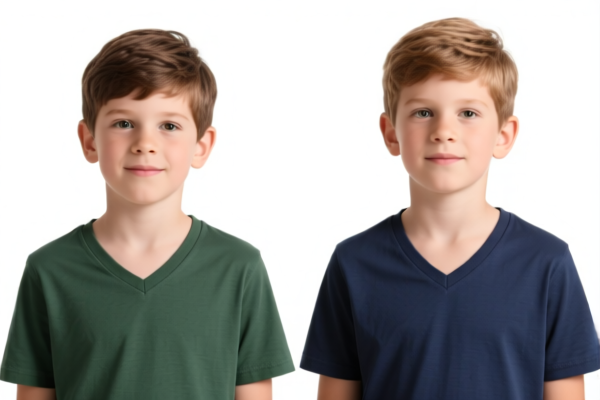
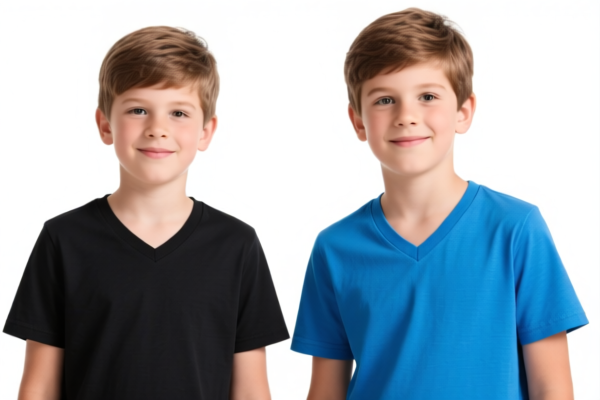
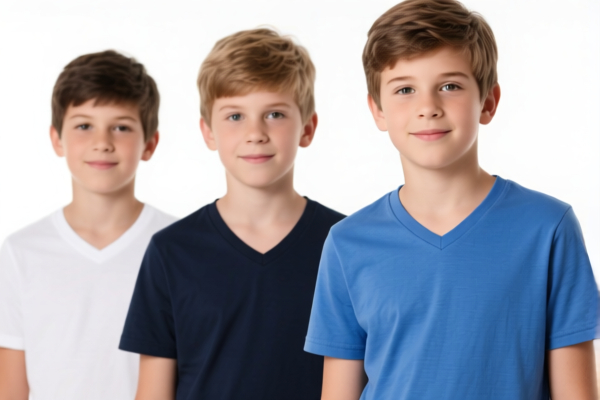
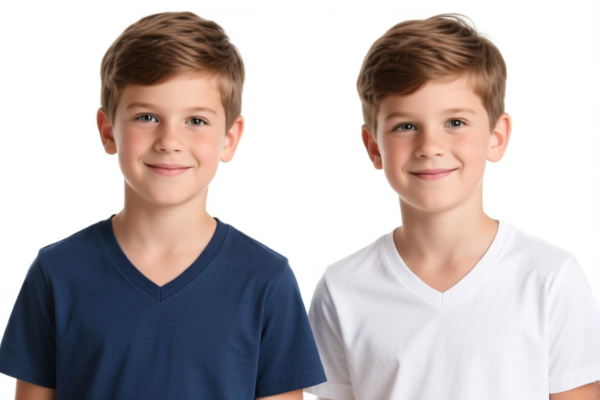
AI分析
👕 Boys' V-Neck T-Shirts: The Ultimate HS Code & Tariff Guide for 2026
🌐 HS Code Classification & Customs Clearance Strategy | 2026 Tariff Update | Critical Compliance Alert
📌 Part 1: Product Definition – Why One T-Shirt Has Five Different Tariffs
A "Boys' V-Neck T-Shirt" sounds simple, but in international trade, material and manufacturing process dictate everything. The U.S. Customs and Border Protection (CBP) differentiates between Knitted (stitched from yarn loops) and Woven (interlaced threads), and further by fiber content (Cotton vs. Man-made).
⚠️ Key Distinction Logic:
- Knitted vs. Woven: T-shirts are typically knitted. If it’s woven, it’s likely a "shirt" or "blouse," not a T-shirt.
- Cotton vs. Synthetic: Cotton generally attracts lower base duties than synthetic fibers, but both are subject to heavy additional tariffs.
- "T-Shirt" vs. "Shirt": Even if it has a collar or buttons, if it’s classified under Chapter 61 (Knitted) or 62 (Woven) for "T-shirts," the tariff structure changes.
📦 Part 2: HS Code Classification Details (2026 Latest Tariff Schedule)
Based on your input data, here is the precise breakdown for Boys' V-Neck T-Shirts. Note that HS Code 6109.90.10.09 appears twice with different descriptions, reflecting nuances in "Other Textile Materials."
| HS Code | Product Description | Material & Process | Key Identifier |
|---|---|---|---|
6109.10.00.14 |
Boys' V-Neck T-Shirt, Cotton, Knitted | 100% Cotton or >85% Cotton + Knitted | ✅ Lowest Base Duty among synthetics, but still high total. |
6109.90.10.09 |
Boys' V-Neck T-Shirt, Man-Made Fiber, Knitted | Acrylic, Polyester, Rayon, etc. + Knitted | ✅ Highest Base Duty (32%). Common for cheap blends. |
6205.20.20.61 |
Boys' V-Neck T-Shirt, Cotton, Non-Knitted (Woven) | Woven Cotton | ❌ Rare for T-shirts. Usually misclassified if it’s actually knit. |
6105.10.00.30 |
Boys' V-Neck T-Shirt, Cotton, Knitted Shirt-Type | Knitted Cotton, classified as "Shirt" not "T-Shirt" | ✅ Special Case: If it has buttons/placket, it might fall here instead of 6109. |
6109.90.10.09 |
Boys' V-Neck T-Shirt, Other Textile Fibers, Knitted | Wool, Silk, Hemp, Blends not elsewhere specified | ✅ Fallback Category: Used when material is ambiguous. |
🔍 Critical Warning:
- If your T-shirt is knitted, it must be under Chapter 61 (6109or6105).
- If you claim it is6205(Woven) but it’s actually Knitted, CBP will reject it and reclassify, causing delays and penalties.
-6109is for T-shirts (no collar, usually). If it has a collar, it might shift to6105or6205.
💰 Part 3: 2026 Tariff Rate Breakdown (U.S. Imports from China)
✅ Origin: China (CN)
✅ Destination: United States (US)
✅ Effective Period: 2025/2026 Tariff Regime
All products below are subject to Section 301 Tariffs and Section 122 Tariffs.
🎯 1. 6109.10.00.14 – Cotton Knitted T-Shirts (Boys)
| Item | Rate / Detail |
|---|---|
| Base Duty (MFN) | 16.5% |
| Section 301 Tariff | 7.5% |
| Section 122 Tariff | 10% |
| Total Effective Rate | 34.0% |
| De Minimis Exemption | ❌ NO (Below $800 threshold does NOT apply due to Section 301/122) |
| Legal Basis | USITC:6109.10.00.14 + Section301:Footnote_9903.88.01 + Section122:EO_14157 |
📌 Explanation:
- 16.5% is the standard U.S. duty for cotton knitted T-shirts.
- +7.5% is added under Section 301 for Chinese goods.
- +10% is the new Section 122 duty on certain textiles/apparel.
- Total: 34%. This is a high-cost classification. Profit margins will be severely impacted.
🎯 2. 6109.90.10.09 – Man-Made/Others Knitted T-Shirts (Boys)
| Item | Rate / Detail |
|---|---|
| Base Duty (MFN) | 32.0% |
| Section 301 Tariff | 7.5% |
| Section 122 Tariff | 10% |
| Total Effective Rate | 49.5% |
| De Minimis Exemption | ❌ NO |
| Legal Basis | USITC:6109.90.10.09 + Section301:Footnote_9903.88.01 + Section122:EO_14157 |
📌 Explanation:
- 32% is the punitive base rate for synthetic knitted garments.
- Total: 49.5%. This is extremely high. Importers must avoid this if possible, or absorb the cost.
- Applies to Polyester, Acrylic, Nylon, and other synthetic blends.
🎯 3. 6205.20.20.61 – Cotton Woven Shirts (Boys)
| Item | Rate / Detail |
|---|---|
| Base Duty (MFN) | 19.7% |
| Section 301 Tariff | 7.5% |
| Section 122 Tariff | 10% |
| Total Effective Rate | 37.2% |
| De Minimis Exemption | ❌ NO |
| Legal Basis | USITC:6205.20.20.61 + Section301:Footnote_9903.88.01 + Section122:EO_14157 |
📌 Explanation:
- Only applicable if the garment is Woven (not knitted). Most T-shirts are Knitted. Misclassification here is a common audit risk.
- Total: 37.2%.
🎯 4. 6105.10.00.30 – Cotton Knitted Shirts (Boys)
| Item | Rate / Detail |
|---|---|
| Base Duty (MFN) | 19.7% |
| Section 301 Tariff | 7.5% |
| Section 122 Tariff | 10% |
| Total Effective Rate | 37.2% |
| De Minimis Exemption | ❌ NO |
| Legal Basis | USITC:6105.10.00.30 + Section301:Footnote_9903.88.01 + Section122:EO_14157 |
📌 Explanation:
- If your V-neck has a button placket or is styled as a "shirt" rather than a "T-shirt," it may fall under6105.
- Same rate as woven cotton: 37.2%.
🎯 5. 6109.90.10.09 – Other Textile Fibers (Knitted)
| Item | Rate / Detail |
|---|---|
| Base Duty (MFN) | 32.0% |
| Section 301 Tariff | 7.5% |
| Section 122 Tariff | 10% |
| Total Effective Rate | 49.5% |
| De Minimis Exemption | ❌ NO |
📌 Note: This is identical to the man-made fiber category. It covers wool, silk, or blends not specified elsewhere. High risk, high cost.
🛠️ Part 4: Customs Clearance & Compliance Strategy
✅ 1. Documentation Checklist (Mandatory)
| Document | Requirement | Why It Matters |
|---|---|---|
| Commercial Invoice | Must specify: "Boys' V-Neck T-Shirt," Material % (e.g., 100% Cotton), Country of Origin (China) | Determines HS Code and Tariff Eligibility |
| Packing List | Item count, weight, dimensions | Ensures accurate duty calculation |
| Labeling | "Made in China" + Fiber Content + Care Instructions | Fails if missing: 1621a Violation = Penalty |
| Product Photos | Clear front/back views, showing collar style (V-neck) | Proves it’s a T-shirt, not a shirt |
| Fiber Content Test Report | From accredited lab | Validates if it’s Cotton or Synthetic (affects Base Duty 16.5% vs 32%) |
| Section 301 Exclusion? (None) | No valid exclusions currently | Cannot claim exemption for Section 301 |
✅ 2. Declaration Tips (Avoid Penalties)
🔥 "Know Your Knit: Knit is 61, Woven is 62. Cotton is cheaper, Synthetic is dearer."
| Scenario | Correct HS Code | Risk if Incorrect |
|---|---|---|
| 100% Cotton, Knitted, V-Neck | 6109.10.00.14 |
If declared as Synthetic → Overpaid duty (minor) |
| Polyester Blend, Knitted | 6109.90.10.09 |
If declared as Cotton → Undervaluation Penalty + Fraud Risk |
| V-Neck with Buttons | 6105.10.00.30 or 6205.20.20.61 |
If declared as T-Shirt (6109) → Rejection by CBP |
| Mixed Materials (e.g., 60% Cotton, 40% Polyester) | Depends on "Essential Character" | Misclassification → Audit Target |
✅ 3. Special Considerations
- Section 122 Tariff (10%): Applies to all apparel imports from China, regardless of material. Do not ignore this.
- De Minimis ($800): DO NOT rely on Section 321 (De Minimis) for these goods. CBP explicitly excludes goods subject to Section 301 and Section 122 from de minimis treatment. Full formal entry required.
- Anti-Dumping/Countervailing Duties: Check if specific cotton fibers or polyester filaments have additional ADD/CVD rates. For generic T-shirts, usually none, but always verify.
🌍 Part 5: Global Market Comparison
| Market | HS Code (Similar) | Approx. Total Duty (China Origin) | Notes |
|---|---|---|---|
| 🇺🇸 USA | 6109.10.00.14 |
34.0% (Cotton) / 49.5% (Synthetic) | Highest burden due to Sec 301 + 122 |
| 🇨🇳 China | 6109.10.00.14 |
8-15% | Lower duty, no Sec 301 |
| 🇪🇺 EU | 6109.10.00.00 |
12% | No additional punitive tariffs |
| 🇲🇽 Mexico | 6109.10.00.00 |
0% (if USMCA compliant) | Best alternative for North America |
| 🇻🇳 Vietnam | 6109.10.00.00 |
0% (if Vietnam origin) | Supply chain shift recommended |
📌 Part 6: Common Mistakes & Pitfalls (Learn from Others’ Failures)
❌ Mistake 1: Claiming "De Minimis" for shipments under $800
👉 Consequence: CBP will seize and destroy goods, or bill you with penalties. Section 301/122 goods are NOT exempt.
❌ Mistake 2: Calling a Woven Shirt a "T-Shirt"
👉 Consequence: HS Code error. 6205 vs 6109. CBP may issue a CBP Form 28 (Revised Invoice) or penalty.
❌ Mistake 3: Ignoring "Section 122" Tariff
👉 Consequence: Underpaying duty by 10%. CBP audits often catch this, leading to back duties + interest.
❌ Mistake 4: Mislabeling Fiber Content
👉 Consequence: If you say "Cotton" but lab tests show "Polyester," you shift from 34% to 49.5%. Fraudulent misdeclaration risk.
✅ Best Practice:
"Always provide a Lab Test Report. Always declare Section 301 and 122. Never use De Minimis for China-made apparel."
🎯 Conclusion: Strategic Advice for Importers
🎯 Key Takeaways:
1. Cotton is Cheaper: If possible, source 100% Cotton (6109.10.00.14) to save 15.5% in total duties compared to synthetic (49.5% vs 34.0%).
2. Diversify Origin: Consider sourcing from Vietnam, Bangladesh, or Mexico to avoid Section 301/122 tariffs entirely.
3. Accurate Classification: Ensure your product is truly a "T-Shirt" (no collar/buttons) to stay in 6109. If it’s a "Shirt," use 6105/6205.
4. Budget for 34-50%: Factor these taxes into your Landed Cost. Do not underestimate.
📣 Immediate Action Steps:
📞 Consult a Customs Broker to confirm HS Code based on physical samples.
📦 Update Landed Cost Model with 34% (Cotton) or 49.5% (Synthetic).
🚀 Explore Non-China Sourcing to mitigate tariff risk.
✨ Smart Classification = Smart Savings!
💼 Don’t Let Tariffs Eat Your Profits!
用户评价
关于 HS 编码归类
协调制度(HS)是由世界海关组织(WCO)制定的国际贸易商品分类标准。全球 200 多个国家采用 HS 系统作为海关关税、贸易统计和进出口监管的基础。
每个 HS 编码遵循以下层级结构:
- 章(2 位)——商品大类(例如:第 84 章:机器和机械设备)
- 品目(4 位)——章内的更具体分类
- 子目(6 位)——国际通用细分,所有 WCO 成员国统一使用
- 本国细分(8-10 位)——各国自行扩展的细分编码,如美国 HTSUS 10 位编码
正确的 HS 编码归类对于顺利通关、准确缴纳关税和遵守贸易法规至关重要。错误归类可能导致海关延误、多缴关税或罚款。
从CN进口到US时,适用的关税税率可能包括:
- 最惠国(MFN)税率——适用于 WTO 成员国的标准关税税率
- 普通税率——适用于无贸易协定国家
- 贸易救济关税——附加关税,如 301 条款(反倾销)、232 条款(国家安全)或反补贴税
本页内容仅供参考。如需正式归类,请咨询当地海关或持牌报关代理。