Boys' Windproof Knitted or Crochet Leather Blend Jacket
CN → US| HS编码 | 关税税率 | 原产国 | 目的国 | 文档 |
|---|---|---|---|---|
| 6201906960 | 21.7% | CN | US | 官方文档 |
| 6113009025 | 24.6% | CN | US | 官方文档 |
| 6101301000 | 23.1% | CN | US | 官方文档 |
| 6113001005 | 21.3% | CN | US | 官方文档 |
| 6201904960 | 21.7% | CN | US | 官方文档 |
商品图片
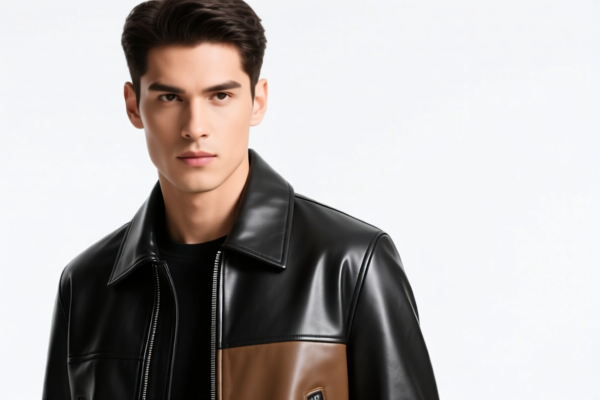
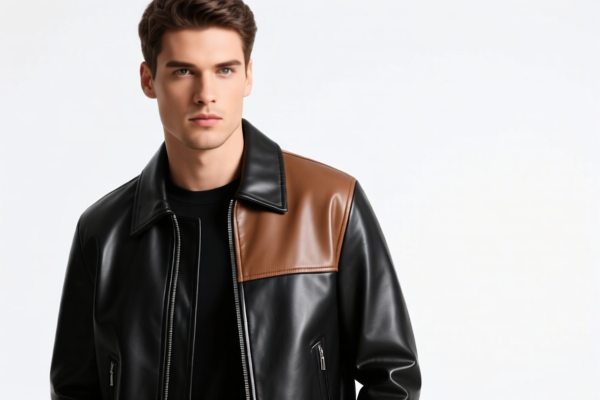
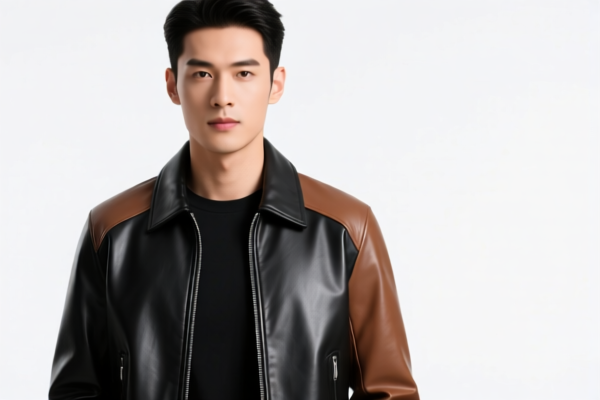

AI分析
👕 Boys' Windproof Knitted or Crochet Leather Blend Jacket
🌐 HS Code Reference & Customs Clearance Guide | 2026 Latest Tariff Analysis | Professional通关 Strategy
📌 1. Product Definition & Classification: Do You Really Understand "Leather Blend Jackets"?
A Boys' Windproof Knitted or Crochet Leather Blend Jacket is a children's outerwear garment. In international trade, classification is complex because it sits at the intersection of three categories: Fabric Composition (Knitted vs. Woven), Material (Leather vs. Textile), and Function (Windproof/Outerwear).
Key Classification Dilemmas:
- Knitted/Crochet (Chapter 61) vs. Woven (Chapter 62): Is the leather blended with knitted yarns (e.g., fleece lining) or woven synthetic fabrics?
- Leather Content: Does it meet the threshold for "Leather Articles" or is it treated as "Textile Outerwear with Leather Details"?
- Windproof Feature: Does this push it into a specific "Windbreaker" sub-category, or does it remain general outerwear?
⚠️ Critical Distinction:
- If the primary structure is Knitted/Crochet and leather is blended in → Chapter 61
- If the primary structure is Woven (even if labeled "windproof") → Chapter 62
- Misclassification Risk: Declaring a knitted item as woven (or vice versa) leads to significant duty differences and potential penalties.
📦 2. HS Code Classification Details (2026 Latest Tariff Authority Comparison)
Based on the provided data, here are the five potential HS Codes and their logical justifications:
| HS Code | Product Description & Logic | Tax Rate (Total) | Tax Detail Breakdown |
|---|---|---|---|
6201.90.69.60 |
Boys' Windproof Jacket, Leather Blend, Woven. Fits the "fallback" logic for non-cotton, non-wool, non-synthetic fiber outerwear. | 21.7% | Base: 4.2% + Section 301: 7.5% + Section 122: 10% |
6113.00.90.25 |
Boys' Jacket, Leather Blend, Knitted/Crochet. Classified under "Other" articles of apparel, knitted/crocheted. | 24.6% | Base: 7.1% + Section 301: 7.5% + Section 122: 10% |
6101.30.10.00 |
Boys' Jacket, Leather Blend, Knitted/Crochet. Specifically fits "Man-made fibers containing ≥25% leather" or similar knitted outerwear logic. | 23.1% | Base: 5.6% + Section 301: 7.5% + Section 122: 10% |
6113.00.10.05 |
Boys' Jacket, Knitted/Crochet, Leather Blend with Covering Properties. No conflict with general knitted outerwear rules. | 21.3% | Base: 3.8% + Section 301: 7.5% + Section 122: 10% |
6201.90.49.60 |
Boys' Windproof Jacket, Leather Blend, Woven. Fits the "fallback" logic for non-cotton/non-wool/non-synthetic woven outerwear. | 21.7% | Base: 4.2% + Section 301: 7.5% + Section 122: 10% |
🔍 Key Insight:
- Cheapest Option:6113.00.10.05(21.3%) — Requires proving the item is knitted/crochet with specific covering properties.
- Most Common "Fallback" Options:6201.90.69.60and6201.90.49.60(21.7%) — Used when the jacket doesn't fit specific woven categories.
- Highest Risk/Rate:6113.00.90.25(24.6%) — Higher base tariff for "Other" knitted articles.
💰 3. 2026 Latest Tariff Rate Breakdown (Including Surtaxes & Policy Add-ons)
✅ Applicable Country: United States (US)
✅ Origin: China (CN)
✅ Effective Date: Post-November 2025 (including Section 122 and 301 tariffs)
🎯 1. 6113.00.10.05 — Boys' Knitted Jacket, Leather Blend (Lowest Rate)
| Item | Content |
|---|---|
| Base Tariff | 3.8% (ad valorem) |
| Section 301 Surtax | +7.5% (Trade Act of 1974, Section 301) |
| Section 122 Surtax | +10% (Section 122 of the Trade Facilitation and Trade Enforcement Act) |
| Total Rate | 21.3% |
| Tax Calculation | CIF Value × 21.3% |
| De Minimis Eligibility | ❌ No (Deny de minimis for China-origin apparel under current enforcement) |
| Legal Basis Path | HTSUS:6113.00.10.05 → Section 301: 7.5% → Section 122: 10% |
📌 Explanation:
- Base 3.8%: Standard MFN rate for knitted boys' outerwear.
- Section 301 (7.5%): Applied to textile/apparel products from China.
- Section 122 (10%): Additional duty to offset unfair trade practices.
- Total 21.3%: The most favorable rate if the item qualifies as knitted with specific properties.
🎯 2. 6101.30.10.00 — Boys' Knitted Jacket, Leather Blend (≥25% Leather?)
| Item | Content |
|---|---|
| Base Tariff | 5.6% |
| Section 301 Surtax | +7.5% |
| Section 122 Surtax | +10% |
| Total Rate | 23.1% |
| Tax Calculation | CIF Value × 23.1% |
| De Minimis Eligibility | ❌ No |
| Legal Basis Path | HTSUS:6101.30.10.00 → Section 301: 7.5% → Section 122: 10% |
📌 Note:
- Higher base rate (5.6%) compared to6113.00.10.05.
- Often applied if the leather content meets a specific threshold (e.g., ≥25%) or if the product is classified under specific synthetic/knitted blends.
🎯 3. 6113.00.90.25 — Boys' Knitted Jacket, "Other" (Highest Rate)
| Item | Content |
|---|---|
| Base Tariff | 7.1% |
| Section 301 Surtax | +7.5% |
| Section 122 Surtax | +10% |
| Total Rate | 24.6% |
| Tax Calculation | CIF Value × 24.6% |
| De Minimis Eligibility | ❌ No |
| Legal Basis Path | HTSUS:6113.00.90.25 → Section 301: 7.5% → Section 122: 10% |
📌 Warning:
- This is a "catch-all" category for knitted articles not specified elsewhere.
- Highest total duty (24.6%). Avoid if a more specific knitted classification applies.
🎯 4. & 5. Woven Options (6201.90.69.60 & 6201.90.49.60)
| Item | Content |
|---|---|
| Base Tariff | 4.2% |
| Section 301 Surtax | +7.5% |
| Section 122 Surtax | +10% |
| Total Rate | 21.7% |
| Tax Calculation | CIF Value × 21.7% |
| De Minimis Eligibility | ❌ No |
| Legal Basis Path | HTSUS:6201.90.x.x → Section 301: 7.5% → Section 122: 10% |
📌 Note:
- These are "fallback" classifications for woven boys' outerwear.
- Total rate is 21.7%, slightly higher than the best knitted option but lower than the highest knitted option.
- Use only if the jacket is definitively woven (not knitted/crochet).
🛠️ 4. Customs Clearance Practical Advice (Real-World Pitfall Guide)
✅ 1. Document Checklist (Mandatory)
| Document | Required | Description |
|---|---|---|
| ✅ Product Spec Sheet | ✔️ | Material composition (e.g., 70% Polyester, 30% Leather), construction method (Knitted vs. Woven). |
| ✅ Fabric Swatch/Test Report | ✔️ | Third-party lab test confirming "Knitted/Crochet" vs. "Woven". Critical for Chapter 61 vs. 62. |
| ✅ Product Photos (Clear) | ✔️ | Front, back, inside lining, tags showing material content. |
| ✅ Commercial Invoice | ✔️ | Must state: "Boys' Windproof Knitted Jacket, Leather Blend." |
| ✅ Packing List | ✔️ | Item count, weight, dimensions. |
| ✅ Origin Certificate | ✔️ | If applicable, but note: China origin triggers surtaxes. |
✅ 2. Declaration Tips (Key Mantras)
🔥 "Knit vs. Woven is Life: Misclassify, Pay More!"
| Scenario | Correct Declaration | Wrong Declaration |
|---|---|---|
| Jacket is Knitted/Fleece-lined | 6113.00.10.05 or 6101.30.10.00 |
Misdeclare as Woven (6201...) → Audit risk |
| Jacket is Woven (Windbreaker style) | 6201.90.69.60 or 6201.90.49.60 |
Misdeclare as Knitted → Audit risk |
| Leather Content ≥25% | Consider 6101.30.10.00 |
Misclassify as general textile → Higher base rate |
| "Other" Knitted Article | 6113.00.90.25 |
Use only if no specific fit → Highest rate |
✅ 3. Special Handling Cases
| Scenario | Handling Advice |
|---|---|
| Mixed Materials (e.g., Leather + Cotton) | Must provide material breakdown by weight. If leather is >5%, different rules may apply. |
| Windproof Treatment | If the windproof layer is a separate membrane (e.g., Gore-Tex), ensure it's described as part of the outerwear. |
| Children's Safety Regulations | Ensure compliance with CPSC (Flammability, Cords & Drawstrings). Non-compliance leads to seizure, not just duty issues. |
| Section 122 & 301 Applicability | Both surtaxes apply to China-origin apparel. No exemption for small batches. |
🌍 5. Global Market Comparison (2026 Latest)
| Country/Region | Recommended HS Code | Total Duty (China Origin) | Certification Required | Notes |
|---|---|---|---|---|
| 🇺🇸 USA | 6113.00.10.05 (Best Case) |
21.3% - 24.6% | CPSC, Flammability | High surtaxes (301 + 122). |
| 🇨🇳 China | 6113.00.10.05 |
~8-12% | CCC (if applicable) | No 301/122 surtaxes. |
| 🇪🇺 EU | 6113.00.10.05 |
12% | CE, REACH | No Section 301/122. |
| 🇬🇧 UK | 6113.00.10.05 |
12% | UKCA, REACH | Post-Brexit rules apply. |
| 🇨🇦 Canada | 6113.00.10.05 |
17.5% | CBSA Declaration | No US-style surtaxes. |
📌 Conclusion:
- USA is the most expensive market for China-origin children's jackets due to Section 301 (7.5%) and Section 122 (10%).
- Total duty ranges from 21.3% to 24.6%, depending on precise classification.
- EU/UK/Canada are more favorable, with no additional political surtaxes.
📌 6. Common Mistakes & Pitfall Guide (Lessons Learned)
❌ Mistake 1: Declaring a Knitted jacket as Woven to avoid specific sub-rules.
👉 Consequence: Customs may reclassify to a higher-tariff code or impose penalties for misdeclaration.
❌ Mistake 2: Ignoring Section 122 (10%) and Section 301 (7.5%).
👉 Consequence: Underpayment of duties → Back taxes + Interest + Penalties.
❌ Mistake 3: Not providing Material Composition Breakdown.
👉 Consequence: Customs cannot determine if leather content ≥25% → Delayed clearance or audit.
❌ Mistake 4: Using "Jacket" as the only description.
👉 Consequence: Vague descriptions lead to "Best Judgment" classification by customs, often resulting in higher duties.
✅ Correct Approach:
"Boys' Knitted Windproof Jacket, Outer Layer: 70% Polyester Knit, 30% Leather Blend. Lining: Polyester. Model: XYZ. CPSC Compliant."
🎯 7. Conclusion: Precision Classification, Cost Savings, Compliance
🎯 Key Takeaways:
🔹 "Knitted vs. Woven" determines Chapter 61 vs. 62.
🔹 "Leather Content" affects Base Tariff (3.8% vs. 5.6% vs. 7.1%).
🔹 "Section 301 + Section 122" adds 17.5% to every duty.
🔹 Best Rate:6113.00.10.05(21.3%).
🔹 Worst Rate:6113.00.90.25(24.6%).
📌 Pro Tip:
If your product qualifies for Chapter 61 (Knitted), always aim for 6113.00.10.05 or 6101.30.10.00 to minimize base tariffs. Avoid "Other" categories (6113.00.90.25) unless absolutely necessary.
📣 Immediate Action:
📞 Consult with a licensed customs broker.
📄 Submit a Binding Ruling Request to US CBP for definitive HS Code classification.
🚀 Save up to 3.3% by choosing the optimal HS Code!
✨ Professional Clearance, Starting with Accurate Classification!
💼 Every Percentage Point Counts!
用户评价
关于 HS 编码归类
协调制度(HS)是由世界海关组织(WCO)制定的国际贸易商品分类标准。全球 200 多个国家采用 HS 系统作为海关关税、贸易统计和进出口监管的基础。
每个 HS 编码遵循以下层级结构:
- 章(2 位)——商品大类(例如:第 84 章:机器和机械设备)
- 品目(4 位)——章内的更具体分类
- 子目(6 位)——国际通用细分,所有 WCO 成员国统一使用
- 本国细分(8-10 位)——各国自行扩展的细分编码,如美国 HTSUS 10 位编码
正确的 HS 编码归类对于顺利通关、准确缴纳关税和遵守贸易法规至关重要。错误归类可能导致海关延误、多缴关税或罚款。
从CN进口到US时,适用的关税税率可能包括:
- 最惠国(MFN)税率——适用于 WTO 成员国的标准关税税率
- 普通税率——适用于无贸易协定国家
- 贸易救济关税——附加关税,如 301 条款(反倾销)、232 条款(国家安全)或反补贴税
本页内容仅供参考。如需正式归类,请咨询当地海关或持牌报关代理。