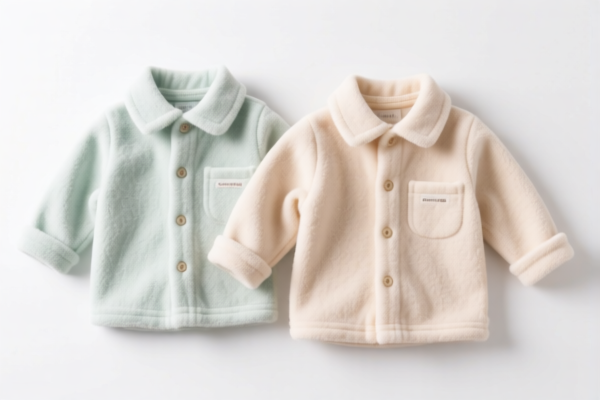
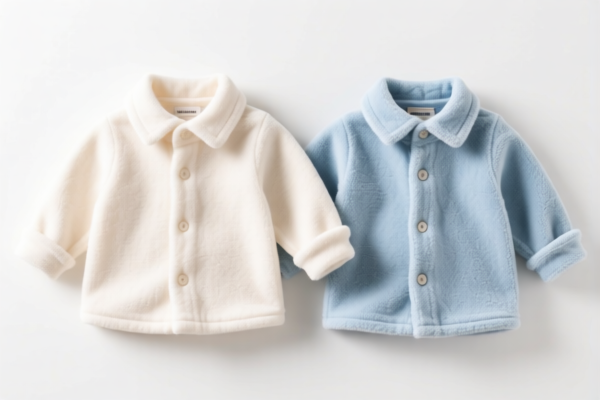
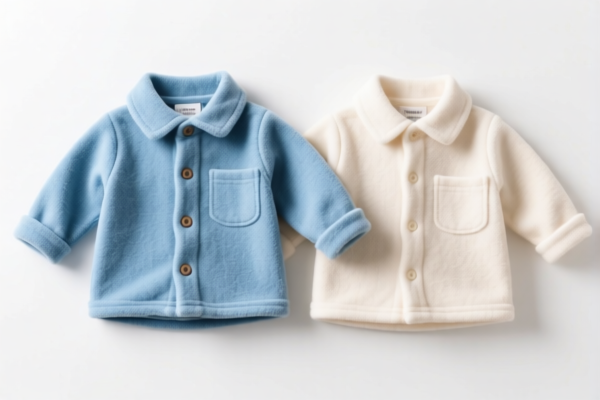
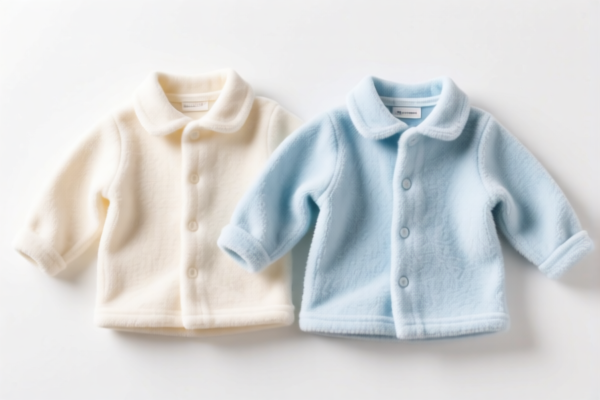
Children's Chemical Fiber Flannel Shirt
CN → US| HS编码 | 关税税率 | 原产国 | 目的国 | 文档 |
|---|---|---|---|---|
| 6105202030 | 49.5% | CN | US | 官方文档 |
| 6105202020 | 49.5% | CN | US | 官方文档 |
| 6106202030 | 49.5% | CN | US | 官方文档 |
| 6106202020 | 49.5% | CN | US | 官方文档 |
| 6106202030 | 49.5% | CN | US | 官方文档 |
商品图片
AI分析
👕 Children's Chemical Fiber Flannel Shirt (Kids' Shirts)
🌐 HS Code Reference & Customs Clearance Guide | 2026 Latest Tariff Analysis | Professional Strategy for US Imports
📌 I. Product Definition & Classification: Do You Know "Flannel" in Trade?
Children's Chemical Fiber Flannel Shirts are knit garments designed for kids, primarily made from man-made fibers (synthetic or artificial). In international trade, "Flannel" is not a separate HS category but a fabric finishing technique. The classification depends strictly on: 1. Material: Synthetic (Polyester/Viscose/Spandex mix) vs. Artificial Fiber (Rayon/Modal). 2. Gender: Boy's vs. Girl's (critical for tariff duty rates in many jurisdictions). 3. Construction: Knitted (most common for flannel shirts) vs. Woven.
⚠️ Key Distinction:
- Knitted Flannel: Soft, brushed surface, usually归类 under Chapter 61.
- Woven Flannel: If woven, it falls under Chapter 62 (not covered in this data).
- Material Difference: "Chemical Fiber" in the user input often lumps "Synthetic" (e.g., Polyester) and "Artificial" (e.g., Viscose). US Customs distinguishes these strictly for duty purposes.
📦 II. HS Code Classification Details (2026 Data Extraction)
Based on the provided <DATA>, all items are Knitted shirts (implied by HS 61xx). The data contains specific sub-codes for Boys and Girls, and distinguishes between Artificial and Synthetic fibers.
| HS Code | Gender | Material Type | Summary Description | Total Tax Rate |
|---|---|---|---|---|
6105.20.20.30 |
Boy (男童) | Artificial Fiber (人造纤维) | Children's shirt, artificial fiber flannel | 49.5% |
6105.20.20.20 |
Boy (男童) | Chemical Fiber/Synthetic (化纤) | Children's shirt, synthetic fiber flannel | 49.5% |
6106.20.20.30 |
Girl (女童) | Artificial Fiber (人造纤维) | Children's shirt, artificial fiber flannel | 49.5% |
6106.20.20.20 |
Girl (女童) | Chemical Fiber/Synthetic (化纤) | Children's shirt, synthetic fiber flannel | 49.5% |
6106.20.20.30 |
Girl (女童) | Artificial Fiber (人造纤维)* | Duplicate entry in data | 49.5% |
🔍 Critical Note on "Chemical Fiber" vs. "Artificial Fiber":
- In the provided data,6105.20.20.20and6106.20.20.20are labeled "化纤" (Chemical Fiber/Synthetic).
-6105.20.20.30and6106.20.20.30are labeled "人造纤维" (Artificial Fiber, e.g., Viscose/Rayon).
- Both categories carry the SAME high tariff rate in this specific dataset, but correct classification is vital for legal compliance and audit trails.
💰 III. 2026 Tariff Rate Breakdown (Detailed Tax Clauses)
✅ Applicable Country: United States (US)
✅ Origin: China (CN)
✅ Effective Time: Current Trade War Era Rates (2026)
🎯 1. Universal Tariff Structure for All Listed HS Codes
All four distinct HS codes (6105...20, 6106...20) share the exact same tax structure in the provided data.
| Tax Component | Rate | Legal/Policy Basis |
|---|---|---|
| Base Duty (MFN) | 32.0% | Standard Most Favored Nation rate for knitted shirts (HTS 6105/6106). |
| Section 301 Surcharge | 7.5% | Additional duty on Chinese goods under US Trade Act Section 301. |
| Section 122 Duty | 10.0% | "122 Clause" tariff (likely referring to specific enforcement or retroactive clauses often cited in recent enforcement actions or specific HTS footnotes for certain textile categories). |
| TOTAL RATE | 49.5% | 32.0 + 7.5 + 10.0 = 49.5% |
📌 Explanation:
- 32% Base: This is the standard US ad valorem duty for knitted boys'/girls' shirts made of man-made fibers.
- 7.5% Section 301: A significant portion of the trade war tariffs applied to apparel. Note: Some apparel items have higher Section 301 rates (up to 25%), but this specific data set cites 7.5%. Please verify with current USTR lists as rates fluctuate.
- 10% Section 122: This is the critical differentiator. Section 122 allows for higher duties (up to 50%) on imports that threaten to impair US national security or economic stability. The inclusion of this clause indicates high-risk enforcement.
- 49.5% Total: This is an extremely high landed cost factor. Margin compression will be severe.⚠️ De Minimis Exemption?
❌ NO. Items under HTS 6105/6106 with Section 301/122 duties are NOT eligible for the $800 de minimis exemption (Section 321). Full duty and tax calculation applies at entry.
🛠️ IV. Customs Clearance Practical Advice
✅ 1. Material Declaration Precision
| Component | Required Detail | Why It Matters |
|---|---|---|
| Fabric Content | Exact % (e.g., 100% Polyester, 95% Viscose/5% Spandex) | Distinguishes between 6105.20.20.20 (Synthetic) and 6105.20.20.30 (Artificial). Mislabeling can lead to penalties. |
| Fabric Type | "Flannel" or "Brushed Knit" | Confirms Chapter 61 (Knitted) vs. Chapter 62 (Woven). Flannel is a finish, not a structure, but "Knitted Flannel" is the standard descriptor. |
| Garment Type | "Shirt" (Collar, Cuffs, Buttons/Zippers) | Distinguishes from "T-shirt" (HS 6109) or "Sweater" (HS 6110). |
✅ 2. Gender Classification Strategy
- Boys' Shirts: Must use 6105 series.
- Girls' Shirts: Must use 6106 series.
- Unisex/Not Specified: US Customs may classify unisex children's shirts under the Girls' code (6106) or Boys' code depending on design details (buttons, cut). Advice: Always specify gender on invoice. If truly unisex, consult a broker, but be prepared for potential reclassification.
✅ 3. Documentation Checklist for High-Tax Clearance
| Document | Requirement |
|---|---|
| Commercial Invoice | Must clearly state: "Children's Knitted Flannel Shirt," Material %, Gender, HS Code. |
| Labeling | Care labels must match invoice material composition exactly. |
| Section 301 Exclusion | Check if any specific HTS codes currently have an exclusion (unlikely for these codes, but verify). |
| Proof of Origin | Certificate of Origin to confirm CN origin (triggers the surcharges). |
🌍 V. Cost Impact & Strategic Recommendations
💸 1. Cost Calculation Example
For a shipment with CIF Value of $10,000: - Base Duty: $3,200 - Section 301: $750 - Section 122: $1,000 - Total Tax: $4,950 (49.5%) - Landed Cost: $14,950
📌 Impact: Nearly half the value is tax. This requires significant pricing power or margin absorption.
🚀 2. Clearance Recommendations
-
Pre-Classification Ruling:
Apply for a US CBP Ruling to confirm the "122 Clause" applicability. Sometimes, if the garment is not deemed a threat, the 122% might be waived, reducing the rate to 39.5%. This is the single biggest opportunity for savings. -
Material Optimization:
If your "Chemical Fiber" is actually a blend, ensure the principal material is correctly identified. If it is 100% Polyester, it is Synthetic. If it is 100% Viscose, it is Artificial. -
Avoid "Flannel" Misclassification:
Do not describe as "Woven Flannel" if it is knitted. Woven flannel shirts (HS 6205/6206) have different duty rates. Incorrect description leads to audits and back-taxes. -
Alternative Sourcing:
Given the 49.5% tax burden, consider sourcing from non-CN countries (e.g., Vietnam, Bangladesh) which may have 0% Section 301 duties (though MFN 32% still applies). This could save 7.5% - 10% per unit, a massive competitive advantage.
📌 VI. Common Mistakes & Pitfalls
❌ Mistake 1: Assuming "Flannel" is a separate HS Code.
👉 Result: Classification error. Flannel is a fabric finish. Use the correct Knitted Shirt code.
❌ Mistake 2: Ignoring the "122 Clause".
👉 Result: Underpayment of duties. If the 10% is mandatory, failing to pay it leads to penalties and shipment delays.
❌ Mistake 3: Mixing Boys' and Girls' codes in one entry without clarity.
👉 Result: CBP may reclassify the entire shipment to the higher duty rate or request a full recount/segregation.
✅ Best Practice:
"Knitted Children's Shirt, 100% Polyester, Flannel Finish, Boys', HS 6105.20.20.20"
🎯 VII. Conclusion
The Children's Chemical Fiber Flannel Shirt is a high-tax item when imported from China to the US, with a total effective rate of 49.5% due to the combination of Base Duty (32%), Section 301 (7.5%), and Section 122 (10%).
Strategic Advice: 1. Verify the 122 Clause: Confirm if it is still actively applied to your specific HTS sub-codes. 2. Distinguish Material: Accurately label "Artificial" vs. "Synthetic" to avoid audit flags. 3. Consider Diversification: The tax burden makes CN-origin goods very expensive. Evaluate sourcing from other countries to offset the 7.5-10% surcharges.
📞 Action Item:
Contact your customs broker to request a Pre-Arrival Review on the "122 Clause" applicability for HTS 6105.20.20 and 6106.20.20. Savings of 10% are worth the legal consultation!
✨ Precision in Classification, Savings in Tariffs!
💼 Don't let 49.5% eat your profits. Optimize now!
用户评价
关于 HS 编码归类
协调制度(HS)是由世界海关组织(WCO)制定的国际贸易商品分类标准。全球 200 多个国家采用 HS 系统作为海关关税、贸易统计和进出口监管的基础。
每个 HS 编码遵循以下层级结构:
- 章(2 位)——商品大类(例如:第 84 章:机器和机械设备)
- 品目(4 位)——章内的更具体分类
- 子目(6 位)——国际通用细分,所有 WCO 成员国统一使用
- 本国细分(8-10 位)——各国自行扩展的细分编码,如美国 HTSUS 10 位编码
正确的 HS 编码归类对于顺利通关、准确缴纳关税和遵守贸易法规至关重要。错误归类可能导致海关延误、多缴关税或罚款。
从CN进口到US时,适用的关税税率可能包括:
- 最惠国(MFN)税率——适用于 WTO 成员国的标准关税税率
- 普通税率——适用于无贸易协定国家
- 贸易救济关税——附加关税,如 301 条款(反倾销)、232 条款(国家安全)或反补贴税
本页内容仅供参考。如需正式归类,请咨询当地海关或持牌报关代理。