Children's Fruit Knife Toy
CN → US| HS编码 | 关税税率 | 原产国 | 目的国 | 文档 |
|---|---|---|---|---|
| 3926909989 | 22.8% | CN | US | 官方文档 |
| 8211924060 | 0.0% | CN | US | 官方文档 |
| 8211915060 | 0.0% | CN | US | 官方文档 |
| 9503000071 | 10.0% | CN | US | 官方文档 |
| 9503000073 | 10.0% | CN | US | 官方文档 |
商品图片
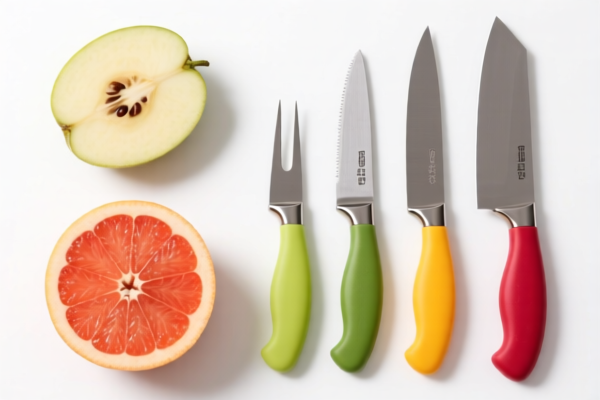
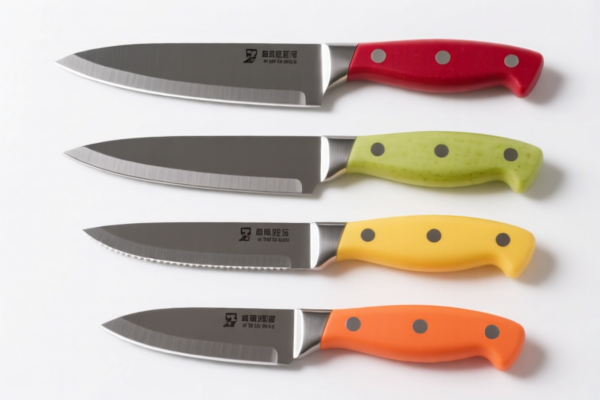
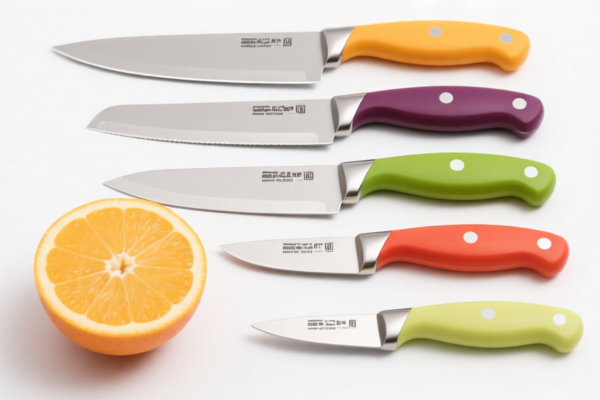
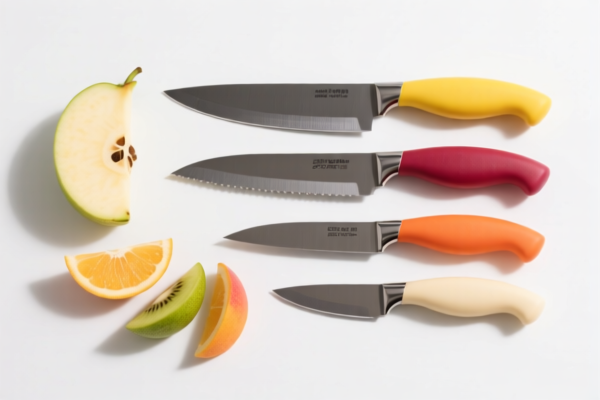
AI分析
🍎 Children’s Fruit Knife Toy (Plastic Play Knife for Kids)
🌐 HS Code Reference & Customs Clearance Guide | 2026 Latest Tariff Analysis | Professional Compliance Strategy
📌 I. Product Definition & Classification: What Exactly Is a "Children's Fruit Knife Toy"?
A "Children's Fruit Knife Toy" is a plastic replica of a kitchen knife designed for imaginative play, role-playing, or pretend cooking. It is not a functional cutting tool. In international trade, its classification depends heavily on whether it is marketed specifically as a toy or if it lacks the specific characteristics of a toy and is instead viewed as a plastic household item or other article of plastic.
⚠️ Key Distinction:
- If the item is clearly identifiable as a toy (bright colors, child-friendly size, marketed for play) → Chapter 95 (Toys)
- If it looks like a real kitchen utensil but is plastic, and not primarily marketed as a toy → Chapter 39 (Plastics Articles) or Chapter 82 (Tools/Knives)
- Critical Note: Even if "toy-like," customs authorities may classify it under Chapter 82 if it resembles a real tool, potentially triggering higher Section 301 tariffs.
📦 II. HS Code Classification Details (2026 Latest Tariff Regime)
| HS Code | Product Description | 适用场景 (Application) | Key Classification Reason |
|---|---|---|---|
3926.90.99.89 |
Other articles of plastic, not elsewhere specified | General plastic items, non-toy plastic replicas | Classified as "Plastic Article" due to lack of specific toy features |
8211.92.40.60 |
Knives with handles of other materials (e.g., plastic), not sharp | Plastic-handled knives, non-edged, non-functional | Classified as "Knife" (non-functional) due to shape resemblance |
8211.91.50.60 |
Fixed blade knives, other | Plastic knives with fixed blade shape | Classified as "Other Knives" due to structural similarity |
9503.00.00.71 |
Toys representing animals, human figures, or other objects | Primary Toy Classification: Children's play knives | Classified as a "Toy" due to intent, design, and marketing |
9503.00.00.73 |
Other toys (e.g., puzzle toys, construction toys) | General plastic toys not fitting other toy categories | Alternative toy classification for non-specific play items |
🔍 Important Reminder:
- Chapter 95 (Toys) offers the lowest tariff burden but requires proof that the item is primarily a toy (e.g., packaging, marketing, safety certifications for children).
- Chapter 82 & 39 may apply if the item is deemed a "utensil" or "article of plastic" rather than a toy. Be cautious: Misclassification can lead to audits, penalties, and retroactive tariffs.
💰 III. 2026 Latest Tariff Rate Breakdown (Including Surcharges & Policy Add-ons)
✅ Applicable Country: United States (US)
✅ Origin: China (CN)
✅ Effective Date: 2025年11月10日起 (From November 10, 2025, for subsequent imports)
🎯 1. 3926.90.99.89 —— Other Articles of Plastic
| Item | Content |
|---|---|
| Base Tariff | 5.3% (ad valorem) |
| Section 301 Surcharge | +7.5% |
| Section 122 Tariff | +10% |
| Total Tariff Rate | 22.8% |
| Tax Calculation | CIF Value × 22.8% |
| De Minimis Eligibility | ❌ No (deny_de_minimis for Section 301/122 items) |
| Legal Basis Path | USITC:3926.90.99.89 → Section 301:7.5% → Section 122:10% |
📌 Explanation:
- This classification applies to general plastic items not specifically designed as toys.
- 22.8% total tariff is significant but lower than some Section 82 classifications.
- Not eligible for de minimis exemption due to Section 301/122 surcharges.
🎯 2. 8211.92.40.60 —— Knives with Plastic Handles (Non-Functional)
| Item | Content |
|---|---|
| Base Tariff | 1¢ each + 4.6% (ad valorem) |
| Section 301 Surcharge | +0.0% |
| Section 122 Tariff | +10% |
| Total Tariff Rate | 1¢ each + 14.6% (4.6% + 10%) |
| Tax Calculation | (1¢ × Quantity) + (CIF Value × 14.6%) |
| De Minimis Eligibility | ❌ No |
| Legal Basis Path | USITC:8211.92.40.60 → Section 122:10% |
📌 Note:
- The "1¢ each" is a specific duty added to the ad valorem rate.
- Section 301 does NOT apply to this subheading, which is a significant advantage.
- However, Section 122 (10%) still applies, making the total rate 14.6% + 1¢/unit.
🎯 3. 8211.91.50.60 —— Fixed Blade Plastic Knives (Other Knives)
| Item | Content |
|---|---|
| Base Tariff | 0.7¢ each + 3.7% (ad valorem) |
| Section 301 Surcharge | +7.5% |
| Section 122 Tariff | +10% |
| Total Tariff Rate | 0.7¢ each + 21.2% (3.7% + 7.5% + 10%) |
| Tax Calculation | (0.7¢ × Quantity) + (CIF Value × 21.2%) |
| De Minimis Eligibility | ❌ No |
| Legal Basis Path | USITC:8211.91.50.60 → Section 301:7.5% → Section 122:10% |
📌 Warning:
- This classification triggers Section 301 (7.5%) and Section 122 (10%), resulting in a high total rate.
- The specific duty (0.7¢/unit) is minimal, but the ad valorem rate is high.
🎯 4. 9503.00.00.71 —— Children’s Toys (Plastic)
| Item | Content |
|---|---|
| Base Tariff | 0.0% |
| Section 301 Surcharge | +0.0% |
| Section 122 Tariff | +10% |
| Total Tariff Rate | 10.0% |
| Tax Calculation | CIF Value × 10.0% |
| De Minimis Eligibility | ❌ No (Section 122 applies) |
| Legal Basis Path | USITC:9503.00.00.71 → Section 122:10% |
📌 Key Advantage:
- No Base Tariff (0%) and No Section 301 Surcharge.
- Only Section 122 (10%) applies, making this the most tax-efficient classification if the item is clearly a toy.
- Critical: Must provide evidence that the item is a toy (e.g., children’s packaging, safety certifications, marketing materials).
🎯 5. 9503.00.00.73 —— Other Toys (Plastic)
| Item | Content |
|---|---|
| Base Tariff | 0.0% |
| Section 301 Surcharge | +0.0% |
| Section 122 Tariff | +10% |
| Total Tariff Rate | 10.0% |
| Tax Calculation | CIF Value × 10.0% |
| De Minimis Eligibility | ❌ No |
| Legal Basis Path | USITC:9503.00.00.73 → Section 122:10% |
📌 Note:
- Identical tariff structure to9503.00.00.71.
- Use this if the toy does not fit the "animal/human figure" description of71.
🛠️ IV. Customs Clearance Practical Advice (Expert Pitfall Avoidance Guide)
✅ 1. Documentation Checklist (Essential Items)
| Document | Required | Explanation |
|---|---|---|
| ✅ Product Specifications | ✔️ | Include dimensions, material (plastic), blade type (fixed/none), safety features |
| ✅ Product Photos | ✔️ | Clear images showing child-friendly design, packaging, and lack of sharp edges |
| ✅ Marketing Materials | ✔️ | Brochures, website screenshots, or packaging labels stating "Toy for Children" |
| ✅ Safety Certifications | ✔️ | CPC (Children’s Product Certificate), ASTM F963, CPSIA compliance |
| ✅ Commercial Invoice | ✔️ | Clearly state "Plastic Toy Knife for Children" – NOT "Kitchen Utensil" |
| ✅ Packing List | ✔️ | Detail contents to avoid confusion with real kitchen tools |
| ✅ Certificate of Origin | ✔️ | Required for origin verification and tariff calculation |
✅ 2. Declaration Tips (Key Mnemonic)
🔥 "Toy First, Tool Second; Package Matters, Tariff Drops!"
| Scenario | Correct Declaration | Wrong Approach |
|---|---|---|
| Clear Toy Design (bright colors, small size) | 9503.00.00.71 or 73 |
Misdeclaring as "Knife" → 21.2% + 0.7¢ |
| Realistic Replica (looks like real knife) | 9503.00.00.71 with strong evidence |
Misdeclaring as 8211.92.40.60 → 14.6% + 1¢ |
| Generic Plastic Item | 3926.90.99.89 |
Misdeclaring as "Toy" without proof → Risk of audit |
| Mixed Shipment (toys + real knives) | Separate Declarations | Combined declaration → Potential penalties |
✅ 3. Special Case Handling
| Scenario | Handling Advice |
|---|---|
| OEM Custom Toys | Provide client design specs and marketing materials to prove toy intent |
| Packaging with Real Utensils | If packaged with real knives, risk reclassification. Declare separately if possible |
| Age-Appropriate Labeling | Clearly mark "For Children 3+" or similar to support toy classification |
| Material Safety Data Sheet (MSDS) | Provide if requested, to confirm non-toxic, child-safe plastic |
🌍 V. Global Market Clearance Comparison (2026 Latest)
| Country/Region | Recommended HS Code | Tariff | Certification Requirements | Notes |
|---|---|---|---|---|
| 🇺🇸 United States | 9503.00.00.71 |
10% (Section 122) | CPC, ASTM F963, CPSIA | Best option for toys |
| 🇨🇳 China | 9503.00.00.71 |
0% | CCC (if applicable) | No additional surcharges |
| 🇪🇺 European Union | 9503.00.00.71 |
0% (if CE marked) | CE, EN71, REACH | No Section 301/122 equivalents |
| 🇬🇧 United Kingdom | 9503.00.00.71 |
0% | UKCA, BS EN71 | Post-Brexit standards apply |
| 🇯🇵 Japan | 9503.00.00.71 |
0% | PSE, JIS | No additional surcharges |
📌 Conclusion:
- The US is the only major market with significant additional tariffs (Section 122) on toys from China.
- China, EU, UK, and Japan have 0% base tariffs for toys, making them more cost-effective for export.
- Strategy: If targeting the US, ensure impeccable toy classification documentation to avoid higher Section 301 tariffs.
📌 VI. Common Errors & Pitfall Avoidance (Lessons Learned)
❌ Mistake 1: Declaring a "toy knife" as a "kitchen utensil" or "tool"
👉 Consequence: Tariff jumps from 10% to 21.2% + 0.7¢ → Higher costs and audits!
❌ Mistake 2: Providing vague product descriptions like "Plastic Knife"
👉 Consequence: Customs may classify under 3926 or 8211, leading to higher tariffs → Compensatory duties!
❌ Mistake 3: No safety certifications (CPC, ASTM)
👉 Consequence: Detention at customs, delays, or refusal of entry → Lost sales!
❌ Mistake 4: Packaging suggests adult use (e.g., "Kitchen Tool")
👉 Consequence: Customs rejects toy classification → Reclassification penalties!
✅ Correct Approach:
"Children’s Plastic Toy Knife, Non-Sharp, Brightly Colored, for Pretend Play, CPC Certified, Model: TK-2026, Packaged in Child-Safe Box"
🎯 VII. Conclusion: Professional Declaration Saves Money!
🎯 Remember the Mantra:
🔹 "Toy First, Tool Second; Package Matters, Tariff Drops!"
🔹 "HS Code Defines Life; 10% vs 21%, Declare Right to Thrive!"
📌 Pro Tip:
- If your toy knife originates from Vietnam, Mexico, Thailand, or Malaysia, you may be eligible for Section 301 exemptions (if applicable), reducing tariffs to 0%~5%.
- Recommendation: Apply for an Advance Ruling from US Customs to confirm HS Code classification before shipment.
📣 Immediate Action:
📞 Contact a Professional Customs Broker + Provide Product Images + Apply for HS Code Advance Ruling
🚀 Ensure Smooth Clearance, Efficient Export, and Maximized Profits!
✨ Professional Clearance Starts with Accurate Classification!
💼 Every Cent Counts – Calculate Precisely!
用户评价
关于 HS 编码归类
协调制度(HS)是由世界海关组织(WCO)制定的国际贸易商品分类标准。全球 200 多个国家采用 HS 系统作为海关关税、贸易统计和进出口监管的基础。
每个 HS 编码遵循以下层级结构:
- 章(2 位)——商品大类(例如:第 84 章:机器和机械设备)
- 品目(4 位)——章内的更具体分类
- 子目(6 位)——国际通用细分,所有 WCO 成员国统一使用
- 本国细分(8-10 位)——各国自行扩展的细分编码,如美国 HTSUS 10 位编码
正确的 HS 编码归类对于顺利通关、准确缴纳关税和遵守贸易法规至关重要。错误归类可能导致海关延误、多缴关税或罚款。
从CN进口到US时,适用的关税税率可能包括:
- 最惠国(MFN)税率——适用于 WTO 成员国的标准关税税率
- 普通税率——适用于无贸易协定国家
- 贸易救济关税——附加关税,如 301 条款(反倾销)、232 条款(国家安全)或反补贴税
本页内容仅供参考。如需正式归类,请咨询当地海关或持牌报关代理。