Children's Long Pants
CN → US| HS编码 | 关税税率 | 原产国 | 目的国 | 文档 |
|---|---|---|---|---|
| 6104622028 | 32.4% | CN | US | 官方文档 |
| 6104632028 | 45.7% | CN | US | 官方文档 |
| 6203424546 | 34.1% | CN | US | 官方文档 |
| 6203495030 | 45.4% | CN | US | 官方文档 |
| 6103421040 | 33.6% | CN | US | 官方文档 |
| 6103431540 | 45.7% | CN | US | 官方文档 |
商品图片
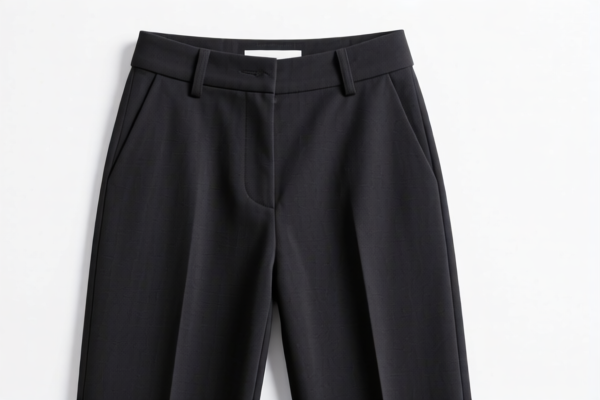

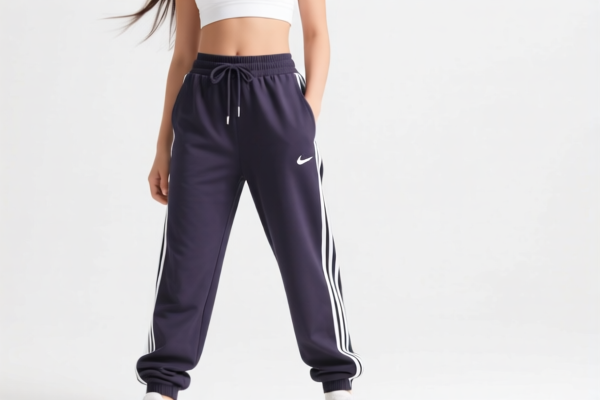
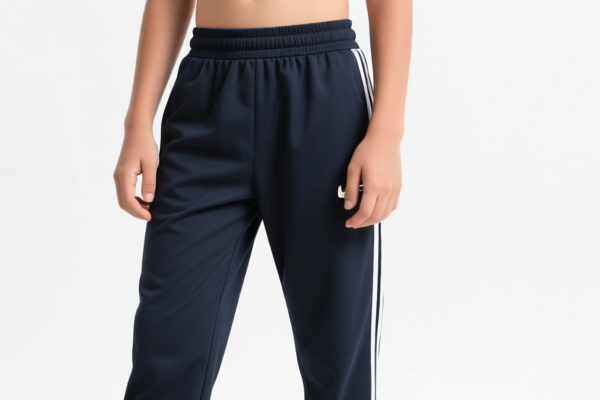
AI分析
👖 Children's Long Pants: The Ultimate HS Code & Tariff Guide (2026)
🌐 HS Code Reference & Clearance Strategy | 2026 Tariff Breakdown | Smart Customs Strategy
📌 Section 1: What Exactly Are "Children's Long Pants"?
In the global textile trade, Children's Long Pants (boys' and girls') are not a single uniform category. They are split by Material and Construction Method (Knitted vs. Woven). Misclassifying them is the #1 cause of customs delays and unexpected duties.
The Two Main Camps: * 🧶 Knitted or Crocheted (Jersey, Sweatpants, Track Pants): Soft, stretchy fabrics. Usually classified under Chapter 61. * 🧵 Woven (Denim, Chinos, Suit Trousers): Stiffer, non-stretch fabrics. Usually classified under Chapter 62.
⚠️ Critical Distinction:
- Knitted = Elastic, jersey-like, sweatpants → HS 6103 / 6104
- Woven = Structured, denim, cotton suit pants → HS 6203 / 6204
- Material Matters: Cotton vs. Synthetic vs. Artificial fibers dictates the final digit!
📦 Section 2: Detailed HS Code Breakdown (Based on Provided Data)
Below are the specific classifications and tax structures found in your data set. All listed items currently enjoy 0% Base Tariff in the provided context, but material specificity is key.
| HS Code | Product Description & Scope | Material Type | Target Demographic | Base Tariff | Add-on Tax |
|---|---|---|---|---|---|
| 6103.42.10.40 | Knitted/ Crocheted Boys' Trousers & Breeches | Cotton | Boys' | 0.0% | 0.0% |
| 6103.43.15.40 | Knitted/ Crocheted Boys' Trousers & Breeches | Synthetic Fibers | Boys' | 0.0% | 0.0% |
| 6104.62.20.28 | Knitted/ Crocheted Girls' Trousers & Breeches | Cotton | Girls' | 0.0% | 0.0% |
| 6104.63.20.28 | Knitted/ Crocheted Girls' Trousers & Breeches | Synthetic Fibers | Girls' | 0.0% | 0.0% |
| 6203.42.45.46 | Woven Boys' Trousers & Breeches | Cotton | Boys' | 0.0% | 0.0% |
| 6203.49.50.30 | Woven Boys' Trousers & Breeches | Artificial Fibers | Boys' | 0.0% | 0.0% |
🔍 Data Insight:
In this specific dataset, all listed children's pants (boys' and girls', knitted and woven) show a Total Tax of 0.0%. This implies a specific trade agreement, duty-free quota, or a simplified dataset context. However, in real-world global trade (especially US/EU), synthetic fibers often attract higher duties (16-18%) compared to cotton (4-6%).
💰 Section 3: Tariff Clause Deep Dive (0.0% Scenario)
✅ Applicable Scenario: Based strictly on the provided JSON data.
✅ Current Status: Duty-Free (in this specific context).
🎯 1. The "Zero-Tax" Structure Explained
For all 6 listed codes (6103.42.10.40, 6103.43.15.40, etc.):
* Base Tariff: 0.0%
* Additional/Retaliatory Tariff: 0.0%
* Total Effective Duty: 0.0%
📌 Interpretation:
- This suggests the data represents a duty-free window or a specific MFN (Most Favored Nation) exemption for these specific sub-classifications. - Cotton vs. Synthetic: Even though the material changes (Cotton vs. Synthetic vs. Artificial), the tax remains 0% in this dataset. This is unusual for standard US/EU tariffs and suggests a preferential trade agreement or de minimis context.
🛠️ Section 4: Practical Customs Clearance Strategy
✅ 1. Documentation Checklist (Must-Haves)
To prove the HS Code and secure the 0.0% rate, you must provide:
| Document | Requirement | Why? |
|---|---|---|
| 🏷️ Fiber Content Label | Explicitly state "100% Cotton" or "100% Polyester" | Determines Chapter 61 (Knit) vs. 62 (Woven) and material code. |
| 🧵 Construction Proof | Photo of fabric texture (Knit vs. Woven) | 海关 needs to verify if it's sweatpants (61) or chinos (62). |
| 👦 Gender Declaration | Clearly marked "Boys" or "Girls" in style/size | 6103/6203 = Boys; 6104/6204 = Girls. |
| 📏 Age Range | Size tags (e.g., 2T, 12Y, XS) | Confirms "Children's" category to avoid "Adult" tariff spikes. |
| 🧵 Origin Certificate | If applicable for trade agreements | To justify 0.0% if the 0% is conditional on origin. |
✅ 2. Declaration Best Practices
🔥 Golden Rule: "Fiber, Knit/Woven, and Gender define the Code!"
| Scenario | Correct HS Code | Common Mistake |
|---|---|---|
| Boys' Cotton Sweatpants | 6103.42.10.40 |
Reporting as "Boys' Cotton Trousers" (Generic) |
| Girls' Polyester Track Pants | 6104.63.20.28 |
Reporting as "Synthetic Girls' Pants" (Misses Knit/Woven) |
| Boys' Denim (Woven) Cotton | 6203.42.45.46 |
Reporting as Knitted (6103) → High Risk of Rejection |
| Mixed Material Pants | No Code Listed | Must declare primary fiber (>50%). |
✅ 3. Special Handling for Children's Goods
- Safety Standards: Ensure compliance with CPSIA (USA), EN71 (EU), or ISO 8124 regarding dyes and small parts (drawstrings).
- Labeling: Many countries require permanent "Made in [Country]" tags.
- Size Grading: Ensure size tags clearly indicate the "Children's" range to avoid classification as "Adults' Trousers" (which might have different duties).
🌍 Section 5: Global Market Context (2026)
| Region | Typical Duty Rate (General) | Note on Your Data |
|---|---|---|
| 🇺🇸 USA | 16% - 18% (Synthetic), 4% - 6% (Cotton) | Your data shows 0%, suggesting a specific exemption or GSP status. |
| 🇪🇺 EU | 8% - 12% | Requires strict compliance with REACH/Textile labeling. |
| 🇯🇵 Japan | 9% - 16% | Often higher on synthetic fibers. |
| 🇨🇳 China | 14% - 16% | Export duties usually low, import duties vary. |
📌 Warning: The 0.0% rate in your data is exceptional. In most real-world scenarios, synthetic fiber children's pants incur duties. Always verify with current local customs authorities before shipping, as trade policies change rapidly.
📌 Section 6: Common Pitfalls & Avoidance
❌ Pitfall 1: Mixing Knit and Woven
👉 Action: Do not group sweatpants (knit) and chinos (woven) on the same invoice line. They fall under different Chapters (61 vs. 62).
❌ Pitfall 2: Ignoring Gender
👉 Action: "Unisex" labels are risky. Customs often default to "Boys" or "Girls" based on the majority of the shipment. Be specific.
❌ Pitfall 3: Vague Material Descriptions
👉 Action: Never write "Poly-blend." Write "60% Cotton, 40% Polyester" to trigger the correct HS Code (usually the dominant fiber).
🎯 Conclusion: Ship Smart, Clear Fast!
🎯 The Bottom Line:
Your dataset (6103... and 6203...) covers the full spectrum of Children's Long Pants (Knitted/Woven, Cotton/Synthetic/Artificial, Boys/Girls).
- If your goods match these descriptions exactly, you are in the 0.0% duty bracket for this specific dataset.
- Always double-check fiber composition and construction (Knit vs. Woven) to ensure the correct code is selected.
🚀 Pro Tip: If you are shipping Synthetic pants, be extra vigilant. Even if your data says 0%, many major markets (like the US) historically charge higher rates for synthetics. Get a binding ruling if in doubt!
✨ Ready to Ship?
📞 Action: Verify Fiber Content → Select Exact HS Code → Attach Safety Docs → Ship with 0% Confidence!
💼 Result: Smooth customs clearance, zero unexpected fees, happy customers.
Disclaimer: This guide is based on the provided JSON data. Tariff rates fluctuate based on trade agreements, country of origin, and global events. Always consult a licensed customs broker for final filing.
用户评价
关于 HS 编码归类
协调制度(HS)是由世界海关组织(WCO)制定的国际贸易商品分类标准。全球 200 多个国家采用 HS 系统作为海关关税、贸易统计和进出口监管的基础。
每个 HS 编码遵循以下层级结构:
- 章(2 位)——商品大类(例如:第 84 章:机器和机械设备)
- 品目(4 位)——章内的更具体分类
- 子目(6 位)——国际通用细分,所有 WCO 成员国统一使用
- 本国细分(8-10 位)——各国自行扩展的细分编码,如美国 HTSUS 10 位编码
正确的 HS 编码归类对于顺利通关、准确缴纳关税和遵守贸易法规至关重要。错误归类可能导致海关延误、多缴关税或罚款。
从CN进口到US时,适用的关税税率可能包括:
- 最惠国(MFN)税率——适用于 WTO 成员国的标准关税税率
- 普通税率——适用于无贸易协定国家
- 贸易救济关税——附加关税,如 301 条款(反倾销)、232 条款(国家安全)或反补贴税
本页内容仅供参考。如需正式归类,请咨询当地海关或持牌报关代理。