Children's Modal Fabric Underwear
CN → US| HS编码 | 关税税率 | 原产国 | 目的国 | 文档 |
|---|---|---|---|---|
| 6107199000 | 23.1% | CN | US | 官方文档 |
| 6109901090 | 49.5% | CN | US | 官方文档 |
| 6109901070 | 49.5% | CN | US | 官方文档 |
| 6108299000 | 30.8% | CN | US | 官方文档 |
| 6108920025 | 33.5% | CN | US | 官方文档 |
商品图片
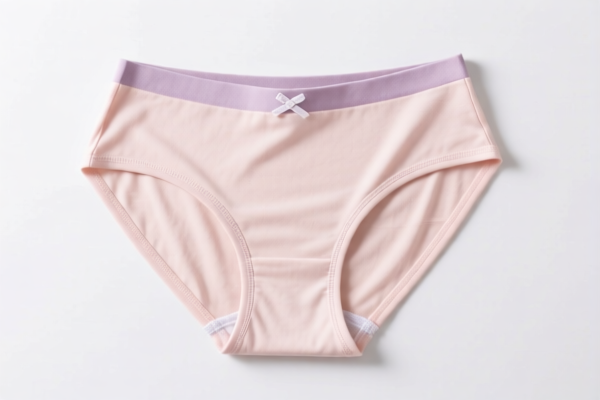
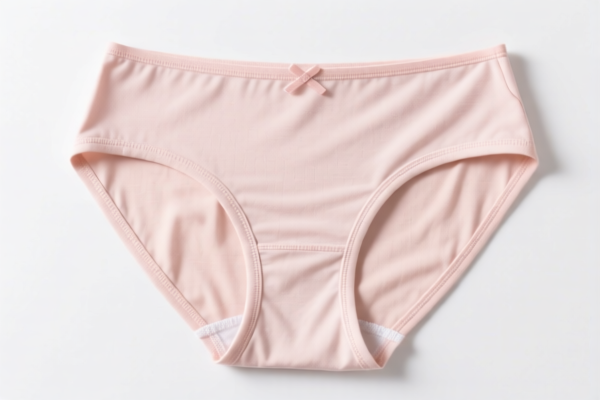
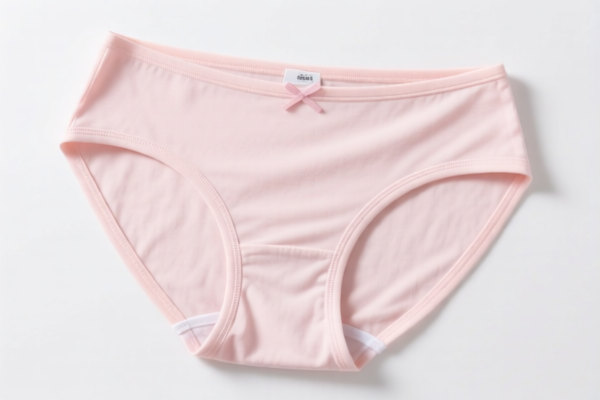
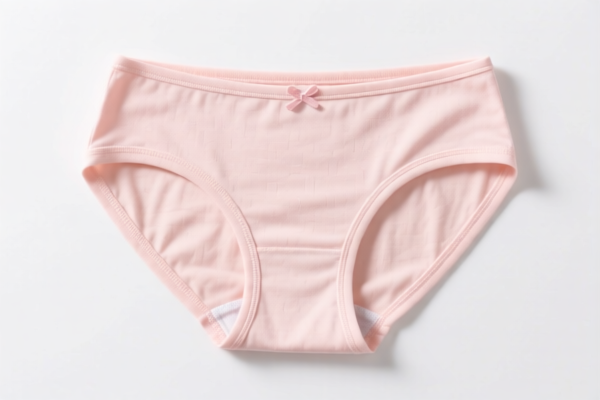
AI分析
👶 Children's Modal Fabric Underwear (Knitted)
🌐 HS Code Reference & Customs Clearance Guide | 2026 Latest Tariff Analysis | Professional Compliance Strategy
📌 1. Product Definition & Classification: What Exactly is "Children's Modal Underwear"?
Children's Modal fabric underwear refers to knitted garments primarily made from modal (a type of regenerated cellulose fiber) or blended with other textile materials, designed for children's undergarments. In international trade, the classification varies significantly based on the fiber composition, garment structure (briefs vs. camisoles/tops), and material type (man-made vs. other).
⚠️ Key Distinction Points:
- Briefs/Panties (Underwear proper): Typically fall under 6107 (Men’s/Boys’) or 6108 (Women’s/Girls’) headings depending on gender and style.
- Tops/Camisoles (Innerwear that is not underwear proper): Fall under 6109 (T-shirts, singlets, and other vests).
- Material Basis: Modal is classified as man-made fibers (viscose/rayon family). If blended, the principal material determines the subheading.
- Knitted vs. Woven: Modal underwear is almost exclusively knitted, placing it in Chapter 61.
📦 2. HS Code Classification Details (Based on Provided Data)
The following HS Codes are derived from the provided dataset for "Children's Modal Fabric Underwear." Note that the dataset presents conflicting summaries for similar codes, indicating potential ambiguities in material description or structural interpretation.
| HS Code | Summary Description | Total Tax Rate | Tax Breakdown |
|---|---|---|---|
6107.19.90.00 |
Children's Modal Underwear, Knitted, Other Textile Materials | 23.1% | Base: 5.6% + Section 301: 7.5% + 122 Clause: 10% |
6109.90.10.90 |
Children's Modal Underwear, Other Textile Materials, Man-Made Fiber Innerwear | 49.5% | Base: 32.0% + Section 301: 7.5% + 122 Clause: 10% |
6109.90.10.70 |
Children's Modal Underwear, Knitted Innerwear, Other Textile Materials, Man-Made Fiber | 49.5% | Base: 32.0% + Section 301: 7.5% + 122 Clause: 10% |
6108.29.90.00 |
Children's Modal Underwear, Made of Other Textile Materials | 30.8% | Base: 13.3% + Section 301: 7.5% + 122 Clause: 10% |
6108.92.00.25 |
Children's Modal Underwear, Knitted/Fabric Category, Man-Made Fiber | 33.5% | Base: 16.0% + Section 301: 7.5% + 122 Clause: 10% |
🔍 Critical Analysis:
- The "Modal" Paradox: Modal is a man-made fiber (viscose). However, HS Code6107.19.90.00lists "Other Textile Materials," implying it might be classified under a general catch-all if not specifically identified as viscose/man-made in certain contexts, or the description is simplified.
- The 49.5% Penalty Zone: Codes6109.90.10.90and6109.90.10.70carry the highest burden (49.5%). These fall under Chapter 61.09 (T-shirts, singlets, etc.), suggesting that if the item is classified as a vest/top rather than briefs/panties, the base tariff jumps to 32%.
- Chapter 61.08 vs. 61.07:
-6108generally covers girls'/women's underpants/nightdresses/petticoats.
-6107generally covers boys'/men's underpants/boxers.
- The dataset includes both, implying gender-neutral or ambiguous descriptions. Proper classification requires knowing the intended gender and specific garment type.
💰 3. 2026 Tariff Rate Detailed Explanation (US Market Focus)
✅ Applicable Country: United States (US)
✅ Origin: China (CN) (Assumed based on "122 Clause" and Section 301 context)
✅ Effective Date: Current tariffs apply as per 2025/2026 trade policies.
🎯 Scenario A: Low-Tax Classification (e.g., 6107.19.90.00)
Rate: 23.1%
| Item | Detail |
|---|---|
| Base Tariff | 5.6% (General Rate for other underwear) |
| Section 301 Tariff | +7.5% (Additional duty on Chinese goods) |
| Section 122 Tariff | +10% (Additional duty on specific textile categories) |
| Total Rate | 23.1% |
| Calculation | CIF Value × 23.1% |
| De Minimis | ❌ Not Eligible (Section 301 and 122 duties apply even to low-value shipments if not exempted by specific rules) |
📌 Interpretation:
This is the most favorable classification in the dataset. It applies if the item is correctly identified as underwear (6107) with "other textile materials" (possibly implying a blend where modal is not the sole principal or a specific tariff note applies).
🎯 Scenario B: High-Tax Classification (e.g., 6109.90.10.90)
Rate: 49.5%
| Item | Detail |
|---|---|
| Base Tariff | 32.0% (High base for other knit innerwear/tops) |
| Section 301 Tariff | +7.5% |
| Section 122 Tariff | +10% |
| Total Rate | 49.5% |
| Calculation | CIF Value × 49.5% |
| De Minimis | ❌ Not Eligible |
📌 Interpretation:
This rate applies if the item is classified as innerwear tops/vests (6109) rather than underwear. The base tariff of 32% is punitive for certain textile categories. Misclassification from "underwear" to "top" can double the tax burden.
🎯 Scenario C: Mid-Range Classifications (e.g., 6108.29.90.00)
Rate: 30.8%
| Item | Detail |
|---|---|
| Base Tariff | 13.3% |
| Section 301 Tariff | +7.5% |
| Section 122 Tariff | +10% |
| Total Rate | 30.8% |
| Calculation | CIF Value × 30.8% |
📌 Interpretation:
Applies to 6108 (Girls'/Women's) items that do not fit the highest-preference subheadings. Note the base is higher than 6107.19 but lower than 6109.
🛠️ 4. Customs Clearance Practical Advice (Avoiding Pitfalls)
✅ 1. Documentation Checklist (Mandatory)
| Document | Requirement | Notes |
|---|---|---|
| Commercial Invoice | Must specify "Children's Modal Underwear" | Include HS Code and country of origin. |
| Material Composition Sheet | Crucial for Modal classification | Explicitly state: "100% Modal" or "Modal Blend %". Modal is a regenerated cellulose fiber (man-made). |
| Product Photos | Clear view of garment type | Show if it is briefs/panties (6107/6108) or top/vest (6109). This is the #1 cause of misclassification. |
| Size & Age Range | Specify "Children" | Must clearly indicate age range to distinguish from adult underwear. |
| Packaging Details | Bulk vs. Retail | Affects valuation and duty calculation. |
✅ 2. Classification Strategy (The "Golden Rule")
🔥 "Define the Garment First, Then the Fiber!"
| Scenario | Correct HS Code Family | Avoid |
|---|---|---|
| Briefs, Boxers, Panties | 6107 (Boys) or 6108 (Girls) | Do NOT use 6109 (Tops) |
| Camisoles, Tank Tops (Underwear style) | 6109 | High tax! Try to argue if legally permissible that it's "underwear" under 6107/6108 if it lacks sleeves. |
| 100% Modal | Man-made Fiber | Ensure description matches "Regenerated Cellulose Fiber" if required by customs. |
✅ 3. Specific Recommendations for Modal
- Modal is Regenerated Cellulose: In HS terminology, Modal is often treated similarly to Viscose/Rayon. Ensure your supplier declares it as "Man-made Fiber" not "Natural Fiber" (like Cotton), although Modal is plant-based, it is chemically processed.
- Blend Matters: If the underwear is 55% Modal, 45% Cotton, the classification depends on the principal fiber. If Modal > 50%, it may still fall under man-made fiber subheadings. Check the specific tariff notes for "principal fiber" determination.
🌍 5. Market Comparison & Risk Assessment
| Market | Recommended HS Code | Est. Duty (China Origin) | Key Risk |
|---|---|---|---|
| 🇺🇸 USA | 6107.19.90.00 or 6108.29.90.00 |
23.1% - 30.8% (Best Case) 49.5% (Worst Case) |
High risk of reclassification to 6109 (49.5%) if garment is ambiguous. Section 301 + 122 clauses apply. |
| 🇨🇳 China | Varies | Lower | Not applicable for import data provided. |
| 🇪🇺 EU | Varies | Lower | EU has different duty structures; no Section 301/122 equivalent. |
📌 Conclusion:
The US market poses a significant risk due to the 26.4% spread between the lowest (23.1%) and highest (49.5%) tax rates in the dataset. The determining factor is whether the item is classified as "underwear" (6107/6108) or "top/vest" (6109).
📌 6. Common Errors & Pitfalls (Lessons Learned)
❌ Error 1: Calling Modal "Cotton"
👉 Consequence: Misclassification of fiber content → Potential fraud allegations or reclassification to wrong tariff heading.
👉 Fix: Always declare "Modal (Regenerated Cellulose Fiber)".
❌ Error 2: Classifying all innerwear under 6109
👉 Consequence: Paying 49.5% instead of 23.1%.
👉 Fix: If it’s a panty/brief, it’s 6107/6108. Only use 6109 for vests/tanks that are not underwear.
❌ Error 3: Ignoring Section 122 Tariffs
👉 Consequence: Customs will add the 10% duty if not accounted for in landed cost calculations.
👉 Fix: Include 10% + 7.5% in all profit margin calculations for US imports.
🎯 7. Final Conclusion: Professional Declaration Tips
🎯 Key Takeaways:
1. Garment Type is King: Determine if it is briefs/panties (Low Tax) or top/vest (High Tax).
2. Fiber Accuracy: Modal = Man-made Fiber (Regenerated Cellulose).
3. Tariff Math:
- Best Case: 23.1% (6107.19.90.00)
- Worst Case: 49.5% (6109.90.10.90)
4. Always Include: Section 301 (7.5%) and Section 122 (10%) in cost analysis.
✅ Correct Declaration Example:
"Children's Knitted Briefs, 100% Modal, Man-made Fiber, Article 6107.19.90.00"
📌 Pro Tip:
If you are importing large volumes, consider Applying for a Binding Ruling from US Customs and Border Protection (CBP) to lock in the 23.1% rate for your specific product design, avoiding the 49.5% risk.
📣 Immediate Action:
📞 Consult a licensed customs broker with your technical sheet and product photos.
🚀 Accurate Classification Saves 26% in Taxes!
✨ Professional Compliance, Start with the Right HS Code!
💼 Your Profit Margin Depends on It!
用户评价
关于 HS 编码归类
协调制度(HS)是由世界海关组织(WCO)制定的国际贸易商品分类标准。全球 200 多个国家采用 HS 系统作为海关关税、贸易统计和进出口监管的基础。
每个 HS 编码遵循以下层级结构:
- 章(2 位)——商品大类(例如:第 84 章:机器和机械设备)
- 品目(4 位)——章内的更具体分类
- 子目(6 位)——国际通用细分,所有 WCO 成员国统一使用
- 本国细分(8-10 位)——各国自行扩展的细分编码,如美国 HTSUS 10 位编码
正确的 HS 编码归类对于顺利通关、准确缴纳关税和遵守贸易法规至关重要。错误归类可能导致海关延误、多缴关税或罚款。
从CN进口到US时,适用的关税税率可能包括:
- 最惠国(MFN)税率——适用于 WTO 成员国的标准关税税率
- 普通税率——适用于无贸易协定国家
- 贸易救济关税——附加关税,如 301 条款(反倾销)、232 条款(国家安全)或反补贴税
本页内容仅供参考。如需正式归类,请咨询当地海关或持牌报关代理。