Children's Other Material Underwear
CN → US| HS编码 | 关税税率 | 原产国 | 目的国 | 文档 |
|---|---|---|---|---|
| 6209909000 | 20.3% | CN | US | 官方文档 |
| 6111905070 | 24.9% | CN | US | 官方文档 |
| 6107199000 | 23.1% | CN | US | 官方文档 |
| 6107120020 | 32.4% | CN | US | 官方文档 |
| 6209902000 | 32.4% | CN | US | 官方文档 |
商品图片
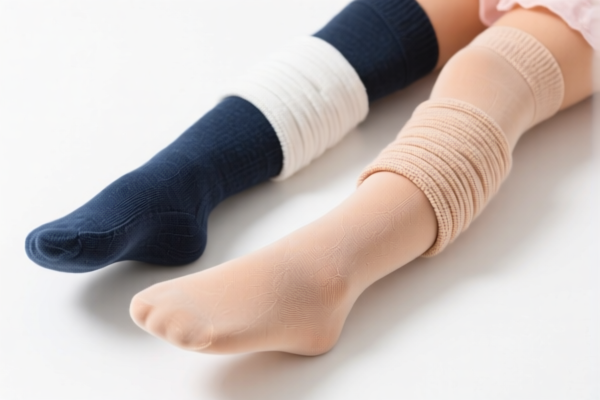
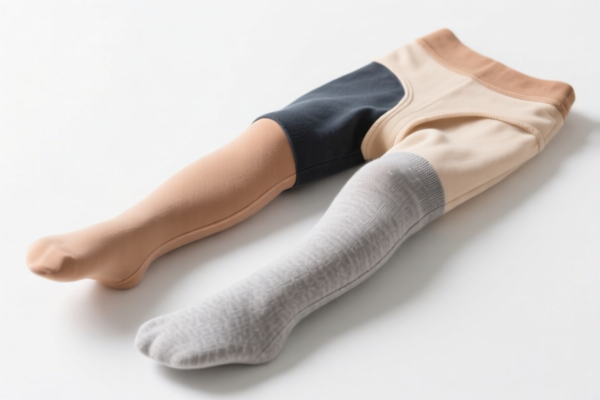
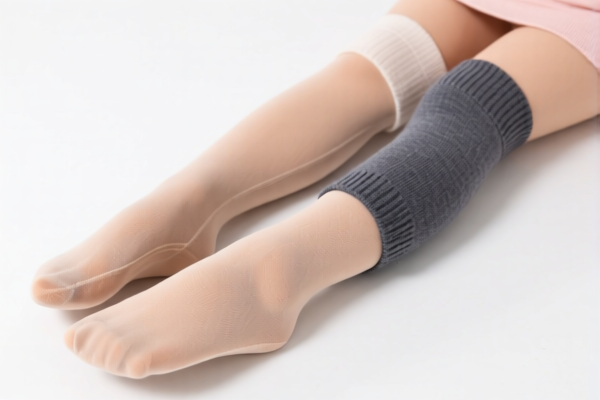
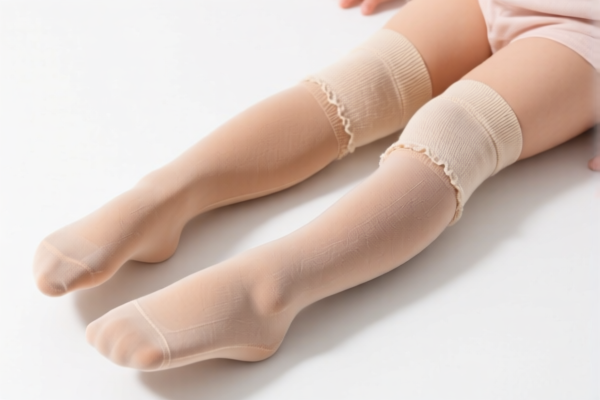
AI分析
👕 Children's Other Material Underwear (Sport/General)
🌐 HS Code Reference & Clearance Guide | 2026 Latest Tariff Analysis | Professional Clearance Strategy
📌 I. Product Definition & Classification: What Exactly is "Children's Other Material Underwear"?
Children's underwear, particularly those designated as "sport" or made from non-cotton/non-synthetic specific categories, falls under complex tariff classifications. The key differentiator lies in the material composition (Cotton vs. Man-made vs. Other Textiles) and the specific article type (Briefs, Boxers, or General Underwear).
In the provided dataset, the item is explicitly defined as "Children's Other Material Sport Underwear". This implies: 1. Target Demographic: Children/Infants. 2. Function: Underwear (specifically sport-oriented or general daily wear). 3. Material: "Other Textile Materials" (excluding Cotton and specific Man-made Fibers like Polyester/Nylon which might have their own subheadings, or implying blends/non-specific fibers).
⚠️ Key Distinction:
- If the material is Cotton, it typically falls under 6111 or 6209 with lower base duties but high Section 301/additional tariffs.
- If the material is Man-made Fibers (e.g., Polyester), it often has different base rates.
- If the material is "Other Textile Materials" (as stated in the prompt), the classification splits between Chapter 61 (Knitted) and Chapter 62 (Non-Knitted), leading to vastly different tax outcomes.
📦 II. HS Code Classification Details (Based on Provided Data)
The data provided highlights five potential HS Codes depending on the specific textile classification logic (Knitted vs. Woven, Specific Material Type). Here is the breakdown:
| HS Code | Product Description & Logic | Material Assumption | Total Tax Rate (Est.) | Key Tax Components |
|---|---|---|---|---|
| 6209.90.90.00 | Children's Underwear, Other Materials (Woven) | Other Textile Materials | 20.3% | Base: 2.8% Add'l: 7.5% Sec 301 (122): 10% |
| 6111.90.50.70 | Children's Clothing, Other Materials (Knitted) | Non-Cotton Man-Made or Other | 24.9% | Base: 14.9% Add'l: 0.0% Sec 301 (122): 10% |
| 6107.19.90.00 | Children's Underwear, Other Materials (Knitted Briefs) | Other Textile Materials | 23.1% | Base: 5.6% Add'l: 7.5% Sec 301 (122): 10% |
| 6107.12.00.20 | Children's Underwear, Other Materials (Knitted Briefs) | Textile Materials (Logic) | 32.4% | Base: 14.9% Add'l: 7.5% Sec 301 (122): 10% |
| 6209.90.20.00 | Children's/Infant Clothing, Other Materials (Woven) | Textile Materials (Inferred) | 32.4% | Base: 14.9% Add'l: 7.5% Sec 301 (122): 10% |
🔍 Critical Insight:
- 61xx Series: Refers to Knitted or Crocheted goods.
- 62xx Series: Refers to Non-Knitted (Woven) goods.
- The term "Other Material" in the dataset triggers higher base duties (14.9%) in several cases compared to the lowest base duty (2.8%) found in 6209.90.90.00.
- Section 301 (122 Clause): A flat 10% tariff applies to ALL listed items, significantly impacting the final cost.
💰 III. 2026 Latest Tariff Rate Breakdown (Detailed Tax Clauses)
✅ Applicable Country: USA (US)
✅ Origin: China (CN) (Implied by "122 Clause" and typical additional tariffs)
✅ Effective Time: Current Trade Policy (Post-2025 Adjustments)
🎯 1. 6209.90.90.00 – Lowest Duty Option (Woven, Other Materials)
| Item | Content |
|---|---|
| Base Duty | 2.8% |
| General Add'l | +7.5% (Section 301 List 4B / 122 Clause) |
| Specific 122 Clause | +10% (Targeted Additional Tariff) |
| Total Rate | 20.3% |
| De Minimis? | ❌ No (High value goods usually excluded) |
| Legal Path | HTSUS:6209.90.90.00 → USITC:122-Clause → USTR:Section 301 |
📌 Explanation:
This is the most cost-effective classification among the options if the garment is woven and made of "Other" textiles (not primarily cotton or standard man-made fibers). The low base duty (2.8%) compensates for the additional tariffs.
🎯 2. 6111.90.50.70 – Knitted, Non-Cotton/Other (No Section 301 Base Add'l)
| Item | Content |
|---|---|
| Base Duty | 14.9% |
| General Add'l | 0.0% |
| Specific 122 Clause | +10% |
| Total Rate | 24.9% |
| De Minimis? | ❌ No |
| Legal Path | HTSUS:6111.90.50.70 → USITC:122-Clause |
📌 Explanation:
Despite a high base duty (14.9%), the absence of the 7.5% general additional tariff makes this competitive. However, the 122 Clause adds 10%, bringing the total to 24.9%.
🎯 3. 6107.19.90.00 – Knitted Underwear, Other (Briefs)
| Item | Content |
|---|---|
| Base Duty | 5.6% |
| General Add'l | +7.5% |
| Specific 122 Clause | +10% |
| Total Rate | 23.1% |
| De Minimis? | ❌ No |
| Legal Path | HTSUS:6107.19.90.00 → USITC:122-Clause |
📌 Explanation:
A middle-ground option. Lower base duty than 6111, but still incurs both additional tariffs. Total 23.1%.
🎯 4 & 5. 6107.12.00.20 & 6209.90.20.00 – Highest Duty Options
| Item | Content |
|---|---|
| Base Duty | 14.9% |
| General Add'l | +7.5% |
| Specific 122 Clause | +10% |
| Total Rate | 32.4% |
| De Minimis? | ❌ No |
📌 Explanation:
These classifications attract the highest total tax burden (32.4%). They should be avoided if other classifications are valid. The high base duty (14.9%) combined with both additional tariffs creates a significant cost disadvantage.
🛠️ IV. Clearance Practical Advice (Avoid Pitfalls)
✅ 1. Material Declaration is Key
| Factor | Must Provide | Explanation |
|---|---|---|
| ✅ Fiber Composition | ✔️ Exact % (e.g., 60% Polyester, 40% Cotton) | Determines if it's "Cotton" (Ch. 61/62) or "Man-made" or "Other". "Other" is vague and risky. |
| ✅ Construction Method | ✔️ Knitted vs. Woven | Decides between Chapter 61 (Knitted) and 62 (Woven). |
| ✅ Product Image | ✔️ Clear tags | Shows label "Made in China" and material content. |
| ✅ Commercial Invoice | ✔️ Detailed Description | Use "Children's Knitted Underwear, Other Textile Material" to align with 6107/6111. |
✅ 2. Classification Strategy (The "Sweet Spot")
🔥 Rule of Thumb:
"Check Fiber First, Then Construction. Avoid 'Other' if Possible."
| Scenario | Recommended HS Code | Why? |
|---|---|---|
| Woven, Other Material | 6209.90.90.00 |
Lowest base duty (2.8%). Total 20.3%. |
| Knitted, Non-Cotton/Other | 6111.90.50.70 |
No 7.5% add'l tariff. Total 24.9%. |
| Knitted Briefs, Other | 6107.19.90.00 |
Moderate base duty. Total 23.1%. |
| Any High-Base Category | Avoid 6107.12 / 6209.90.20 |
Total 32.4% is too high. |
✅ 3. Special Handling
| Situation | Handling Advice |
|---|---|
| "Other Material" Ambiguity | If the material is actually Polyester, use specific Man-Made Fiber codes (e.g., 6111.20) which may have different tax rates. "Other" is a fallback and can attract scrutiny. |
| 122 Clause Application | Ensure the Section 301 Exclusion List is checked. Some specific textile products may have exclusions, though rare for children's underwear. |
| De Minimis (Section 321) | If the value is < $800 per person per day, it may enter duty-free. However, Children's Underwear is often scrutinized for compliance (CPCP rules). Ensure CPCP compliance regardless of duty. |
🌍 V. Global Market Clearance Comparison (2026)
| Market | Recommended HS Code | Est. Duty | Notes |
|---|---|---|---|
| 🇺🇸 USA | 6209.90.90.00 |
20.3% | Best option for woven. High Section 301 impact. |
| 🇪🇺 EU | 6209.90.90.00 |
~12-16% | No Section 301. VAT applies separately. |
| 🇨🇳 China | 6209.90.90.00 |
~15-20% | Import duty + VAT. No Section 301. |
| 🇬🇧 UK | 6209.90.90.00 |
~12-16% | Post-Brexit tariffs apply. |
📌 Conclusion:
- The USA is the most expensive market due to Section 301 and 122 Clause tariffs.
- Woven goods (6209.90.90.00) are generally more tax-efficient than Knitted goods in this specific dataset.
- Avoid vague "Other Material" declarations; specify fibers to potentially lower base duties.
📌 VI. Common Errors & Pitfalls (Lessons Learned)
❌ Error 1: Classifying Knitted items as Woven (62xx instead of 61xx)
👉 Consequence: Misdeclaration, potential fines, and audit risk.
👉 Fix: Check the fabric tag. "Knit" vs "Woven".
❌ Error 2: Using "Other Material" when the fabric is actually Cotton
👉 Consequence: If it's Cotton, it should be 6111.90.50 or 6209.90.20 (with different rates). Misdeclaration leads to underpayment of duty.
👉 Fix: Accurate fiber analysis.
❌ Error 3: Ignoring the 122 Clause (10%)
👉 Consequence: Underestimating landed cost. Many traders forget this specific additional tariff.
👉 Fix: Add 10% to all China-origin textile entries in the US.
❌ Error 4: Assuming De Minimis applies to Textiles
👉 Consequence: Under $800 shipments are not automatically duty-free if they violate CPCP (Consumer Product Safety) or are restricted.
👉 Fix: Ensure CPSIA compliance for children's clothing.
🎯 VII. Conclusion: Professional Classification Saves Money
🎯 Remember the Key Takeaway:
🔹 "Woven 'Other' Wins (20.3%), Knitted 'Non-Cotton' is Safe (24.9%), Avoid High-Base Codes (32.4%)."
🔹 "122 Clause is 10% - Always Add It."
🔹 "Specify Fibers, Don't Hide Behind 'Other'."
📌 Tip:
If your product is Knitted and made of Man-Made Fibers (e.g., Polyester), check for specific HS codes under 6111.20 or 6111.90 that may have lower base duties than the "Other" category. "Other" is often a trap for higher duties.
📣 Immediate Action:
📞 Verify Fiber Content → Select Lowest Duty HS Code → Apply 122 Clause
🚀 Ensure CPCP Compliance for children's apparel.
Clear customs smoothly, reduce costs, and stay compliant!
✨ Professional Customs Clearance, Starting with Accurate Classification!
💼 Every Percentage Point of Duty Matters!
用户评价
关于 HS 编码归类
协调制度(HS)是由世界海关组织(WCO)制定的国际贸易商品分类标准。全球 200 多个国家采用 HS 系统作为海关关税、贸易统计和进出口监管的基础。
每个 HS 编码遵循以下层级结构:
- 章(2 位)——商品大类(例如:第 84 章:机器和机械设备)
- 品目(4 位)——章内的更具体分类
- 子目(6 位)——国际通用细分,所有 WCO 成员国统一使用
- 本国细分(8-10 位)——各国自行扩展的细分编码,如美国 HTSUS 10 位编码
正确的 HS 编码归类对于顺利通关、准确缴纳关税和遵守贸易法规至关重要。错误归类可能导致海关延误、多缴关税或罚款。
从CN进口到US时,适用的关税税率可能包括:
- 最惠国(MFN)税率——适用于 WTO 成员国的标准关税税率
- 普通税率——适用于无贸易协定国家
- 贸易救济关税——附加关税,如 301 条款(反倾销)、232 条款(国家安全)或反补贴税
本页内容仅供参考。如需正式归类,请咨询当地海关或持牌报关代理。