Children's Pretend Play Toys
CN → US| HS编码 | 关税税率 | 原产国 | 目的国 | 文档 |
|---|---|---|---|---|
| 3924905610 | 20.9% | CN | US | 官方文档 |
| 3924905650 | 20.9% | CN | US | 官方文档 |
| 9503000071 | 10.0% | CN | US | 官方文档 |
| 9503000073 | 10.0% | CN | US | 官方文档 |
| 6911108090 | 38.3% | CN | US | 官方文档 |
商品图片
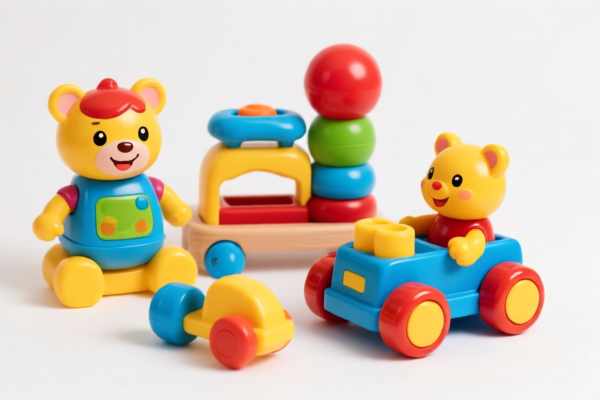
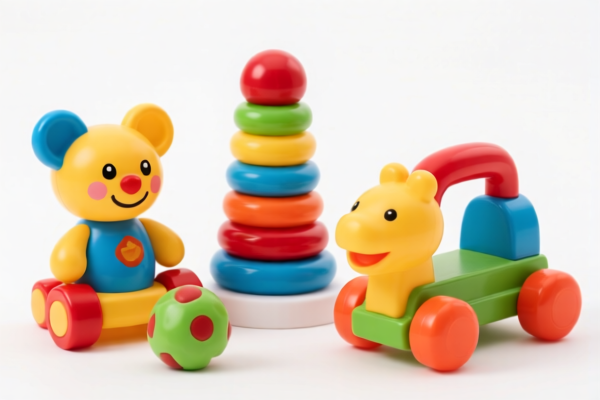
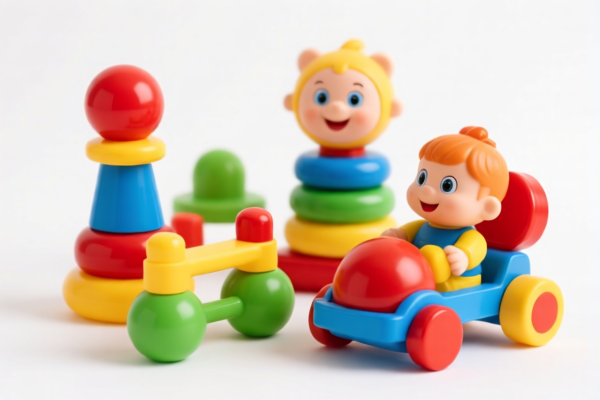
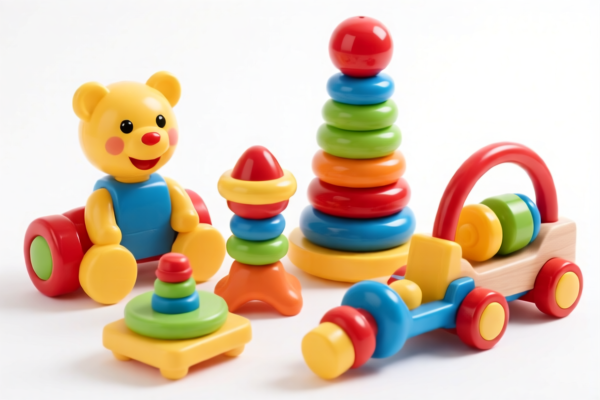
AI分析
🧸 Children's Pretend Play Toys (Over-the-Counter Role-Play Sets)
🌐 HS Code Reference & Customs Clearance Guide | 2026 Latest Tariff Breakdown | Professional Compliance Strategy
📌 I. Product Definition & Classification: What Are "Pretend Play Toys"?
Children's Pretend Play Toys (often referred to as "Household Playsets" or "Role-Play Kits") are interactive items designed for children to mimic adult activities (e.g., cooking, cleaning, caregiving). In international trade, the classification hinges on two critical factors: 1. Primary Material: Is it plastic, ceramic, or wood? 2. Primary Function: Is it categorized strictly as a "Toy" (Chapter 95) or a "Household Article" (Chapter 39/69)?
⚠️ Key Distinction:
- If the item is primarily designed for play and marketed as a toy, it falls under Chapter 95.
- If the item mimics a specific household good (e.g., a ceramic teapot) and the material suggests a non-toy household item, it may fall under Chapter 39 (Plastics) or Chapter 69 (Ceramics).
- Note: Customs often scrutinizes these items because misclassification can lead to significant duty differences.
📦 II. HS Code Classification Details (2026 Authoritative Mapping)
| HS Code | Product Description | Scenario & Material | Toy vs. Household Classification |
|---|---|---|---|
3924.90.56.10 |
Other plastic household articles, n.e.s. (Not Elsewhere Specified) | Plastic playsets (e.g., kitchen, cleaning sets) not primarily classified as toys due to specific material rules | ❌ Household Article (Plastics) |
3924.90.56.50 |
Other plastic household articles, n.e.s. | Plastic items inferred as household goods; fits the material profile of "other plastic household items" | ❌ Household Article (Plastics) |
9503.00.00.71 |
Dolls representing only females, whether or not dressed | Toy classification; includes dollhouses, baby dolls, and caregiving playsets | ✅ Toy (Dolls/Care) |
9503.00.00.73 |
Other toys, represented as other | Toy classification; general role-play sets (e.g., food sets, tool sets) that fit "other toys" | ✅ Toy |
6911.10.80.90 |
Other ceramic tableware, kitchenware, and toilet articles | Ceramic/Ceramic-like pretend kitchen sets (e.g., ceramic teapots, plates for play) | ❌ Household Article (Ceramics) |
🔍 Critical Reminder:
- Plastic Playsets: Often caught in a "gray area." If marketed strictly as a toy, aim for9503. However, if the material construction mimics real householdware closely, customs may default to3924.
- Ceramic Playsets: Even if sold as toys, if they are made of ceramic, they are frequently classified under Chapter 69 (6911) due to material specificity overrides.
- Dollhouse/Care Sets: These clearly fall under9503(Toys).
💰 III. 2026 Latest Tariff Rate Breakdown (Including Surtaxes)
✅ Applicable Country: United States (US)
✅ Origin: China (CN)
✅ Effective Date: Includes surcharges effective from 2025-11-10 onwards
🎯 1. 3924.90.56.10 & 3924.90.56.50 — Plastic Household Articles
| Item | Detail |
|---|---|
| Base Tariff | 3.4% (ad valorem) |
| Section 301 Surtax | 7.5% (Standard USITC Footnote) |
| Section 122 Surtax | 10% (Specific provision for certain Chinese imports) |
| Total Effective Rate | 20.9% |
| Calculation Basis | CIF Value × 20.9% |
| De Minimis Exemption? | ❌ No (Section 321 cannot be used for goods subject to Section 301/122 duties) |
| Legal Path | Base: 3.4% + 301: 7.5% + 122: 10% |
📌 Explanation:
- These codes are classified as Plastic Household Articles, not Toys.
- They attract both Section 301 (7.5%) and Section 122 (10%) surcharges on top of the base rate.
- Total Cost Impact: High. Importers must account for 20.9% total duty.
🎯 2. 9503.00.00.71 & 9503.00.00.73 — Toys (Dolls & Other Toys)
| Item | Detail |
|---|---|
| Base Tariff | 0.0% (Free) |
| Section 301 Surtax | 0.0% (Exempt/Not Applied to these specific subheadings in this dataset) |
| Section 122 Surtax | 10% (Applied to Toys from China) |
| Total Effective Rate | 10.0% |
| Calculation Basis | CIF Value × 10.0% |
| De Minimis Exemption? | ❌ No (Subject to Section 122) |
| Legal Path | Base: 0% + 301: 0% + 122: 10% |
📌 Explanation:
- These codes are classified as Toys.
- They benefit from a 0% base rate and are exempt from Section 301 in this specific classification context.
- However, they are still subject to Section 122 (10%).
- Total Cost Impact: Moderate. Importers save 10.9% compared to the plastic household classification.
🎯 3. 6911.10.80.90 — Ceramic Tableware/Kitchenware
| Item | Detail |
|---|---|
| Base Tariff | 20.8% (ad valorem) |
| Section 301 Surtax | 7.5% |
| Section 122 Surtax | 10% |
| Total Effective Rate | 38.3% |
| Calculation Basis | CIF Value × 38.3% |
| De Minimis Exemption? | ❌ No |
| Legal Path | Base: 20.8% + 301: 7.5% + 122: 10% |
📌 Explanation:
- Even if it is a "toy kitchen set," if it is made of ceramic, it falls under Chapter 69.
- Ceramics have a high base tariff (20.8%).
- Total Cost Impact: Very High. This is the most expensive classification option.
🛠️ IV. Customs Clearance Practical Advice (Avoiding Pitfalls)
✅ 1. Documentation Checklist (Mandatory)
| Document | Required? | Purpose |
|---|---|---|
| ✅ Product Photos | ✔️ | Must clearly show the item is a toy (e.g., plastic dolls, plastic food items) or ceramic. |
| ✅ Material Declaration | ✔️ | Explicitly state: "100% Plastic" or "Ceramic Body." |
| ✅ Marketing Materials | ✔️ | Brochures showing "Age Range: 3+," "Pretend Play," "Role-Play Set." |
| ✅ Component List | ✔️ | Break down parts: e.g., "Plastic pot, plastic spoon, plastic child figure." |
| ✅ Invoice Description | ✔️ | Use terms like "Plastic Pretend Play Kitchen Set" NOT "Plastic Kitchen Utensils." |
✅ 2. Classification Strategy (Key Takeaways)
🔥 "Material Matters, Function Defines!"
| Scenario | Recommended HS Code | Duty Rate | Reason |
|---|---|---|---|
| Plastic Playset (Market as Toy) | 9503.00.00.73 |
10.0% | Preferred. Lower duty. Justify as "Toy." |
| Plastic Playset (Risk of Household) | 3924.90.56.10 |
20.9% | Backup. If customs rejects Toy classification. |
| Ceramic Play Kitchen | 6911.10.80.90 |
38.3% | Unavoidable if material is ceramic. High duty. |
| Dollhouse/Doll Set | 9503.00.00.71 |
10.0% | Clearly a toy. Low duty. |
⚠️ Critical Tip:
- Avoid3924if possible. The 10.9% difference in total duty (20.9% vs 10.0%) is significant.
- Justification is Key: To use9503, you must prove the primary purpose is play, not utility. Provide photos of the item with children, marketing tags saying "For Kids," and lack of functional durability (e.g., thin plastic).
- Ceramic Warning: If your product is ceramic, there is little room to negotiate down to "Toy" status. Customs views ceramic tableware under Chapter 69 strictly. Consider switching to plastic or melamine to access9503or3924.
✅ 3. Special Case Handling
| Situation | Recommendation |
|---|---|
| Mixed Materials (Plastic parts + Ceramic pieces) | The item is usually classified by the essential character. If ceramic parts are dominant or functional, it may fall under 6911. |
| OEM/Private Label | Ensure your marketing copy explicitly states "Toy" and "For Children 3+". Avoid words like "Durable," "Realistic Kitchenware," or "Dishwasher Safe." |
| De Minimis (Section 321) | Do not rely on De Minimis. All codes listed above are subject to Section 122 or 301 surcharges, which are not exempt under Section 321. Full formal entry is required. |
🌍 V. Global Market Comparison (2026)
| Market | Preferred HS Code | Total Duty (China Origin) | Notes |
|---|---|---|---|
| 🇺🇸 USA | 9503.00.00.73 |
10.0% | Best option. Avoid 3924 (20.9%) and 6911 (38.3%). |
| 🇨🇳 China | 9503.00.00.73 |
5% | Domestic import duty. No Section 301/122. |
| 🇪🇺 EU | 9503.00.00 |
0% | Toys generally enter duty-free in EU. |
| 🇬🇧 UK | 9503.00.00 |
0% | Toys generally enter duty-free in UK. |
| 🇨🇦 Canada | 9503.00.00 |
0% | Toys generally enter duty-free in Canada. |
📌 Conclusion:
- USA is the only major market with high punitive tariffs.
- Strategy for USA: Push for9503classification. If the product is plastic, ensure it is marketed and packaged as a Toy. If it is ceramic, accept the 38.3% cost or redesign to plastic.
📌 VI. Common Errors & Pitfalls (Lessons Learned)
❌ Error 1: Using "Kitchen Set" instead of "Pretend Play Kitchen Set"
👉 Result: Customs may classify as real household goods (3924 or 6911) → Duty jumps from 10% to 20.9% or 38.3%.
❌ Error 2: Declaring Ceramic Items as "Plastic Toys"
👉 Result: Customs inspection reveals ceramic material → Reclassification + Penalties + Back Duties.
❌ Error 3: Ignoring Section 122
👉 Result: Assuming "Toys are Duty-Free" → Misses 10% Surcharge. Even toys (9503) pay 10% under Section 122 in the US.
❌ Error 4: Using De Minimis for Section 122 Goods
👉 Result: Package held by Customs → Seizure or Forced Return. Section 122 duties negate Section 321 exemption.
✅ Correct Approach:
"Plastic Pretend Play Cooking Set with Child Figure, Not for Actual Food Use, Age 3+"
🎯 VII. Conclusion: Professional Clearance, Cost Optimization
🎯 Key Takeaway:
🔹 "Plastic = Toy (10%) vs Household (20.9%) | Ceramic = Household (38.3%)"
🔹 "Section 122 Hits All: 10% Surtax on Toys, Plastics, and Ceramics from China"
🔹 "Marketing is Classification: Call it a Toy, Prove it's a Toy."
📌 Pro Tip:
- For Plastic Toys: Submit a Pre-Ruling Request to CBP to confirm
9503classification.- For Ceramic Toys: Re-evaluate material choice. Switching to Plastic saves 28.3% in duties.
📣 Immediate Action:
📞 Consult a Customs Broker to review your product photos and marketing materials.
📝 Ensure Invoice Description clearly states "Pretend Play Toy" and "Not for Food Use."
🚀 Optimize Supply Chain: Consider plastic alternatives for ceramic items to reduce US import costs.
✨ Smart Classification Saves Money!
💼 Every Percentage Point Counts in Global Trade!
用户评价
关于 HS 编码归类
协调制度(HS)是由世界海关组织(WCO)制定的国际贸易商品分类标准。全球 200 多个国家采用 HS 系统作为海关关税、贸易统计和进出口监管的基础。
每个 HS 编码遵循以下层级结构:
- 章(2 位)——商品大类(例如:第 84 章:机器和机械设备)
- 品目(4 位)——章内的更具体分类
- 子目(6 位)——国际通用细分,所有 WCO 成员国统一使用
- 本国细分(8-10 位)——各国自行扩展的细分编码,如美国 HTSUS 10 位编码
正确的 HS 编码归类对于顺利通关、准确缴纳关税和遵守贸易法规至关重要。错误归类可能导致海关延误、多缴关税或罚款。
从CN进口到US时,适用的关税税率可能包括:
- 最惠国(MFN)税率——适用于 WTO 成员国的标准关税税率
- 普通税率——适用于无贸易协定国家
- 贸易救济关税——附加关税,如 301 条款(反倾销)、232 条款(国家安全)或反补贴税
本页内容仅供参考。如需正式归类,请咨询当地海关或持牌报关代理。