Children's Reflective Vest
CN → US| HS编码 | 关税税率 | 原产国 | 目的国 | 文档 |
|---|---|---|---|---|
| 6217909095 | 32.1% | CN | US | 官方文档 |
| 6117809570 | 32.1% | CN | US | 官方文档 |
| 3926909989 | 22.8% | CN | US | 官方文档 |
| 6217909045 | 32.1% | CN | US | 官方文档 |
| 6117809510 | 32.1% | CN | US | 官方文档 |
商品图片
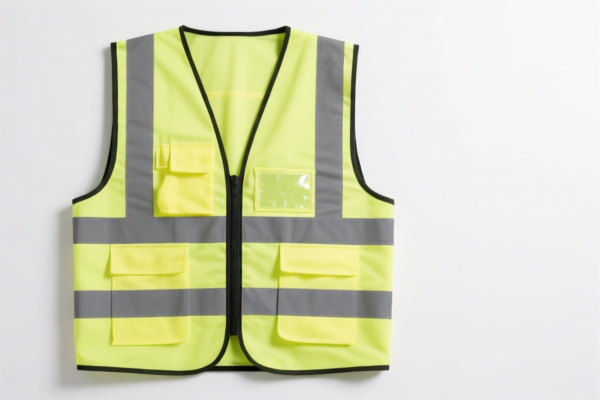
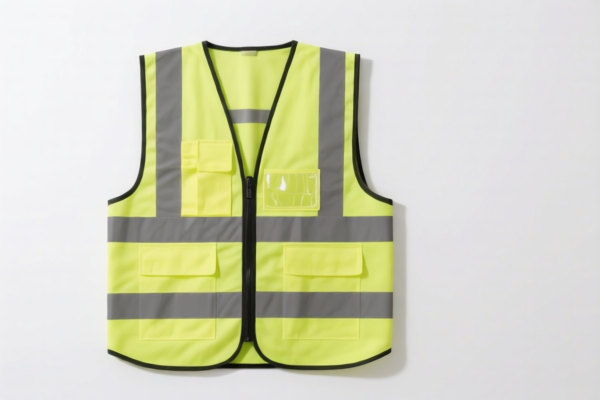
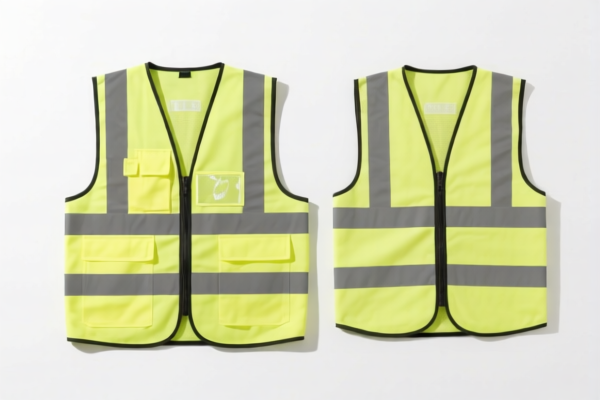

AI分析
👕 Children's Reflective Vest (Child Safety Apparel)
🌐 HS Code Reference & Customs Clearance Guide | 2026 Latest Tariff Analysis | Professional Level Clearance Strategy
📌 I. Product Definition and Classification: What exactly is a "Children's Reflective Vest"?
A children's reflective vest is a specialized safety garment designed to enhance the visibility of children in low-light conditions, traffic zones, or industrial perimeters. In international trade, it is often debated whether it falls under finished garments or accessories/parts of garments. The classification hinges on its material composition and manufacturing method (knitted vs. woven).
⚠️ Key Distinction Point:
- If made of woven fabric (e.g., polyester woven) and treated as a general apparel accessory/panel → Chapter 62.
- If made of knitted/fabric (e.g., knitted polyester/nylon mesh) and treated as a general apparel accessory → Chapter 61.
- Note: All identified HS codes below carry a Total Tax Rate of 32.1% due to additional US tariffs.
📦 II. HS Code Classification Details (2026 Latest Tariff Authority Comparison)
| HS Code | Product Description | Applicable Scenario | Material/Structure |
|---|---|---|---|
6217.90.90.45 |
Other made-up clothing accessories/parts; classified as woven garment auxiliary materials | Woven synthetic fiber vests, non-elastic, simple construction | Woven Synthetic Fiber |
6117.80.95.10 |
Other made-up clothing accessories/knitted or crocheted; fallback category for general accessories | Knitted vest, mesh material, general use | Knitted Synthetic Fiber |
6117.80.95.40 |
Other made-up clothing accessories; specifically for man-made fibers (e.g., Polyester, Nylon) | Knitted vest made of Polyester (Polyester Mesh) | Man-made Fiber (Knitted) |
6217.90.90.95 |
Other made-up clothing accessories/parts; classified as formed garment auxiliary materials/parts | Woven vest, Polyester fiber or other synthetic fiber | Woven Synthetic Fiber |
🔍 Key Reminder:
- Knitted (Chapter 61) vs. Woven (Chapter 62) is the primary differentiator.
- If the vest is a simple strip of fabric with reflective tape sewn into a vest shape, it may be classified as an "accessory/part" rather than a full garment, leading to the6117or6217headings.
- Do not classify as a full jacket (6101/6201) unless it is a fully structured garment with sleeves and complex closure, which is rare for basic safety vests.
💰 III. 2026 Latest Tariff Rate Breakdown (Including Additional Taxes, Policy Surcharges)
✅ Applicable Country: United States (US)
✅ Origin: China (CN)
✅ Effective Time: Current regulations apply to imports from China.
✅ Total Tax Rate: 32.1% for all listed HS Codes.
🎯 1. 6217.90.90.45 & 6217.90.90.95 —— Woven Garment Accessories/Parts
| Item | Details |
|---|---|
| Base Tariff | 14.6% (Ad Valorem) |
| Section 301 Tariff (Add-on) | 7.5% |
| Section 122 Tariff | 10% |
| Total Tax Rate | 32.1% |
| Tax Calculation | CIF Value × 32.1% |
| De Minimis Exemption | ❌ Not Eligible (High tariff rate triggers scrutiny; de minimis usually applies to lower rates or specific exemptions, but high duties complicate entry). |
| Legal Basis Path | HTSUS:6217.90.90.45/95 → Section 301: 7.5% → Section 122: 10% |
📌 Explanation:
- "Base Tariff 14.6%": Standard US Most Favored Nation (MFN) rate for other made-up clothing accessories in Chapter 62.
- "Section 301 Tariff 7.5%": Additional duty imposed on Chinese goods under the Trade Act of 1974, Section 301.
- "Section 122 Tariff 10%": Additional duty under Section 122 of the Trade Act of 1974 (if applicable to specific textile imports or emergency measures).
- Total 32.1%: This is a high-cost scenario for importers. Profit margins must account for this significant tax burden.
🎯 2. 6117.80.95.10 & 6117.80.95.40 —— Knitted Garment Accessories
| Item | Details |
|---|---|
| Base Tariff | 14.6% (Ad Valorem) |
| Section 301 Tariff (Add-on) | 7.5% |
| Section 122 Tariff | 10% |
| Total Tax Rate | 32.1% |
| Tax Calculation | CIF Value × 32.1% |
| De Minimis Exemption | ❌ Not Eligible |
| Legal Basis Path | HTSUS:6117.80.95.10/40 → Section 301: 7.5% → Section 122: 10% |
📌 Explanation:
- Similar to the woven category, the base rate for knitted accessories (6117.80) is also 14.6%.
- Material Specifics:
-6117.80.95.40specifies Man-made Fibers (e.g., Polyester/Nylon).
-6117.80.95.10is a fallback category for other knitted accessories.
- Total 32.1%: Identical tax burden as the woven version. The choice between61and62should be based on accurate fabric structure, not tax avoidance (since rates are identical here).
🛠️ IV. Customs Clearance Practical Advice (Battle-Tested Pitfall Avoidance Guide)
✅ 1. Required Documentation Checklist (All Must Be Provided)
| Document | Must Provide? | Description |
|---|---|---|
| ✅ Product Specification Sheet | ✔️ | Must state: Material (e.g., 100% Polyester Knitted), Weight, Size Range, Reflective Tape Width/Type. |
| ✅ Fabric Swatch/Photo | ✔️ | Crucial: To prove whether the fabric is Knitted (loops) or Woven (threads). Misclassification here leads to delays. |
| ✅ Commercial Invoice | ✔️ | Must clearly state: "Children's Reflective Safety Vest, Made of [Knitted/Woven] Polyester." |
| ✅ Packing List | ✔️ | Clear itemization. Do not mix with other products. |
| ✅ Test Report | ✔️ | Reflective performance test (ANSI/ISEA 107 compliance if applicable for US market). |
| ✅ Origin Certificate (CO) | ✔️ | Required for determining eligibility for any potential exemptions (though currently high for China). |
✅ 2. Declaration Tips (Key Mnemonic)
🔥 "Knitted is 61, Woven is 62. Material matters, Structure defines. 32.1% is the cost to survive!"
| Scenario | Correct Declaration | Incorrect Practice |
|---|---|---|
| Mesh Vest (Knitted) | 6117.80.95.40 |
Mistakenly declare as woven 6217 → Potential penalty. |
| Solid Fabric Vest (Woven) | 6217.90.90.45 or 90.95 |
Mistakenly declare as knitted → Potential penalty. |
| Vest with Sleeves/Jacket Style | Potentially 6101/6201 (Full Garment) |
Declaring as "Accessory" if it’s a full garment → Major Misclassification Risk. |
| Raw Reflective Tape Only | 5407/55 (Textiles) |
Declaring as "Vest" → Incorrect. |
⚠️ Critical Note: If the vest has sleeves, a full front opening with buttons/zippers, and a collar, it might be classified as a Jacket/Vest (Full Garment) under
6101/6203or6102/6202, not as an accessory (6117/6217). However, most simple safety vests for children are considered "accessories/parts" or "made-up garments" depending on complexity. Consult a customs broker to distinguish between "Garment" and "Accessory" for your specific design.
✅ 3. Special Situation Handling
| Situation | Handling Advice |
|---|---|
| OEM Custom Vests | Provide design drawings and material specs. Ensure the "Made-up" description is precise. |
| High-Visibility (ANSI Compliant) | Highlight ANSI compliance in the invoice. This may help in market acceptance but does not change HS Code. |
| Mixed Shipment | If shipping vests with other toys, declare separately. Toys may have different tariffs. |
| De Minimis (Section 321) | While $800 de minimis exists, high tariffs (32.1%) often trigger mandatory formal entry. Check with your broker if informal entry is still permissible for this specific HS code. |
🌍 V. Global Main Market Customs Comparison (2026 Latest)
| Country/Region | Recommended HS Code | Tariff Rate | Certification Requirements | Notes |
|---|---|---|---|---|
| 🇺🇸 USA | 6117.80.95.40 / 6217.90.90.45 |
32.1% | ANSI/ISEA 107 (Market Demand), CPSIA (Lead/Phthalates) | High Tariff due to Section 301 & 122. |
| 🇨🇳 China | 6117.80.90 / 6217.90.90 |
14-17% (approx) | CCC (if applicable) | Base rate applies, no Section 301/122. |
| 🇪🇺 EU | 6117.80 / 6217.90 |
4-12% (approx) | CE Mark, EN ISO 20471 | No Section 301/122 tariffs. |
| 🇬🇧 UK | 6117.80 / 6217.90 |
4-12% (approx) | UKCA Mark, EN ISO 20471 | Post-Brexit rules apply. |
| 🇨🇦 Canada | 6117.80 / 6217.90 |
0-12% (approx) | CCPS (Consumer Product Safety) | Can benefit from USMCA if produced in North America. |
📌 Conclusion:
- USA is the most expensive market for this product due to the 32.1% total tax.
- EU and UK have significantly lower tariffs (~4-12%) and different safety standards (EN ISO).
- Strategic Recommendation: If targeting the US, consider costing models that absorb the 32.1% duty or explore supply chain diversification (e.g., producing in Vietnam/Mexico if eligible for duty-free under USMCA/other FTAs, though Chinese-made goods remain subject to these tariffs).
📌 VI. Common Errors & Pitfall Guide (Blood-Ledger Lessons)
❌ Error 1: Classifying a Jacket-style Vest as an Accessory (6117/6217)
👉 Consequence: Customs reclassifies as a Garment (6101/6201), leading to different tariff rates and potential back-taxes/penalties.
👉 Solution: If it has sleeves and a full body structure, it's a garment. If it's a simple sleeveless shell, it's an accessory/part.
❌ Error 2: Ignoring Knitted vs. Woven distinction
👉 Consequence: If you declare Woven (6217) but the fabric is Knitted (6117), the HS Code is wrong.
👉 Solution: Always provide a fabric swatch and clear description ("Knitted Mesh" vs. "Woven Polyester").
❌ Error 3: Assuming De Minimis ($800) applies automatically
👉 Consequence: Packages subject to high tariffs (32.1%) may be rejected from informal entry and require formal customs entry with a licensed broker.
👉 Solution: Confirm with your freight forwarder if the specific HS code allows informal entry.
❌ Error 4: Missing CPSIA/Lead/Phthalate Compliance
👉 Consequence: US Customs and FDA may detain the shipment for safety violations, not just tariff issues.
👉 Solution: Ensure children's products comply with Consumer Product Safety Improvement Act (CPSIA).
✅ Correct Declaration Example:
"Children's Safety Vest, Knitted Polyester, Yellow, Reflective Tape, Size M, Model XYZ, CPSIA Compliant, Origin: China."
🎯 VII. Conclusion: Professional Declaration, Save Time, Reduce Costs!
🎯 Remember the Mnemonic:
🔹 "Knitted 61, Woven 62. Accessory vs Garment is key. 32.1% Tax is the reality. CPSIA for Kids is a must!"
🔹 "HS Code Defines Duty, Accuracy Saves Money, Wrong Code Means Trouble!"
📌 Pro Tip:
- If your product is shipped in bulk (not de minimis), hire a licensed US Customs Broker to file the entry.
- For small parcels under $800, verify if your carrier accepts the 32.1% tariff via their pre-paid duty system.
- Consider Duty Drawback programs if the goods are subsequently exported.
📣 Immediate Action:
📞 Contact a Customs Broker + Provide Fabric Swatch + Verify CPSIA Compliance
🚀 Ensure Smooth Clearance, Avoid Delays, Protect Your Margins!
✨ Professional Clearance Starts with Accurate Classification!
💼 Your Every Cent of Cost Deserves Precise Calculation!
用户评价
关于 HS 编码归类
协调制度(HS)是由世界海关组织(WCO)制定的国际贸易商品分类标准。全球 200 多个国家采用 HS 系统作为海关关税、贸易统计和进出口监管的基础。
每个 HS 编码遵循以下层级结构:
- 章(2 位)——商品大类(例如:第 84 章:机器和机械设备)
- 品目(4 位)——章内的更具体分类
- 子目(6 位)——国际通用细分,所有 WCO 成员国统一使用
- 本国细分(8-10 位)——各国自行扩展的细分编码,如美国 HTSUS 10 位编码
正确的 HS 编码归类对于顺利通关、准确缴纳关税和遵守贸易法规至关重要。错误归类可能导致海关延误、多缴关税或罚款。
从CN进口到US时,适用的关税税率可能包括:
- 最惠国(MFN)税率——适用于 WTO 成员国的标准关税税率
- 普通税率——适用于无贸易协定国家
- 贸易救济关税——附加关税,如 301 条款(反倾销)、232 条款(国家安全)或反补贴税
本页内容仅供参考。如需正式归类,请咨询当地海关或持牌报关代理。