Children's Wooden Xylophone
CN → US| HS编码 | 关税税率 | 原产国 | 目的国 | 文档 |
|---|---|---|---|---|
| 9202904000 | 26.2% | CN | US | 官方文档 |
| 9503000073 | 10.0% | CN | US | 官方文档 |
| 9503000071 | 10.0% | CN | US | 官方文档 |
| 9202906000 | 14.6% | CN | US | 官方文档 |
| 9209998000 | 22.8% | CN | US | 官方文档 |
商品图片
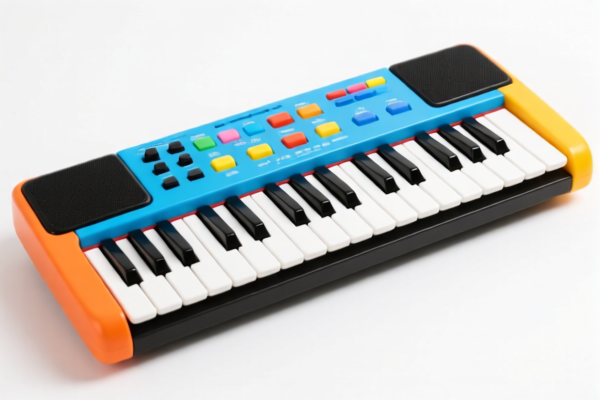
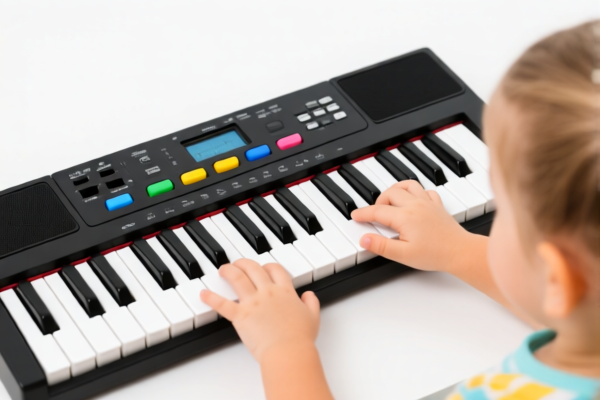
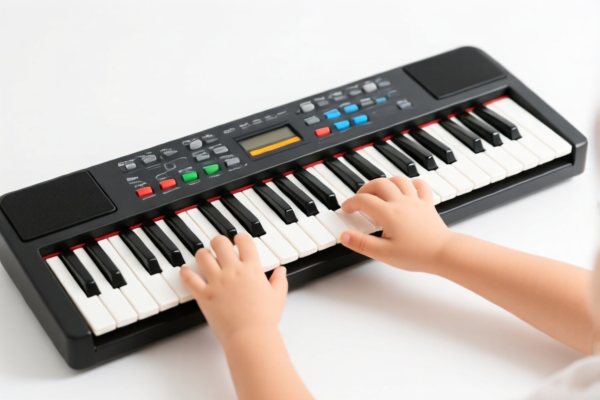
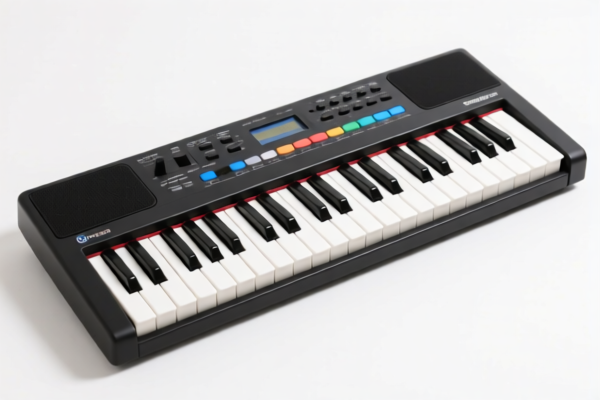
AI分析
🎵 Children's Wooden Xylophone: The Ultimate HS Code Classification & Tax Strategy Guide (2026 Update)
🌐 HS Code Reference & Customs Clearance Guide | 2026 Latest Tariff Analysis | Professional Customs Strategy 📌 One Product, Four Fates: Why Classification Matters for Wooden Xylophones
A "Children's Wooden Xylophone" is a deceptively simple item that sits at the crossroads of Musical Instruments and Toys. This ambiguity creates massive tax discrepancies—ranging from 10% to 26.2%.
In international trade, the distinction lies in two critical factors: 1. Primary Purpose: Is it for musical education/performance (Instrument) or for play/entertainment (Toy)? 2. Structural Complexity: Is it a complete instrument, a toy version, or just a part/accessory?
⚠️ Key Distinction:
- If marketed specifically for children’s play, educational kits, or simple rhythm games → Likely Toy (HS 9503).
- If marketed as a musical instrument for learning notes, pitches, or stage use → Likely Instrument (HS 9202).
- Material Alone is Not Decisive: Wood is common to both. Do not rely solely on "Wooden" to determine the code.
📦 II. HS Code Classification Details (2026 Authoritative Reference)
Based on the provided data, here are the four possible classifications for a Children's Wooden Xylophone, ranked by tax burden.
| HS Code | Product Description | Classification Logic | Total Tax Rate |
|---|---|---|---|
9503.00.00.73 |
Other Toys / Wooden Xylophone as Toy | Primary use is children's entertainment. Function is play, not serious musical performance. | 10.0% |
9503.00.00.71 |
Toys / Models: Wooden Xylophone | Classified as a Toy/Model. Material (wood) aligns with traditional toy construction. | 10.0% |
9202.90.60.00 |
String Instruments: Wooden Xylophone | Classified as a String Instrument. Wood material fits common inference for string-based classification (Note: Xylophones are technically percussion, but some customs jurisdictions may misclassify or group broadly if not precise). | 14.6% |
9202.90.40.00 |
String Instruments: General | Classified as String Instruments/General Instruments. No material conflict (wood), but higher tariff band for general instruments. | 26.2% |
9209.99.80.00 |
Parts & Accessories of Instruments | Classified as Parts/Accessories. Only applicable if the xylophone is incomplete, disassembled, or sold as a kit of parts without mallets/frame. | 22.8% |
🔍 Critical Insight:
- Lowest Tax (10%): Achieved only if classified as a Toy (9503). This is the optimal strategy for standard children's wooden xylophones intended for play.
- Highest Tax (26.2%): Occurs if classified as a general Instrument (9202.90.40.00) with additional trade measures.
- Risk Zone: Misclassifying a toy as an instrument can lead to retroactive tax penalties and delays.
💰 III. 2026 Detailed Tariff Breakdown (Including Surcharges & Policy Add-ons)
✅ Applicable Market: Implied US/China Trade Context (based on "122 Section" and specific rates)
✅ Origin: China (CN)
✅ Effective Date: Current regulations (2025-2026)
🎯 1. The "Toy" Advantage: 9503.00.00.71 & 9503.00.00.73
Recommended for 90% of children's wooden xylophones.
| Item | Content |
|---|---|
| Base Tariff | 0.0% (ad valorem) |
| Section 301 Surcharge | 0.0% |
| Section 122 Surcharge | +10% |
| Total Tax Rate | 10.0% |
| Calculation | CIF Value × 10% |
| De Minimis Exemption | ✅ Possible (if < $800 for US shipments via informal entry, subject to current law changes) |
| Legal Basis | 9503.00.00.71/73 → 122: 10% |
📌 Explanation:
- Toys generally enjoy lower base tariffs.
- Section 122 (a specific trade remedy) applies a flat 10% surcharge.
- Crucially, these codes are exempt from Section 301 (7.5% or 25%) and standard higher base duties, resulting in the lowest total cost.
🎯 2. The "Instrument" Penalty: 9202.90.60.00
Higher risk, higher cost.
| Item | Content |
|---|---|
| Base Tariff | 4.6% |
| Section 301 Surcharge | 0.0% |
| Section 122 Surcharge | +10% |
| Total Tax Rate | 14.6% |
| Calculation | CIF Value × 14.6% |
| De Minimis Exemption | ❌ No (Usually denied for instruments) |
| Legal Basis | 9202.90.60.00 → 122: 10% |
📌 Explanation:
- Even without Section 301, the base tariff (4.6%) makes this 4.6% more expensive than the toy classification.
- Only consider this if the product is a professional-grade instrument for older children/students, marketed strictly as a musical tool.
🎯 3. The "General Instrument" Heavyweight: 9202.90.40.00
Avoid this classification for children's toys.
| Item | Content |
|---|---|
| Base Tariff | 8.7% |
| Section 301 Surcharge | +7.5% |
| Section 122 Surcharge | +10% |
| Total Tax Rate | 26.2% |
| Calculation | CIF Value × 26.2% |
| De Minimis Exemption | ❌ No |
| Legal Basis | 9202.90.40.00 → 301: 7.5% → 122: 10% |
📌 Explanation:
- This is the worst-case scenario.
- It incurs all three layers of taxation: Base, Section 301, and Section 122.
- Result: Nearly triple the tax of the toy classification.
🎯 4. The "Parts" Trap: 9209.99.80.00
Only for disassembled/kit forms.
| Item | Content |
|---|---|
| Base Tariff | 5.3% |
| Section 301 Surcharge | +7.5% |
| Section 122 Surcharge | +10% |
| Total Tax Rate | 22.8% |
| Calculation | CIF Value × 22.8% |
| De Minimis Exemption | ❌ No |
| Legal Basis | 9209.99.80.00 → 301: 7.5% → 122: 10% |
📌 Explanation:
- Do not use this code for a complete xylophone.
- Use only if importing replacement mallets, strings, or wooden bars separately.
- Misdeclaring a complete product as "parts" will result in customs seizure and fines.
🛠️ IV. Customs Clearance Practical Advice (Real-World Pitfall Guide)
✅ 1. Documentation Checklist (Non-Negotiable)
| Document | Required? | Explanation |
|---|---|---|
| ✅ Product Description | ✔️ | Must clearly state: "Wooden Xylophone Toy for Children, Ages 3+" or "Musical Instrument, Wood, Non-Electronic". |
| ✅ Product Photos | ✔️ | Show the complete unit, including mallets. If mallets are separate, show them clearly. |
| ✅ Usage Statement | ✔️ | "Intended for children's play and educational rhythm exercises." (Supports Toy classification). |
| ✅ Material Declaration | ✔️ | "100% Natural Wood, Non-Toxic Paint." |
| ✅ HS Code Justification | ✔️ | Reference Chapter 95 (Toys) over Chapter 92 (Instruments) due to primary design for children's play. |
✅ 2. Classification Strategy (Key Mantra)
🔥 "Toy First, Instrument Last. Wood Doesn't Define; Purpose Does!"
| Scenario | Recommended HS Code | Tax Rate | Why? |
|---|---|---|---|
| Standard Children's Xylophone (Plastic/Wood, colorful, with mallets, sold in toy stores) | 9503.00.00.71 or 9503.00.00.73 |
10.0% | Primary purpose is play. Lowest tax. |
| Educational Kit (Boxed, includes sheet music, simple rhythms) | 9503.00.00.71 or 9503.00.00.73 |
10.0% | Still considered a toy/educational toy. |
| Professional Student Model (High-quality wood, precise tuning, sold in music shops) | 9202.90.60.00 |
14.6% | Marketed as an instrument. Higher base duty. |
| Disassembled Kit (Bare wood bars, no frame/mallets) | 9209.99.80.00 |
22.8% | Classified as parts. High tax. Avoid if possible. |
| General Musical Instrument (Any other wooden instrument) | 9202.90.40.00 |
26.2% | Avoid. Highest tax due to combined surcharges. |
✅ 3. Special Case Handling
| Situation | Handling Advice |
|---|---|
| OEM Custom Toys | Provide design drawings showing child-friendly features (rounded edges, bright colors) to prove Toy status. |
| Mixed Packages (Toy + Music Book) | Declare as Toy. The book is an accessory. Do not split. |
| Electronic Xylophone | Not covered in this data. Would fall under 9208 or 8517 with different tax rules. Ensure your product is acoustic/wooden only. |
| Age Specification | Explicitly state "For Children 3 Years+" on the invoice. This strongly supports Chapter 95 (Toys). |
🌍 V. Global Market Comparison (2026 Snapshot)
| Market | Recommended HS Code | Estimated Tax | Key Requirement |
|---|---|---|---|
| 🇺🇸 USA | 9503.00.00.71 |
10.0% | CPC (Children's Product Certificate) required. |
| 🇨🇳 China | 9503.00.00.71 |
0.0% (Import Duty) | CCC Certification may be required for toys. |
| 🇪🇺 EU | 9503.00.30 |
0.0% (if CE compliant) | CE Marking + EN71 Safety Standard. |
| 🇯🇵 Japan | 9503.00.00 |
0.0% | JITI Certificate (Toys) may be requested. |
📌 Conclusion:
- The US is the most tax-sensitive market due to Section 122 and Section 301.
- Classifying as a Toy (10%) vs. Instrument (26.2%) results in a 16.2% difference in cost. On a $10,000 shipment, that’s a $1,620 saving!
📌 VI. Common Mistakes & Pitfalls (Lessons Learned)
❌ Mistake 1: Calling it "Musical Instrument" on the Commercial Invoice when it's a toy.
👉 Consequence: Customs may reclassify to 9202.90.40.00 → 26.2% tax + fines.
❌ Mistake 2: Importing as "Parts" to avoid higher tax, but shipping it assembled.
👉 Consequence: Customs inspection reveals complete item → Penalty + Delay.
❌ Mistake 3: Ignoring "Wood" material conflicts.
👉 Correction: Wood is allowed in both Toys and Instruments. Purpose is the deciding factor, not material.
✅ Correct Declaration Example:
"Wooden Xylophone Toy for Children, Acoustic, Non-Electronic, Ages 3+, Includes Mallets, Model XY-123, CE/ASTM Certified"
🎯 VII. Conclusion: Professional Declaration, Maximize Profit!
🎯 Remember the Mantra:
🔹 "Toy First, Instrument Last. Purpose Over Material."
🔹 "10% vs 26%: A $1,620 Difference on Every $10k!"
🔹 "HS Code Determines Survival, Tax Rate Determines Profit!"
📌 Pro Tip:
- For US Imports, always apply for an Advance Ruling from CBP if the product is borderline.
- Ensure Children's Product Certificate (CPC) is ready for 9503 classifications to avoid port holds.
📣 Immediate Action:
📞 Verify Product Intent: Is it for Play or Performance?
📋 Choose HS Code:9503for Toys (10%) vs.9202for Instruments (14-26%).
🚀 Declare Clearly: "Wooden Xylophone Toy for Children" to secure the 10% rate.
✨ Professional Customs Clearance Starts with Accurate Classification!
💼 Every Percent Saved is Pure Profit!
用户评价
关于 HS 编码归类
协调制度(HS)是由世界海关组织(WCO)制定的国际贸易商品分类标准。全球 200 多个国家采用 HS 系统作为海关关税、贸易统计和进出口监管的基础。
每个 HS 编码遵循以下层级结构:
- 章(2 位)——商品大类(例如:第 84 章:机器和机械设备)
- 品目(4 位)——章内的更具体分类
- 子目(6 位)——国际通用细分,所有 WCO 成员国统一使用
- 本国细分(8-10 位)——各国自行扩展的细分编码,如美国 HTSUS 10 位编码
正确的 HS 编码归类对于顺利通关、准确缴纳关税和遵守贸易法规至关重要。错误归类可能导致海关延误、多缴关税或罚款。
从CN进口到US时,适用的关税税率可能包括:
- 最惠国(MFN)税率——适用于 WTO 成员国的标准关税税率
- 普通税率——适用于无贸易协定国家
- 贸易救济关税——附加关税,如 301 条款(反倾销)、232 条款(国家安全)或反补贴税
本页内容仅供参考。如需正式归类,请咨询当地海关或持牌报关代理。