Girls' Artificial Fiber Slim fit Clothing
CN → US| HS编码 | 关税税率 | 原产国 | 目的国 | 文档 |
|---|---|---|---|---|
| 6208920030 | 33.5% | CN | US | 官方文档 |
| 6108229020 | 25.6% | CN | US | 官方文档 |
| 6108920015 | 33.5% | CN | US | 官方文档 |
| 6104191500 | 17.5% | CN | US | 官方文档 |
| 6114303070 | 32.4% | CN | US | 官方文档 |
商品图片
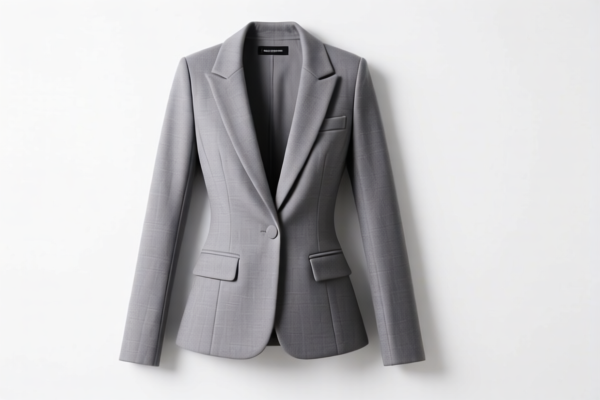

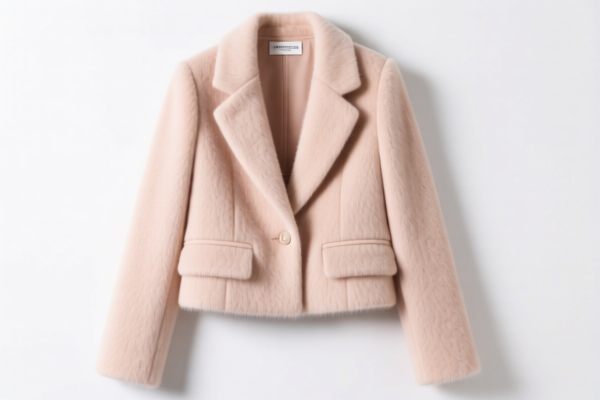

AI分析
👗 Girls' Artificial Fiber Slim-Fit Clothing: HS Code Classification & 2026 Tariff Strategy Guide
Unlocking the Perfect HS Code for Women's & Girls' Synthetic Apparel | Avoiding 33.5% Tax Traps | Expert Clearance Strategies
🌐 Executive Summary: What is "Girls' Artificial Fiber Slim-Fit Clothing"?
In the complex world of international trade apparel classification, "Girls' Artificial Fiber Slim-Fit Clothing" is not a single item—it is a category spanning multiple HS Codes depending on the construction method (knitted vs. woven) and specific garment style.
⚠️ Critical Insight:
- Knitted (e.g., t-shirts, sweaters, leggings) → Chapter 61
- Woven (e.g., shirts, trousers, skirts, suits) → Chapter 62
- "Slim-fit" is a style descriptor, not a tax classification criteria, but it often triggers specific "other" sub-categories if the item doesn't fit standard definitions.
Material Definition: "Artificial Fiber" typically refers to Man-made filaments or staples (Polyester, Rayon, Nylon, Viscose, Acrylic). This distinction is crucial as natural fibers (Cotton, Wool) fall under different codes.
📦 I. HS Code Classification Matrix (2026 Data Analysis)
Based on the latest customs data for Artificial Fiber Girls' Slim-Fit Clothing, here are the four primary classification paths. Note: The total tax rate varies significantly (17.5% – 33.5%) based on the specific HS Code chosen.
| HS Code | Classification Type | Product Description & Logic | Total Tax Rate |
|---|---|---|---|
| 6208.92.00.30 | Woven (Non-Knitted) | "Other" Woven Artificial Fiber Garments • Summary: Woven, artificial fiber, female, slim-fit. • Logic: Used when the item is woven but doesn't fit standard categories like "Tops" or "Dresses" (falls under "Other"). |
33.5% |
| 6108.22.90.20 | Knitted (Sleep/Underwear) | Knitted/Pullover Artificial Fiber Garments • Summary: Knitted/crocheted, artificial fiber, female. • Logic: Applies to sleepwear, nightgowns, or undergarments made of synthetic fibers. |
25.6% |
| 6108.92.00.15 | Knitted (General/Other) | Knitted/Crocheted "Other" Female Garments • Summary: Knitted/crocheted, artificial fiber, female. • Logic: A "catch-all" for knitted items that don't fit specific sub-codes, often used for slim-fit synthetic blends. |
33.5% |
| 6104.19.15.00 | Knitted (Dresses/Suits) | Knitted Female Dresses or Suits (Other) • Summary: Knitted, female, slim-fit, artificial fiber. • Logic: Specifically for dresses or suits made of artificial fibers. |
17.5% |
| 6114.30.30.70 | Knitted (Other/Leisure) | Knitted "Other" Garments (Leisure/General) • Summary: Knitted, artificial fiber, female, general/leisure wear. • Logic: For casual, slim-fit synthetic items not covered by specific dress/suit codes. |
32.4% |
📌 Key Takeaway:
The 17.5% rate (6104.19.15.00) is the lowest possible tariff in this dataset. If your product is a dress or suit, aim for this code. If it's a generic top or bottom, you will likely face 32.4% – 33.5%.
💰 II. 2026 Tariff Breakdown & Detailed Tax Logic
The total tax rate is a compound of three distinct layers. Understanding this is vital for cost calculation.
🏷️ Tax Structure Formula
Total Tax = Base Tariff + Section 232/Trade War Add-on + Section 122 (China-Specific)
🔍 Scenario A: High Tax Zone (33.5%)
Applies to: 6208.92.00.30 & 6108.92.00.15
| Tax Component | Rate | Legal Basis | Explanation |
| :--- | :--- | :--- | :--- |
| Base Tariff | 16.0% | Most Favored Nation (MFN) | Standard duty for artificial fiber garments. |
| Section 232 / Trade War | +7.5% | USITC / Section 301 | Additional duty imposed on Chinese imports. |
| Section 122 (Special) | +10.0% | Executive Order 13936 (approx.) | Specific additional tariff for synthetic/fiber products from China. |
| TOTAL | 33.5% | | High Cost Category |
🔍 Scenario B: Medium Tax Zone (32.4%)
Applies to: 6114.30.30.70
| Tax Component | Rate | Legal Basis | Explanation |
| :--- | :--- | :--- | :--- |
| Base Tariff | 14.9% | MFN | Slightly lower base for "Other" knitted items. |
| Section 232 / Trade War | +7.5% | USITC | Trade War add-on applies uniformly. |
| Section 122 (Special) | +10.0% | EO 13936 | China-specific add-on. |
| TOTAL | 32.4% | | High Cost Category |
🔍 Scenario C: Low Tax Zone (25.6%)
Applies to: 6108.22.90.20 (Sleepwear/Underwear)
| Tax Component | Rate | Legal Basis | Explanation |
| :--- | :--- | :--- | :--- |
| Base Tariff | 15.6% | MFN | Standard duty for specific under/sleep categories. |
| Section 232 / Trade War | 0.0% | Exempt | Note: Some specific sleepwear items are exempt from the 7.5% add-on. |
| Section 122 (Special) | +10.0% | EO 13936 | China-specific add-on. |
| TOTAL | 25.6% | | Medium Cost Category |
🔍 Scenario D: Lowest Tax Zone (17.5%)
Applies to: 6104.19.15.00 (Knitted Dresses/Suits)
| Tax Component | Rate | Legal Basis | Explanation |
| :--- | :--- | :--- | :--- |
| Base Tariff | 0.0% | Exempt | Note: Certain knitted dress/suit sub-categories may have 0% base duty. |
| Section 232 / Trade War | +7.5% | USITC | Trade War add-on applies. |
| Section 122 (Special) | +10.0% | EO 13936 | China-specific add-on. |
| TOTAL | 17.5% | | Lowest Cost Category |
🛠️ III. Clearance & Operational Strategy (Action Plan)
✅ Step 1: Pre-Shipment Classification Check
Before shipping, verify the fabric construction:
- Is it Knitted? (Stretchy, looped stitches) → Check 61xx codes.
- Is it Woven? (Firm, straight stitches, no stretch) → Check 62xx codes.
- Is it a Dress/Suit? → Prioritize 6104.19.15.00 (17.5% tax).
- Is it Sleepwear/Underwear? → Prioritize 6108.22.90.20 (25.6% tax).
- Is it a generic top/bottom? → Expect 33.5% (6208 or 6108).
✅ Step 2: Documentation Requirements (The "Must-Haves")
To avoid delays and ensure the correct tax rate is applied: 1. Detailed Composition Sheet: Must specify % of "Artificial Fiber" vs. other materials. (e.g., 95% Polyester, 5% Spandex). 2. Construction Photo: High-res images showing knitted loops vs. woven weave. This is the primary evidence for Chapter 61 vs. 62. 3. Style Reference: Provide a "lookbook" or catalog image showing the "Slim-fit" nature to match the description. 4. Origin Certificate: Prove origin is China to apply the Section 122 tariff logic correctly (or qualify for exemptions if applicable). 5. Labeling: Ensure hangtags state "Made in China" and fiber content clearly.
✅ Step 3: Cost Optimization Tips
| Strategy | Action | Impact |
|---|---|---|
| Product Redesign | Shift generic tops to Dress/Suit style | Reduces tax from 33.5% → 17.5% (Savings: 16%) |
| Material Mix | If possible, use Sleepwear style | Reduces tax from 33.5% → 25.6% (Savings: 7.9%) |
| Exemption Check | Verify if product qualifies for Section 122 exclusion | Potential 10% saving (if eligible) |
| De Minimis | ⚠️ Warning: Apparel is generally NOT eligible for de minimis ($800) exemption in the US. | Full tax applies. |
🚨 IV. Common Pitfalls & Risk Mitigation
| ❌ Risk | ⚠️ Consequence | 🛡️ Solution |
|---|---|---|
| Misidentifying Knit vs. Woven | Customs reclassifies to 6208 (33.5%) instead of 61xx | Send microscope photos of the fabric weave to your broker before shipment. |
| Ambiguous "Slim-fit" Description | Broker may classify as "Other" (33.5%) | Use specific terms like "Knitted Dress" or "Knitted Suit" in commercial invoice. |
| Ignoring Section 122 | Unexpected 10% surcharge | Verify the latest EO 13936 list for fiber-specific exclusions. |
| Overlooking "Sleepwear" Category | Missing the 25.6% rate opportunity | If the item is loose-fitting or for sleeping, claim 6108.22.90.20. |
| Inconsistent Fiber Content | Duty rate adjustment if "Artificial" is not 100% | Ensure HS Code matches the dominant fiber percentage. |
🌍 V. Strategic Conclusion
For Girls' Artificial Fiber Slim-Fit Clothing, the 17.5% tariff (6104.19.15.00) is the gold standard for cost efficiency, but it requires the product to be a Knitted Dress or Suit.
If the product is a Woven garment or a Knitted Top, expect the 33.5% rate due to the combination of Base Tariff (16%), Trade War Add-on (7.5%), and Section 122 (10%).
Final Pro Tip:
Do not assume "Slim-fit" lowers taxes. It is a style, not a tax code. Focus on Chapter 61 vs. 62 and Garment Type (Dress vs. Top) to minimize duties.
Always request a Binding Ruling from Customs if the classification is ambiguous before shipping high-value cargo.
Disclaimer: Tariff rates are subject to change based on U.S. Customs and Border Protection (CBP) announcements. This guide is based on 2026 data projections and specific dataset inputs provided. Always consult a licensed Customs Broker for final classification.
用户评价
关于 HS 编码归类
协调制度(HS)是由世界海关组织(WCO)制定的国际贸易商品分类标准。全球 200 多个国家采用 HS 系统作为海关关税、贸易统计和进出口监管的基础。
每个 HS 编码遵循以下层级结构:
- 章(2 位)——商品大类(例如:第 84 章:机器和机械设备)
- 品目(4 位)——章内的更具体分类
- 子目(6 位)——国际通用细分,所有 WCO 成员国统一使用
- 本国细分(8-10 位)——各国自行扩展的细分编码,如美国 HTSUS 10 位编码
正确的 HS 编码归类对于顺利通关、准确缴纳关税和遵守贸易法规至关重要。错误归类可能导致海关延误、多缴关税或罚款。
从CN进口到US时,适用的关税税率可能包括:
- 最惠国(MFN)税率——适用于 WTO 成员国的标准关税税率
- 普通税率——适用于无贸易协定国家
- 贸易救济关税——附加关税,如 301 条款(反倾销)、232 条款(国家安全)或反补贴税
本页内容仅供参考。如需正式归类,请咨询当地海关或持牌报关代理。