Girls' Casual Vest
CN → US| HS编码 | 关税税率 | 原产国 | 目的国 | 文档 |
|---|---|---|---|---|
| 6110202079 | 34.0% | CN | US | 官方文档 |
| 6109100065 | 34.0% | CN | US | 官方文档 |
| 6207913020 | 23.6% | CN | US | 官方文档 |
| 6110202035 | 34.0% | CN | US | 官方文档 |
商品图片
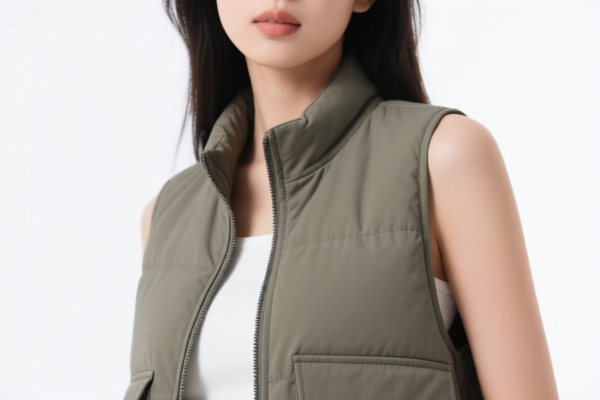
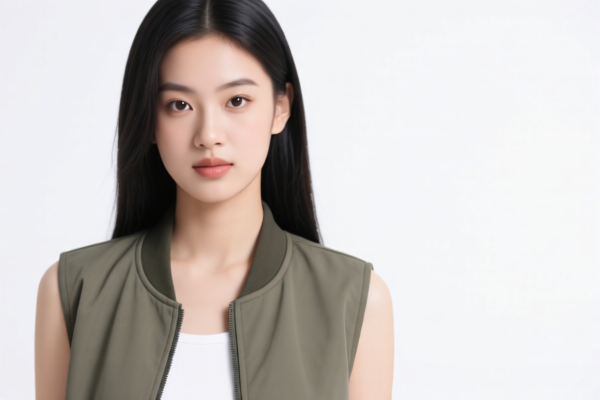
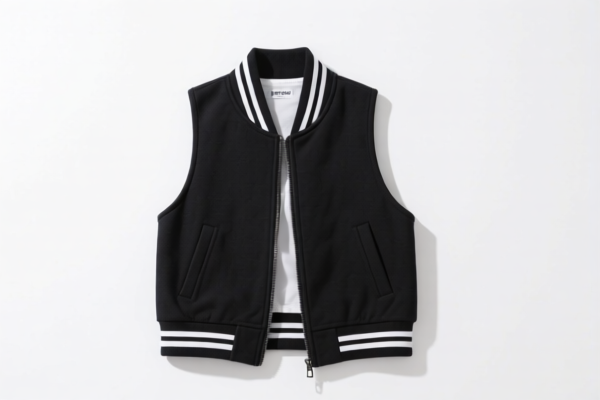
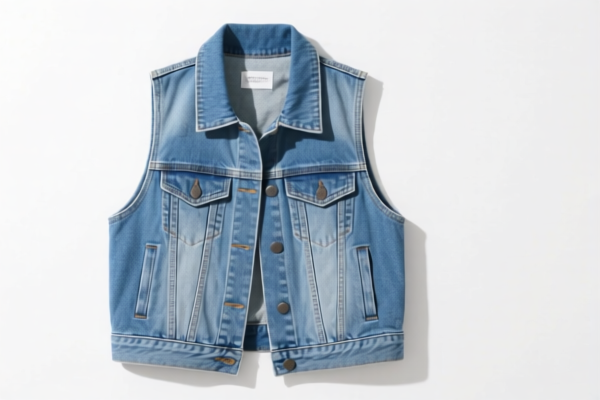
AI分析
👕 Girls' Casual Vest (Cotton/Vest Garment)
🌐 HS Code Reference & Customs Clearance Guide | 2026 Latest Tariff Analysis | Professional Clearance Strategy
📌 I. Product Definition & Classification: Do You Really Understand "Girls' Casual Vest"?
A "Girls' Casual Vest" is a sleeveless upper-body garment, typically made of cotton or blended fabrics, designed for young girls. In international trade, its classification depends heavily on the knitting/weaving method, material composition, and intended use.
The core distinction lies in whether it is considered "Knitted/Crocheted Sweater/Vest" (Chapter 61) or "Woven Shirt/Vest" (Chapter 62).
⚠️ Key Distinction Point:
- If it is knitted or crocheted (stretchy, looped structure) → It generally falls under Chapter 61 (specifically as a sweater/vest type) or potentially 6109 (T-shirts) if it resembles a tank top.
- If it is woven (non-stretchy, structured fabric like cotton canvas or poplin) → It falls under Chapter 62.
- Misclassification Risk: Declaring a knitted vest as woven (or vice versa) leads to significant tariff differences and potential customs penalties.
📦 II. HS Code Classification Details (2026 Latest Tariff Authority Comparison)
Based on the provided data, here are the specific HS codes applicable to Girls' Cotton Vests, along with their tax implications.
| HS Code | Product Description | Applicable Scenario | Material/Structure | Total Tax Rate |
|---|---|---|---|---|
6110.20.20.79 |
Girls' Cotton Vest | Knitted/Crocheted Vest | 100% Cotton, Knitted | 34.0% |
6109.10.00.65 |
Girls' Cotton Vest | Knitted Tank Top/T-shirt | 100% Cotton, Knitted (Tank Top Style) | 34.0% |
6207.91.30.20 |
Girls' Cotton Vest | Woven Vest/Shirt | 100% Cotton, Woven | 23.6% |
6110.20.20.35 |
Girls' Cotton Vest | Knitted/Crocheted Vest | 100% Cotton, Knitted | 34.0% |
🔍 Key Observation:
- Knitted Vests (6110&6109): Subject to a 34.0% total tax rate.
- Woven Vests (6207): Subject to a lower 23.6% total tax rate.
- Why the difference? Woven garments often have lower base tariffs but still incur significant additional duties under current trade policies.
💰 III. 2026 Latest Tariff Rate Breakdown (Including Surcharges & Policy Add-ons)
✅ Applicable Country: USA (US)
✅ Origin: China (CN)
✅ Effective Date: Current as of 2026
🎯 1. 6110.20.20.79 & 6110.20.20.35 — Knitted Cotton Vests/Sweaters
| Item | Content |
|---|---|
| Base Tariff | 16.5% (ad valorem) |
| Section 301 Surcharge | +7.5% (Standard additional duty) |
| Section 122 Duty | +10.0% (Specific provision for certain textile/apparel items) |
| Total Tax Rate | 34.0% |
| Tax Calculation | CIF Value × 34.0% |
| De Minimis Exemption | ❌ Not Eligible (Denied under de minimis rules for these codes) |
| Legal Basis Path | USITC:6110.20.20.79 → Section 301:7.5% → Section 122:10% |
📌 Explanation:
- Base Tariff (16.5%): Standard MFN rate for knitted vests.
- Section 301 (7.5%): Additional duty imposed on Chinese-origin goods.
- Section 122 (10%): Specific additional tariff applicable to certain apparel items.
- Total 34.0%: High tariff burden requires accurate classification to avoid overpayment or underpayment.
🎯 2. 6109.10.00.65 — Knitted Cotton Tank Tops/T-shirts
| Item | Content |
|---|---|
| Base Tariff | 16.5% |
| Section 301 Surcharge | +7.5% |
| Section 122 Duty | +10.0% |
| Total Tax Rate | 34.0% |
| Tax Calculation | CIF Value × 34.0% |
| De Minimis Exemption | ❌ Not Eligible |
| Legal Basis Path | USITC:6109.10.00.65 → Section 301:7.5% → Section 122:10% |
📌 Note:
- Even if the vest resembles a tank top, if it is knitted and made of cotton, it often falls under6109(T-shirts, singlets, etc.).
- The tax rate is identical to knitted vests (6110) due to similar trade policy treatments.
🎯 3. 6207.91.30.20 — Woven Cotton Vests/Shirts
| Item | Content |
|---|---|
| Base Tariff | 6.1% |
| Section 301 Surcharge | +7.5% |
| Section 122 Duty | +10.0% |
| Total Tax Rate | 23.6% |
| Tax Calculation | CIF Value × 23.6% |
| De Minimis Exemption | ❌ Not Eligible |
| Legal Basis Path | USITC:6207.91.30.20 → Section 301:7.5% → Section 122:10% |
📌 Key Advantage:
- Lower Base Tariff (6.1%): Woven garments have a significantly lower base rate compared to knitted ones (16.5%).
- Total 23.6%: Still high due to surcharges, but 10.4 percentage points cheaper than knitted vests.
- Classification Tip: If the fabric is woven (e.g., cotton poplin, oxford cloth), ensure it is declared as6207to save costs.
🛠️ IV. Customs Clearance Practical Advice (Real-World Pitfall Avoidance)
✅ 1. Preparation Checklist (Must-Have Documents)
| Document | Required | Description |
|---|---|---|
| ✅ Product Spec Sheet | ✔️ | Include fabric content (e.g., 100% Cotton), construction (Knitted/Woven), and size chart. |
| ✅ Fabric Swatch/Photo | ✔️ | Crucial to prove whether it is knitted (looped) or woven (interlaced). |
| ✅ Commercial Invoice | ✔️ | Clearly state "Girls' Cotton Vest" and specify "Knitted" or "Woven". |
| ✅ Packing List | ✔️ | Detail quantity per carton and total weight. |
| ✅ Origin Certificate | ✔️ | Proof of Chinese origin for tariff calculation. |
| ✅ Third-Party Test Report | ✔️ | Ensure compliance with safety standards (e.g., CPSIA for children's clothing in the US). |
✅ 2. Declaration Tips (Key Rules)
🔥 “Fabric Type Determines Code, Code Determines Tax!”
| Scenario | Correct Declaration | Incorrect Practice |
|---|---|---|
| Knitted Vest (Stretchy, looped) | 6110.20.20.79 or 6109.10.00.65 |
Misdeclaring as woven (6207) → 23.6% → Underpayment Risk & Penalties |
| Woven Vest (Structured, non-stretch) | 6207.91.30.20 |
Misdeclaring as knitted (6110) → 34.0% → Overpayment Loss |
| Mixed Fabric (e.g., Cotton + Spandex) | Check main fiber content | Ambiguous description → Customs inspection delays |
| Children's Clothing | Mention "For Girls" and age range | Generic "Vest" → May trigger additional safety scrutiny |
✅ 3. Special Case Handling
| Situation | Handling Advice |
|---|---|
| OEM Private Label | Provide brand authorization if applicable, but ensure HS code is based on physical characteristics, not brand. |
| Sample vs. Bulk | Ensure samples match bulk in material and construction. |
| Children's Safety | Ensure compliance with CPSIA (Consumer Product Safety Improvement Act) for lead content and small parts. Non-compliance leads to seizure. |
🌍 V. Global Market Comparison (2026 Latest)
| Country/Region | Recommended HS Code | Total Tariff | Certification Requirements | Notes |
|---|---|---|---|---|
| 🇺🇸 USA | 6207.91.30.20 (Woven) |
23.6% | CPSIA, Labeling (Fiber Content, Country of Origin) | Knitted (6110) is 34.0%. |
| 🇨🇳 China | 6207.91.30.20 |
5% - 10% | GB Standards for Children's Clothing | Lower base rate, no Section 301. |
| 🇪🇺 EU | 6109.10 / 6207.91 |
0% - 12% | REACH, CPSR (Children's Product Safety Report) | No Section 122 or 301. |
| 🇬🇧 UK | 6109.10 / 6207.91 |
0% - 12% | UKCA Marking | Post-Brexit rules apply. |
📌 Conclusion:
- USA has the highest effective tariff due to Section 301 and Section 122 duties.
- Woven vests (6207) are more cost-effective than knitted vests (6110) in the US market.
- Always verify if the product qualifies for Section 122 exemption (some specific items may have different rules, but generally, apparel is included).
📌 VI. Common Mistakes & Pitfall Guide (Lessons Learned)
❌ Mistake 1: Declaring a Knitted vest as Woven (6207)
👉 Consequence: Underpayment of 10.4% → Customs Penalty, Back Taxes, and Possible Fraud Charges.
❌ Mistake 2: Declaring a Woven vest as Knitted (6110)
👉 Consequence: Overpayment of 10.4% → Unnecessary Cost Increase.
❌ Mistake 3: Not specifying "Knitted" or "Woven" in the description
👉 Consequence: Customs cannot determine the correct code → Delays, Inspections, and Potential Misclassification.
❌ Mistake 4: Ignoring Children's Safety Standards (CPSIA)
👉 Consequence: Seizure of goods, fines, and reputational damage.
✅ Correct Approach:
“Girls’ 100% Cotton Woven Vest, Sleeveless, for Children Aged 2-8, Compliant with CPSIA Standards”
🎯 VII. Conclusion: Professional Declaration Saves Money!
🎯 Remember the Golden Rule:
🔹 “Knitted = 34%, Woven = 23.6%”
🔹 “Fabric Structure Dictates HS Code, HS Code Dictates Profit!”
🔹 “Always Label ‘Knitted’ or ‘Woven’ Clearly to Avoid Customs Headaches!”
📌 Pro Tip:
If you are unsure about the fabric structure, submit a Pre-Classification Request (Binding Ruling) to US Customs and Border Protection (CBP) before shipment. This provides legal certainty and avoids post-clearance liabilities.
📣 Immediate Action:
📞 Consult with a licensed customs broker + Provide fabric swatch + Confirm HS Code via Pre-Ruling
🚀 Ensure your Girls' Casual Vest clears customs smoothly, efficiently, and cost-effectively!
✨ Professional Clearance Starts with Accurate Classification!
💼 Every percentage point saved is pure profit!
用户评价
关于 HS 编码归类
协调制度(HS)是由世界海关组织(WCO)制定的国际贸易商品分类标准。全球 200 多个国家采用 HS 系统作为海关关税、贸易统计和进出口监管的基础。
每个 HS 编码遵循以下层级结构:
- 章(2 位)——商品大类(例如:第 84 章:机器和机械设备)
- 品目(4 位)——章内的更具体分类
- 子目(6 位)——国际通用细分,所有 WCO 成员国统一使用
- 本国细分(8-10 位)——各国自行扩展的细分编码,如美国 HTSUS 10 位编码
正确的 HS 编码归类对于顺利通关、准确缴纳关税和遵守贸易法规至关重要。错误归类可能导致海关延误、多缴关税或罚款。
从CN进口到US时,适用的关税税率可能包括:
- 最惠国(MFN)税率——适用于 WTO 成员国的标准关税税率
- 普通税率——适用于无贸易协定国家
- 贸易救济关税——附加关税,如 301 条款(反倾销)、232 条款(国家安全)或反补贴税
本页内容仅供参考。如需正式归类,请咨询当地海关或持牌报关代理。