Girls' Elastomeric Blended Shorts
CN → US| HS编码 | 关税税率 | 原产国 | 目的国 | 文档 |
|---|---|---|---|---|
| 6104622030 | 32.4% | CN | US | 官方文档 |
| 6204628066 | 34.1% | CN | US | 官方文档 |
| 6204628056 | 34.1% | CN | US | 官方文档 |
| 5210398090 | 47.4% | CN | US | 官方文档 |
| 5210298090 | 49.7% | CN | US | 官方文档 |
商品图片
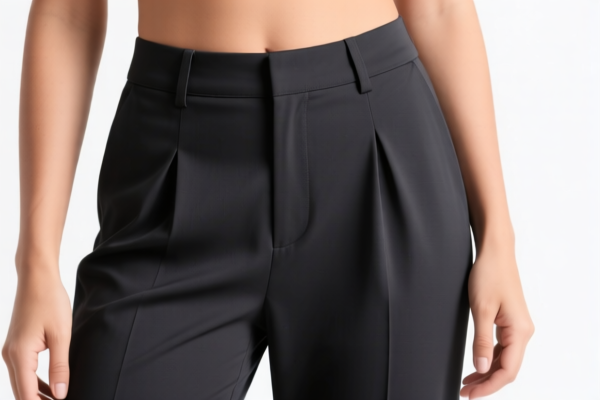
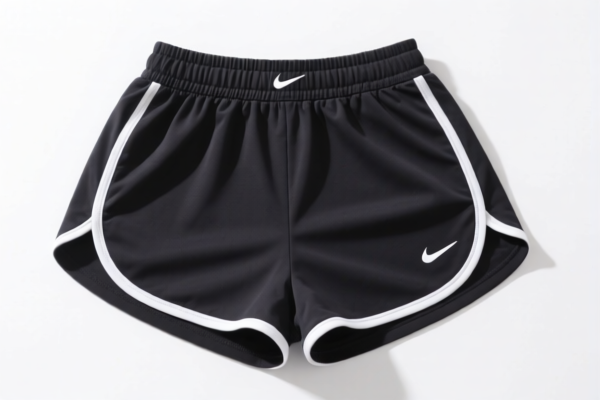

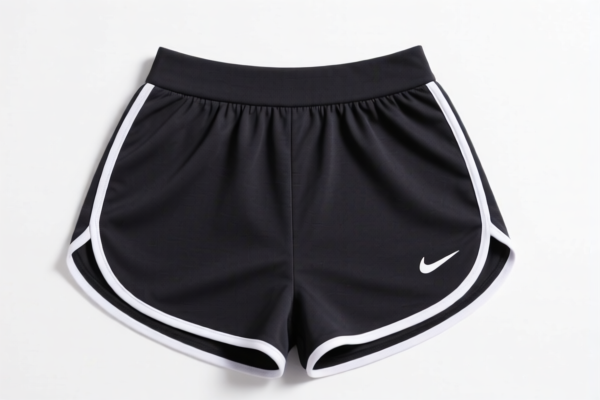
AI分析
👖 Girls' Elastomeric Blended Shorts (Woven/Knit Cotton Mix)
🌐 HS Code Reference & Customs Clearance Guide | 2026 Latest Tariff Analysis | Professional Entry Strategy
📌 I. Product Definition & Classification: Why "Elastomeric Blended" Matters?
Girls' Elastomeric Blended Shorts are women's or girls' shorts made from fabrics where cotton is blended with synthetic or man-made fibers (e.g., polyester, rayon) and includes elastic materials (spandex/Lycra) for stretchability.
In international trade, the classification depends on:
1. Fabric Composition: Cotton content (<85% vs. ≥85%) and blend type (cotton + man-made fibers).
2. Knitted vs. Woven: Determines the HS chapter (61 = knitted, 62 = woven).
3. Elasticity: "Elastomeric" indicates stretch properties but doesn't override material-based classification.
⚠️ Critical Differentiation:
- Knitted shorts (Chapter 61): Classified under 6104.62 (if cotton ≥85%) or 6104.69 (if cotton <85% or other blends).
- Woven shorts (Chapter 62): Classified under 6204.62 (if cotton ≥85%) or 6204.69 (if cotton <85% or other blends).
- Special Cases: If cotton <85% and primarily blended with man-made fibers, specific subheadings apply (e.g., 5210.39 or 5210.29).
📦 II. HS Code Classification Matrix (2026 Tariff Breakdown)
| HS Code | Product Description | Material Composition | Fabric Type | Elasticity | Total Tax Rate |
|---|---|---|---|---|---|
| 6104.62.20.30 | Girls' Knitted Shorts, Cotton Blend | Cotton ≥85% + Man-made fibers | Knitted | Yes (Elastomeric) | 32.4% |
| 6204.62.80.66 | Girls' Woven Shorts, Cotton Blend | Cotton ≥85% + Man-made fibers | Woven | Yes (Elastomeric) | 34.1% |
| 6204.62.80.56 | Girls' Woven Shorts, Cotton Blend | Cotton ≥85% + Man-made fibers | Woven | Yes (Elastomeric) | 34.1% |
| 5210.39.80.90 | Girls' Shorts, Cotton <85% + Man-made Fibers | Cotton <85% + Man-made Fibers | Woven | Yes (Elastomeric) | 47.4% |
| 5210.29.80.90 | Girls' Shorts, Cotton <85% + Man-made Fibers | Cotton <85% + Man-made Fibers | Woven | Yes (Elastomeric) | 49.7% |
| 6104.69.80.40 | Girls' Knitted Shorts, Other Blends | Cotton <85% + Other Fibers | Knitted | Yes (Elastomeric) | 23.1% |
🔍 Key Notes:
- Cotton ≥85%: Lower base tariff (14.9–16.6%) but still subject to U.S. additional duties.
- Cotton <85%: Higher base tariff (12.4–14.7%) due to "other fabric" classification.
- Elastomeric Fabric: Does not change the HS code but may require material composition documentation.
💰 III. 2026 U.S. Tariff Structure (China-Origin Goods)
✅ Applicable Country: United States (US)
✅ Origin: China (CN)
✅ Effective Date: November 10, 2025 (including subsequent imports)
🎯 1. HS Code 6104.62.20.30 (Knitted, Cotton ≥85%)
| Component | Rate | Legal Basis |
|---|---|---|
| Base Tariff | 14.9% | HTSUS 6104.62.20.30 |
| Section 301 Additional Duty | 7.5% | 301 Tariff Order 1 (2024) |
| Section 122 Duty | 10% | 122 Tariff Order (2025) |
| Total | 32.4% | |
| Calculation: CIF Value × 32.4% | ||
| De Minimis Exemption | ❌ Not Applicable | |
Legal Path: HTS:6104.62.20.30 → 301:7.5% → 122:10% |
📌 Explanation:
- Section 301 (7.5%): Imposed on Chinese textiles under the 301 investigation.
- Section 122 (10%): Specific duty for "cotton-blended apparel" (2025 policy).
- Combined Rate: 32.4% is high for apparel; consider alternative origins.
🎯 2. HS Code 6204.62.80.66 / 6204.62.80.56 (Woven, Cotton ≥85%)
| Component | Rate | Legal Basis |
|---|---|---|
| Base Tariff | 16.6% | HTSUS 6204.62.80.66/56 |
| Section 301 Additional Duty | 7.5% | 301 Tariff Order 1 (2024) |
| Section 122 Duty | 10% | 122 Tariff Order (2025) |
| Total | 34.1% | |
| Calculation: CIF Value × 34.1% | ||
| De Minimis Exemption | ❌ Not Applicable | |
Legal Path: HTS:6204.62.80.xx → 301:7.5% → 122:10% |
📌 Note:
- Woven shorts have a slightly higher base tariff than knitted ones.
- Both codes share the same total duty (34.1%).
🎯 3. HS Code 5210.39.80.90 / 5210.29.80.90 (Cotton <85%)
| Component | Rate | Legal Basis |
|---|---|---|
| Base Tariff | 12.4% / 14.7% | HTSUS 5210.39.80.90 / 5210.29.80.90 |
| Section 301 Additional Duty | 25.0% | 301 Tariff Order 1 (2024) |
| Section 122 Duty | 10% | 122 Tariff Order (2025) |
| Total | 47.4% / 49.7% | |
| Calculation: CIF Value × (47.4%/49.7%) | ||
| De Minimis Exemption | ❌ Not Applicable | |
Legal Path: HTS:5210.xx.xx → 301:25% → 122:10% |
📌 Critical Insight:
- Section 301 duty jumps to 25% for "other fabrics" (cotton <85%).
- Total duties exceed 47% → High-risk classification; verify fabric composition rigorously.
🎯 4. HS Code 6104.69.80.40 (Knitted, Other Blends)
| Component | Rate | Legal Basis |
|---|---|---|
| Base Tariff | 5.6% | HTSUS 6104.69.80.40 |
| Section 301 Additional Duty | 7.5% | 301 Tariff Order 1 (2024) |
| Section 122 Duty | 10% | 122 Tariff Order (2025) |
| Total | 23.1% | |
| Calculation: CIF Value × 23.1% | ||
| De Minimis Exemption | ❌ Not Applicable | |
Legal Path: HTS:6104.69.80.40 → 301:7.5% → 122:10% |
📌 Opportunity:
- Lowest total duty (23.1%) among all listed codes.
- Ideal for non-cotton-heavy blends (e.g., cotton + polyester + spandex).
🛠️ IV. Customs Clearance Action Plan (Step-by-Step)
✅ 1. Documentation Checklist (Mandatory)
| Document | Required? | Purpose |
|---|---|---|
| ✅ Fabric Composition Certificate | ✔️ | Prove cotton % (≥85% vs. <85%) |
| ✅ Knit/Woven Fabric Test Report | ✔️ | Confirm fabric type (Chapter 61 vs. 62) |
| ✅ Elasticity Test Report | ✔️ | Validate "elastomeric" claim |
| ✅ Commercial Invoice | ✔️ | Declare "Girls' Elastomeric Blended Shorts" accurately |
| ✅ Packing List | ✔️ | Detail quantities, weights, packaging |
| ✅ Bill of Lading (BOL) | ✔️ | Ensure consistency with invoice |
| ✅ FCC/ROHS Certificates | ✔️ | For electronics (if applicable) |
| ✅ Certificate of Origin (CO) | ✔️ | If non-China origin (for potential exemptions) |
✅ 2. Declaration Strategy (Critical Tips)
🔥 Golden Rule: "Material composition dictates HS Code, not elasticity!"
| Scenario | Correct Declaration | Mistake | Consequence |
|---|---|---|---|
| Cotton ≥85% + Knitted | 6104.62.20.30 |
Report as 6104.69.80.40 |
Overpay 9.3% |
| Cotton <85% + Woven | 5210.39.80.90 |
Report as 6204.62.80.66 |
Underpay 13.3% → Audit Risk |
| Elastic Fabric | Always declare "Elastomeric" | Omit "Elastomeric" | Potential reclassification |
| Cotton ≥85% + Woven | 6204.62.80.66 |
Report as 6204.69.80.56 |
Overpay 0.5% (minor) |
✅ 3. Special Cases Handling
| Situation | Recommendation |
|---|---|
| OEM Custom Orders | Provide buyer specs + design drawings to justify classification. |
| Mixed Shipments (Cotton <85% + ≥85%) | Separate by HS Code; do not combine declarations. |
| Non-China Origin (e.g., Vietnam, Mexico) | Apply for Section 301 Exemption via CBP Form 1077. |
| Elastic Fabric with ≥85% Cotton | Still qualify for 6104.62.20.30 or 6204.62.80.66 if cotton % is accurate. |
🌍 V. Global Market Comparison (2026)
| Country | Recommended HS Code | Base Tariff | Section 301 | Total Duty | Certifications |
|---|---|---|---|---|---|
| 🇺🇸 USA | 6104.62.20.30 |
14.9% | 7.5% + 10% | 32.4% | FCC, RoHS |
| 🇪🇺 EU | 6104.62.20.30 |
0% | 0% | 0% | CE, Oeko-Tex |
| 🇯🇵 Japan | 6104.62.20.30 |
0% | 0% | 0% | PSE, JIS |
| 🇨🇦 Canada | 6104.62.20.30 |
0% | 0% | 0% | CSA, RCM |
| 🇦🇺 Australia | 6104.62.20.30 |
5% | 0% | 5% | RCM, SAA |
📌 Conclusion:
- USA is the only market with Section 301 + Section 122 duties (32.4%+).
- EU, Japan, Canada, Australia offer 0–5% tariffs (no additional duties).
- Strategy: Shift production to non-China origins to avoid U.S. penalties.
📌 VI. Common Pitfalls & How to Avoid Them
❌ Mistake 1: Declaring "Cotton 85%" when actual composition is 84%.
👉 Result: HS Code changes from 6104.62.20.30 to 6104.69.80.40 → Overpayment of 9.3%.
❌ Mistake 2: Ignoring "Elastomeric" in description.
👉 Result: CBP may reclassify as "non-elastic" → Higher duty or delayed clearance.
❌ Mistake 3: Mixing cotton ≥85% and <85% in one shipment.
👉 Result: CBP audits → Penalties + back taxes.
❌ Mistake 4: Using "Girls' Shorts" without specifying "Elastomeric".
👉 Result: CBP assumes non-elastic → Higher base tariff.
✅ Best Practice:
"Girls' Elastomeric Blended Shorts, Knitted, 85% Cotton/15% Polyester/5% Spandex, Model XYZ, FCC/ROHS Certified"
🎯 VII. Final Takeaways: Save Costs, Avoid Delays
🎯 Key Rules:
🔹 "Cotton % = HS Code": ≥85% →
6104.62/6204.62; <85% →5210.xx.
🔹 "Elastomeric ≠ Special Duty": Just material composition.
🔹 "USA = High Duty": 32.4%–49.7%; consider Vietnam/Mexico for exports.
🔹 "Documentation = Survival": Fabric tests, CO, invoices are non-negotiable.
📌 Pro Tips:
- Pre-clearance: Request HTSUS Ruling from U.S. CBP before shipping.
- Non-China Origins: Apply for Section 301 Exemption (Form 1077) if possible.
- Audit Defense: Keep fabric test reports for 3+ years.
📣 Act Now:
📞 Contact a customs broker + submit fabric test reports + file for HTSUS Ruling
🚀 Ensure smooth clearance, minimize costs, and maximize profit!
✨ Professional Customs Clearance Starts with Precise Classification!
💼 Every Cent Counts in Global Trade!
用户评价
关于 HS 编码归类
协调制度(HS)是由世界海关组织(WCO)制定的国际贸易商品分类标准。全球 200 多个国家采用 HS 系统作为海关关税、贸易统计和进出口监管的基础。
每个 HS 编码遵循以下层级结构:
- 章(2 位)——商品大类(例如:第 84 章:机器和机械设备)
- 品目(4 位)——章内的更具体分类
- 子目(6 位)——国际通用细分,所有 WCO 成员国统一使用
- 本国细分(8-10 位)——各国自行扩展的细分编码,如美国 HTSUS 10 位编码
正确的 HS 编码归类对于顺利通关、准确缴纳关税和遵守贸易法规至关重要。错误归类可能导致海关延误、多缴关税或罚款。
从CN进口到US时,适用的关税税率可能包括:
- 最惠国(MFN)税率——适用于 WTO 成员国的标准关税税率
- 普通税率——适用于无贸易协定国家
- 贸易救济关税——附加关税,如 301 条款(反倾销)、232 条款(国家安全)或反补贴税
本页内容仅供参考。如需正式归类,请咨询当地海关或持牌报关代理。