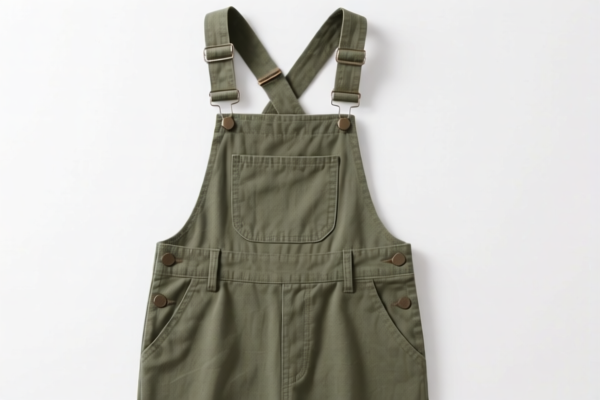
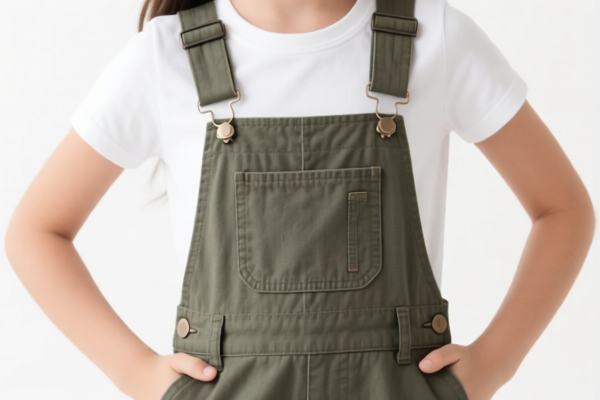
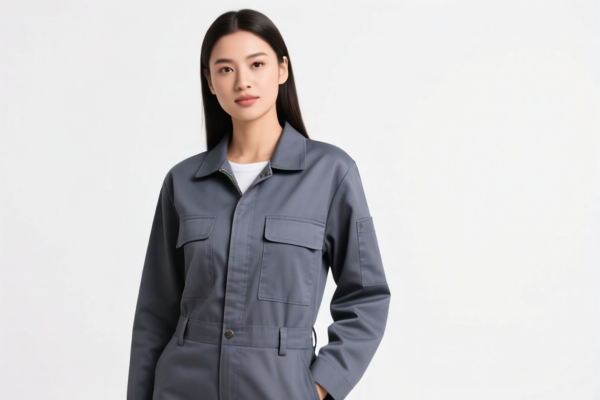
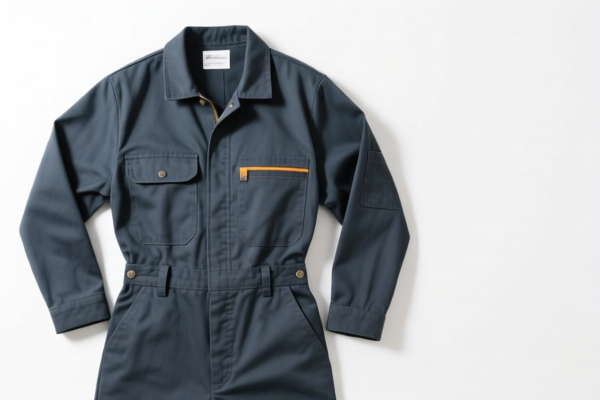
Girls' Heavyweight Warm Jumpsuit Workwear
CN → US| HS编码 | 关税税率 | 原产国 | 目的国 | 文档 |
|---|---|---|---|---|
| 6204626005 | 26.4% | CN | US | 官方文档 |
| 6204636005 | 32.4% | CN | US | 官方文档 |
| 6211431007 | 33.5% | CN | US | 官方文档 |
| 6104621010 | 27.8% | CN | US | 官方文档 |
| 6211421007 | 25.6% | CN | US | 官方文档 |
商品图片
AI分析
🧥🧵 Girls' Heavyweight Warm Jumpsuit Workwear: Ultimate HS Code Guide & Clearance Strategy
🌐 HS Code Reference & Clearance Guide | 2026 Latest Tariff Analysis | Professional Compliance Strategy
📌 I. Product Definition & Classification: Do You Truly Understand "Warm Jumpsuits"?
Girls' Heavyweight Warm Jumpsuit Workwear refers to full-body protective clothing designed for female children, featuring heavy insulation for cold-weather work environments. In international trade, the classification depends strictly on the material composition, which dictates the tariff rate.
Key Material Distinctions:
* Cotton (Natural Fiber): Soft, breathable, but requires specific classification (6204.62 or 6211.42).
* Synthetic Fiber or Blended (Man-made): Durable, often more water-resistant, classified under 6204.63.
* Artificial/Synthetic (Viscose, Rayon, etc.): Often cheaper alternatives, classified under 6211.43.
* Knitted Cotton: Stretchier, softer fabric (e.g., sweatshirt material), classified under 6104.62.
⚠️ Critical Classification Point:
- Woven (Non-knitted) vs. Knitted: The fabric construction determines if it falls under Chapter 61 (Knitted) or Chapter 62 (Woven).
- Material: Cotton vs. Synthetic vs. Artificial determines the sub-category and Tax Rate.
- Design: "Jumpsuit" (One-piece) vs. "Suit" (Two-piece) affects the Heading.
📦 II. HS Code Classification Details (2026 Latest Tariff Authority)
Based on the specific material composition of your Girls' Heavyweight Warm Jumpsuit Workwear, here are the exact 5 HS Codes provided in your data:
| HS Code | Product Description | Material Type | Category | Total Tax Rate |
|---|---|---|---|---|
6204.62.60.05 |
Women's Heavyweight Warm Jumpsuit, Cotton | 100% Cotton | Jumpsuit (Woven) | 26.4% |
6204.63.60.05 |
Women's Heavyweight Warm Jumpsuit, Synthetic/Blended | Synthetic or Mixed | Jumpsuit (Woven) | 32.4% |
6211.43.10.07 |
Women's Heavyweight Warm Jumpsuit, Artificial Fiber | Man-made (Rayon/Viscose) | One-piece (Woven) | 33.5% |
6104.62.10.10 |
Women's Heavyweight Warm Jumpsuit, Knitted Cotton | Cotton (Knitted) | Jumpsuit (Knitted) | 27.8% |
6211.42.10.07 |
Women's Heavyweight Warm Jumpsuit, Cotton | 100% Cotton | Coveralls/Workwear | 25.6% |
🔍 Important Note:
- Codes6204and6211usually denote Woven garments.
- Code6104denotes Knitted garments.
- The 122 Clause Tariff applies uniformly across all categories (10%), plus base and additional tariffs.
💰 III. 2026 Latest Tariff Rate Breakdown (Including Add-ons)
✅ Applicable Region: Likely United States (based on "122 Clause" and "Additional Tariff" structure)
✅ Origin: China (CN)
✅ Effective: Includes current "122 Clause" and Additional Tariff measures.
🎯 1. Cotton Jumpsuits (Woven) - 6204.62.60.05 & 6211.42.10.07
- Description: The most common natural fiber option.
- Tariff Breakdown:
- Base Duty: 8.1% – 8.9%
- Additional Duty: 7.5% (Section 301 / Trade War measure)
- 122-Clause Tariff: 10% (Specific to China)
- Total Effective Rate: 25.6% – 26.4%
- Calculation:
CIF Value × (Base + 7.5% + 10%)
🎯 2. Synthetic/Blended Jumpsuits - 6204.63.60.05
- Description: Often more durable for heavy work, but attracts higher base duties.
- Tariff Breakdown:
- Base Duty: 14.9%
- Additional Duty: 7.5%
- 122-Clause Tariff: 10%
- Total Effective Rate: 32.4%
- Impact: Higher cost due to higher base duty on synthetic fibers.
🎯 3. Artificial Fiber (Rayon/Viscose) - 6211.43.10.07
- Description: Often used for softer, draping workwear.
- Tariff Breakdown:
- Base Duty: 16.0%
- Additional Duty: 7.5%
- 122-Clause Tariff: 10%
- Total Effective Rate: 33.5%
- Impact: Highest tax rate in this list. Avoid unless material cost savings outweigh the 33.5% tax.
🎯 4. Knitted Cotton Jumpsuits - 6104.62.10.10
- Description: Stretchy, comfortable, "sweatshirt" style workwear.
- Tariff Breakdown:
- Base Duty: 10.3%
- Additional Duty: 7.5%
- 122-Clause Tariff: 10%
- Total Effective Rate: 27.8%
- Impact: Slightly higher than woven cotton due to specific knitting duty structure.
🛠️ IV. Clearance Operational Advice (Pitfall Avoidance)
✅ 1. Documentation Checklist (Essential)
To ensure smooth customs clearance and avoid "Misclassification" fines:
| Document | Requirement | Why It Matters |
|---|---|---|
| ✅ Material Composition Label | Must clearly state: "100% Cotton", "Polyester Blend", or "Artificial Fiber" | Determines the HS Code. Wrong label = Wrong Tax = Audit. |
| ✅ Fabric Construction Type | Specify if Knitted or Woven | Distinguishes between Chapter 61 (6104) and Chapter 62 (6204/6211). |
| ✅ Technical Data Sheet | Weight (GSM), Insulation type (Fleece, Down, Synthetic), Water resistance | Confirms "Heavyweight Warm" claim; prevents re-classification as "Light Apparel". |
| ✅ Photos of Product & Label | Clear shots of the "Made in..." label and fabric tag | Customs officers often verify via photos if physical inspection is delayed. |
| ✅ Commercial Invoice | Must list the exact HS Code and Description (e.g., "Girls' Cotton Jumpsuit") | Prevents "Guessing" by customs; ensures correct tax application. |
✅ 2. Declaration Strategy (Pro-Tips)
🔥 Golden Rule: "Material Defines, Construction Dictates, Tax Follows!"
| Scenario | Correct Declaration | DANGER Zone (Wrong Declaration) |
|---|---|---|
| 100% Cotton, Woven | HS: 6204.62.60.05 or 6211.42.10.07 |
Declaring as Synthetic (6204.63) → Overpay Tax |
| Synthetic Blend, Woven | HS: 6204.63.60.05 |
Declaring as Cotton (6204.62) → Underpay Tax (Audit Risk) |
| Knitted Cotton | HS: 6104.62.10.10 |
Declaring as Woven (6204) → Classification Error |
| Artificial Fiber | HS: 6211.43.10.07 |
Declaring as Cotton → High Tax Risk (33.5% vs 26.4%) |
✅ 3. Special Clauses Explanation (The "122 Clause")
- What is it? The "122 Clause" refers to a specific Section 301 / Trade Countermeasure tariff applied to Chinese goods.
- Rate: Fixed at 10% for all listed HS Codes in this dataset.
- Impact: This is an Add-on Tax that sits on top of the Base Duty and the 7.5% Additional Duty.
- Strategy: You cannot avoid this tax via minor value adjustments (De Minimis) because the threshold for these apparel goods is often low or non-existent.
🌍 V. Market Comparison & Cost Optimization
| Material Type | HS Code | Base Duty | Add-on (7.5%) | 122-Clause (10%) | Total Tax | Recommendation |
|---|---|---|---|---|---|---|
| Cotton (Woven) | 6204.62.60.05 |
8.9% | 7.5% | 10% | 26.4% | ✅ Best for Natural Fiber |
| Cotton (Workwear) | 6211.42.10.07 |
8.1% | 7.5% | 10% | 25.6% | ✅ Lowest Tax for Cotton |
| Knitted Cotton | 6104.62.10.10 |
10.3% | 7.5% | 10% | 27.8% | ⚠️ Moderate Cost |
| Synthetic | 6204.63.60.05 |
14.9% | 7.5% | 10% | 32.4% | ❌ High Cost |
| Artificial | 6211.43.10.07 |
16.0% | 7.5% | 10% | 33.5% | ❌ Highest Cost |
📌 Strategic Insight:
If your product can be manufactured using Cotton rather than Synthetic or Artificial fibers, you can save 7% – 8% in total taxes. Between the two Cotton options (6204.62vs6211.42),6211.42(Coveralls/Workwear specific) offers the lowest tax (25.6%). Ensure your design fits the "Coveralls/Workwear" definition to qualify.
📌 VI. Common Errors & Avoidance (Lessons Learned)
❌ Error 1: "Jumpsuit" vs. "Coveralls" Confusion
Issue: Declaring a Cotton Jumpsuit as 6204 (Dresses/Overalls) when it fits 6211 (Coveralls/Workwear).
* Result: Potential underpayment or overpayment depending on base duty differences.
* Fix:* Verify if the garment is specifically "Workwear" (Coveralls) -> Use 6211.42.
❌ Error 2: Ignoring "Knitted" vs. "Woven"
Issue: Treating Knitted Cotton (6104) as Woven (6204).
* Result: Severe Classification Error, leading to seizure or 100% tax penalties.
* Fix:* Check the fabric weave. Knitted = Chapter 61. Woven = Chapter 62.
❌ Error 3: Mislabeling "Artificial" as "Synthetic"
Issue: Calling Viscose/Rayon "Synthetic" to try for a lower rate.
* Result: Customs will inspect fabric content; if it's Artificial, rate is 33.5%.
* Fix:* Be honest with "Artificial Fiber" classification.
✅ Correct Approach:
"Girls' Heavyweight Warm Jumpsuit, 100% Cotton, Woven, designed as Coveralls -> HS: 6211.42.10.07 (25.6% Tax)."
🎯 VII. Conclusion: Precision Classification = Cost Savings
🎯 Remember the Strategy:
🔹 "Cotton is King" (Lowest Tax): Aim for
6211.42.10.07(25.6%) if possible.
🔹 "Knitted vs. Woven" is Critical:6104vs6204changes the Base Duty.
🔹 "122 Clause" is Unavoidable: Add 10% to your budget for all items.
🔹 "Synthetic/Artificial" is Expensive: Avoid if cost is a factor.
📌 Pro Tip:
If your supplier offers Cotton and Synthetic versions, always default to Cotton for US import to save 6-8% in taxes.
Ensure your Material Composition Label on the garment matches your Commercial Invoice exactly. One word difference (e.g., "Polyester" vs. "Nylon") can trigger an audit!
📣 Immediate Action Plan:
📞 Contact Supplier: Confirm "100% Cotton" or "Cotton Blend" for the best tax rate.
🚀 Prepare Docs: Get technical sheets showing "Knitted" or "Woven" structure.
🛡️ Pre-Audit: Verify the HS Code (6211.42.10.07vs6204.62.60.05) matches your product design.
✨ Professional Clearance Starts with the Right HS Code!
💼 Every 1% of Tax Saved is Profit Added!
用户评价
关于 HS 编码归类
协调制度(HS)是由世界海关组织(WCO)制定的国际贸易商品分类标准。全球 200 多个国家采用 HS 系统作为海关关税、贸易统计和进出口监管的基础。
每个 HS 编码遵循以下层级结构:
- 章(2 位)——商品大类(例如:第 84 章:机器和机械设备)
- 品目(4 位)——章内的更具体分类
- 子目(6 位)——国际通用细分,所有 WCO 成员国统一使用
- 本国细分(8-10 位)——各国自行扩展的细分编码,如美国 HTSUS 10 位编码
正确的 HS 编码归类对于顺利通关、准确缴纳关税和遵守贸易法规至关重要。错误归类可能导致海关延误、多缴关税或罚款。
从CN进口到US时,适用的关税税率可能包括:
- 最惠国(MFN)税率——适用于 WTO 成员国的标准关税税率
- 普通税率——适用于无贸易协定国家
- 贸易救济关税——附加关税,如 301 条款(反倾销)、232 条款(国家安全)或反补贴税
本页内容仅供参考。如需正式归类,请咨询当地海关或持牌报关代理。