Girls' High Waist Ski Pants
CN → US| HS编码 | 关税税率 | 原产国 | 目的国 | 文档 |
|---|---|---|---|---|
| 6112201090 | 45.7% | CN | US | 官方文档 |
| 6203431110 | 24.6% | CN | US | 官方文档 |
| 6211201525 | 24.6% | CN | US | 官方文档 |
| 6211206820 | 46.1% | CN | US | 官方文档 |
| 6112201060 | 45.7% | CN | US | 官方文档 |
商品图片
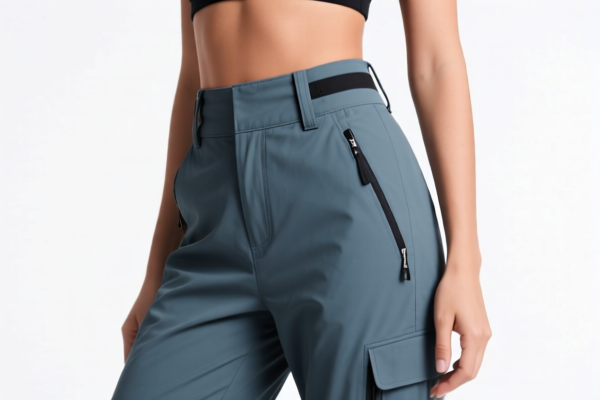
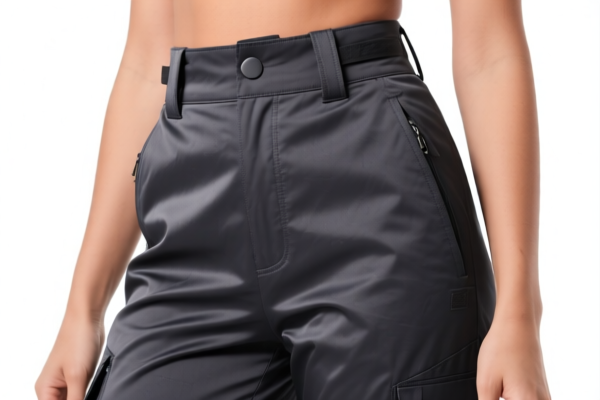
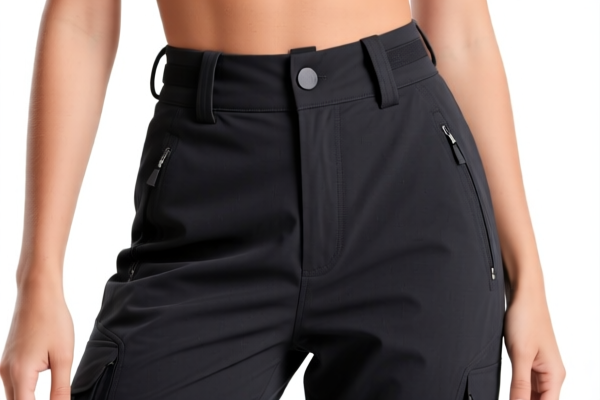

AI分析
👖 Girls' High Waist Ski Pants (Outdoor Apparel)
🌐 HS Code Reference & Customs Clearance Guide | 2024/2025 Latest Tariff Analysis | Strategic Clearance Strategy
📌 I. Product Definition & Classification: Do You Truly Understand "Ski Pants"?
Girls' High Waist Ski Pants are specialized outerwear designed for winter sports, specifically skiing and snowboarding. In international trade, they are classified based on two critical factors:
1. Material Composition: Knitted/crocheted (Chapter 61) vs. Woven (Chapter 62).
2. Specific Use: Are they specifically designed for skiing/sailing? (Specialized Sports Garments).
⚠️ Key Distinction Point:
- Knitted (Chapter 61): Usually stretchier, often made of synthetic fibers like polyester/spandex blends, forming a "body-hugging" or "athletic" fit.
- Woven (Chapter 62): Often more structured, potentially featuring waterproof membranes (Gore-Tex) laminated to woven fabric, resembling traditional trousers.
- High Waist & Ski-Specific: The "High Waist" design and "Ski" designation strongly suggest they fall under Heading 6112 (Knitted Sports Garments) or Heading 6211 (Woven Specialized Garments like ski suits), rather than general trousers.
📦 II. HS Code Classification Details (Based on Provided Data)
The provided data suggests five possible HS Codes, all referencing Girls' High Waist Ski Pants. The classification difference primarily hinges on whether the garment is Knitted (6112) or Woven (6211/6203) and the specific Subheading nuances regarding fiber content and manufacturing details.
| HS Code | Product Description (Summary from Data) | Material Inference | Total Tax Rate | Key Distinction |
|---|---|---|---|---|
6112.20.10.90 |
High waist ski pants; shape/use matches ski wear range | Artificial/Synthetic Fibers (Knitted) | 45.7% | Knitted; High tax due to higher base tariff (28.2%). |
6112.20.10.60 |
High waist ski pants; long pants in ski wear category | Man-made Fibers (Knitted) | 45.7% | Knitted; Same as above, slight sub-variation. |
6203.43.11.10 |
High waist ski pants; use as ski pants, shape as trousers | Synthetic Fibers (Woven) | 24.6% | Woven trousers; Lower base tariff (7.1%). |
6211.20.15.25 |
High waist ski pants; matches shape/use, non-cotton synthetic | Non-cotton Synthetic Fibers (Woven) | 24.6% | Woven Specialized Garment; Lower base tariff (7.1%). |
6211.20.68.20 |
High waist ski pants; matches shape/use, chemical fiber fabric | Chemical Fiber Fabric (Woven) | 46.1% | Woven; Highest tax due to higher base tariff (28.6%). |
🔍 Critical Analysis:
- Knitted (6112): Incurs a significantly higher Base Tariff (28.2%). Total tax is 45.7%.
- Woven (6203/6211): Generally incurs a lower Base Tariff (7.1%) if classified as standard synthetic trousers or specialized sports wear. Total tax is 24.6%.
- Exception: HS Code6211.20.68.20is an outlier in the woven category, imposing a high base tariff (28.6%), resulting in 46.1% total tax. This suggests specific material or origin classifications might trigger higher rates here.
💰 III. 2024/2025 Latest Tariff Rate Breakdown (Including Surcharges)
✅ Applicable Country: United States (US)
✅ Origin: China (CN) (Implied by "122 Clause" and typical trade context)
✅ Effective Time: Current as of latest trade data
🎯 1. The "High Tax" Category: Knitted Ski Pants (6112.20.10.90 & .60)
| Item | Content |
|---|---|
| Base Tariff | 28.2% |
| Section 301 Surcharge | +7.5% (Standard additional tariff for Chapter 61 apparel from China) |
| Section 122 Tariff | +10% (Specific anti-dumping/countervailing or specific trade remedy) |
| Total Tax Rate | 45.7% |
| Tax Calculation | CIF Value × 45.7% |
| De Minimis Exemption | ❌ Not Eligible |
| Legal Basis | Base Rate + 301 Footnote + 122 Clause |
📌 Explanation:
- Knitted garments often face higher base duties due to historical protectionist policies.
- The 10% Section 122 tariff is a significant add-on, likely related to specific trade actions against certain textile categories.
- Total 45.7% makes this a high-cost classification.
🎯 2. The "Moderate Tax" Category: Woven Ski Pants (6203.43.11.10 & 6211.20.15.25)
| Item | Content |
|---|---|
| Base Tariff | 7.1% |
| Section 301 Surcharge | +7.5% |
| Section 122 Tariff | +10% |
| Total Tax Rate | 24.6% |
| Tax Calculation | CIF Value × 24.6% |
| De Minimis Exemption | ❌ Not Eligible |
| Legal Basis | Base Rate + 301 Footnote + 122 Clause |
📌 Explanation:
- Woven synthetic trousers benefit from a much lower base rate (7.1%).
- Total 24.6% is more than 20 percentage points lower than the knitted equivalent.
- HS Code6211.20.15.25specifically identifies "Specialized Garments" (ski), which sometimes allows for favorable sub-heading treatment compared to general trousers.
🎯 3. The "Highest Tax" Category: Specific Woven Variant (6211.20.68.20)
| Item | Content |
|---|---|
| Base Tariff | 28.6% |
| Section 301 Surcharge | +7.5% |
| Section 122 Tariff | +10% |
| Total Tax Rate | 46.1% |
| Tax Calculation | CIF Value × 46.1% |
| De Minimis Exemption | ❌ Not Eligible |
| Legal Basis | Base Rate + 301 Footnote + 122 Clause |
📌 Warning:
- Despite being woven, this specific subheading carries a base tariff (28.6%) similar to knitted goods.
- This results in the highest total tax rate (46.1%) in the dataset.
- Likely Cause: Specific material composition (e.g., certain chemical fibers) or origin rules that exclude it from the lower "7.1%" bracket.
🛠️ IV. Customs Clearance Practical Advice (Battle-Tested Pitfall Guide)
✅ 1. Preparation Checklist (Non-Negotiable)
| Document | Must Provide | Explanation |
|---|---|---|
| ✅ Product Spec Sheet | ✔️ | Must clearly state: "Knitted" or "Woven", Material % (e.g., 90% Polyester, 10% Spandex), and "Ski Wear" designation. |
| ✅ Product Photos | ✔️ | Front/back views showing high-waist design, zippers, vents, and any waterproof membrane labels (e.g., Gore-Tex). |
| ✅ Commercial Invoice | ✔️ | Clearly describe as "Girls' High Waist Ski Pants, Synthetic Fiber, Knitted/Woven". Avoid vague terms like "Winter Pants". |
| ✅ Bill of Lading | ✔️ | Ensure weight and dimensions match invoice. |
| ✅ Origin Certificate | ✔️ | Crucial for verifying country of origin for Section 301 and 122 tariffs. |
✅ 2. Classification Strategy (Key Mantra)
🔥 “Know Your Weave, Check Your Base, 122 Clause is a Trap!”
| Scenario | Recommended HS Code | Risk/Reason |
|---|---|---|
| Knitted, Synthetic | 6112.20.10.90 or .60 |
Expect 45.7% tax. Ensure it’s truly knitted. |
| Woven, Standard Ski | 6211.20.15.25 |
Best Case: 24.6% tax. Proves it’s specialized sports wear. |
| Woven, Generic/Specific Fibre | 6203.43.11.10 |
Good Case: 24.6% tax. Classified as synthetic trousers. |
| Woven, High-Base Fibre | 6211.20.68.20 |
Worst Case: 46.1% tax. Avoid if possible; review material specs. |
📌 Key Tip:
- If you are a manufacturer or importer, prioritize Woven (6211.20.15.25) classification if the garment allows it. The 21.1% tax difference (45.7% vs 24.6%) is massive.
- Do NOT use6211.20.68.20unless your material composition specifically triggers that subheading. Verify with your supplier.
✅ 3. Special Handling Scenarios
| Scenario | Handling Advice |
|---|---|
| Mixed Materials | If pants have knitted waistbands but woven legs, customs may look at the principal character. Usually, the outer shell material dictates the chapter. |
| Waterproof Membranes | If the fabric is a laminated waterproof membrane, ensure it’s correctly described. Woven laminates often still fall under 6211, but check if the base fabric is counted as woven. |
| "One Size Fits All" | Ensure sizing labels are clear. "Girls'" implies a specific demographic, supporting the use of specialized headings. |
| Section 122 Applicability | Confirm if your specific product type is exempt from the 122 Clause. In the provided data, all codes include it, so assume 10% is mandatory. |
🌍 V. Global Market Comparison (2024/2025 Context)
| Market | Recommended HS Code | Base Tariff | Additional Surcharges | Total Estimated Tax | Notes |
|---|---|---|---|---|---|
| 🇺🇸 USA | 6211.20.15.25 |
7.1% | 7.5% (301) + 10% (122) | 24.6% | Optimal Woven Classification |
| 🇺🇸 USA | 6112.20.10.90 |
28.2% | 7.5% (301) + 10% (122) | 45.7% | High Cost Knitted Option |
| 🇨🇳 China | 6211.20.15.25 |
13% | None | 13% | Lower base rate, no surcharges |
| 🇪🇺 EU | 6211.20.15.25 |
12% | None | 12% | No Section 301/122 equivalents |
| 🇨🇦 Canada | 6211.20.15.25 |
16.5% | None | 16.5% | No surcharges |
📌 Conclusion:
- The US market is the most challenging due to the 17.5% in additional tariffs (301 + 122).
- Classification is key: Choosing6211.20.15.25(Woven) over6112.20.10.90(Knitted) saves 21.1% in total tax.
- Other markets (EU, China, Canada) have no such surcharges, making the base tariff the only cost driver.
📌 VI. Common Mistakes & Pitfalls (Lessons from the Field)
❌ Mistake 1: Classifying Woven Ski Pants as Knitted (6112)
👉 Consequence: Tax jumps from 24.6% to 45.7%.
✅ Fix: Verify fabric construction. Woven = Interlaced threads. Knitted = Loop structure.
❌ Mistake 2: Using Generic "Trousers" Code (6203) for Specialized Ski Wear
👉 Consequence: While tax is similar (24.6%), customs may flag it for misdescription.
✅ Fix: Use 6211.20 (Specialized Sports Garments) if the design is exclusively for skiing/sailing. It’s more accurate.
❌ Mistake 3: Ignoring the "122 Clause"
👉 Consequence: Underpayment of 10% tariff. Penalties and interest apply.
✅ Fix: Always include the 10% in your cost calculation for US-bound goods.
❌ Mistake 4: Assuming "High Waist" changes Classification
👉 Consequence: None directly, but it supports the "Specialized" argument.
✅ Fix: Highlight "High Waist" and "Ski Fit" in descriptions to justify Heading 6211.
🎯 VII. Conclusion: Strategic Sourcing for Maximum Profit
🎯 Key Takeaway:
🔹 "Woven is Winner: 24.6% vs 45.7%. Don't let Knitted Costs Kill Your Margin."
🔹 "Always Verify Fabric Weave. One thread makes a huge tax difference."
🔹 "122 Clause is Real: Budget for that extra 10%."
📌 Pro Tip:
If your supply chain allows, shift production to Woven fabric structures for ski pants. This single change can halve your US tariff burden.
For Knitted items, consider origin diversification (e.g., Vietnam, Bangladesh) to potentially avoid Section 301/122 tariffs, though base rates may vary.
📣 Immediate Action:
📞 Contact your supplier: Ask for fabric composition and weave type.
📝 Update Invoice Descriptions: Be specific: "Girls' Woven High Waist Ski Pants, 100% Polyester".
🚀 Optimize Cost: Aim for HS Code 6211.20.15.25 for the 24.6% rate.
✨ Smart Classification, Smarter Savings!
💼 Every percentage point saved is pure profit.
用户评价
关于 HS 编码归类
协调制度(HS)是由世界海关组织(WCO)制定的国际贸易商品分类标准。全球 200 多个国家采用 HS 系统作为海关关税、贸易统计和进出口监管的基础。
每个 HS 编码遵循以下层级结构:
- 章(2 位)——商品大类(例如:第 84 章:机器和机械设备)
- 品目(4 位)——章内的更具体分类
- 子目(6 位)——国际通用细分,所有 WCO 成员国统一使用
- 本国细分(8-10 位)——各国自行扩展的细分编码,如美国 HTSUS 10 位编码
正确的 HS 编码归类对于顺利通关、准确缴纳关税和遵守贸易法规至关重要。错误归类可能导致海关延误、多缴关税或罚款。
从CN进口到US时,适用的关税税率可能包括:
- 最惠国(MFN)税率——适用于 WTO 成员国的标准关税税率
- 普通税率——适用于无贸易协定国家
- 贸易救济关税——附加关税,如 301 条款(反倾销)、232 条款(国家安全)或反补贴税
本页内容仅供参考。如需正式归类,请咨询当地海关或持牌报关代理。