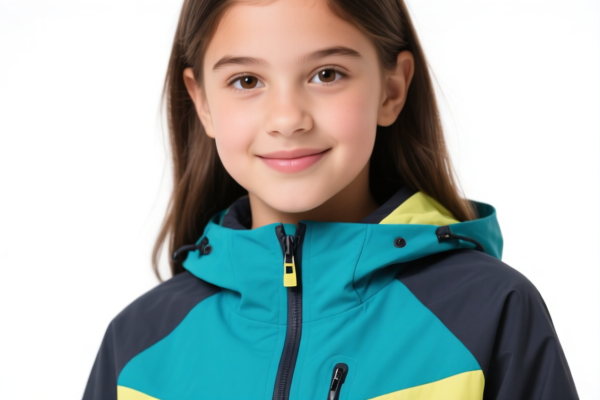
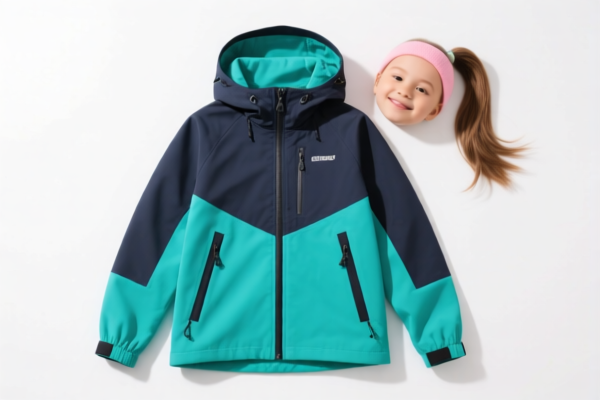
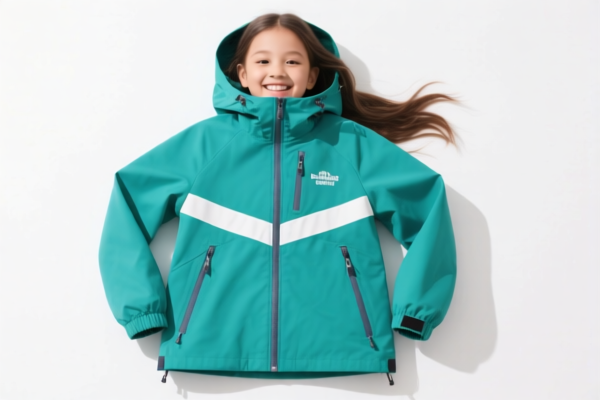
Girls' Outdoor Warm Jacket
CN → US| HS编码 | 关税税率 | 原产国 | 目的国 | 文档 |
|---|---|---|---|---|
| 6114200046 | 28.3% | CN | US | 官方文档 |
| 6114303054 | 32.4% | CN | US | 官方文档 |
| 6110202049 | 34.0% | CN | US | 官方文档 |
| 6110303025 | 49.5% | CN | US | 官方文档 |
| 6210205010 | 24.6% | CN | US | 官方文档 |
| 6210205020 | 24.6% | CN | US | 官方文档 |
商品图片

AI分析
🧥 Girls' Outdoor Warm Jacket (Children's Winter Outerwear)
🌐 HS Code Reference & Clearance Guide | 2026 Latest Tariff Analysis | Professional Clearance Strategy
📌 I. Product Definition & Classification: Do You Truly Understand "Girls' Warm Jackets"?
Girls' outdoor warm jackets are specialized apparel designed for children, characterized by windproof, waterproof, or thermal-insulating properties. In international trade, these goods are classified based on their manufacturing process (knitted vs. woven) and material composition. This distinction is critical because it determines the base tariff rate and the final landed cost.
Key Classification Dimensions: 1. Manufacturing Method: * Knitted/Crocheted (Chapter 61): Made from yarn loops (e.g., fleece, knit windbreakers). Generally more flexible and stretchy. * Non-Knitted/Not Knitted (Chapter 62): Made from fabric pieces sewn together (e.g., woven nylon shells, cotton canvas). Typically more structured and durable. 2. Material Composition: * Cotton (HS Codes ending in 20/49): Natural fiber, breathable. * Synthetic/Man-Made Fibers (HS Codes ending in 30/54): Polyester, nylon, etc., often used for waterproofing and durability.
⚠️ Critical Distinction Point:
- If the jacket is knitted → Look at Chapter 61 (6114,6110).
- If the jacket is woven → Look at Chapter 62 (6210).
- Misclassification between Chapter 61 and 62 can lead to significant tariff discrepancies and customs delays.
📦 II. HS Code Classification Details (2026 Latest Tariff Authority Comparison)
Based on the provided data, here are the four possible classifications for "Girls' Outdoor Warm Jackets," categorized by material and manufacturing type:
| HS Code | Product Description & Inference | Applicable Scenario | Material Inference |
|---|---|---|---|
6114.20.00.46 |
Girls' Hooded Jacket (Knitted/Crocheted) | Knitted style, windproof/warm | Cotton |
6114.30.30.54 |
Girls' Hooded Jacket (Knitted/Crocheted) | Knitted style, synthetic shell | Synthetic/Man-made Fiber |
6110.20.20.49 |
Girls' Jacket/Sweater (Knitted/Crocheted) | Knitted pullover/jumper style | Cotton |
6110.30.30.25 |
Girls' Jacket/Pullover (Knitted/Crocheted) | Knitted, generic textile | Synthetic/Man-made Fiber |
6210.20.50.10 |
Children's Jacket (Not Knitted) | Woven shell, outerwear | Synthetic/Natural Fiber |
🔍 Key Reminder:
- Chapter 61 (Knitted) codes (6114,6110) typically apply to softer, stretchy, or fleece-lined jackets.
- Chapter 62 (Woven) code (6210) applies to harder, structured, or laminated waterproof jackets.
- The "Hooded" feature in6114vs. generic "Jacket" in6110/6210may affect specific sub-category verification, but material is the primary driver for the base rate differences shown below.
💰 III. 2026 Latest Tariff Rate Breakdown (Including Surtaxes & Policy Add-ons)
✅ Applicable Country: United States (US)
✅ Country of Origin: China (CN) (Implied by the specific surtax structure in data)
✅ Effective Time: Current tariff regime (includes Section 301 & Section 232 implications if applicable, though data shows specific "122" clause which likely refers to specific trade remedy or Section 301 footnote 20)
🎯 1. 6114.20.00.46 — Girls' Hooded Jacket (Knitted, Cotton)
| Item | Content |
|---|---|
| Base Tariff | 10.8% |
| Surtax (Section 301/Other) | 7.5% |
| Clause 122 Surtax | 10.0% |
| Total Effective Tax Rate | 28.3% |
| Tax Calculation | CIF Value × 28.3% |
| De Minimis Eligibility | ❌ No (Standard for apparel > $800 value or specific exclusions) |
| Legal Basis Path | HTSUS:6114.20.00.46 → Base 10.8% + Surtax 7.5% + Clause 122 10% |
📌 Explanation:
- This is the lowest tax bracket among the knitted options.
- Cotton items often benefit from slightly lower base tariffs compared to high-tech synthetics in certain subheadings, but the surtaxes remain high.
- Tip: If your jacket is knitted, ensure it is correctly identified as Cotton (not a cotton-poly blend that triggers synthetic rates) to potentially qualify for this lower base rate.
🎯 2. 6114.30.30.54 — Girls' Hooded Jacket (Knitted, Synthetic)
| Item | Content |
|---|---|
| Base Tariff | 14.9% |
| Surtax (Section 301/Other) | 7.5% |
| Clause 122 Surtax | 10.0% |
| Total Effective Tax Rate | 32.4% |
| Tax Calculation | CIF Value × 32.4% |
| De Minimis Eligibility | ❌ No |
| Legal Basis Path | HTSUS:6114.30.30.54 → Base 14.9% + Surtax 7.5% + Clause 122 10% |
📌 Explanation:
- Synthetic fibers (polyester, nylon) usually incur higher base tariffs (14.9% vs 10.8%).
- This is the standard classification for most polyester fleece or windbreaker jackets for girls.
🎯 3. 6110.20.20.49 — Girls' Jacket/Sweater (Knitted, Cotton)
| Item | Content |
|---|---|
| Base Tariff | 16.5% |
| Surtax (Section 301/Other) | 7.5% |
| Clause 122 Surtax | 10.0% |
| Total Effective Tax Rate | 34.0% |
| Tax Calculation | CIF Value × 34.0% |
| De Minimis Eligibility | ❌ No |
| Legal Basis Path | HTSUS:6110.20.20.49 → Base 16.5% + Surtax 7.5% + Clause 122 10% |
📌 Explanation:
- Chapter 6110 covers "Sweaters, Pullovers...". If the "jacket" is more like a thick knitted sweater or pullover without heavy hardware/zippers, it may fall here.
- Note the higher base rate (16.5%) compared to6114(10.8%). Always check if the item fits the "Jacket" vs. "Sweater" definition. Zippers, buttons, and pockets often push it into6114or6210.
🎯 4. 6110.30.30.25 — Girls' Jacket/Pullover (Knitted, Synthetic)
| Item | Content |
|---|---|
| Base Tariff | 32.0% |
| Surtax (Section 301/Other) | 7.5% |
| Clause 122 Surtax | 10.0% |
| Total Effective Tax Rate | 49.5% |
| Tax Calculation | CIF Value × 49.5% |
| De Minimis Eligibility | ❌ No |
| Legal Basis Path | HTSUS:6110.30.30.25 → Base 32.0% + Surtax 7.5% + Clause 122 10% |
⚠️ WARNING:
- This is the HIGHEST tax rate (49.5%).
- Avoid this classification unless absolutely necessary. It applies to synthetic knitted sweaters/jumpers.
- Strategy: If your product is a synthetic jacket, try to classify it as6114.30.30.54(32.4%) or6210.20.50.10(24.6%) instead. Ensure the design features (hood, zippers, pockets) align with6114or6210rather than6110.
🎯 5. 6210.20.50.10 — Children's Jacket (Not Knitted/Woven)
| Item | Content |
|---|---|
| Base Tariff | 7.1% |
| Surtax (Section 301/Other) | 7.5% |
| Clause 122 Surtax | 10.0% |
| Total Effective Tax Rate | 24.6% |
| Tax Calculation | CIF Value × 24.6% |
| De Minimis Eligibility | ❌ No |
| Legal Basis Path | HTSUS:6210.20.50.10 → Base 7.1% + Surtax 7.5% + Clause 122 10% |
💡 STRATEGIC ADVANTAGE:
- This is the LOWEST TOTAL TAX RATE (24.6%).
- Why? The base tariff is very low (7.1%).
- Condition: The jacket must be Woven (not knitted). This applies to nylon, polyester woven shells, cotton canvas, or laminated fabrics.
- Action: If your "warm jacket" has a woven outer shell (even if lined with fleece), argue for classification under Chapter 62 to save ~3.7%–24.9% in duties compared to knitted alternatives.
🛠️ IV. Clearance Operational Advice (Practical Pitfall Avoidance Guide)
✅ 1. Documentation Checklist (Non-negotiable)
| Document | Must Provide | Explanation |
|---|---|---|
| ✅ Product Spec Sheet | ✔️ | Must specify: Knitted OR Woven, Material % (Cotton/Poly), Age Group (Girls < 16?). |
| ✅ Material Composition Label | ✔️ | Photo of the care label inside the jacket. Critical for determining Cotton vs. Synthetic. |
| ✅ Tech Pack / Construction Details | ✔️ | Show zippers, pockets, hood attachment. Distinguishes 6110 (Sweater) from 6114/6210 (Jacket). |
| ✅ Commercial Invoice | ✔️ | Clearly state "Girls' Outdoor Jacket, Material: [Woven Knit], [Cotton/Poly]". |
| ✅ Packing List | ✔️ | Confirm quantity and packaging (do not pack accessories separately if they are integral). |
✅ 2. Classification Strategy (Key Mnemonics)
🔥 “Woven Wins Low Rates, Knitted Needs Care! Hood & Zippers define ‘Jacket’, not ‘Sweater’!”
| Scenario | Correct HS Code | Incorrect Classification | Consequence |
|---|---|---|---|
| Woven Shell + Fleece Lining | 6210.20.50.10 (24.6%) |
6114.30.30.54 (32.4%) |
Overpayment of 7.8% |
| Knitted Cotton Hoodie/Jacket | 6114.20.00.46 (28.3%) |
6110.20.20.49 (34.0%) |
Overpayment of 5.7% |
| Knitted Synthetic Jacket | 6114.30.30.54 (32.4%) |
6110.30.30.25 (49.5%) |
Overpayment of 17.1%! |
| Children's Size (Under 16) | All codes above apply to "Girls/Children" | Adult codes (if mislabeled) | Duty rate changes + Compliance issues |
✅ 3. Special Case Handling
| Case | Handling Advice |
|---|---|
| Mixed Materials (e.g., 60% Cotton, 40% Poly) | Classify based on chief material. If cotton > 50%, likely Chapter 61/62 Cotton codes. If poly > 50%, Synthetic codes. |
| "Unisex" vs. "Girls'" | If marketed as "Girls'" but labeled "Unisex", customs may still classify as 6114/6210 children's wear if size indicates < 16 years. Be consistent in marketing. |
| Insulated vs. Uninsulated | Insulation (down/synthetic fill) does not change HS Code if the outer shell determines the classification. Focus on the outer layer material. |
| Clause 122 (10%) | This surtax is fixed in the provided data for all items. Ensure your invoice value is accurate, as this 10% is added to the CIF value regardless of base rate. |
🌍 V. Global Market Comparison (2026 Latest)
| Country/Region | Recommended HS Code (Example) | Tariff (China Origin) | Certification | Note |
|---|---|---|---|---|
| 🇺🇸 USA | 6210.20.50.10 (Woven) |
24.6% (Lowest) | CPC (Children's Product Certificate), ASTM F963 | High compliance cost for kids' wear. |
| 🇺🇸 USA | 6114.20.00.46 (Knit Cotton) |
28.3% | CPC, ASTM F963 | |
| 🇨🇳 China | 6210.20.50.10 |
5-10% | CCC (if applicable) | Lower duty, but high export volume. |
| 🇪🇺 EU | 6210.20.50.10 |
12% | REACH, CPSR | No "122" surtax, but EU VAT high. |
| 🇬🇧 UK | 6210.20.50.10 |
12% | UKCA | Post-Brexit rules apply. |
📌 Conclusion:
- USA is the most tariff-sensitive market due to the layered surtaxes (Base + 7.5% + 10%).
- Choosing Chapter 62 (Woven) is the best cost-saving strategy for synthetic jackets in the US.
- Children's Apparel requires strict safety compliance (CPC, Lead/Cadmium limits, Flammability), which is a hidden cost factor.
📌 VI. Common Errors & Pitfall Guide (Blood & Tears Lessons)
❌ Error 1: Classifying a Woven Nylon Jacket as Knitted (6114)
👉 Consequence: Rate jumps from 24.6% to 32.4%. Loss of 7.8% margin.
❌ Error 2: Classifying a Synthetic Jacket as 6110 (Sweater)
👉 Consequence: Rate jumps from 32.4% to 49.5%. Loss of 17.1% margin. Critical Error!
❌ Error 3: Ignoring "Children's Product Certificate" (CPC)
👉 Consequence: Detention, Return, or Destruction by CBP. Even if tariff is low, no CPC = No Entry.
❌ Error 4: Misdeclaring "Unisex" to avoid "Children's" codes
👉 Consequence: Customs may reclassify based on size/labeling. Fines for misdeclaration.
✅ Correct Action:
“Verify Outer Shell: Woven? Go 6210 (24.6%). Knitted Cotton? Go 6114.20 (28.3%). Knitted Synthetic? Go 6114.30 (32.4%). NEVER 6110.30 (49.5%) unless it’s a pure sweater.”
🎯 VII. Conclusion: Precision Classification, Cost Efficiency!
🎯 Remember the Mantra:
🔹 “Woven is Wealth (24.6%), Knitted Cotton is Cool (28.3%), Knitted Synthetic is Safe (32.4%), Sweater is Pain (49.5%)!”
🔹 “HS Code Dictates Profit. 17% Difference Can Kill Your Margin.”
📌 Pro Tip:
- For "Girls' Jackets", always provide a material composition percentage in the commercial invoice.
- If the jacket has a woven outer shell (even if it has a knitted lining), insist on Chapter 62 (
6210) to save significant duty.- Ensure CPC Certification is ready before shipment to avoid customs holds.
📣 Immediate Action:
📞 Contact Your Freight Forwarder: Confirm if your jacket’s outer shell is Woven or Knitted.
📄 Prepare Tech Pack: Highlight material % and construction type.
🚀 Optimize Landed Cost: Use6210.20.50.10if possible to achieve the 24.6% rate.
✨ Professional Clearance Starts with Accurate Classification!
💼 Your Every Penny Counts in Global Trade!
用户评价
关于 HS 编码归类
协调制度(HS)是由世界海关组织(WCO)制定的国际贸易商品分类标准。全球 200 多个国家采用 HS 系统作为海关关税、贸易统计和进出口监管的基础。
每个 HS 编码遵循以下层级结构:
- 章(2 位)——商品大类(例如:第 84 章:机器和机械设备)
- 品目(4 位)——章内的更具体分类
- 子目(6 位)——国际通用细分,所有 WCO 成员国统一使用
- 本国细分(8-10 位)——各国自行扩展的细分编码,如美国 HTSUS 10 位编码
正确的 HS 编码归类对于顺利通关、准确缴纳关税和遵守贸易法规至关重要。错误归类可能导致海关延误、多缴关税或罚款。
从CN进口到US时,适用的关税税率可能包括:
- 最惠国(MFN)税率——适用于 WTO 成员国的标准关税税率
- 普通税率——适用于无贸易协定国家
- 贸易救济关税——附加关税,如 301 条款(反倾销)、232 条款(国家安全)或反补贴税
本页内容仅供参考。如需正式归类,请咨询当地海关或持牌报关代理。