Girls' Protective Jumpsuit
CN → US| HS编码 | 关税税率 | 原产国 | 目的国 | 文档 |
|---|---|---|---|---|
| 6209303010 | 33.5% | CN | US | 官方文档 |
| 6111206010 | 25.6% | CN | US | 官方文档 |
| 6110909071 | 23.5% | CN | US | 官方文档 |
| 6110909073 | 23.5% | CN | US | 官方文档 |
| 6209205030 | 26.8% | CN | US | 官方文档 |
商品图片
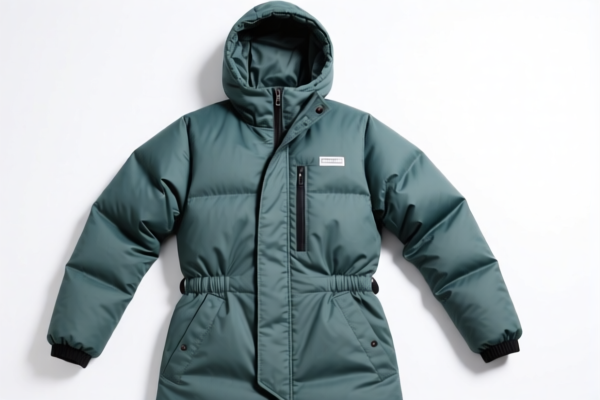
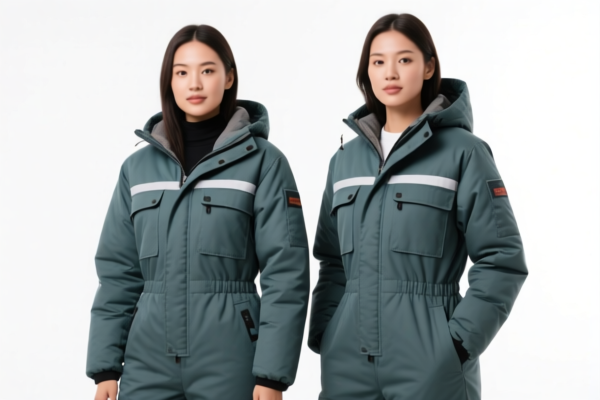
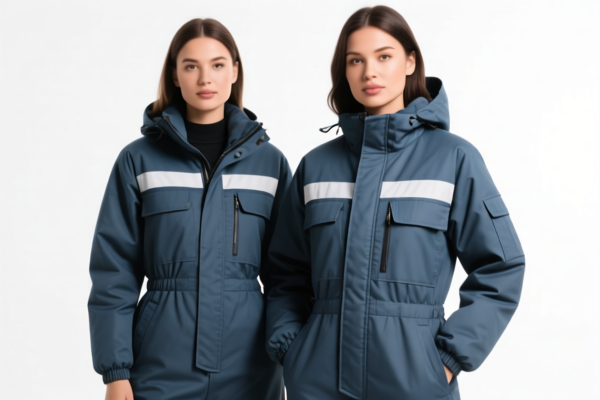
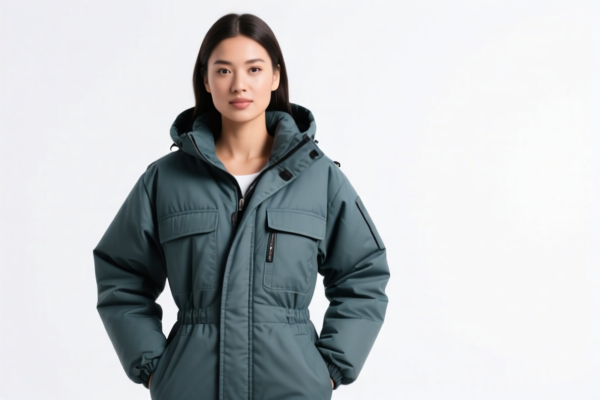
AI分析
👗 Girls' Protective Jumpsuit (Baby/Toddler Romper)
🌐 HS Code Reference & Customs Clearance Guide | 2026 Latest Tariff Analysis | Professional Compliance Strategy
📌 I. Product Definition: What Exactly is a "Protective Jumpsuit"?
A "Girls' Protective Jumpsuit" (often categorized as a Baby Romper, One-Piece, or Coverall) is a single garment covering the torso and legs, designed for infants and young girls (typically under 2 years old). In international trade, the classification hinges heavily on three factors:
1. Material: Knitted vs. Woven.
2. Composition: Cotton vs. Synthetic Fibers (Polyester, Nylon, etc.).
3. Design: Whether it is specifically designed for infants (under 2 years).
⚠️ Critical Distinction:
- Infant Size (Under 2 Years): Falls under Heading 6209 (Woven) or 6111 (Knitted).
- Child Size (Over 2 Years): Falls under Heading 6211 (Woven) or 6104/6109 (Knitted).
The term "Protective" often implies a specific fabric type (e.g., rainwear or durable cotton), but the size determines the primary HS Code.
📦 II. HS Code Classification Matrix (2026 Latest Tariff Data)
Based on the provided data, here are the five most likely classifications for a Girls' Protective Jumpsuit, ranging from synthetic to cotton, and woven to knitted.
| HS Code | Classification Type | Material Inference | Total Tax Rate | Key Logic |
|---|---|---|---|---|
| 6209.30.30.10 | Woven Baby Garment | Synthetic Fibers (e.g., Polyester) | 33.5% | Woven form + Baby use + Synthetic material. High tariff due to synthetic content. |
| 6111.20.60.10 | Knitted Baby Garment | Cotton (Inferred) | 25.6% | Knitted form + Baby use + Cotton material. Standard for soft baby rompers. |
| 6209.20.50.30 | Woven Baby Garment | Cotton (Inferred) | 26.8% | Woven form + Baby use + Cotton material. Common for durable/protective outerwear. |
| 6110.90.90.71 | Knitted Garment (General) | Textile (General) | 23.5% | Knitted + Girl/Infant range + Textile material. Broader category, lower base tax. |
| 6110.90.90.73 | Knitted Garment (General) | Textile (Non-Cotton) | 23.5% | Knitted + Girl/Infant range + Non-cotton textile. Similar to above, slight material nuance. |
🔍 Important Note:
- 6209.xxxx codes are specifically for infant garments (size usually under 24 months).
- 6110.xxxx codes are for knitted pullovers, cardigans, and similar items, but in some jurisdictions, certain knitted one-piece suits for older infants/toddlers may fall here if they don't meet strict "infant" definitions or are classified as general knitwear.
- "Protective" might imply rainwear (Heading 6210) or durable workwear, but for girls' clothing, it typically refers to durable cotton/polyester for outdoor play.
💰 III. 2026 Tariff Breakdown & Calculation (US Import from China)
✅ Applicable Country: United States (US)
✅ Origin: China (CN)
✅ Effective Date: November 10, 2025 (including subsequent imports)
🎯 1. 6209.30.30.10 – Woven Baby Jumpsuit (Synthetic)
| Item | Detail |
|---|---|
| Base Tariff | 16.0% |
| Section 301 Tariff | +7.5% |
| 122 Clause Tariff | +10.0% |
| Total Tax Rate | 33.5% |
| Calculation | CIF Value × 33.5% |
| De Minimis Eligibility | ❌ No (De Minimis exemption does not apply to these high-tariff categories) |
| Legal Path | Base: 16% → Section 301: +7.5% → 122 Clause: +10% |
📌 Explanation:
- This is the highest tax bracket among the options.
- Synthetic fibers (polyester/nylon) face higher base tariffs than cotton.
- The "122 Clause" is a specific US trade action affecting certain Chinese textile inputs.
🎯 2. 6111.20.60.10 – Knitted Baby Romper (Cotton)
| Item | Detail |
|---|---|
| Base Tariff | 8.1% |
| Section 301 Tariff | +7.5% |
| 122 Clause Tariff | +10.0% |
| Total Tax Rate | 25.6% |
| Calculation | CIF Value × 25.6% |
| De Minimis Eligibility | ❌ No |
| Legal Path | Base: 8.1% → Section 301: +7.5% → 122 Clause: +10% |
📌 Explanation:
- Cotton has a lower base tariff (8.1%) compared to synthetics (16%).
- This is a cost-effective option if the product is genuinely knitted cotton.
- Common for: Soft, breathable baby rompers for everyday wear.
🎯 3. 6209.20.50.30 – Woven Baby Jumpsuit (Cotton)
| Item | Detail |
|---|---|
| Base Tariff | 9.3% |
| Section 301 Tariff | +7.5% |
| 122 Clause Tariff | +10.0% |
| Total Tax Rate | 26.8% |
| Calculation | CIF Value × 26.8% |
| De Minimis Eligibility | ❌ No |
| Legal Path | Base: 9.3% → Section 301: +7.5% → 122 Clause: +10% |
📌 Explanation:
- Woven cotton has a slightly higher base tariff than knitted cotton (9.3% vs 8.1%).
- Common for: Durable, "protective" outerwear, denim-style, or windproof baby suits.
🎯 4. 6110.90.90.71 & 73 – Knitted General Garment (Textile)
| Item | Detail |
|---|---|
| Base Tariff | 6.0% |
| Section 301 Tariff | +7.5% |
| 122 Clause Tariff | +10.0% |
| Total Tax Rate | 23.5% |
| Calculation | CIF Value × 23.5% |
| De Minimis Eligibility | ❌ No |
📌 Explanation:
- These codes have the lowest base tariff (6.0%).
- Risk: If the product is clearly an infant garment (under 2 years), using a general "knitted garment" code (6110) may be flagged for misclassification.
- Use Only If: The garment is for older toddlers (2+ years) or doesn't meet the strict definition of "infant" under 6111/6209.
🛠️ IV. Customs Clearance Operational Advice
✅ 1. Essential Documentation Checklist
| Document | Required? | Notes |
|---|---|---|
| ✅ Product Description | ✔️ | Must specify: "Girls' Protective Jumpsuit", Material (e.g., 100% Cotton), Size (Infant/Toddler). |
| ✅ Material Composition | ✔️ | Critical! "Cotton" vs. "Polyester" changes the HS Code and tax rate. |
| ✅ Fabric Construction | ✔️ | Knitted vs. Woven. Check label or supply chain docs. |
| ✅ Age Specification | ✔️ | Specify "Infant (Under 24 Months)" or "Toddler (24+ Months)". |
| ✅ Commercial Invoice | ✔️ | Must match HS Code exactly. Avoid vague terms like "Clothes". |
| ✅ Packing List | ✔️ | Include dimensions and weight for accurate duty calculation. |
| ✅ Certificate of Origin | ✔️ | Proof of China origin triggers Section 301 and 122 Clause tariffs. |
✅ 2. Classification Strategy (Key Decision Tree)
🔥 "Check Material, Check Knit, Check Age – Avoid 33.5% if Possible!"
| Scenario | Recommended HS Code | Tax Rate | Why? |
|---|---|---|---|
| 100% Cotton, Knitted, Infant (<2 yrs) | 6111.20.60.10 |
25.6% | Lowest base tax for infant cotton. |
| 100% Cotton, Woven, Infant (<2 yrs) | 6209.20.50.30 |
26.8% | Standard for woven cotton baby items. |
| Polyester, Woven, Infant (<2 yrs) | 6209.30.30.10 |
33.5% | Highest tax. Avoid if synthetic. |
| Blended/Tri-blend, Knitted, Toddler (2+ yrs) | 6110.90.90.71/73 |
23.5% | Lowest tax, but only if not "infant" size. |
| Rainproof/Waterproof "Protective" Suit | Check 6210 | Varies | If fully waterproof, it may be 6210. Not in current data, but worth checking. |
⚠️ Warning:
- Do NOT use6110codes for garments clearly labeled "Infant" or sized for 0-24 months. Customs may reclassify to6111or6209, leading to back taxes + penalties.
- "Protective" does not automatically mean 6210 (Rainwear). It often just means "durable". Use material and construction to decide.
✅ 3. Cost-Saving Tips
| Tip | Action | Benefit |
|---|---|---|
| 🎯 Material Selection | Use Cotton instead of Polyester. | Saves 7.9% (33.5% vs 25.6%) for infant knitted, or 6.7% (33.5% vs 26.8%) for infant woven. |
| 🎯 Construction Check | Confirm if Knitted (6111) vs. Woven (6209). | Knitted cotton (6111) has the lowest base rate (8.1%) vs. Woven cotton (6209, 9.3%). |
| 🎯 Age Boundary | If the suit fits 24+ months, consider 6110 codes. |
Reduces base rate from 8.1-9.3% to 6.0% (Total 23.5% vs 25.6-26.8%). |
| 🎯 Pre-Ruling | Apply for an Advance Ruling from CBP. | Avoids disputes and penalties at port. |
🌍 V. Global Market Comparison (2026)
| Region | Recommended HS Code | Approx. Tax | Notes |
|---|---|---|---|
| 🇺🇸 USA | 6111.20.60.10 (Cotton Knit) |
25.6% | Includes 301 + 122 Clause. |
| 🇺🇸 USA | 6209.30.30.10 (Synth. Woven) |
33.5% | Highest tax bracket. |
| 🇪🇺 EU | 6111/6209 | ~12% | No Section 301. Lower base rates. |
| 🇨🇳 China | 6111/6209 | ~9-16% | Export tax may apply if sourced from China. |
📌 Conclusion:
- USA is the highest-cost market due to Section 301 and 122 Clause tariffs.
- Cotton Knitted Infant Garments (6111.20.60.10) offer the best balance of protection and cost.
- Avoid Synthetic Woven Infant Garments (6209.30.30.10) if cost is a priority, unless the product strictly requires synthetic durability.
📌 VI. Common Mistakes & Pitfalls
❌ Mistake 1: Labeling a synthetic jumpsuit as "Cotton" to get lower taxes.
👉 Consequence: Customs inspection reveals material mismatch → Seizure, fines, and back taxes.
❌ Mistake 2: Using 6110 codes for Infant garments.
👉 Consequence: Misclassification → Reclassification to 6111/6209 + Penalties.
❌ Mistake 3: Ignoring the "122 Clause".
👉 Consequence: Failure to declare 10% additional tariff → CBP audit and interest charges.
❌ Mistake 4: Vague Description ("Girls' Jumpsuit").
👉 Consequence: Customs assigns highest duty rate by default → Unnecessary cost.
✅ Correct Description Example:
"Girls' Knitted Cotton Protective Jumpsuit (Romper), Size 6-12 Months, 100% Cotton, Knitted Fabric, Infant Size."
🎯 VII. Conclusion: Smart Classification, Smart Savings
🎯 Key Takeaways:
🔹 Cotton is King: Cotton fabrics have lower base tariffs than synthetics.
🔹 Knitted vs. Woven: Knitted infant garments (6111) often have lower base rates than Woven (6209).
🔹 Age Matters: Infant (<2 yrs) vs. Toddler (2+ yrs) determines the HS Code chapter.
🔹 Tax Reality: US imports from China face 23.5% - 33.5% total tariffs. Factor this into your pricing strategy.
📌 Pro Tip:
If your product is not for infants (e.g., size 2T+), consider if it can be classified under 6104 (Girls' Suits) or 6110 (Knitted Pullovers) to reduce base tariffs. However, ensure the design and sizing strictly comply with "not infant" definitions.
📣 Next Steps:
📞 Verify Material & Construction with your supplier.
📦 Confirm Size Range (Infant vs. Toddler).
📄 Prepare Detailed Product Specs for customs broker.
🚀 Optimize Your HS Code to minimize the 23.5% - 33.5% tax burden!
✨ Precision in Classification = Profit in Your Pocket!
💼 Don't let misclassification eat your margins!
用户评价
关于 HS 编码归类
协调制度(HS)是由世界海关组织(WCO)制定的国际贸易商品分类标准。全球 200 多个国家采用 HS 系统作为海关关税、贸易统计和进出口监管的基础。
每个 HS 编码遵循以下层级结构:
- 章(2 位)——商品大类(例如:第 84 章:机器和机械设备)
- 品目(4 位)——章内的更具体分类
- 子目(6 位)——国际通用细分,所有 WCO 成员国统一使用
- 本国细分(8-10 位)——各国自行扩展的细分编码,如美国 HTSUS 10 位编码
正确的 HS 编码归类对于顺利通关、准确缴纳关税和遵守贸易法规至关重要。错误归类可能导致海关延误、多缴关税或罚款。
从CN进口到US时,适用的关税税率可能包括:
- 最惠国(MFN)税率——适用于 WTO 成员国的标准关税税率
- 普通税率——适用于无贸易协定国家
- 贸易救济关税——附加关税,如 301 条款(反倾销)、232 条款(国家安全)或反补贴税
本页内容仅供参考。如需正式归类,请咨询当地海关或持牌报关代理。