Girls' Ski Jackets of Man Made Fibers
CN → US| HS编码 | 关税税率 | 原产国 | 目的国 | 文档 |
|---|---|---|---|---|
| 6112201020 | 45.7% | CN | US | 官方文档 |
| 6112201070 | 45.7% | CN | US | 官方文档 |
| 6211207820 | 32.4% | CN | US | 官方文档 |
| 6211201565 | 17.1% | CN | US | 官方文档 |
| 6202402500 | 21.9% | CN | US | 官方文档 |
商品图片

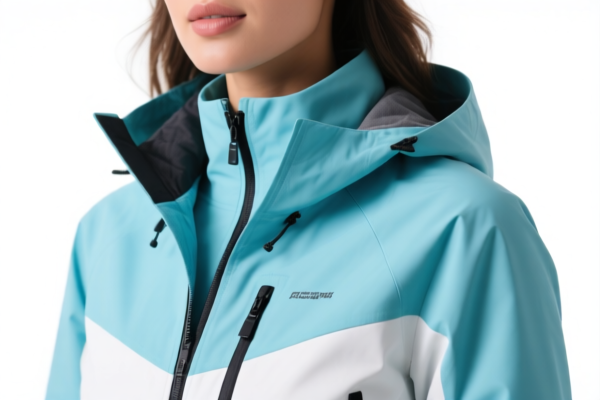
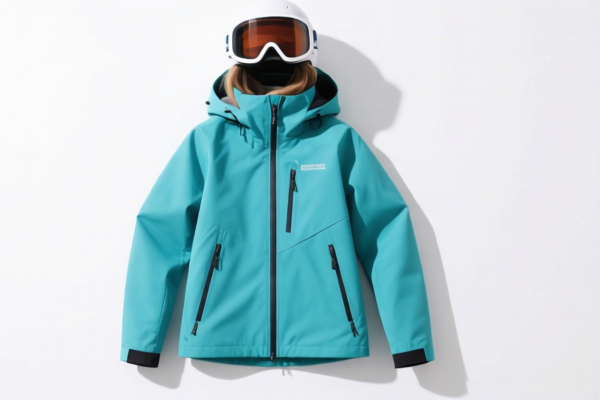
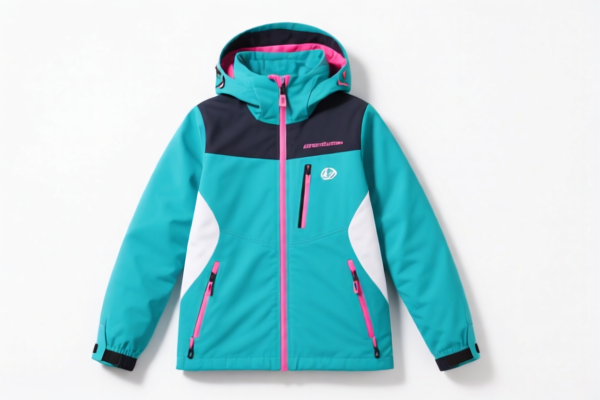
AI分析
🎿 Girls' Ski Jackets of Man Made Fibers: The Ultimate HS Code & Tax Strategy Guide
🌐 Global Customs Decoding | HS Code Masterclass | Taxation Breakdown
📌 一、Product Definition & Classification: Are You Sure It's a "Ski Jacket"?
Girls' Ski Jackets made of Man-Made Fibers are specialized outerwear designed for winter sports, offering weather protection, thermal insulation, and mobility. In international trade, these garments are often confused with general women's winter coats or sportswear. The classification hinges on three critical pillars:
- Material: Must be "Man-Made Fibers" (Synthetic: Polyester, Nylon, etc.).
- Design/Function: Must be clearly designed for skiing (waterproof, windproof, specific cut, snow skirt, pit zips).
- Gender: Specifically for Girls (excluding women's or unisex adult sizes if strict gender classification applies).
⚠️ Critical Distinction:
- Ski Jacket (Specific): Designed exclusively for skiing → Higher duty potential (e.g., 6112/6211.20).
- General Winter Coat: Designed for general winter wear → Lower duty (e.g., 6202.40).
- Knitted vs. Woven: "Man-made fibers" can be knitted (Chapter 61) or woven (Chapter 62). This is the single biggest determinant of your tax rate.
📦 二、HS Code Classification Matrix (2026 Latest Data)
Based on your specific product data, here is the exact breakdown of the 5 possible classification routes and their tax implications.
| HS Code | Product Description | Material Structure | Total Tax Rate | Key Tax Components |
|---|---|---|---|---|
| 6112.20.10.20 | Knitted Girls' Ski Suits/Coats | Knitted Man-Made Fiber | 45.7% | Base: 28.2% + Add'l: 7.5% + Sec. 122: 10% |
| 6112.20.10.70 | Knitted Girls' Ski Suits (All-Match) | Knitted Man-Made Fiber | 45.7% | Base: 28.2% + Add'l: 7.5% + Sec. 122: 10% |
| 6211.20.78.20 | Woven Girls' Ski Suits | Woven Man-Made Fiber | 32.4% | Base: 14.9% + Add'l: 7.5% + Sec. 122: 10% |
| 6211.20.15.65 | Woven Girls' Ski Suits (General/Back-up) | Woven Man-Made Fiber | 17.1% | Base: 7.1% + Add'l: 0.0% + Sec. 122: 10% |
| 6202.40.25.00 | Women's/ Girls' Ski Jackets (General Coat) | Woven Man-Made Fiber | 21.9% | Base: 4.4% + Add'l: 7.5% + Sec. 122: 10% |
🔍 Deep Dive into Logic:
- Chapter 61 (Knitted): Higher base tariff (28.2%) because knitted sportswear is often protected.
- Chapter 62 (Woven): Generally lower base tariff (4.4% - 14.9%), but highly dependent on the specific "Ski" subheading.
- Sec. 122 Clause: A specific 10% tariff layer applied to all Chinese-origin textiles (or similar regions), present in every scenario above.
- Add'l Tariff (7.5%): Applies to specific textile categories; absent only in the most generic "back-up" code6211.20.15.65.
💰 三、Detailed Taxation Breakdown (2026 Tax Rules)
The total tax is a stacked calculation. Do not guess; calculate precisely based on the HS Code selected.
🎯 1. High-Risk Zone: Knitted Ski Suits (6112.20.10.20 & 6112.20.10.70)
- Total Duty: 45.7%
- Breakdown:
- Base Tariff: 28.2% (Standard for knitted synthetic ski gear)
- Section 122 Tariff: 10% (Mandatory on origin-specific goods)
- Additional Tariff: 7.5% (Applied to specific textile quotas)
- Strategy Alert: This is the most expensive classification. If your fabric is knitted, expect to pay nearly 46 cents on every $1.00 CIF value.
🎯 2. Mid-Range Zone: Woven Ski Suits (6211.20.78.20)
- Total Duty: 32.4%
- Breakdown:
- Base Tariff: 14.9% (Standard for woven synthetic ski gear)
- Section 122 Tariff: 10%
- Additional Tariff: 7.5%
- Strategy Alert: If the jacket is woven (standard ski shell fabric) and clearly a "ski suit," this is the safe harbor. However, it is still heavy on taxes.
🎯 3. The "Golden Ticket": Woven General Back-up (6211.20.15.65)
- Total Duty: 17.1% (Lowest Possible!)
- Breakdown:
- Base Tariff: 7.1% (Generic woven sportswear rate)
- Section 122 Tariff: 10%
- Additional Tariff: 0.0% (NO additional tax!)
- Strategy Alert: Use this if possible. If the jacket can be argued as "general sportswear" rather than a specialized "ski suit," you save 15.3% in total tax. This requires the jacket to lack specific "ski-only" features (like integrated snow skirts or specific ski branding) or to be categorized under a broader "outdoor" clause.
🎯 4. The "Coat" Strategy: General Women's Jacket (6202.40.25.00)
- Total Duty: 21.9%
- Breakdown:
- Base Tariff: 4.4% (Lowest base rate for outerwear)
- Section 122 Tariff: 10%
- Additional Tariff: 7.5%
- Strategy Alert: Classifying a "Ski Jacket" as a general "Women's/Winter Coat" (6202) works if the jacket is not exclusively for skiing but suitable for casual winter wear. This is a viable alternative to the 32.4% "Ski Suit" rate.
🛠️ 四、Customs Clearance Strategy (Practical Tips)
✅ 1. Preparation Checklist (Must-Haves)
| Document | Requirement | Why It Matters |
|---|---|---|
| Fabric Composition Label | Exact % of Man-Made Fibers | Distinguishes Chapter 61 (Knitted) vs. Chapter 62 (Woven). |
| Technical Spec Sheet | Waterproofing/Windproofing rating | Proves if it's a "Ski Jacket" or a "General Coat." |
| Product Photos | Full Body + Detail Shots | Shows "Ski-specific" features (zippers, vents, branding). |
| Pattern/Cut Diagram | Sketch of the Jacket | Helps customs decide between 6211.20 (Ski Suit) and 6202 (Coat). |
| Origin Certificate | Country of Origin | Confirms applicability of Sec. 122 and Base Tariff. |
✅ 2. Declaration Strategy (The "Golden Rules")
🔥 Rule #1: Knitted = Expensive.
If the garment is Knitted (e.g., fleece-lined ski jackets), you are stuck with 45.7%. No way around it.🔥 Rule #2: Woven = Flexible.
If the garment is Woven, you have two paths: * Path A (Strict): Declare as "Ski Suit" (6211.20.78.20) → 32.4% tax. * Path B (Aggressive): Declare as "General Sportswear/Coat" (6211.20.15.65or6202.40.25.00) → 17.1% - 21.9% tax.🔥 Rule #3: The "Ski" Definition.
To justify the lower rate (6211.20.15.65), the jacket should not be marketed solely as a "Ski Jacket." Use terms like "Outdoor Winter Jacket," "Sporty Coat," or "Winter Performance Jacket" in the description.
✅ 3. Common Pitfalls (Don't Get Caught!)
| ❌ Mistake | ⚡ Consequence | ✅ Solution |
|---|---|---|
| Mixing Knitted/Woven | Customs will reclassify to highest tax (45.7%) | Ensure spec sheet is 100% accurate. |
| Over-marketing as "Ski" | Forces 6211.20.78.20 (32.4% instead of 17.1%) |
Use neutral terms in packaging if possible. |
| Ignoring Sec. 122 | Unexpected 10% charge | Factor this 10% fixed cost into all calculations. |
| Wrong Gender | "Women's" vs "Girls" | Ensure size run is strictly "Girls" (under 14/15 yrs) to avoid adult tariffs. |
🌍 五、Global Comparison Snapshot (2026)
| Market | Best HS Code | Est. Total Tax | Strategy |
|---|---|---|---|
| 🇺🇸 USA | 6211.20.15.65 |
17.1% | Aggressive classification as "General Sportswear." |
| 🇪🇺 EU | 6211.20.15.65 |
~17% | Similar logic; avoid "Ski" keyword in English description. |
| 🇨🇳 China | 6211.20.15.65 |
~17% | Domestic tax rules apply; focus on avoiding "Special" ski tariffs. |
🎯 六、Conclusion: Minimize Tax, Maximize Profit
🎯 Final Verdict:
The tax difference between the highest rate (45.7%) and the lowest (17.1%) is 28.6%.
That is nearly a 100% increase in your cost basis!
💡 Pro Tip:
"Woven is King." If your factory can produce the ski jacket using woven synthetic fabric instead of knitted, you save 13.3% immediately.
"General is Better." If the design allows, market the item as a "Winter Sport Coat" rather than a "Ski Jacket" to access the 17.1% bracket.
Action Plan:
1. Verify fabric weave (Knitted vs. Woven).
2. Review marketing materials (Remove "Ski" if possible).
3. File under 6211.20.15.65 (Woven, General) or 6202.40.25.00 (Coat) to save money.
4. Prepare technical specs to defend the "General" classification if audited.
📌 Disclaimer:
Tax rates and HS Codes are subject to change based on trade policies, origin rules, and customs audits. Always consult a licensed customs broker before finalizing declarations.
✨ Smart Trade, Smart Tax!
💼 Your bottom line depends on the HS Code you choose.
用户评价
关于 HS 编码归类
协调制度(HS)是由世界海关组织(WCO)制定的国际贸易商品分类标准。全球 200 多个国家采用 HS 系统作为海关关税、贸易统计和进出口监管的基础。
每个 HS 编码遵循以下层级结构:
- 章(2 位)——商品大类(例如:第 84 章:机器和机械设备)
- 品目(4 位)——章内的更具体分类
- 子目(6 位)——国际通用细分,所有 WCO 成员国统一使用
- 本国细分(8-10 位)——各国自行扩展的细分编码,如美国 HTSUS 10 位编码
正确的 HS 编码归类对于顺利通关、准确缴纳关税和遵守贸易法规至关重要。错误归类可能导致海关延误、多缴关税或罚款。
从CN进口到US时,适用的关税税率可能包括:
- 最惠国(MFN)税率——适用于 WTO 成员国的标准关税税率
- 普通税率——适用于无贸易协定国家
- 贸易救济关税——附加关税,如 301 条款(反倾销)、232 条款(国家安全)或反补贴税
本页内容仅供参考。如需正式归类,请咨询当地海关或持牌报关代理。