Girls' Warm Overalls
CN → US| HS编码 | 关税税率 | 原产国 | 目的国 | 文档 |
|---|---|---|---|---|
| 6111301000 | 45.7% | CN | US | 官方文档 |
| 6209203000 | 32.4% | CN | US | 官方文档 |
| 6104631010 | 32.4% | CN | US | 官方文档 |
| 6104621010 | 27.8% | CN | US | 官方文档 |
| 6204630350 | 32.4% | CN | US | 官方文档 |
商品图片
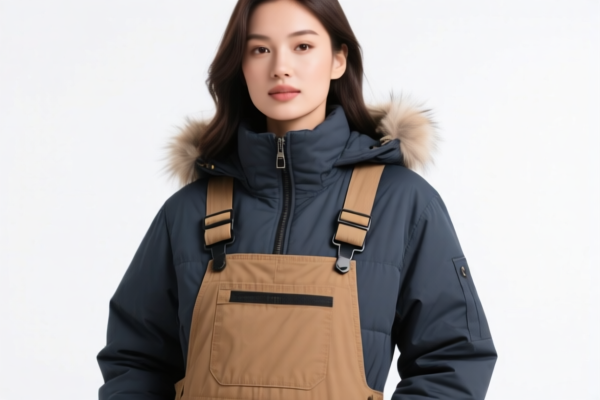
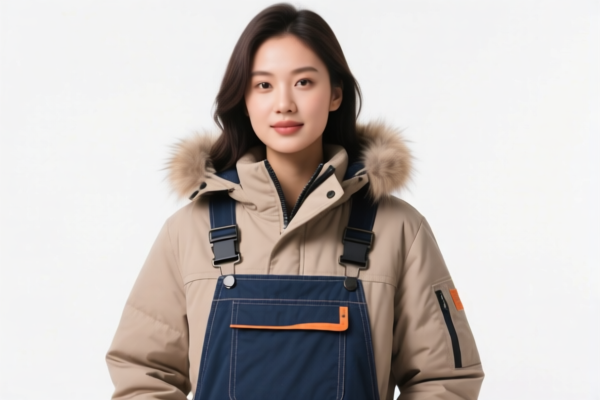
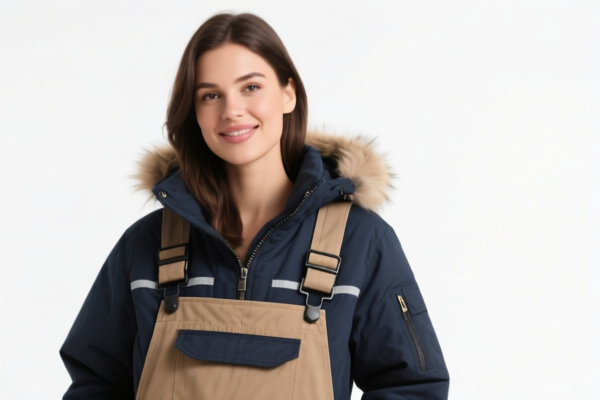

AI分析
👶 Girls' Warm Overalls (Protective Bib Overalls for Children)
🌐 HS Code Reference & Customs Clearance Guide | 2026 Latest Tariff Analysis | Professional Clearance Strategy
📌 I. Product Definition & Classification: Do You Really Know "Girls' Warm Overalls"?
Girls' warm overall suits are specialized children's clothing designed for cold weather protection, typically featuring a bib front, shoulder straps, and sometimes attached feet or boots. In international trade, these items are classified based on two critical factors: 1. Knitted vs. Woven: Determining the manufacturing process (knitted/fabricated vs. woven/cut-and-sew). 2. Material Composition: Identifying the primary fiber (Cotton, Synthetic, or Other Textiles).
⚠️ Key Distinction Points:
- If the fabric is knitted or crocheted → Generally falls under Chapter 61 (Knitted/Crocheted). - If the fabric is woven → Generally falls under Chapter 62 (Non-Knitted/Woven). - "Warm" Feature: Often implies padding or fleece lining, but the outer material determines the primary HS code classification in most cases.
📦 II. HS Code Classification Details (Authoritative 2026 Tariff Correspondence)
| HS Code | Product Description | Applicable Scenario | Material Inference |
|---|---|---|---|
6111.30.10.00 |
Baby garments and clothing accessories, knitted or crocheted, of synthetic fibers | Knitted overall suit, likely synthetic blend for warmth | 🧶 Knitted/Synthetic |
6209.20.30.00 |
Baby garments and clothing accessories, not knitted or crocheted, of cotton | Woven overall suit, cotton or cotton-blend, warm feature | 🧵 Woven/Cotton |
6104.63.10.10 |
Women's or girls' trousers, bib and brace overalls, breeches and shorts (other than swimwear), knitted or crocheted, of synthetic fibers | Girls' knitted overalls, synthetic fiber | 🧶 Knitted/Synthetic |
6104.62.10.10 |
Women's or girls' trousers, bib and brace overalls, breeches and shorts (other than swimwear), knitted or crocheted, of cotton | Girls' knitted overalls, cotton fiber | 🧶 Knitted/Cotton |
6204.63.03.50 |
Women's or girls' trousers, bib and brace overalls, breeches and shorts (other than swimwear), woven, of synthetic fibers | Girls' woven overalls, synthetic fiber (no synthetic conflict noted) | 🧵 Woven/Synthetic |
🔍 Critical Reminder:
- "Bib and Brace" (Overalls): Must clearly depict the bib front and shoulder straps. If it looks like a jumpsuit without a distinct bib, it might be classified differently. - "Warm" Feature: If the garment is heavily padded for extreme cold, ensure the outer material is correctly identified. Padding itself does not change the chapter if the outer shell is textile. - Chapter 61 vs. 62: This is the biggest pitfall. Knitted items (elastic, looped structure) go to Ch 61; Woven items (criss-cross threads) go to Ch 62.
💰 III. 2026 Latest Tariff Rate Breakdown (Including Surtaxes, Policy Add-ons)
✅ Applicable Country: United States (US)
✅ Country of Origin: China (CN)
✅ Effective Time: From November 10, 2025 (including subsequent imports)
🎯 1. 6111.30.10.00 – Knitted Baby Garments, Synthetic Fibers
| Item | Content |
|---|---|
| Basic Tariff Rate | 28.2% (Ad Valorem) |
| Section 301 Surcharge | +7.5% (Targeting Chinese textiles/apparel) |
| Section 122 Tariff | +10% (Specific surcharge for certain textile/apparel goods) |
| Total Tariff Rate | 45.7% |
| Tax Calculation | CIF Value × 45.7% |
| De Minimis Eligibility | ❌ Not Eligible (Deny De Minimis) |
| Legal Basis Path | HTSUS:6111.30.10.00 → Section 301: Footnote 3 → Section 122: USTR Notice |
📌 Explanation:
- "Section 301 Surcharge 7.5%" is part of the ongoing trade measures against Chinese goods. - "Section 122 Tariff 10%" is a specific additional duty applied to certain apparel and textile products. - Total 45.7% is a very high tariff. This significantly impacts the landed cost.
🎯 2. 6209.20.30.00 – Woven Baby Garments, Cotton
| Item | Content |
|---|---|
| Basic Tariff Rate | 14.9% |
| Section 301 Surcharge | +7.5% |
| Section 122 Tariff | +10% |
| Total Tariff Rate | 32.4% |
| Tax Calculation | CIF Value × 32.4% |
| De Minimis Eligibility | ❌ Not Eligible |
| Legal Basis Path | HTSUS:6209.20.30.00 → Section 301 → Section 122 |
📌 Note:
- Lower than knitted synthetic baby wear due to lower base rate for woven cotton baby garments. - Still subject to all surcharges.
🎯 3. 6104.63.10.10 – Girls' Knitted Overalls, Synthetic
| Item | Content |
|---|---|
| Basic Tariff Rate | 14.9% |
| Section 301 Surcharge | +7.5% |
| Section 122 Tariff | +10% |
| Total Tariff Rate | 32.4% |
| Tax Calculation | CIF Value × 32.4% |
| De Minimis Eligibility | ❌ Not Eligible |
🎯 4. 6104.62.10.10 – Girls' Knitted Overalls, Cotton
| Item | Content |
|---|---|
| Basic Tariff Rate | 10.3% |
| Section 301 Surcharge | +7.5% |
| Section 122 Tariff | +10% |
| Total Tariff Rate | 27.8% |
| Tax Calculation | CIF Value × 27.8% |
| De Minimis Eligibility | ❌ Not Eligible |
📌 Optimization Note:
- This is the lowest tariff option (27.8%) among the listed codes. - Requires the garment to be Knitted AND made of Cotton. - Verify fabric composition carefully. If it's cotton-blend, check if cotton is the predominant fiber (>50%).
🎯 5. 6204.63.03.50 – Girls' Woven Overalls, Synthetic
| Item | Content |
|---|---|
| Basic Tariff Rate | 14.9% |
| Section 301 Surcharge | +7.5% |
| Section 122 Tariff | +10% |
| Total Tariff Rate | 32.4% |
| Tax Calculation | CIF Value × 32.4% |
| De Minimis Eligibility | ❌ Not Eligible |
🛠️ IV. Customs Clearance Practical Advice (Actionable Pitfall Avoidance Guide)
✅ 1. Required Documentation Checklist (None Can Be Omitted)
| Document | Required? | Explanation |
|---|---|---|
| ✅ Product Specification Sheet | ✔️ | Must include dimensions, fabric composition (e.g., 100% Cotton, Knitted), weight, and size range. |
| ✅ Fabric Sample/Composition Certificate | ✔️ | Crucial! To distinguish between Chapter 61 (Knitted) and 62 (Woven), and Cotton vs. Synthetic. |
| ✅ Clear Product Photos | ✔️ | Front, back, inside lining, and label. Must show "Bib and Brace" structure. |
| ✅ Commercial Invoice | ✔️ | Must explicitly state "Girls' Warm Overalls, Knitted/Woven, Cotton/Synthetic". Do not use vague terms like "Clothes". |
| ✅ Packing List | ✔️ | Detail units per carton. |
| ✅ Origin Certificate (CO) | ✔️ | Confirm China origin to apply correct surcharges. |
✅ 2. Declaration Skills (Key Mnemonics)
🔥 "Knitted vs. Woven, Cotton vs. Syn, Bib Structure, Don't Begin!"
| Scenario | Correct Declaration | Wrong Action | Consequence |
|---|---|---|---|
| Knitted, Cotton Overalls | 6104.62.10.10 (27.8%) |
Misdeclare as Woven → 6204.63.03.50 |
Higher tax (32.4%) + potential penalty |
| Woven, Synthetic Overalls | 6204.63.03.50 (32.4%) |
Misdeclare as Knitted → 6104.63.10.10 |
Same tax, but risk of inspection delay if fabric doesn't match |
| Baby Suits (<24 months) | 6111.30.10.00 (45.7%) or 6209.20.30.00 (32.4%) |
Misdeclare as "Girls' Apparel" | Incorrect chapter, high compliance risk |
| Heavily Padded/Jumpsuit | Check outer material first | Assume "Warm" changes chapter | "Warm" is a feature, not a classification criteria |
📌 Tip: The term "Warm" should be described in the physical characteristics section (e.g., "with fleece lining") but does not change the HS code. The outer fabric dictates the code.
✅ 3. Special Case Handling
| Scenario | Handling Advice |
|---|---|
| Cotton vs. Synthetic Blend | If cotton is <50%, it falls under synthetic. If >50%, it falls under cotton. Be precise! |
| "Baby" vs. "Girls" | If the garment is specifically sized for infants (usually under 24 months), it may fall under 6111/6209 (Baby garments) instead of 6104/6204 (Women's/Girls'). Baby codes often have different base rates. |
| With/Without Boots | If attached boots are considered integral, it may still be overalls. If detachable, declare as separate items or specify "Overalls with removable booties". |
| OEM Private Label | Ensure the invoice matches the label's country of origin. |
🌍 V. Global Market Clearance Comparison (2026 Latest)
| Country/Region | Recommended HS Code | Tariff (China Origin) | Certification Requirements | Notes |
|---|---|---|---|---|
| 🇺🇸 USA | 6104.62.10.10 (Best for Cotton Knit) |
27.8% - 45.7% | CPSIA (CPC), ASTM F2001 | High surcharges apply. De Minimis exempt. |
| 🇨🇳 China | 6104.62.10.10 |
~10-14% | CCC (if applicable) | Lower tariffs, standard customs. |
| 🇪🇺 EU | 6104.62.10.10 |
0-8% (depending on FTAs) | CE, REACH, CPSR | No Section 301/122 equivalents. |
| 🇬🇧 UK | 6104.62.10.10 |
0-8% | UKCA | Post-Brexit rules apply. |
| 🇯🇵 Japan | 6104.62.10.10 |
0-8% | PSE (if electronic, not applicable) | Low tariffs, strict safety standards. |
📌 Conclusion:
- USA is the most costly market due to Section 301 and Section 122 surcharges. - EU/UK/Japan offer significantly lower tariff barriers for the same product. - Strategy: If targeting the US, optimize fabric composition to qualify for the 27.8% rate (Knitted Cotton) rather than 45.7% (Synthetic Baby) or 32.4% (Others).
📌 VI. Common Errors & Pitfall Avoidance (Blood & Tears Lessons)
❌ Error 1: Misclassifying "Knitted" as "Woven" to avoid higher baby-garment tariffs.
👉 Consequence: Customs inspection reveals knitted fabric → Misdeclaration penalty + Back taxes + Delay!
❌ Error 2: Ignoring Section 122 Surcharge.
👉 Consequence: Under-declaration by 10% → Audit and fines!
❌ Error 3: Using vague descriptions like "Kids' Clothes" or "Warm Pants".
👉 Consequence: Customs may classify based on worst-case scenario → Higher tariff or rejection.
❌ Error 4: Claiming "De Minimis" (Section 321) for shipments under $800.
👉 Consequence: Illegal! Textile/apparel goods from China are explicitly excluded from De Minimis relief for these HS codes. → Seizure of goods!
✅ Correct Practice:
"Girls' Knitted Cotton Overalls, with Fleece Lining, Bib and Brace Style, Size 2T-5T, Made in China"
🎯 VII. Conclusion: Professional Declaration, Save Time, Reduce Costs!
🎯 Remember the Mnemonic:
🔹 "Knitted Cotton Wins: 27.8%!
Knitted Synthetic: 32.4%.
Woven Cotton/Syn: 32.4%.
Baby Synthetic: 45.7%!
No De Minimis for Textiles from China!"🔹 "Fabric Structure Decides Chapter.
Composition Decides Rate.
Declaration Accuracy Saves Thousands!"
📌 Pro Tip:
- If your product is Knitted and Cotton, aim for 6104.62.10.10 (27.8%) – it's the most cost-effective option in the US market.
- If it's Baby-sized (<24 months) and Synthetic, expect 45.7%. Consider redesigning to be cotton-based or slightly older sizing if possible.
- Always apply for an Advance Ruling from US CBP if you are importing in large volumes to confirm your classification.
📣 Immediate Action:
📞 Consult a licensed customs broker.
📤 Provide fabric swatches and tech packs.
🚀 Ensure your Commercial Invoice matches the HS Code precisely.
✨ Professional Clearance Starts with Accurate Classification!
💼 Every cent of tariff saved is pure profit!
用户评价
关于 HS 编码归类
协调制度(HS)是由世界海关组织(WCO)制定的国际贸易商品分类标准。全球 200 多个国家采用 HS 系统作为海关关税、贸易统计和进出口监管的基础。
每个 HS 编码遵循以下层级结构:
- 章(2 位)——商品大类(例如:第 84 章:机器和机械设备)
- 品目(4 位)——章内的更具体分类
- 子目(6 位)——国际通用细分,所有 WCO 成员国统一使用
- 本国细分(8-10 位)——各国自行扩展的细分编码,如美国 HTSUS 10 位编码
正确的 HS 编码归类对于顺利通关、准确缴纳关税和遵守贸易法规至关重要。错误归类可能导致海关延误、多缴关税或罚款。
从CN进口到US时,适用的关税税率可能包括:
- 最惠国(MFN)税率——适用于 WTO 成员国的标准关税税率
- 普通税率——适用于无贸易协定国家
- 贸易救济关税——附加关税,如 301 条款(反倾销)、232 条款(国家安全)或反补贴税
本页内容仅供参考。如需正式归类,请咨询当地海关或持牌报关代理。