Men's Mid calf Socks
CN → US| HS编码 | 关税税率 | 原产国 | 目的国 | 文档 |
|---|---|---|---|---|
| 6115969020 | 24.6% | CN | US | 官方文档 |
| 6217109510 | 32.1% | CN | US | 官方文档 |
| 6115959000 | 31.0% | CN | US | 官方文档 |
商品图片
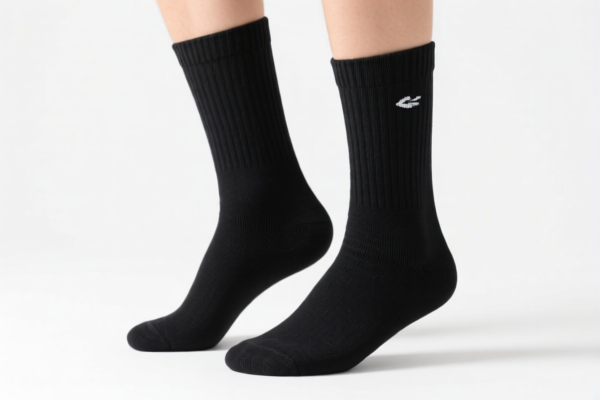
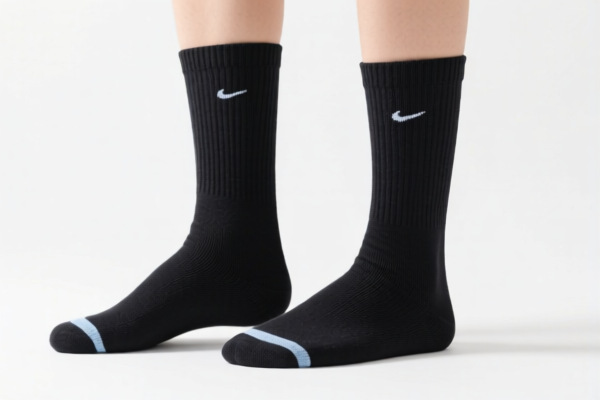
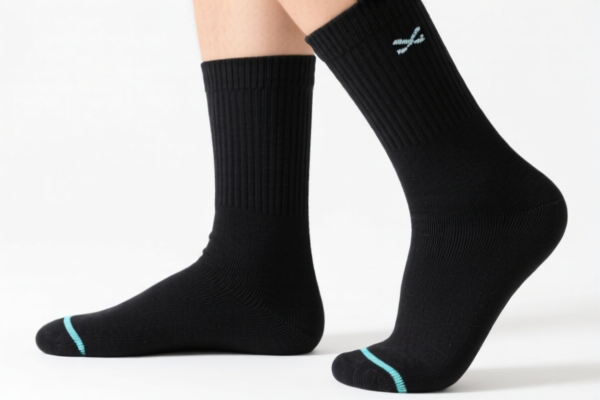
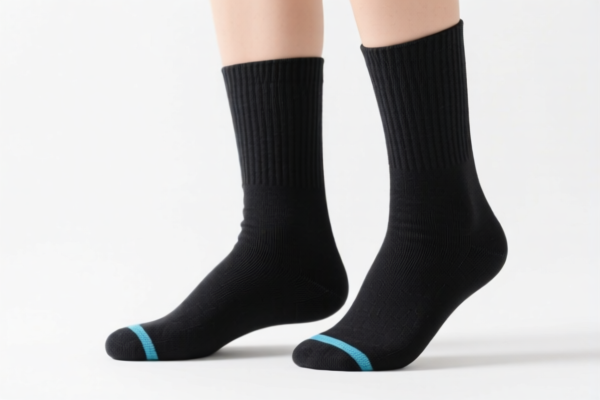
AI分析
🧦 Men's Mid-Calf Socks (Mid-Length Hosiery)
🌐 HS Code Reference & Customs Clearance Guide | 2026 Latest Tariff Analysis | Professional Level Customs Strategy
📌 I. Product Definition & Classification: Do You Really Understand "Mid-Calf Socks"?
Men's mid-calf socks are essential hosiery items that cover the foot and extend up to the middle of the calf. In international trade, the HS Code classification depends critically on the material composition and whether they are "knitted" (elastic/stretch) or "sewn" (woven/non-stretch). The provided data indicates three potential classifications, reflecting different material inferences for the same product description.
⚠️ Key Distinction Point:
- Knitted/Looped (Chapter 61): Typically elastic, made from synthetic fibers (nylon, polyester) or cotton. This is the most common type for athletic and casual socks.
- Sewn/Other (Chapter 62): Typically non-elastic, woven fabrics (e.g., wool suits socks, specific formal wear accessories). This category often incurs higher additional tariffs due to stricter duty structures.
📦 II. HS Code Classification Details (Based on Provided Data)
| HS Code | Product Description & Inference | Material Assumption | Total Tax Rate | Key Tariff Components |
|---|---|---|---|---|
6115.96.90.20 |
Men's socks; Mid-calf; Knitted/Looped | Synthetic Fibers (e.g., Nylon, Polyester) | 24.6% | Base: 14.6% Add-on: 0.0% Section 301 (122 Clause): 10% |
6217.10.95.10 |
Men's socks; Accessory/Clothing Part; Woven/Sewn | Cotton, Fiber, or Other Textiles | 32.1% | Base: 14.6% Add-on: 7.5% Section 301 (122 Clause): 10% |
6115.95.90.00 |
Men's socks; Mid-calf; Knitted/Looped | Cotton | 31.0% | Base: 13.5% Add-on: 7.5% Section 301 (122 Clause): 10% |
🔍 Critical Analysis:
-6115.96.90.20offers the lowest total tax (24.6%) but is strictly limited to Synthetic Fibers.
-6115.95.90.00(Cotton, Knitted) has a higher tax (31.0%) due to additional add-on duties.
-6217.10.95.10(Non-Knitted/Accessory) has the highest tax (32.1%) and includes a 7.5% add-on tariff, which does not apply to the knitted categories in this specific data set.
- All three codes include a 10% "Section 301/122 Clause" tariff, indicating these goods are subject to specific US trade restrictions (likely originating from China).
💰 III. 2026 Latest Tariff Rate Breakdown
✅ Applicable Market: United States (US)
✅ Origin Context: China (CN) - Inferred from Section 301/122 Clause application
✅ Effective Time: Current Trade Policies (Post-2025 Adjustments)
🎯 1. 6115.96.90.20 – Synthetic Fiber Socks (Knitted)
| Item | Detail |
|---|---|
| Base Duty | 14.6% |
| Additional Duty | 0.0% |
| Section 301/122 Clause | +10% |
| Total Effective Rate | 24.6% |
| Tax Calculation | CIF Value × 24.6% |
| De Minimis Eligibility | ❌ NO (Likely subject to strict scrutiny or exemption denial for Section 301 goods) |
| Legal Basis Path | USITC:6115.96.90.20 → SECTION301:122_CLAUSE |
📌 Explanation:
- This is the most cost-effective classification if the socks are indeed made of synthetic materials (e.g., polyamide, polyester, elastane blends).
- The 0% additional duty makes it significantly cheaper than cotton alternatives in this dataset.
- The 10% Section 301 tariff is non-negotiable for Chinese-origin synthetic hosiery.
🎯 2. 6115.95.90.00 – Cotton Socks (Knitted)
| Item | Detail |
|---|---|
| Base Duty | 13.5% |
| Additional Duty | +7.5% |
| Section 301/122 Clause | +10% |
| Total Effective Rate | 31.0% |
| Tax Calculation | CIF Value × 31.0% |
| De Minimis Eligibility | ❌ NO |
| Legal Basis Path | USITC:6115.95.90.00 → SECTION301:122_CLAUSE |
📌 Explanation:
- Although the base duty is lower (13.5%) than synthetics (14.6%), the 7.5% additional duty pushes the total to 31.0%.
- This classification requires the socks to be knitted/looped and made primarily of cotton.
- Misclassification here (e.g., declaring synthetic as cotton) can lead to severe penalties.
🎯 3. 6217.10.95.10 – Other Textile Accessories (Sewn/Woven)
| Item | Detail |
|---|---|
| Base Duty | 14.6% |
| Additional Duty | +7.5% |
| Section 301/122 Clause | +10% |
| Total Effective Rate | 32.1% |
| Tax Calculation | CIF Value × 32.1% |
| De Minimis Eligibility | ❌ NO |
| Legal Basis Path | USITC:6217.10.95.10 → SECTION301:122_CLAUSE |
📌 Explanation:
- This is the most expensive option. It applies to socks that are not knitted (e.g., woven wool socks, or classified as "other made-up clothing accessories").
- The summary explicitly states "Accessory Class," implying it is not classified under the main hosiery chapters (61/62 knitted) but as a general textile accessory.
- Avoid this classification if your product is a standard knitted sock, as it attracts the highest tax burden.
🛠️ IV. Customs Clearance Operational Advice (Practical Pitfall Guide)
✅ 1. Required Documentation Checklist
| Document | Mandatory | Description |
|---|---|---|
| ✅ Material Composition Statement | ✔️ | CRITICAL. Must specify % of Cotton vs. Synthetic. This determines between 6115.95 (Cotton) and 6115.96 (Synthetic). |
| ✅ Product Photos | ✔️ | Clear images showing the sock structure (knitted vs. woven) and mid-calf length. |
| ✅ Commercial Invoice | ✔️ | Must accurately describe the product as "Men's Mid-Calf Knitted Socks" or similar, matching the HS code inference. |
| ✅ Packing List | ✔️ | Ensure quantity and weight match the invoice. |
| ✅ Origin Certificate | ✔️ | If claimed to be non-Chinese origin, provide valid COO to avoid Section 301 tariffs. |
✅ 2. Declaration Strategy (Key Mantra)
🔥 "Material Dictates Code, Knitted vs. Woven is Key, Synthetic is Cheaper, Cotton Has Penalties!"
| Scenario | Correct HS Code | Reason |
|---|---|---|
| Synthetic (Polyester/Nylon) Knitted Socks | 6115.96.90.20 |
Lowest tax (24.6%). Best for profit margin. |
| Cotton Knitted Socks | 6115.95.90.00 |
Higher tax (31.0%) due to 7.5% add-on. |
| Woven/Sewn Socks (Non-Elastic) | 6217.10.95.10 |
Highest tax (32.1%). Only for non-knitted textiles. |
| Mixed Material (e.g., 50% Cotton, 50% Nylon) | Consult Customs | Usually classified by principal material or by the chapter that provides the essential character. Do not guess! |
✅ 3. Special Cases & Risk Management
| Situation | Handling Advice |
|---|---|
| OEM/Private Label | Ensure the supplier's material declaration matches the actual fabric. Discrepancies lead to audits. |
| "Mid-Calf" Definition | Ensure the sock length is clearly mid-calf. If it's ankle or knee-high, the HS code may differ (though often similar, descriptions matter). |
| Section 301 Exemptions | Check if the specific HS code currently has an exclusion list. The data shows "122 Clause 10%," suggesting no exemption is currently applied. |
| De Minimis (Section 321) | High Risk. If the total value exceeds $800, standard duties apply. If below $800, Section 301 tariffs may still apply depending on current CBP enforcement for textile/hosiery items. The data implies deny_de_minimis or strict scrutiny. |
🌍 V. Global Market Comparison (2026)
| Country/Region | Recommended HS Code | Tariff (China Origin) | Notes |
|---|---|---|---|
| 🇺🇸 USA | 6115.96.90.20 (Synthetic) |
24.6% | Lowest US tariff for socks. Section 301 applies. |
| 🇺🇸 USA | 6115.95.90.00 (Cotton) |
31.0% | Higher due to add-on duties. |
| 🇪🇺 EU | 6115.95 / 6115.96 |
Varies (usually 4-12%) | No Section 301. EORI number required. |
| 🇨🇳 China (Import) | 6115.95 / 6115.96 |
~10-15% | MFN rates apply. |
📌 Conclusion for US Importers:
- Optimize Material: If possible, use synthetic blends to qualify for6115.96.90.20(24.6% vs 31.0%).
- Avoid "Accessory" Classification: Ensure the product is declared as Socks (Hosiery) under Chapter 61, not as a general textile accessory under Chapter 62, to avoid the 32.1% rate.
- Verify Origin: If not made in China, obtain proper Certificate of Origin to potentially eliminate the 10% Section 301/122 Clause tariff.
📌 VI. Common Mistakes & Pitfalls (Lessons Learned)
❌ Mistake 1: Declaring Cotton Socks as Synthetic
👉 Consequence: If discovered, customs will reassess at 31.0% + penalties.
👉 Prevention: Request a fabric analysis report from the supplier.
❌ Mistake 2: Misidentifying Knitted vs. Woven
👉 Consequence: Declaring knitted socks as 6217.10.95.10 (32.1%) is a costly error.
👉 Prevention: Confirm the manufacturing process. Most men's mid-calf socks are knitted (Chapter 61).
❌ Mistake 3: Ignoring Section 301/122 Clauses
👉 Consequence: Underestimating total landed cost.
👉 Prevention: Always add the 10% clause to your cost model for Chinese-origin goods.
✅ Correct Practice:
"Men's Mid-Calf Socks, Knitted, 80% Nylon, 20% Elastane, Synthetic Material" →
6115.96.90.20
"Men's Mid-Calf Socks, Knitted, 100% Cotton" →6115.95.90.00
🎯 VII. Conclusion: Professional Classification Saves Money!
🎯 Key Takeaway:
🔹 Synthetic Knitted Socks =
6115.96.90.20(24.6%) → BEST OPTION
🔹 Cotton Knitted Socks =6115.95.90.00(31.0%)
🔹 Other/Woven Socks =6217.10.95.10(32.1%) → AVOID IF POSSIBLE
📌 Action Item:
📞 Verify Material Composition with your supplier immediately.
📄 Update Product Descriptions to match the inferred material (Synthetic vs. Cotton).
🚀 Calculate Landed Cost using the correct 24.6%, 31.0%, or 32.1% rates to ensure profitability.
✨ Precise Classification is the First Step to Profitability!
💼 Don't let misclassification cost you 5-8% more in duties!
用户评价
关于 HS 编码归类
协调制度(HS)是由世界海关组织(WCO)制定的国际贸易商品分类标准。全球 200 多个国家采用 HS 系统作为海关关税、贸易统计和进出口监管的基础。
每个 HS 编码遵循以下层级结构:
- 章(2 位)——商品大类(例如:第 84 章:机器和机械设备)
- 品目(4 位)——章内的更具体分类
- 子目(6 位)——国际通用细分,所有 WCO 成员国统一使用
- 本国细分(8-10 位)——各国自行扩展的细分编码,如美国 HTSUS 10 位编码
正确的 HS 编码归类对于顺利通关、准确缴纳关税和遵守贸易法规至关重要。错误归类可能导致海关延误、多缴关税或罚款。
从CN进口到US时,适用的关税税率可能包括:
- 最惠国(MFN)税率——适用于 WTO 成员国的标准关税税率
- 普通税率——适用于无贸易协定国家
- 贸易救济关税——附加关税,如 301 条款(反倾销)、232 条款(国家安全)或反补贴税
本页内容仅供参考。如需正式归类,请咨询当地海关或持牌报关代理。