Men's Short Sleeved Animal Wool Pajamas
CN → US| HS编码 | 关税税率 | 原产国 | 目的国 | 文档 |
|---|---|---|---|---|
| 6107299000 | 15.6% | CN | US | 官方文档 |
| 6207299010 | 24.6% | CN | US | 官方文档 |
| 5112113030 | 60.0% | CN | US | 官方文档 |
| 6207994000 | 23.6% | CN | US | 官方文档 |
| 6107292000 | 26.0% | CN | US | 官方文档 |
商品图片
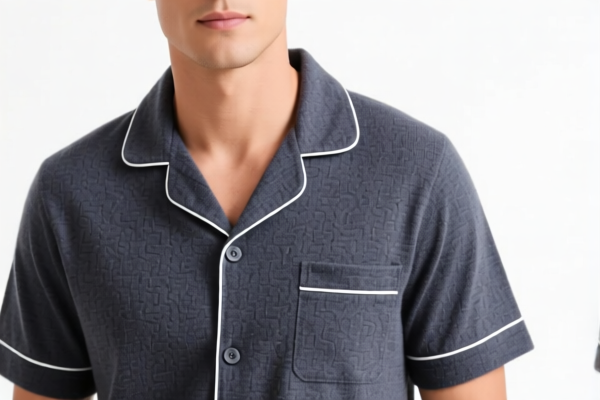
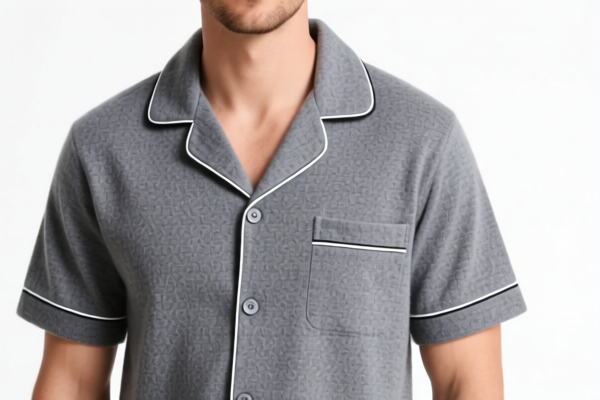
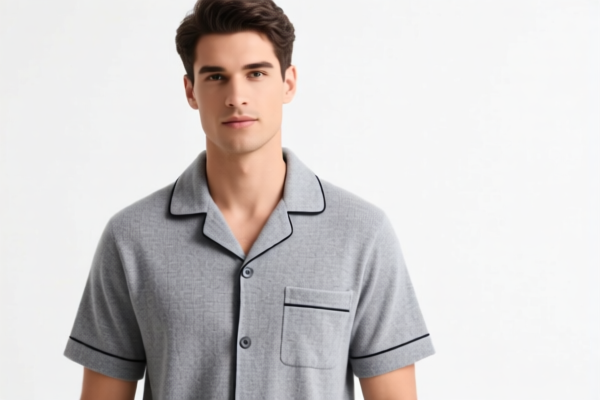
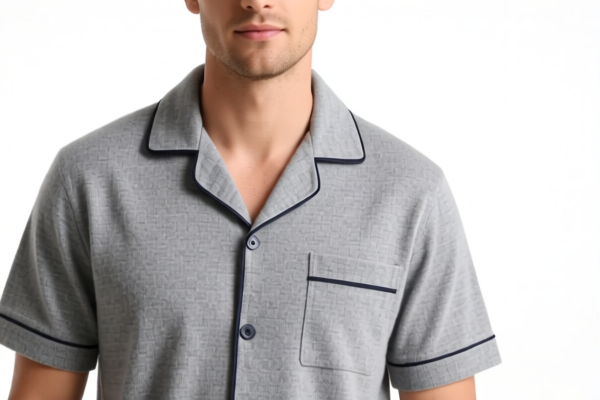
AI分析
👘 Men's Short-Sleeved Animal Wool Pajamas
🌐 HS Code Reference & Customs Clearance Guide | 2026 Latest Tariff Analysis | Professional Transit Strategy
📌 I. Product Definition & Classification: Do You Really Understand "Animal Wool Pajamas"?
Men's short-sleeved pajamas made from fine animal fibers represent a niche but high-value category in textile imports. In international trade, the classification hinges on three critical factors:
1. Garment Type: Pajamas (specifically nightwear/undergarments).
2. Fabric Composition: "Fine Animal Hair" (e.g., Cashmere, Mohair, Alpaca, or fine Wool).
3. Knitting vs. Woven: The distinction between 61xx (Knitted/ Crocheted) and 62xx (Woven).
⚠️ Key Distinction Point:
- If the fabric is Knitted → Falls under Chapter 61 (e.g.,6107).
- If the fabric is Woven → Falls under Chapter 62 (e.g.,6207or6209).
- "Fine Animal Hair" triggers specific subheadings that often carry higher duties due to luxury classification and trade restrictions (Section 122).
📦 II. HS Code Classification Details (2026 Latest Tariff Authority Comparison)
Based on the provided data, here are the four most relevant HS Codes for Men's Short-Sleeved Animal Wool Pajamas, ranked by relevance and tax implication.
| HS Code | Product Description | Application Scenario | Tax Rate |
|---|---|---|---|
6107.29.90.00 |
Men's or boys' knitted/p crocheted nightwear & sleepwear, Other (Fine Animal Hair) | Knitted pajamas where material is fine animal hair but doesn't fit other specific wool categories | 15.6% |
6207.29.90.10 |
Men's or boys' woven nightwear & sleepwear, Other (Fine Animal Hair) | Woven pajamas with fine animal hair; specific material requirement met | 24.6% |
6107.29.20.00 |
Men's or boys' knitted/p crocheted nightwear & sleepwear, Of fine animal hair | Direct Match: Knitted, men's, explicit fine animal hair content | 26.0% |
6207.99.40.00 |
Men's or boys' other woven articles of apparel & clothing accessories, Of fine animal hair | Woven men's apparel not elsewhere specified, containing fine animal hair | 23.6% |
5112.11.30.30 |
Woven fabrics of high-alkali wool or fine animal hair, Other | ⚠️ Likely Incorrect: This is for fabrics, not finished garments. Only use if importing bulk fabric, not ready-to-wear pajamas. | 60.0% |
🔍 Priority Analysis:
- Best Fit for Knitted Pajamas:6107.29.90.00(Lowest tax at 15.6%) or6107.29.20.00(26.0%).
- Best Fit for Woven Pajamas:6207.29.90.10(24.6%) or6207.99.40.00(23.6%).
- Avoid5112.11.30.30: This code is for textile materials/fabrics, not finished pajama sets. Using this for finished goods will likely lead to customs rejection or misclassification penalties.
💰 III. 2026 Latest Tariff Rate Breakdown (Including Surtaxes & Policy Add-ons)
✅ Applicable Country: USA (US)
✅ Origin: China (CN)
✅ Effective Date: Current rates include Section 301, Section 232 (if applicable), and Section 122 (Uyghur Forced Labor Prevention Act / General Trade restrictions).
🎯 1. 6107.29.90.00 – Men's Knitted Nightwear, Other (Fine Animal Hair)
| Item | Content |
|---|---|
| Base Duty Rate | 5.6% |
| Additional Duty (Sec 301/122) | 0.0% |
| Section 122 Tariff | 10% |
| Total Duty Rate | 15.6% |
| Tax Calculation | CIF Value × 15.6% |
| De Minimis Eligibility | ❌ No (Section 122 goods generally excluded from de minimis exemption) |
| Legal Basis Path | HTSUS:6107.29.90.00 → USITC:Section 122 → CEB:UFLPA |
📌 Explanation:
- This is the most cost-effective option for knitted pajamas.
- The "Base 5.6%" is standard for other knit nightwear.
- "Section 122 10%" reflects current enforcement on certain textiles; ensure your supply chain compliance documentation is ready.
🎯 2. 6207.29.90.10 – Men's Woven Nightwear, Other (Fine Animal Hair)
| Item | Content |
|---|---|
| Base Duty Rate | 7.1% |
| Additional Duty (Sec 301) | 7.5% |
| Section 122 Tariff | 10% |
| Total Duty Rate | 24.6% |
| Tax Calculation | CIF Value × 24.6% |
| De Minimis Eligibility | ❌ No |
| Legal Basis Path | HTSUS:6207.29.90.10 → USITC:Section 301 → CEB:Section 122 |
📌 Note:
- Woven fabrics generally incur higher base duties than knits.
- The 7.5% additional duty is a standard trade remedy rate.
🎯 3. 6107.29.20.00 – Men's Knitted Nightwear, Of Fine Animal Hair
| Item | Content |
|---|---|
| Base Duty Rate | 8.5% |
| Additional Duty (Sec 301) | 7.5% |
| Section 122 Tariff | 10% |
| Total Duty Rate | 26.0% |
| Tax Calculation | CIF Value × 26.0% |
| De Minimis Eligibility | ❌ No |
| Legal Basis Path | HTSUS:6107.29.20.00 → USITC:Section 301 → CEB:Section 122 |
📌 Important:
- If you explicitly declare "Fine Animal Hair" in a subheading that has a specific base rate (like6107.29.20.00), the base duty is higher (8.5% vs 5.6%).
- Strategy: Check if your specific wool type qualifies for the "Other" category (90.00) to save ~10% in duty.
🎯 4. 6207.99.40.00 – Men's Other Woven Apparel, Of Fine Animal Hair
| Item | Content |
|---|---|
| Base Duty Rate | 6.1% |
| Additional Duty (Sec 301) | 7.5% |
| Section 122 Tariff | 10% |
| Total Duty Rate | 23.6% |
| Tax Calculation | CIF Value × 23.6% |
| De Minimis Eligibility | ❌ No |
| Legal Basis Path | HTSUS:6207.99.40.00 → USITC:Section 301 → CEB:Section 122 |
📌 Comparison:
- Slightly cheaper than6207.29.90.10(23.6% vs 24.6%).
- Use this if the pajamas do not fit the specific "Nightwear" sub-subheading but are clearly woven men's apparel.
🚫 Why 5112.11.30.30 is NOT Recommended for Finished Pajamas
| Item | Content |
|---|---|
| Base Duty Rate | 25.0% |
| Additional Duty (Sec 301) | 25.0% |
| Section 122 Tariff | 10% |
| Total Duty Rate | 60.0% |
| Reason for Exclusion | This HS Code is for Woven Fabrics of Fine Animal Hair, not finished garments. |
⚠️ Critical Warning:
- Misclassification Risk: Declaring finished pajamas as "fabric" is a serious customs violation.
- High Penalty: Even if accepted, the 60% tax rate is excessive and unnecessary.
- Customs Action: Likely to trigger an audit, seizure, or forced reclassification with penalties.
- Only Use For: Importing bulk rolls of woolen fabric for manufacturing, NOT for retail-ready pajamas.
🛠️ IV. Customs Clearance Practical Advice (Combat Pitfalls)
✅ 1. Documentation Checklist (Mandatory)
| Document | Required | Notes |
|---|---|---|
| ✅ Product Specification Sheet | ✔️ | Must specify: "Men's Short-Sleeved Pajamas", Material: "Fine Animal Hair (e.g., Cashmere/Mohair)", Knitted/Woven. |
| ✅ Fiber Content Test Report | ✔️ | Crucial. Must be from an ISO-accredited lab confirming "Fine Animal Hair" percentage. |
| ✅ Commercial Invoice | ✔️ | Clear description: "Men's Knitted Wool Pajamas, Short Sleeve". Avoid vague terms like "Clothing". |
| ✅ Packing List | ✔️ | Detail number of pieces, sizes, and total weight. |
| ✅ Proof of Origin | ✔️ | If originating from China, be prepared for Section 122 scrutiny. |
| ✅ Supply Chain Disclosure | ✔️ | Under UFLPA/Section 122, you may need to prove the wool is not from forced labor regions. |
✅ 2. Declaration Tips (Key Mantra)
🔥 "Knitted vs. Woven, Hair Type Must Be Clear, 122 Compliance is Key!"
| Scenario | Correct Declaration | Wrong Declaration |
|---|---|---|
| Knitted Pajamas | 6107.29.90.00 or 6107.29.20.00 |
6207.xxxx (Woven code) → Penalty |
| Woven Pajamas | 6207.29.90.10 or 6207.99.40.00 |
6107.xxxx (Knitted code) → Penalty |
| Fabric Import | 5112.11.30.30 |
Declaring as "Pajamas" → 60% Tax Risk |
| Material Declaration | "100% Fine Cashmere Wool" | "Animal Hair" → Ambiguity |
| Section 122 | Provide full supply chain traceability | No documentation → Detention/Seizure |
✅ 3. Special Handling Cases
| Situation | Handling Advice |
|---|---|
| Blended Fabrics | If >50% fine animal hair, declare under "Fine Animal Hair" code. If <50%, may fall under "Other Textiles" with lower duties. Check composition! |
| Sample Imports | Even samples of Section 122 goods are not de minimis eligible. Declare properly. |
| Luxury Branding | If branded (e.g., Loro Piana), ensure invoice reflects true transaction value. Undervaluation leads to severe penalties. |
| Short Sleeves vs. Long Sleeves | Both fall under the same 6107.29 or 6207.29 subheadings. Sleeve length does not change HS Code. |
🌍 V. Global Market Comparison (2026 Latest)
| Country/Region | Recommended HS Code | Duty Rate | Certification | Notes |
|---|---|---|---|---|
| 🇺🇸 USA | 6107.29.90.00 |
15.6% | None Specific | Highest compliance risk (Section 122). |
| 🇨🇳 China | 6107.29.90.00 |
~5% | CCC (if applicable) | Lower base duty, no Section 301. |
| 🇪🇺 EU | 6107.29.90.00 |
~6-8% | CE (if applicable) | No Section 122 equivalent, but REACH for chemicals. |
| 🇯🇵 Japan | 6107.29.90.00 |
~6-10% | None Specific | Stable rates, focus on fiber accuracy. |
📌 Conclusion:
- USA is the most complex market due to Section 122 and high add-on tariffs.
- Knitted fabrics (6107) are generally cheaper than Woven (6207) for pajamas.
- Supply chain transparency is the #1 requirement for successful US clearance.
📌 VI. Common Errors & Pitfalls (Blood & Tears Lessons)
❌ Error 1: Declaring Finished Pajamas as Fabric (5112.11.30.30)
👉 Consequence: 60% Tax Rate + Customs Audit.
💡 Fix: Use 6107 or 6207 for finished garments.
❌ Error 2: Ignoring Knitted vs. Woven Distinction
👉 Consequence: Misclassification, delays, fines.
💡 Fix: Check fabric structure under microscope or ask manufacturer.
❌ Error 3: Vague Material Description ("Wool")
👉 Consequence: Customs may assess "Other Textiles" with higher duties or require testing.
💡 Fix: Specify "Fine Animal Hair (Cashmere/Mohair)" and provide test reports.
❌ Error 4: Assuming De Minimis Applies
👉 Consequence: Package seized by CBP.
💡 Fix: Section 122 goods never qualify for de minimis.
✅ Correct Declaration Example:
"Men's Short-Sleeved Knitted Pajamas, 100% Fine Cashmere Wool, Not Otherwise Specified, Origin: China, HTS: 6107.29.90.00"
🎯 VII. Conclusion: Precision in Classification Saves Money!
🎯 Remember the Mantra:
🔹 "Knitted vs. Woven, Choose Wisely. Fine Hair, Declare Clearly. Section 122, Stay Ready."
🔹 "Fabric Code ≠ Garment Code. Mistake Cost: 60% vs. 15%."
📌 Pro Tip:
If your wool originates from non-sensitive regions (e.g., Australia, New Zealand), provide Country of Origin for Fiber documentation to mitigate Section 122 risks.
Recommend Pre-Ruling (CBP Advance Ruling) for large shipments to ensure HS Code certainty.
📣 Immediate Action:
📞 Contact your Customs Broker + Provide Fiber Test Report + Verify Supply Chain Transparency
🚀 Ensure your Men's Wool Pajamas clear customs smoothly, legally, and cost-effectively!
✨ Professional Customs Clearance Starts with Accurate Classification!
💼 Your profit margin depends on getting the HS Code right!
用户评价
关于 HS 编码归类
协调制度(HS)是由世界海关组织(WCO)制定的国际贸易商品分类标准。全球 200 多个国家采用 HS 系统作为海关关税、贸易统计和进出口监管的基础。
每个 HS 编码遵循以下层级结构:
- 章(2 位)——商品大类(例如:第 84 章:机器和机械设备)
- 品目(4 位)——章内的更具体分类
- 子目(6 位)——国际通用细分,所有 WCO 成员国统一使用
- 本国细分(8-10 位)——各国自行扩展的细分编码,如美国 HTSUS 10 位编码
正确的 HS 编码归类对于顺利通关、准确缴纳关税和遵守贸易法规至关重要。错误归类可能导致海关延误、多缴关税或罚款。
从CN进口到US时,适用的关税税率可能包括:
- 最惠国(MFN)税率——适用于 WTO 成员国的标准关税税率
- 普通税率——适用于无贸易协定国家
- 贸易救济关税——附加关税,如 301 条款(反倾销)、232 条款(国家安全)或反补贴税
本页内容仅供参考。如需正式归类,请咨询当地海关或持牌报关代理。