Men's Underwear and Briefs
CN → US| HS编码 | 关税税率 | 原产国 | 目的国 | 文档 |
|---|---|---|---|---|
| 6107110010 | 24.9% | CN | US | 官方文档 |
| 6207191000 | 19.2% | CN | US | 官方文档 |
| 6107120010 | 32.4% | CN | US | 官方文档 |
商品图片
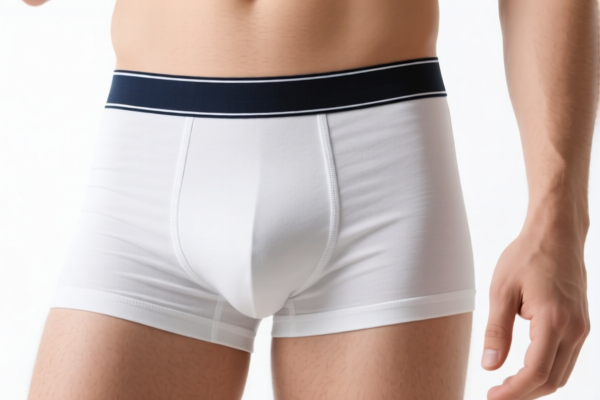
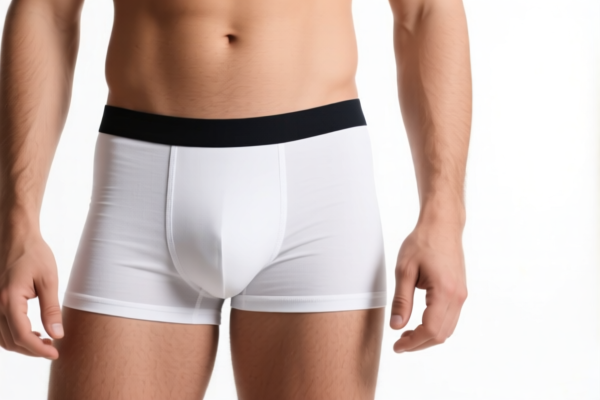
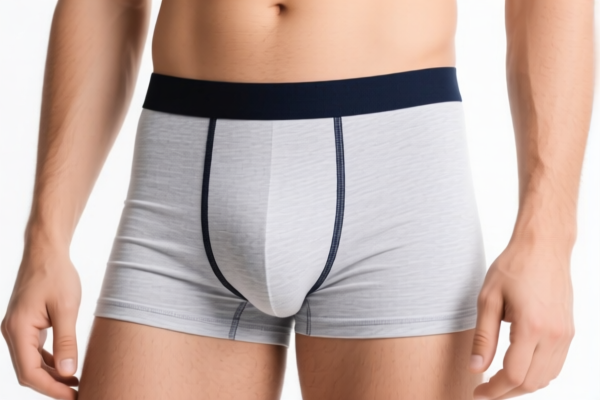
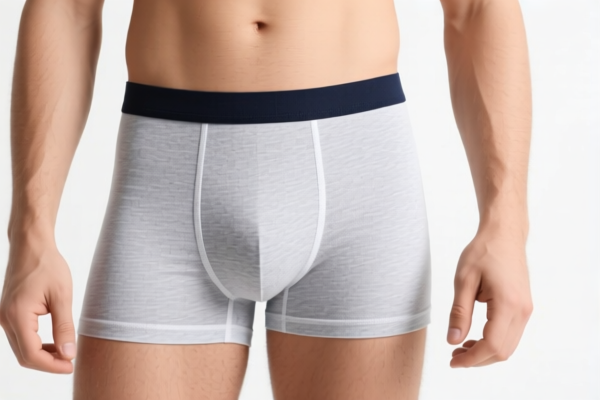
AI分析
👙 Men's Underwear & Briefs (HS Code Deep Dive)
🌐 HS Code Reference & Clearance Guide | 2026 Latest Tariff Analysis | Professional Customs Strategy
📌 I. Product Definition & Classification: Do You Really Know "Men's Underwear"?
Men's underwear and briefs are essential garments classified based on manufacturing technique and material composition. In international trade, the distinction between "Knitted" and "Non-Knitted" is critical, as it determines the HS Code chapter (61 vs. 62) and significantly impacts tariff rates.
Knitted Underwear (Chapter 61): Made from yarns that are interlocked in a loop structure (e.g., cotton jersey, synthetic blends). Soft, stretchy, and common for daily wear. Non-Knitted Underwear (Chapter 62): Made from woven fabrics or other textile materials (e.g., broadcloth, denim, non-woven). Less stretchy, often structured.
⚠️ Key Distinction Point:
- If the fabric is stretchy, loop-based, or tricot/knit →归类 to Chapter 61
- If the fabric is woven, non-stretch, or structured → 归类 to Chapter 62
- Note: Even if made of cotton, if it's woven, it goes to 6207.19. If it's knitted, it goes to 6107.xx.
📦 II. HS Code Classification Details (2026 Latest Tariff Authority Comparison)
| HS Code | Product Description | Key Characteristics | Material |
|---|---|---|---|
6107.11.00.10 |
Men's Trunks, Knitted, Cotton | Traditional briefs/trunks, soft cotton fabric | 🧶 Cotton (Knitted) |
6107.12.00.10 |
Men's Trunks, Knitted, Man-made Fibers/Cotton Blend | Synthetics (Polyester/Nylon) or blends | 🧬 Synthetic/Blend (Knitted) |
6207.19.10.00 |
Men's Trunks, Non-Knitted, Textile Materials | Woven boxes, structured briefs, non-stretch | 🧵 Woven/Non-Knitted Textile |
6107.11.00.10 |
Men's Briefs, Knitted, Cotton | Same as Trunks, different terminology | 🧶 Cotton (Knitted) |
6207.19.10.00 |
Men's Briefs, Non-Knitted, Textile Materials | Same as Trunks, different terminology | 🧵 Woven/Non-Knitted Textile |
🔍 Key Reminder:
- Cotton Knitted items fall under6107.11.00.10.
- Synthetic/Blend Knitted items fall under6107.12.00.10.
- Non-Knitted (Woven/Other) items fall under6207.19.10.00.
- Misclassification between Knitted (61) and Non-Knitted (62) leads to incorrect tariff calculations.
💰 III. 2026 Latest Tariff Rate Breakdown (Including Additional Taxes, Policy Surcharges)
✅ Applicable Country: United States (US)
✅ Origin: China (CN)
✅ Effective Date: 2025-11-10 onwards
🎯 1. 6107.11.00.10 — Men's Trunks/Briefs, Knitted, Cotton
| Item | Content |
|---|---|
| Base Tariff | 7.4% |
| Trade War Surcharge (Section 301) | 7.5% |
| Section 122 Tariff | 10% |
| Total Tax Rate | 24.9% |
| Tax Calculation | CIF Value × 24.9% |
| De Minimis Exemption | ❌ No (Deny De Minimis) |
| Legal Basis Path | USITC:6107.11.00.10 → Section 301:7.5% → Section 122:10% |
📌 Explanation:
- Cotton knitted underwear is taxed at a base rate of 7.4%.
- Section 301 adds 7.5% for Chinese goods.
- Section 122 adds an additional 10%.
- Total: 24.9%. This is a moderate-to-high tariff for apparel.
🎯 2. 6107.12.00.10 — Men's Trunks, Knitted, Man-made Fibers/Cotton
| Item | Content |
|---|---|
| Base Tariff | 14.9% |
| Trade War Surcharge (Section 301) | 7.5% |
| Section 122 Tariff | 10% |
| Total Tax Rate | 32.4% |
| Tax Calculation | CIF Value × 32.4% |
| De Minimis Exemption | ❌ No (Deny De Minimis) |
| Legal Basis Path | USITC:6107.12.00.10 → Section 301:7.5% → Section 122:10% |
📌 Note:
- Synthetic or blended knitted underwear has a higher base rate (14.9%).
- With the same surcharges, the total tax is 32.4%.
- Recommendation: If possible, use cotton for lower base duties, but check material content rules carefully.
🎯 3. 6207.19.10.00 — Men's Trunks/Briefs, Non-Knitted, Textile Materials
| Item | Content |
|---|---|
| Base Tariff | 1.7% |
| Trade War Surcharge (Section 301) | 7.5% |
| Section 122 Tariff | 10% |
| Total Tax Rate | 19.2% |
| Tax Calculation | CIF Value × 19.2% |
| De Minimis Exemption | ❌ No (Deny De Minimis) |
| Legal Basis Path | USITC:6207.19.10.00 → Section 301:7.5% → Section 122:10% |
📌 Warning:
- Non-knitted (woven) underwear has a very low base rate (1.7%).
- Total tax is 19.2%, which is lower than knitted cotton (24.9%) and synthetics (32.4%).
- However, "Non-Knitted" includes many complex textile types. Ensure the product is truly woven/textile-based and not misclassified.
🛠️ IV. Customs Clearance Practical Advice (Battle-Tested Pitfall Avoidance Guide)
✅ 1. Required Documentation Checklist (None Can Be Missing)
| Document | Must Provide | Description |
|---|---|---|
| ✅ Product Specification Sheet | ✔️ | Material composition (e.g., 100% Cotton), knitting type, size chart |
| ✅ Fabric Swatch/Sample | ✔️ | To prove "Knitted" vs. "Non-Knitted" and material type |
| ✅ Product Photos (with Label) | ✔️ | Clear view of care label, composition tag, and product shape |
| ✅ Commercial Invoice | ✔️ | Explicitly state "Men's Underwear, Knitted/Woven, Cotton/Synthetic" |
| ✅ Packing List | ✔️ | Detail quantity, weight, and package dimensions |
| ✅ Origin Certificate | ✔️ | If not China origin, to apply for preferential rates |
| ✅ Third-party Test Report | ✔️ | Optional but recommended: ASTM D3776 (Fabric Weight), Colorfastness |
✅ 2. Declaration Techniques (Key Mantra)
🔥 “Knit vs. Woven, Cotton vs. Synthetic, Name Precisely, Tax Saves Money!”
| Scenario | Correct Declaration | Wrong Approach |
|---|---|---|
| Cotton Briefs, Knitted | 6107.11.00.10 |
Declare as "Trunks" without material → 24.9% |
| Polyester Briefs, Knitted | 6107.12.00.10 |
Declare as "Cotton" → Fraud/Seizure |
| Woven Boxer Shorts | 6207.19.10.00 |
Declare as "Knitted" → 24.9% vs 19.2% |
| Mixed Pack (Cotton + Synthetic) | Split by HS Code | Mix all in one line item → Customs Rejection |
✅ 3. Special Situation Handling
| Situation | Handling Advice |
|---|---|
| OEM Private Label | Provide customer authorization and design drawings to avoid IP issues |
| Sample Shipments | Even samples are subject to duty; do not misdeclare as "Gift" |
| Multi-Material Garments | If >50% cotton, declare as Cotton. If >50% synthetic, declare as Synthetic |
| Packaging | Include retail packaging in CIF value; do not underreport |
🌍 V. Global Market Clearance Comparison (2026 Latest)
| Country/Region | Recommended HS Code | Tariff (China Origin) | Certification Required | Notes |
|---|---|---|---|---|
| 🇺🇸 USA | 6107.11.00.10 (Cotton Knit) |
24.9% | CPSIA (if for kids, not here), but standard for adult | High surcharge due to Section 122 |
| 🇨🇳 China | 6107.11.00.10 |
5% - 10% | None (Import Duty) | Lower base rate |
| 🇪🇺 EU | 6107.11.00.10 |
12% | CE (not for apparel), but REACH for chemicals | No Section 122/301 |
| 🇬🇧 UK | 6107.11.00.10 |
12% | UKCA (not for apparel) | Post-Brexit rules |
| 🇦🇺 Australia | 6107.11.00.10 |
5% | No special cert | Lower tariff |
| 🇯🇵 Japan | 6107.11.00.10 |
18.4% | None | Base rate higher |
📌 Conclusion:
- USA has the highest effective tariff due to combined Section 301 and Section 122 taxes.
- EU/UK have no such surcharges, making them cheaper markets for Chinese apparel.
- Strategy: Consider diversifying supply chain to Vietnam/Mexico for US market to avoid Section 122/301.
📌 VI. Common Mistakes & Pitfall Guide (Blood and Tears Lessons)
❌ Mistake 1: Declaring "Synthetic" as "Cotton" to get lower base rate (14.9% vs 7.4%? No, wait: Cotton is 7.4%, Synthetic is 14.9%. So declaring Synthetic as Cotton is WRONG, it increases base rate? No, Cotton is 7.4%, Synthetic is 14.9%. So declaring Synthetic as Cotton seems like it lowers rate, but it's fraud).
👉 Consequence: Seizure, fines, and blacklisting. Customs test fabric composition. If Synthetic content is found, they will reclassify and penalize.
❌ Mistake 2: Mixing Knitted and Non-Knitted items in one HS Code line
👉 Consequence: Customs Audit Delay. You must split them into 6107.xx and 6207.19.
❌ Mistake 3: Ignoring Section 122 Tariff
👉 Consequence: Unexpected 10% Tax. Many importers forget this "hidden" tax. Ensure your logistics provider includes it in cost calculations.
❌ Mistake 4: Using vague terms like "Men's Clothes"
👉 Consequence: Customs Rejection. Must specify "Men's Underwear/Briefs" and material.
✅ Correct Practice:
“Men’s Cotton Briefs, Knitted, 100% Cotton, Size M, Model XYZ, Retail Packaged”
🎯 VII. Conclusion: Professional Declaration, Save Time, Reduce Cost!
🎯 Remember the Mantra:
🔹 “Knit Cotton 24.9%, Knit Synthetic 32.4%, Woven 19.2%. Don’t Guess, Check Material!”
🔹 “Section 122 + Section 301 = High Cost. Know Your Rates!”
📌 Tips:
- If your underwear is Made in Vietnam, Indonesia, or Bangladesh, you may avoid Section 122 and 301 surcharges, reducing total tax to just the base rate (e.g., 7.4% for cotton knit).
- Consider Advance Ruling for large shipments to ensure HS Code stability.
📣 Immediate Action:
📞 Contact Customs Broker + Provide Fabric Swatch + Verify HS Code
🚀 Let your underwear Clear Smoothly, Maximize Profit, and Expand Global Reach!
✨ Professional Clearance Starts with Accurate Classification!
💼 Every Cent of Cost Deserves Precise Calculation!
用户评价
关于 HS 编码归类
协调制度(HS)是由世界海关组织(WCO)制定的国际贸易商品分类标准。全球 200 多个国家采用 HS 系统作为海关关税、贸易统计和进出口监管的基础。
每个 HS 编码遵循以下层级结构:
- 章(2 位)——商品大类(例如:第 84 章:机器和机械设备)
- 品目(4 位)——章内的更具体分类
- 子目(6 位)——国际通用细分,所有 WCO 成员国统一使用
- 本国细分(8-10 位)——各国自行扩展的细分编码,如美国 HTSUS 10 位编码
正确的 HS 编码归类对于顺利通关、准确缴纳关税和遵守贸易法规至关重要。错误归类可能导致海关延误、多缴关税或罚款。
从CN进口到US时,适用的关税税率可能包括:
- 最惠国(MFN)税率——适用于 WTO 成员国的标准关税税率
- 普通税率——适用于无贸易协定国家
- 贸易救济关税——附加关税,如 301 条款(反倾销)、232 条款(国家安全)或反补贴税
本页内容仅供参考。如需正式归类,请咨询当地海关或持牌报关代理。