Men's trousers and shorts
CN → US商品图片
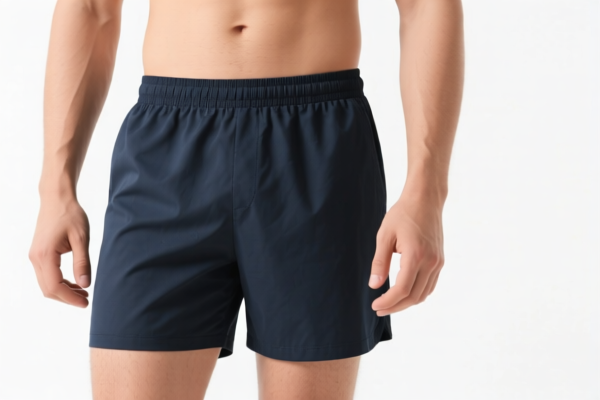
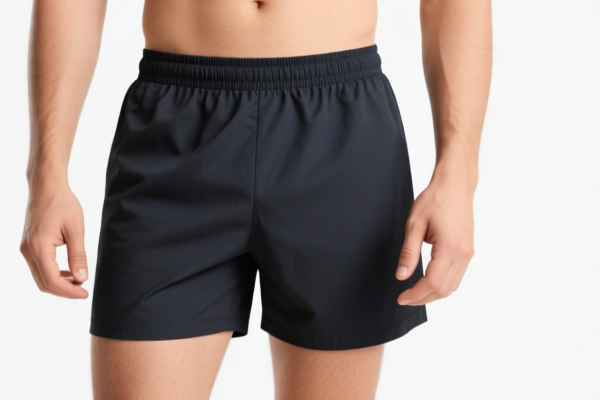
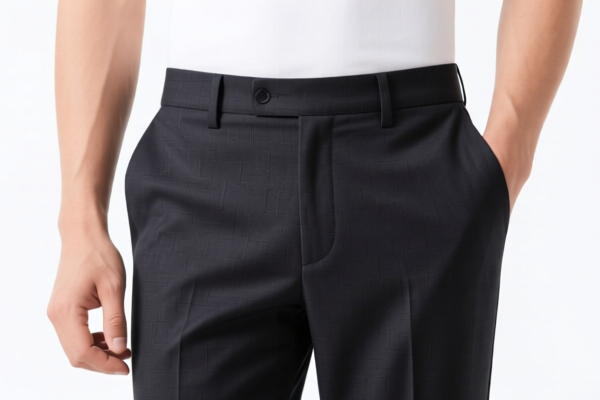
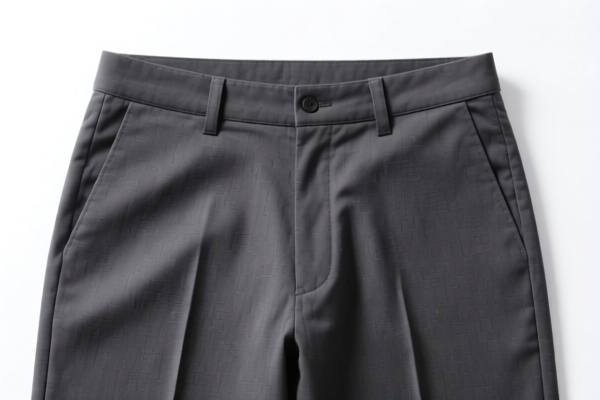
AI分析
👖 Men's Trousers & Shorts: The Ultimate HS Code & Taxation Guide (US Market)
🌐 HS Code Reference & Customs Clearance Guide | 2026 Latest Tariff Analysis | Professional Clearance Strategy
📌 I. Product Definition & Classification: Do You Really Know "Men's Bottoms"?
Men's trousers and shorts are not a single category in international trade. They are strictly divided based on fabric composition and product type. Misclassification here is the #1 cause of customs delays and unexpected taxes.
Two Main Categories:
-
Woven (Knitted vs. Woven is CRITICAL):
- Woven Trousers/Shorts: Made from cut-and-sew fabric (e.g., denim, cotton twill, polyester blend). Usually fall under Chapter 62.
- Knitted Trousers/Shorts: Made from knitted fabric (e.g., sweatpants, jersey shorts). Usually fall under Chapter 61.
-
Specific Product Type:
- Trousers: Long pants, including jeans, khakis, dress pants.
- Shorts: Any garment ending above the knee.
⚠️ Key Distinction:
- If it is Knitted → Look to Chapter 61.
- If it is Woven → Look to Chapter 62.
- Denim is always Woven, even if it feels soft.
📦 II. HS Code Classification Details (2026 Latest Tariff Authority)
Below are the most common HS Codes for Men's Trousers and Shorts imported into the USA from China.
| HS Code | Product Description | Fabric Type | Applicable Scenario |
|---|---|---|---|
6203.43.00 |
Men's synthetic fiber trousers/shorts (Woven) | Polyester/Nylon | Athletic shorts, cargo shorts, windproof pants |
6203.49.00 |
Men's other man-made fiber trousers/shorts (Woven) | Cotton/Synthetic Blends | Most casual woven shorts |
6203.42.00 |
Men's cotton trousers/shorts (Woven) | 100% Cotton or >50% Cotton | Cotton chinos, denim jeans (Note: Denim often falls here or under 6203.43 depending on weave, but typically 6203.42 for cotton jeans) |
6203.41.00 |
Men's wool/fine animal hair trousers/shorts (Woven) | Wool | Formal winter trousers |
6103.43.00 |
Men's synthetic fiber shorts (Knitted/ Crochet) | Polyester/Spandex | Gym shorts, jersey shorts |
6103.42.00 |
Men's cotton shorts (Knitted/ Crochet) | Cotton | Cotton sweatpants, jersey shorts |
6103.49.00 |
Men's other textile material shorts (Knitted) | Blends | Mixed fabric knitted shorts |
🔍 Critical Reminder:
- Denim Jeans for men are typically classified under6203.42.00(if cotton >50%) or6203.43.00(if synthetic).
- Swim Shorts are often classified under6211.43or6111.43, NOT general trousers.
- Suspenders/Belts are separate items (Chapter 61/62 or 6307), not part of the trouser value.
💰 III. 2026 Latest Tariff Rate Breakdown (Including Additional Taxes & Policy Add-ons)
✅ Applicable Country: USA (US)
✅ Origin: China (CN)
✅ Effective Time: 2025–2026 (Section 301 & IEEPA Tariffs Still Active)
🎯 1. 6203.42.00 —— Men's Cotton Trousers & Shorts (Woven)
| Item | Content |
|---|---|
| Base Rate | 0% – 16% (General Rate) |
| USITC Additional Tariff (Sec 301) | +25% (Footnote 9903.88.01) |
| IEEPA Additional Tariff | +10% (For China/HK products, from Nov 2025) |
| Total Rate | 35% – 51% |
| Tax Calculation | CIF Value × Total Rate |
| De Minimis Exemption? | ❌ No (Section 321 de minimis does NOT apply to goods subject to Section 301/IEEPA tariffs) |
| Legal Path | IEEPA:9903.01.24 → USITC:6203.42.00 → FOOTNOTE:9903.88.01 |
📌 Explanation:
- Cotton apparel from China faces heavy tariffs. The base rate is often low, but the 25% Sec 301 and 10% IEEPA make it one of the highest-taxed textile categories. - Total effective rate can exceed 40% depending on the specific cotton content and weave.
🎯 2. 6203.43.00 —— Men's Synthetic Fiber Trousers & Shorts (Woven)
| Item | Content |
|---|---|
| Base Rate | 0% – 16% |
| USITC Additional Tariff (Sec 301) | +25% |
| IEEPA Additional Tariff | +10% |
| Total Rate | 35% – 51% |
| Tax Calculation | CIF Value × Total Rate |
| De Minimis Exemption? | ❌ No |
| Legal Path | IEEPA:9903.01.24 → USITC:6203.43.00 → FOOTNOTE:9903.88.01 |
📌 Note:
- Synthetic fibers (Polyester, Nylon) are equally taxed.
- Athletic shorts and polyester windbreakers fall here.
- No advantage over cotton in terms of tariff rates.
🎯 3. 6103.42.00 & 6103.43.00 —— Knitted Shorts
| Item | Content |
|---|---|
| Base Rate | 0% – 16% |
| USITC Additional Tariff (Sec 301) | +25% |
| IEEPA Additional Tariff | +10% |
| Total Rate | 35% – 51% |
| De Minimis Exemption? | ❌ No |
📌 Note:
- Knitted shorts are not exempt from Section 301 tariffs.
- Many buyers mistakenly think "knitted = lower tax," but China-origin knitted textiles are heavily taxed.
🛠️ IV. Customs Clearance Practical Advice (Battle-Tested Pitfall Avoidance)
✅ 1. Required Documentation Checklist (Non-Negotiable)
| Document | Mandatory? | Description |
|---|---|---|
| ✅ Commercial Invoice | ✔️ | Must state: "Men's Cotton Trousers," "HS Code: 6203.42.00," "Made in China" |
| ✅ Packing List | ✔️ | Detail weight, dimensions, and item count |
| ✅ Labeling Compliance | ✔️ | US Law requires: Fiber content, Country of Origin, Care Instructions on each garment |
| ✅ Fiber Content Test Report | ✔️ | Lab report proving cotton vs. synthetic % (Critical for correct HS Code) |
| ✅ FCC/CPSC Certifications | ✔️ | For children's items or specific textiles (Flammability standards may apply) |
| ✅ Bill of Lading (B/L) | ✔️ | Standard shipping document |
✅ 2. Declaration Tips (Golden Rules)
🔥 "Fiber Content is King! Wrong Fiber = Wrong HS Code = Penalty!"
| Scenario | Correct Declaration | Wrong Practice |
|---|---|---|
| 100% Cotton Jeans | 6203.42.00 |
Declaring as 6203.43.00 (Synthetic) → Audit Trigger |
| 95% Poly / 5% Spandex Shorts | 6203.43.00 |
Declaring as "Textile Garment" → Generic Code → 100% Tax Risk |
| Denim Jeans | 6203.42.00 (if cotton) |
Declaring as 6103.42.00 (Knitted) → Denim is Woven! |
| Swim Shorts | 6211.43.00 |
Declaring as General Shorts → Wrong Classification |
✅ 3. Special Cases & Loopholes
| Situation | Advice |
|---|---|
| Small Packages (De Minimis) | ❌ DO NOT RELY ON $800 DE MINIMIS for China-origin apparel. Section 301 tariffs do not apply to de minimis, but Section 321 (de minimis) is blocked for goods subject to IEEPA/301 tariffs from China. All shipments are taxed. |
| Wholesale Orders | Must declare accurately. Use Entry Type 86 for informal entries for low-value, but high-value requires formal entry (Type 11). |
| Transshipment via Vietnam/Mexico | ⚠️ High Risk of Anti-Circumvention Investigation. US CBP actively investigates "rubber stamping" (simple assembly in third country). Ensure Substantial Transformation occurs. |
| OEM/Custom Design | Provide design sketches and tech packs to prove origin of components (fabric, buttons, zippers). |
🌍 V. Global Market Comparison (2026)
| Country/Region | Recommended HS Code | Tariff (China Origin) | Certification | Notes |
|---|---|---|---|---|
| 🇺🇸 USA | 6203.42.00 / 6103.42.00 |
~45% (Base + 301 + IEEPA) | CPSC, FTC Labeling | Highest Tariff Bar. Use Vietnam/Mexico for duty-free/low-tariff options. |
| 🇨🇳 China | 6203.42.00 |
5–10% | CCC (if applicable) | Export hub. |
| 🇪🇺 EU | 6203.42.00 |
12% | REACH, CE (if smart textiles) | No Section 301, but high base duty. |
| 🇲🇽 Mexico | 6203.42.00 |
0% (under USMCA) | N/A | Best for US Market. Requires substantial transformation. |
| 🇻🇳 Vietnam | 6203.42.00 |
0% (under US Trade Preferences) | N/A | Popular Alternative. Ensure no Chinese fabric is used to avoid CVD. |
📌 Conclusion:
- USA tariffs on Chinese apparel are prohibitively high (~45%).
- Solution: Shift supply chain to Vietnam, Bangladesh, or Mexico to utilize 0% or low tariffs.
- Do not attempt to misdeclare origin. CBP uses AI to track fabric sourcing.
📌 VI. Common Mistakes & Blood-Tears Lessons
❌ Mistake 1: Claiming "De Minimis" ($800) for Chinese clothing
👉 Consequence: Shipment seized. Section 321 exemption is suspended for Chinese goods subject to 301/IEEPA. You must pay full tariff.
❌ Mistake 2: Mixing Knitted and Woven in one HS Code
👉 Consequence: Customs audit. Knitted (61xx) and Woven (62xx) have different duties and regulations.
❌ Mistake 3: Ignoring Labeling Laws
👉 Consequence: Rejection of entry. US requires fiber content, country of origin, and manufacturer ID on each garment. Missing labels = Goods stuck in warehouse.
❌ Mistake 4: Declaring "Men's Clothing" without Specific HS Code
👉 Consequence: Penalty + 100% Ad Valorem Tax. CBP will assign a punitive code.
✅ Correct Approach:
"Men's Woven Cotton Trousers, 100% Cotton, Model XYZ, FCC/CPSC Compliant, HS Code: 6203.42.00, Origin: China"
🎯 VII. Conclusion: Professional Classification Saves Money!
🎯 Remember the Mantra:
🔹 "Fiber Content Dictates HS Code!"
🔹 "China Apparel to USA = ~45% Tariff!"
🔹 "De Minimis is Dead for Chinese Textiles!"
🔹 "Label Every Garment!"
📌 Pro Tip:
If you are shipping to the USA, strongly consider sourcing from Vietnam or Mexico to avoid the 35–51% tariff burden.
For Chinese suppliers, ensure full transparency with your customs broker to avoid anti-circumvention flags.
📣 Immediate Action:
📞 Contact a licensed US Customs Broker
📄 Prepare Fiber Content Test Reports
🚀 Optimize Supply Chain for Duty Efficiency
✨ Precision Classification. Maximum Profit.
💼 Don't Let Tariffs Eat Your Margins!
用户评价
关于 HS 编码归类
协调制度(HS)是由世界海关组织(WCO)制定的国际贸易商品分类标准。全球 200 多个国家采用 HS 系统作为海关关税、贸易统计和进出口监管的基础。
每个 HS 编码遵循以下层级结构:
- 章(2 位)——商品大类(例如:第 84 章:机器和机械设备)
- 品目(4 位)——章内的更具体分类
- 子目(6 位)——国际通用细分,所有 WCO 成员国统一使用
- 本国细分(8-10 位)——各国自行扩展的细分编码,如美国 HTSUS 10 位编码
正确的 HS 编码归类对于顺利通关、准确缴纳关税和遵守贸易法规至关重要。错误归类可能导致海关延误、多缴关税或罚款。
从CN进口到US时,适用的关税税率可能包括:
- 最惠国(MFN)税率——适用于 WTO 成员国的标准关税税率
- 普通税率——适用于无贸易协定国家
- 贸易救济关税——附加关税,如 301 条款(反倾销)、232 条款(国家安全)或反补贴税
本页内容仅供参考。如需正式归类,请咨询当地海关或持牌报关代理。