Plastic Men's
CN → US| HS编码 | 关税税率 | 原产国 | 目的国 | 文档 |
|---|---|---|---|---|
| 6210402800 | 20.8% | CN | US | 官方文档 |
| 6114303060 | 32.4% | CN | US | 官方文档 |
| 6210407500 | 20.8% | CN | US | 官方文档 |
| 3926206000 | 35.0% | CN | US | 官方文档 |
| 6210403500 | 13.8% | CN | US | 官方文档 |
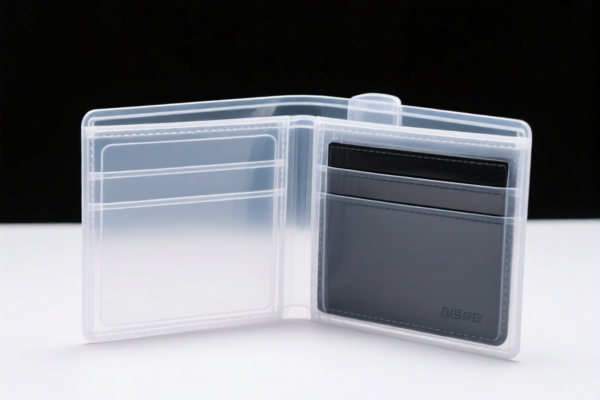
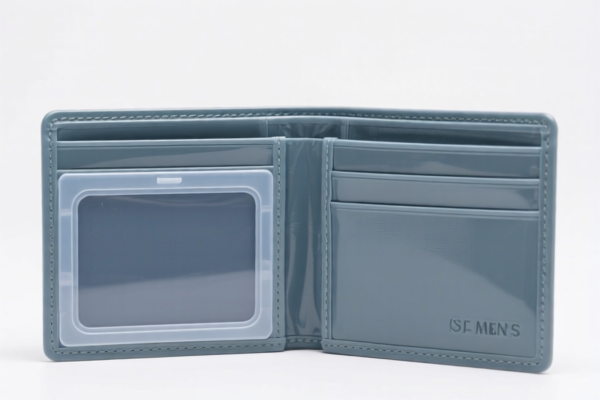
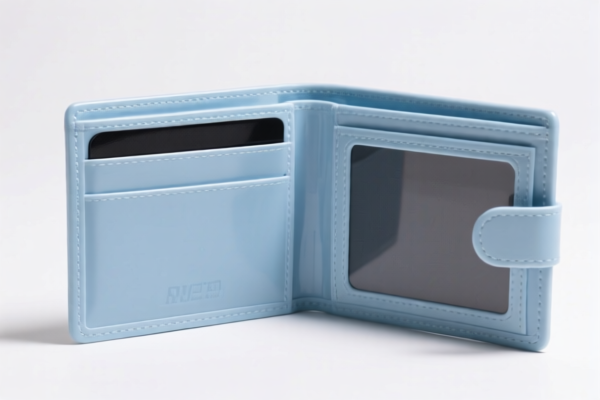
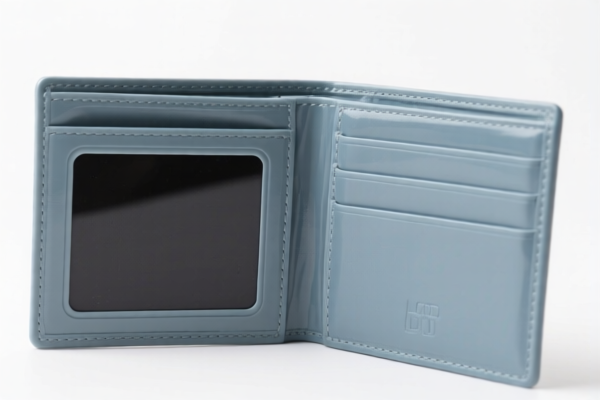
商品图片
AI分析
👔 Plastic Men's Apparel: The Classification Minefield & Tax Reality Check
🌐 HS Code Reference & Customs Clearance Guide | 2026 Latest Tariff Analysis | Professional Entry Strategy
📌 I. Product Definition & Classification: What Exactly is "Plastic Men's Wear"?
"Plastic Men's Apparel" is a broad, often ambiguous trade term. In international trade, it typically refers to garments where the outer layer is made of plastic (coated, laminated, or sheet material) or garments classified as plastic articles that function as clothing or accessories.
Key Distinctions: * Textile-Based with Plastic Coating: Garments made of fabric (cotton, synthetic) but coated/laminated with plastic (PVC, polyurethane) for waterproofing or weather resistance. These usually fall under Chapter 62 or 61. * Pure Plastic Articles: Items made entirely of plastic sheets/films, intended to be worn (e.g., disposable rain ponchos, plastic aprons, certain costume pieces). These fall under Chapter 39.
⚠️ Critical Classification Point:
- If the garment has a textile base (even if coated) → Likely HS 61xx or 62xx.
- If the item is purely plastic with no textile backing, or considered a "plastic article for clothing" → Likely HS 3926.20.60.00.
- The distinction dramatically affects the tax rate (from 13.8% to 35.0%).
📦 II. HS Code Classification Details (2026 Latest Tariff Authority)
Based on the provided data, here are the 5 potential classifications for "Plastic Men's Apparel":
| HS Code | Summary Description | Key Matching Criteria | Material/Structure |
|---|---|---|---|
6210.40.28.00 |
Plastic Men's Garments | Match based on garment form and use; material matches coating characteristics. | Fabric with plastic coating/lamination |
6114.30.30.60 |
Plastic Men's/Children's Garments | Match successful; material inferred as synthetic fibers; form meets garment requirements. | Synthetic fiber base, plastic-treated |
6210.40.75.00 |
Plastic Men's/Children's Garments | Match successful; material matches characteristics of outer layer treated with plastic, covering underlying textile. | Outer plastic layer covering textile |
3926.20.60.00 |
Plastic Men's/Children's Garments | Match based on material and use fitting definition of plastic articles and clothing accessories. | Pure Plastic or Plastic Accessories |
6210.40.35.00 |
Plastic Men's/Children's Garments | Match successful; material is synthetic fiber; meets characteristics of outer layer coated/laminated. | Synthetic fiber with outer coating/lamination |
🔍 重点提醒 (Key Warning):
- HS 3926.20.60.00 carries the highest total tax (35.0%) because it is classified under Chapter 39 (Articles of Plastic), not clothing. This often triggers a 25% Section 301 surcharge instead of the standard 7.5%.
- HS 6210.40.35.00 offers the lowest total tax (13.8%) due to a $0% Section 301 surcharge for this specific subheading.
- Misclassification between Chapter 61/62 (Textiles) and Chapter 39 (Plastics) is a major red flag for customs auditors.
💰 III. 2026 Latest Tariff Rate Breakdown (Including Surtaxes & Policy Add-ons)
✅ Applicable Country: USA
✅ Origin: China
✅ Effective Date: Post-November 10, 2025 (Inclusions)
🎯 1. 6210.40.28.00 — Plastic Men's Garments (Coated Textile)
| Item | Detail |
|---|---|
| Base Duty | 3.3% (ad valorem) |
| Section 301 Surtax | +7.5% |
| IEEPA Surtax | +10% (122 Clause) |
| Total Tax Rate | 20.8% |
| Tax Calculation | CIF Value × 20.8% |
| De Minimis Exemption | ❌ No (Not eligible) |
| Legal Basis | USITC:6210.40.28.00 → FOOTNOTE:301 → IEEPA:9903.01.24 |
📌 Explanation:
- This classification treats the item as a textile garment with a plastic coating.
- The 7.5% Section 301 tax applies because it remains under Chapter 62.
- Total burden: 20.8%.
🎯 2. 6114.30.30.60 — Plastic Men's/Children's Garments (Synthetic Base)
| Item | Detail |
|---|---|
| Base Duty | 14.9% |
| Section 301 Surtax | +7.5% |
| IEEPA Surtax | +10% |
| Total Tax Rate | 32.4% |
| Tax Calculation | CIF Value × 32.4% |
| De Minimis Exemption | ❌ No |
| Legal Basis | USITC:6114.30.30.60 → FOOTNOTE:301 → IEEPA:9903.01.24 |
📌 Explanation:
- Higher base duty (14.9%) due to specific synthetic fiber category in Chapter 61.
- Total burden: 32.4%. This is a high-cost classification.
🎯 3. 6210.40.75.00 — Plastic Men's/Children's Garments (Plastic Outer Layer)
| Item | Detail |
|---|---|
| Base Duty | 3.3% |
| Section 301 Surtax | +7.5% |
| IEEPA Surtax | +10% |
| Total Tax Rate | 20.8% |
| Tax Calculation | CIF Value × 20.8% |
| De Minimis Exemption | ❌ No |
| Legal Basis | USITC:6210.40.75.00 → FOOTNOTE:301 → IEEPA:9903.01.24 |
📌 Explanation:
- Similar tax treatment to6210.40.28.00.
- Key is demonstrating the "plastic outer layer covers the underlying textile."
- Total burden: 20.8%.
🎯 4. 3926.20.60.00 — Plastic Garments/Accessories (Pure Plastic)
| Item | Detail |
|---|---|
| Base Duty | 0.0% |
| Section 301 Surtax | +25.0% |
| IEEPA Surtax | +10% |
| Total Tax Rate | 35.0% |
| Tax Calculation | CIF Value × 35.0% |
| De Minimis Exemption | ❌ No |
| Legal Basis | USITC:3926.20.60.00 → FOOTNOTE:301 (25% rate) → IEEPA:9903.01.24 |
📌 Explanation:
- Lowest base duty (0%), but the Section 301 surcharge jumps to 25% for plastic articles under Chapter 39.
- This is the most expensive option at 35.0% total tax.
- Avoid this classification unless the item is purely plastic and cannot be argued as a textile garment.
🎯 5. 6210.40.35.00 — Plastic Men's/Children's Garments (Coated Synthetic)
| Item | Detail |
|---|---|
| Base Duty | 3.8% |
| Section 301 Surtax | 0.0% |
| IEEPA Surtax | +10% |
| Total Tax Rate | 13.8% |
| Tax Calculation | CIF Value × 13.8% |
| De Minimis Exemption | ❌ No |
| Legal Basis | USITC:6210.40.35.00 → FOOTNOTE:301 (Exempt) → IEEPA:9903.01.24 |
📌 Explanation:
- Lowest total tax rate (13.8%).
- The Section 301 surcharge is 0% for this specific subheading.
- STRATEGY: If your product can be substantiated as "synthetic fiber with outer coating/lamination," this is the optimal classification for cost savings.
🛠️ IV. Customs Clearance Practical Advice (Battle-Tested Pitfall Guide)
✅ 1. Required Documentation Checklist (Non-negotiable)
| Document | Required | Explanation |
|---|---|---|
| ✅ Product Specification Sheet | ✔️ | Must detail material composition (e.g., "100% Polyethylene, No Textile Backing" vs. "Polyester with PVC Coating"). |
| ✅ Material Test Report | ✔️ | Third-party lab report confirming if the item is "Article of Plastic" (Ch 39) or "Coated Textile" (Ch 62). |
| ✅ Product Photos (All Angles) | ✔️ | Show seams, lining, and how the plastic layer interacts with the fabric. |
| ✅ Commercial Invoice | ✔️ | Describe item as "Men's Raincoat, Coated Polyester" rather than vague "Plastic Garment." |
| ✅ Packing List | ✔️ | Detail units, weights, and dimensions. |
✅ 2. Declaration Strategies (Key Mantras)
🔥 "Describe Material, Not Just Function. 'Plastic' is Dangerous; 'Coated Textile' is Safer."
| Scenario | Correct Declaration | Wrong Practice |
|---|---|---|
| Item has a fabric lining | 6210.40.35.00 (3.8% Base + 0% 301) |
Calling it "Plastic Garment" → 3926.20.60.00 (35% Tax!) |
| Item is a disposable plastic poncho | 3926.20.60.00 |
Trying to force into Chapter 62 → Risk of Rejection |
| Item is a PVC-coated Jacket | 6210.40.28.00 or 6210.40.75.00 |
Using vague terms like "Polymer Apparel" |
✅ 3. Special Handling Tips
| Situation | Recommendation |
|---|---|
| OEM Custom Gear | Provide design files showing material layers. If it has a textile substrate, fight for Chapter 62. |
| Mixed Materials | If >50% by weight is plastic, customs may lean to Chapter 39. If >50% is textile, lean to Chapter 62. |
| Seasonal Variations | Ensure HS Code matches the actual product arriving (e.g., summer mesh vs. winter coated). |
🌍 V. Global Market Comparison (2026 Update)
| Country/Region | Recommended HS Code | Total Tax (China Origin) | Key Requirement | Note |
|---|---|---|---|---|
| 🇺🇸 USA | 6210.40.35.00 |
13.8% | IEEPA 10% applies | Best option for coated textiles. Avoid Ch 39 (35%). |
| 🇺🇸 USA | 3926.20.60.00 |
35.0% | IEEPA 10% applies | Highest cost. Only for pure plastic items. |
| 🇪🇺 EU | 6210.40 |
Varies (Usually ~4-12%) | CE Marking (if protective) | No Section 301 surcharge. |
| 🇨🇳 China | 6210.40 |
~5-10% | CCC (if applicable) | Lower base rates, no US surtaxes. |
📌 Conclusion:
- USA is the most complex market due to the IEEPA 10% + Section 301 structure.
- Choosing the right HS Code within Chapter 62 can save you 10-12% in taxes compared to Chapter 39.
-6210.40.35.00is the Golden Key for profit maximization if substantiated.
📌 VI. Common Errors & Pitfalls (Lessons from the Field)
❌ Error 1: Calling a coated polyester jacket "Plastic Garment"
👉 Result: Customs reclassifies to 3926.20.60.00 → Tax jumps from 13.8% to 35.0%.
❌ Error 2: Misidentifying the base material
👉 Result: If you claim "Textile" but tests show pure plastic → Penalties + Retroactive Taxes.
❌ Error 3: Ignoring the 122 Clause (IEEPA)
👉 Result: All these codes carry a 10% IEEPA tax. Forgetting this leads to underpayment fines.
❌ Error 4: Using generic terms like "Raincoat" without material detail
👉 Result: Customs delays for "Material Verification" → Storage fees and demurrage.
✅ Correct Approach:
"Men's Rain Jacket, 100% Polyester Woven Fabric with PVC Coating, Waterproof, Model XYZ"
🎯 VII. Conclusion: Precision Saves Money!
🎯 Remember the Mantra:
🔹 "Textile Base? Go Chapter 62. Pure Plastic? Prepare for 35%.
🔹 '6210.40.35.00' is Your Best Friend (13.8%).
🔹 '3926.20.60.00' is Your Worst Enemy (35.0%)."
📌 Pro Tip:
Before shipping, submit a Pre-Ruling Request (Advance Ruling) to US Customs and Border Protection (CBP) if your product is borderline between textile and plastic. This locks in the HS Code and avoids surprise audits.
📣 Immediate Action:
📞 Audit your Bill of Materials (BOM).
📝 Confirm if the item has a textile substrate.
🚀 If yes, declare under6210.40.35.00for maximum tax efficiency.
✨ Professional Clearance Starts with Precise Classification!
💼 Your Every Dollar is Worth Calculating!
用户评价
关于 HS 编码归类
协调制度(HS)是由世界海关组织(WCO)制定的国际贸易商品分类标准。全球 200 多个国家采用 HS 系统作为海关关税、贸易统计和进出口监管的基础。
每个 HS 编码遵循以下层级结构:
- 章(2 位)——商品大类(例如:第 84 章:机器和机械设备)
- 品目(4 位)——章内的更具体分类
- 子目(6 位)——国际通用细分,所有 WCO 成员国统一使用
- 本国细分(8-10 位)——各国自行扩展的细分编码,如美国 HTSUS 10 位编码
正确的 HS 编码归类对于顺利通关、准确缴纳关税和遵守贸易法规至关重要。错误归类可能导致海关延误、多缴关税或罚款。
从CN进口到US时,适用的关税税率可能包括:
- 最惠国(MFN)税率——适用于 WTO 成员国的标准关税税率
- 普通税率——适用于无贸易协定国家
- 贸易救济关税——附加关税,如 301 条款(反倾销)、232 条款(国家安全)或反补贴税
本页内容仅供参考。如需正式归类,请咨询当地海关或持牌报关代理。