Women's Backpack
CN → US| HS编码 | 关税税率 | 原产国 | 目的国 | 文档 |
|---|---|---|---|---|
| 4202923120 | 52.6% | CN | US | 官方文档 |
| 4202923900 | 52.6% | CN | US | 官方文档 |
| 4202228980 | 52.6% | CN | US | 官方文档 |
商品图片
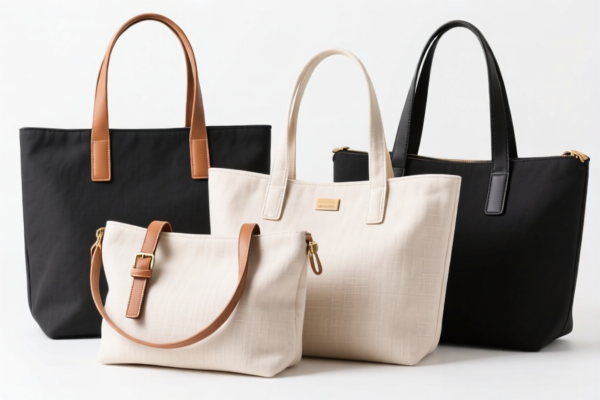
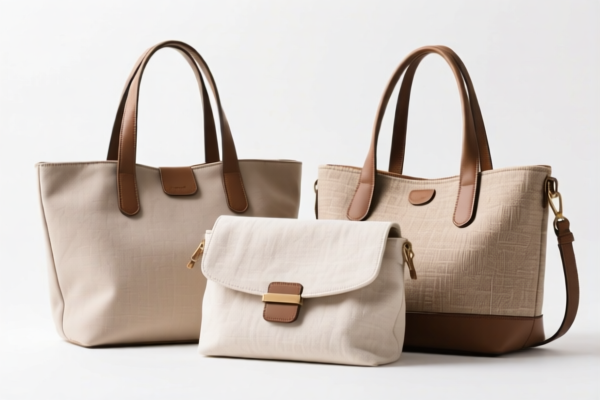
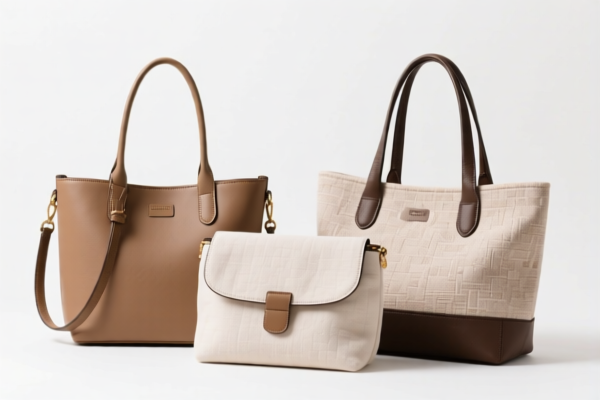
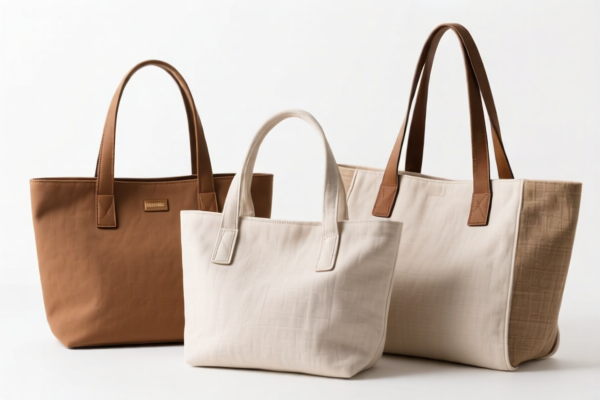
AI分析
🎒 Women's Backpack (Luggage, Travel Goods, Handbags & Similar Containers)
🌐 HS Code Reference & Customs Clearance Guide | 2026 Latest Tariff Analysis | Strategic Compliance Strategy
📌 I. Product Definition & Classification: Do You Really Understand "Women's Backpacks"?
In international trade, "Backpacks" are broadly classified under Heading 4202. The specific classification depends heavily on the outer surface material (Textile vs. Plastic/Vinyl vs. Leather) and the specific use case (Travel/Sports vs. General Fashion).
⚠️ Critical Distinction:
- If the outer surface is Textile (fabric, nylon, polyester): It falls under 4202.92 or 4202.11/12 depending on structure.
- If the outer surface is Plastic/Sheeting: It falls under 4202.32.
- If the outer surface is Leather: It falls under 4202.11 or 4202.12.Based on the provided , the analysis assumes a Textile/Composite outer surface, which is the most common for modern women's travel/sport backpacks.
📦 II. HS Code Classification Details (Based on Provided )
The provided data highlights three potential HS Codes. These codes reflect a "Best Fit" analysis for a Textile-Surface Women's Backpack intended for travel or sports.
| HS Code | Summary from Data | Key Classification Logic | Material Inference |
|---|---|---|---|
4202.92.31.20 |
Matches Form (Backpack) & Use (Travel/Sports Bag); Outer surface inferred as Textile or synthetic fiber. | Specific subheading for bags with outer surface of textile materials, for travel, sports, etc. | ✅ Textile/Synthetic |
4202.92.39.00 |
Matches Use (Backpack for Travel/Sports) & Form; Outer surface inferred as Textile, falling under "Other" category. | General "Other" category for textile bags not specifically listed in narrower subheadings. | ✅ Textile |
4202.22.89.80 |
Classified as Women's Bag/Handbag; Inferred outer surface as Textile based on common sense, fitting the "Other" residual category. | Fallback classification if the item is deemed more of a "Handbag/Tote" style rather than a pure "Backpack." | ✅ Textile |
🔍 Key Insight from Data:
All three codes share the same total tax rate of 52.6%. This suggests that for US imports from China, the distinction between these specific subheadings does not currently result in a tax differential, but accuracy is still critical to avoid customs audits or penalties.
💰 III. 2026 Latest Tariff Rate Breakdown (Detailed Tax Clauses)
✅ Applicable Country: United States (US)
✅ Origin: China (CN)
✅ Total Tax Rate: 52.6%
✅ Base Tariff: 17.6% + Section 301 Tariff: 25.0% + Section 122 Tariff: 10%
🎯 1. Tariff Structure Explained
The high tariff burden is composed of three distinct layers:
| Tax Component | Rate | Legal Basis & Description |
|---|---|---|
| Base Duty | 17.6% | Standard Most-Favored-Nation (MFN) duty under HTSUS Chapter 42. |
| Section 301 Tariff | +25.0% | Additional duty imposed on Chinese goods under U.S. Trade Representative (USTR) Section 301 actions. Applies to Heading 4202. |
| Section 122 Tariff | +10.0% | Additional duty under Section 122 of the Trade Act of 1974 (historically used for balance-of-payments issues; note: check current enforcement status). |
| TOTAL | 52.6% | Sum of all applicable duties. |
📌 Calculation Example:
If the CIF (Cost, Insurance, Freight) value of a batch of women's backpacks is $10,000:
- Total Duty Payable = $10,000 × 52.6% = $5,260
- Effective Landed Cost Increase: Over 50%!⚠️ Critical Note:
- De Minimis Exemption (Section 321): NOT APPLICABLE.
Goods valued under $800 per person per day are usually exempt from duties. However, Section 301 tariffs (and often Section 122) explicitly deny the de minimis exemption for Chinese-origin goods. Therefore, even small shipments are subject to this 52.6% tax.
🛠️ IV. Customs Clearance Practical Advice (Avoiding Pitfalls)
✅ 1. Documentation Checklist (Essential for Clearance)
| Document | Requirement | Reason |
|---|---|---|
| Commercial Invoice | Must specify "Outer Surface Material" clearly (e.g., "100% Polyester," "Nylon/PU Coated"). | Customs needs to verify if the material matches the HS Code (Textile vs. Plastic). |
| Product Description | Use precise terms: "Women's Travel Backpack, Textile Outer Surface, Zip Closure, Multiple Compartments." | Avoid vague terms like "Bag" or "Accessory." |
| Photo of Label/Tag | Clear image of the material composition tag (e.g., "Shell: 100% Nylon"). | Proof of material inference for HS Code 4202.92 vs. 4202.32. |
| Packing List | Itemize quantities and weights. | Required for customs valuation. |
✅ 2. Classification Strategy & Optimization
🔥 Rule of Thumb:
"Material is King, Form is Queen."
If the outer surface is Textile, it goes to 4202.92.
If the outer surface is Plastic/Vinyl, it goes to 4202.32 (Check if tax differs!).
If the outer surface is Leather, it goes to 4202.11/12 (Check if tax differs!).
| Scenario | Recommended HS Code | Why? |
|---|---|---|
| Standard Textile Backpack | 4202.92.31.20 or 4202.92.39.00 |
Matches the "Textile" inference in . |
| Plastic/Vinyl Backpack | Not in | Action Required: Check HTSUS for 4202.32 rates. May have different duty implications. |
| Leather Backpack | Not in | Action Required: Check HTSUS for 4202.11/12 rates. |
| Mixed Material (e.g., Leather Strap, Textile Body) | 4202.92.31.20 |
Generally classified by the outer surface material (Textile). |
✅ 3. Special Clearance Tips
| Situation | Recommendation |
|---|---|
| Small Sample Shipments | DO NOT USE De Minimis ($800). Declare fully and pay the 52.6% tax. Trying to under-declare to stay under $800 will lead to penalties, seizure, and blacklisting. |
| OEM/Custom Designs | Provide design specs. If the "use" is ambiguous, argue for Travel/Sports (4202.92) over general handbag (4202.22) if it has features like laptop sleeves, water bottle pockets, etc. |
| Origin Marking | Clearly mark "Made in China" on the product and packaging. Failure to do so can result in seizure. |
🌍 V. Market Comparison & Strategic Insight
| Market | HS Code (Textile Backpack) | Base Duty | US Section 301 | Total Effective Rate (China Origin) | Notes |
|---|---|---|---|---|---|
| 🇺🇸 USA | 4202.92.31.20 / .39.00 |
17.6% | +25% | 52.6% (incl. 122) | High Cost. Consider supply chain shift. |
| 🇨🇳 China | 4202.92 | Variable | N/A | Low (Import Duty ~5-10%) | Major manufacturing hub. |
| 🇪🇺 EU | 4202.92 | 4.0% | N/A | 4.0% | No Section 301 equivalent. |
| 🇬🇧 UK | 4202.92 | 4.0% | N/A | 4.0% | Post-Brexit, standard MFN rates. |
| 🇨🇦 Canada | 4202.92 | 0% - 10% | N/A | 0-10% | CUSMA may apply if qualifying. |
📌 Strategic Conclusion:
- US Market: The 52.6% tariff is a massive barrier. For women's backpacks, this erodes profit margins significantly.
- Mitigation Strategy:
1. Supply Chain Diversification: Manufacture in Vietnam, Thailand, or Mexico (check for Rules of Origin).
2. Value Engineering: Increase product value/price to absorb tax, or reduce COGS.
3. Pre-Ruling: Apply for an Advance Ruling from US Customs (CBP) to confirm the HS Code and duty rate before shipment.
📌 VI. Common Mistakes & Pitfalls (Lessons Learned)
❌ Mistake 1: Assuming "Women's Backpack" is a handbag and using a lower tariff code.
👉 Result: If classified as 4202.22 (Handbags), the duty might be different, but if it's structurally a backpack, CBP will reclassify and penalize. Stick to 4202.92 for backpacks.
❌ Mistake 2: Under-declaring value to use the $800 De Minimis exemption.
👉 Result: Customs Violation. Section 301 duties are not exempted under Section 321. You must pay the 52.6%.
❌ Mistake 3: Vague material description ("Synthetic").
👉 Result: Customs cannot determine if it's Textile (4202.92) or Plastic (4202.32). This leads to delays, audits, and potential misclassification penalties.
✅ Fix: Specify "100% Polyester" or "Nylon Outer Surface."
🎯 VII. Final Recommendation
🎯 Key Takeaway:
🔹 "Material Defines Code, Origin Defines Tax."
🔹 "For US Imports from China, Women's Backpacks = 52.6% Duty."
🔹 "No De Minimis! No Exceptions!"
📌 Action Plan:
1. Verify Material: Ensure your supplier provides a detailed material composition sheet (Outer Surface: Textile).
2. Calculate Landed Cost: Include the 52.6% duty in your pricing model.
3. Consider Alternative Markets: If targeting the US, evaluate if shifting production to a non-China origin can save ~40% in duties.
4. Consult a Broker: Engage a licensed US customs broker to file an Advance Ruling for your specific product style.
✨ Professional Clearance Starts with Accurate Classification!
💼 Every Dollar Saved in Duty is Pure Profit!
用户评价
关于 HS 编码归类
协调制度(HS)是由世界海关组织(WCO)制定的国际贸易商品分类标准。全球 200 多个国家采用 HS 系统作为海关关税、贸易统计和进出口监管的基础。
每个 HS 编码遵循以下层级结构:
- 章(2 位)——商品大类(例如:第 84 章:机器和机械设备)
- 品目(4 位)——章内的更具体分类
- 子目(6 位)——国际通用细分,所有 WCO 成员国统一使用
- 本国细分(8-10 位)——各国自行扩展的细分编码,如美国 HTSUS 10 位编码
正确的 HS 编码归类对于顺利通关、准确缴纳关税和遵守贸易法规至关重要。错误归类可能导致海关延误、多缴关税或罚款。
从CN进口到US时,适用的关税税率可能包括:
- 最惠国(MFN)税率——适用于 WTO 成员国的标准关税税率
- 普通税率——适用于无贸易协定国家
- 贸易救济关税——附加关税,如 301 条款(反倾销)、232 条款(国家安全)或反补贴税
本页内容仅供参考。如需正式归类,请咨询当地海关或持牌报关代理。