Women's Bodystocking
CN → US| HS编码 | 关税税率 | 原产国 | 目的国 | 文档 |
|---|---|---|---|---|
| 6115959000 | 31.0% | CN | US | 官方文档 |
| 6217109510 | 32.1% | CN | US | 官方文档 |
| 6217109530 | 32.1% | CN | US | 官方文档 |
| 6217109550 | 32.1% | CN | US | 官方文档 |
| 6117809510 | 32.1% | CN | US | 官方文档 |
商品图片
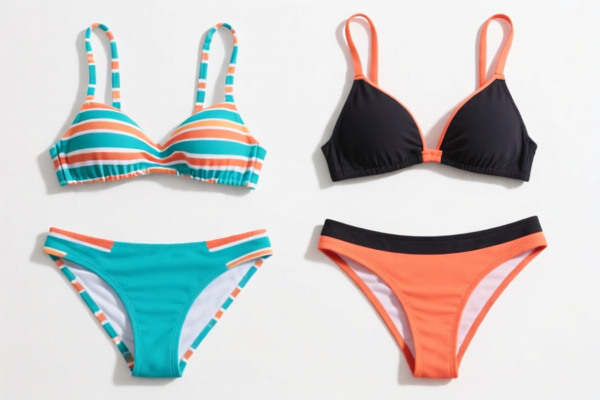
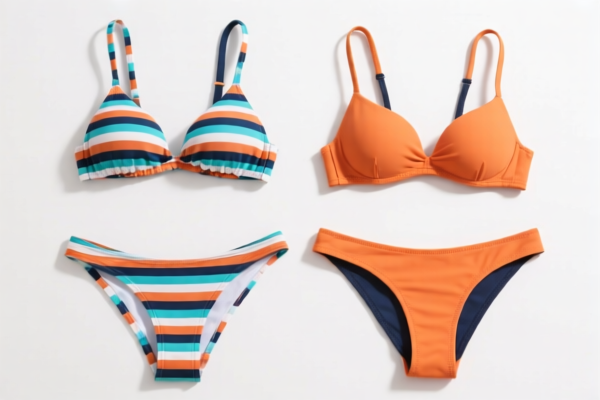
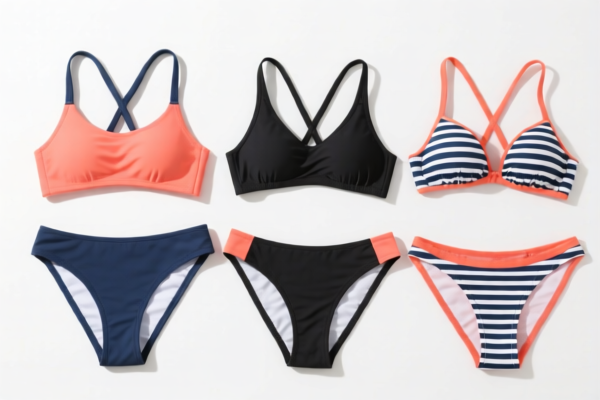
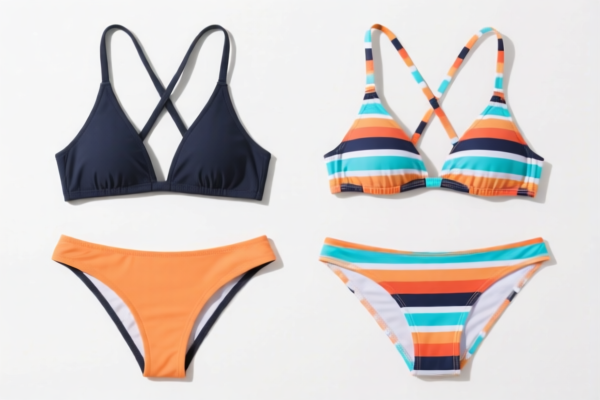
AI分析
👗 Women's Bodystocking (Full-Body Hosiery)
🌐 HS Code Reference & Customs Clearance Guide | 2026 Latest Tariff Analysis | Professional Entry Strategy
📌 I. Product Definition & Classification: What Exactly Is a "Bodystocking"?
A Women's Bodystocking is a one-piece, form-fitting garment that covers the torso and legs, similar to a leotard but made from sheer or opaque hosiery materials (typically nylon, spandex/elastane, or cotton blends). It is often used as lingerie, dancewear, or casual fashion undergarments.
In international trade, the key distinction lies in construction method: - Knitted/Knitted-like (Chapter 61): Made from knitted fabric (stretchy, looped structure). - Not Knitted/Weaves or Other Textiles (Chapter 62): Made from woven fabrics or non-knitted materials.
⚠️ Critical Distinction Point:
- If the main material is knitted (most common for stretch bodystockings) → Chapter 61. - If the main material is woven or classified as an "accessory" to other garments → Chapter 62.
📦 II. HS Code Classification Details (Based on Provided Data)
According to the provided <DATA>, the following HS Codes are matched for Women's Casual Socks/Bodystockings (Note: The data describes them as "casual socks" but maps to broader categories like "clothing accessories" and "knitted accessories," which is a common classification strategy for sheer hosiery products when specific "bodystocking" codes are ambiguous or when classified under "other made-up articles").
| HS Code | Product Description | Material Inference | Total Tax Rate |
|---|---|---|---|
6115.95.90.00 |
Women's casual socks/hosiery, matching form and use. | Cotton or Blended Fibers | 31.0% |
6217.10.95.10 |
Women's casual socks/hosiery, matching garment accessories/sock category. | Cotton/Fiber Class | 32.1% |
6217.10.95.30 |
Women's casual socks/hosiery, matching clothing accessories. | Artificial Fiber or Cotton/Wool | 32.1% |
6217.10.95.50 |
Women's casual socks/hosiery, matching other garment accessories. | Cotton, Polyester, or Wool | 32.1% |
6117.80.95.10 |
Women's casual socks/hosiery, matching knitted/crocheted clothing accessories. | Cotton, Polyester, or Artificial Fiber | 32.1% |
🔍 Key Insight:
- The first code (6115.95.90.00) falls under Knitted Hosiery (Leggings/Stockings) and has a lower total tax rate (31.0%). - The remaining codes fall under Other Made-Up Clothing Accessories (Chapter 62) and carry a higher total tax rate (32.1%). - Classification depends heavily on whether the item is deemed "hosiery" (knitted legs/torso) or a "garment accessory" (often used for sheer, non-knitted, or composite items).
💰 III. 2026 Latest Tariff Rate Breakdown (Including Additional Taxes)
✅ Applicable Country: United States (US)
✅ Origin: China (CN)
✅ Effective Time: Current rates as per provided data
🎯 1. 6115.95.90.00 — Knitted Hosiery (Best Rate)
| Item | Detail |
|---|---|
| Base Tariff | 13.5% |
| Additional Tariff (Section 301) | +7.5% |
| Section 122 Tariff | +10% |
| Total Tariff Rate | 31.0% |
| Tax Calculation | CIF Value × 31.0% |
| De Minimis Exemption | ❌ Not Applicable (High tariff prevents $800 exemption eligibility in many cases) |
| Legal Basis Path | Base: 6115.95.90.00 → Add-On: Section 301 → Add-On: Section 122 |
📌 Explanation:
- This is the most favorable rate among the provided options. - "Section 122 Tariff" refers to specific US trade actions against certain textile categories from China. - Even with this lower rate, the total 31% is significant and must be factored into pricing.
🎯 2. 6217.10.95.10 / .30 / .50 & 6117.80.95.10 — Garment Accessories / Other Textile Products
| Item | Detail |
|---|---|
| Base Tariff | 14.6% |
| Additional Tariff (Section 301) | +7.5% |
| Section 122 Tariff | +10% |
| Total Tariff Rate | 32.1% |
| Tax Calculation | CIF Value × 32.1% |
| De Minimis Exemption | ❌ Not Applicable |
| Legal Basis Path | Base: 6217.10 or 6117.80 → Add-On: Section 301 → Add-On: Section 122 |
📌 Explanation:
- These codes are classified under "Made-up Clothing Accessories" or "Other Knitted/Crocheted Articles". - The base tariff is higher (14.6% vs 13.5%), leading to a 32.1% total. - Risk: If customs determines the product is a "bodystocking" (hosiery) rather than an "accessory," misclassification can lead to audits, penalties, and back taxes.
🛠️ IV. Customs Clearance Practical Advice (Real-World Pitfall Guide)
✅ 1. Preparation Checklist (Mandatory Documents)
| Document | Required | Notes |
|---|---|---|
| ✅ Product Composition Statement | ✔️ | Must specify % of Cotton, Polyester, Nylon, Spandex. Critical for Chapter 61 vs 62 distinction. |
| ✅ Technical Data Sheet | ✔️ | Describe knitting method (knitted vs woven), elasticity, and structure. |
| ✅ Product Photos | ✔️ | Clear images showing the full-body coverage, neckline, and material texture. |
| ✅ Commercial Invoice | ✔️ | Must clearly state "Women's Knitted Bodystocking" or "Full-Body Hosiery." Avoid vague terms like "Clothing." |
| ✅ Packing List | ✔️ | Include item dimensions and weight. |
| ✅ Country of Origin Certificate | ✔️ | Essential for applying Section 301 and 122 tariffs correctly. |
✅ 2. Classification Strategy (Key Tips)
🔥 Golden Rule:
"Knitted Hosiery = 6115.95.90.00 (31.0%)
Accessory/Others = 6217/6117 (32.1%)"
| Scenario | Recommended HS Code | Why? |
|---|---|---|
| Stretchy, Knitted Fabric (Most common) | 6115.95.90.00 |
It is technically "hosiery" or "leggings" extended to the torso. Lower tax rate. |
| Woven Fabric or Lace-Dominant | 6217.10.95.10 etc. |
If not knitted, it may be classified as an accessory. Higher tax rate. |
| Sheer Hosiery Material | 6115.95.90.00 |
Even if sheer, if knitted, it stays in Chapter 61. |
| Bodystocking with Non-Textile Parts (e.g., plastic hooks) | 6115.95.90.00 or 6217 |
Depends on the essential character. Usually, textile dominates. |
✅ 3. Special Cases & Mitigation
| Situation | Advice |
|---|---|
| Misclassification Risk | If you declare as 6115.95.90.00 but customs sees it as an "accessory," you may face a 1.1% difference in duty + potential penalties. |
| De Minimis ($800) Loophole? | ❌ Do NOT rely on de minimis. With 31-32% tariffs, the value is likely above thresholds, and textile products are heavily scrutinized. |
| Section 122 Tariff | This is a specific Chinese-origin tariff. Ensure your COO (Country of Origin) is correctly marked as China. If made in Vietnam/Mexico, these additional taxes may not apply (check USITC rulings). |
| Material Declaration | Be precise. "Cotton Blend" is not enough. Specify "60% Nylon, 40% Spandex." |
🌍 V. Global Market Comparison (2026)
| Country | Recommended HS Code | Base Tariff | Additional Taxes | Total | Notes |
|---|---|---|---|---|---|
| 🇺🇸 USA | 6115.95.90.00 |
13.5% | +7.5% (301) +10% (122) | 31.0% | High risk, high cost. |
| 🇺🇸 USA | 6217.10.95.10 |
14.6% | +7.5% (301) +10% (122) | 32.1% | Alternative classification. |
| 🇨🇳 China | 6115.95.90.00 |
~10-15% | None | ~15% | Lower import duty if exporting to China. |
| 🇪🇺 EU | 6115.95.90.00 |
~12% | None | ~12% | No Section 301/122 tariffs. |
| 🇬🇧 UK | 6115.95.90.00 |
~12% | None | ~12% | Post-Brexit tariff structure. |
📌 Conclusion:
- The US market is the most expensive due to the 31-32% total tariff. - No free trade agreement (FTA) benefits currently offset this for Chinese-origin bodystockings. - Diversify supply chain (e.g., produce in Southeast Asia) to potentially avoid Section 301 and 122 tariffs.
📌 VI. Common Errors & Pitfalls (Learn from Mistakes)
❌ Error 1: Declaring as "Pyjamas" or "Nightgown" (6108)
👉 Consequence: If the product is clearly a bodystocking (hosiery material), customs will reclassify it to 6115.95.90.00 and impose the 31% tariff. Penalties apply.
❌ Error 2: Using "Lingerie" as the HS Code descriptor
👉 Consequence: "Lingerie" is not an HS Code. Customs will look at material and construction. Delay in clearance.
❌ Error 3: Ignoring Section 122 Tariff
👉 Consequence: Underpaying by 10%. Audits and back taxes with interest.
❌ Error 4: Claiming De Minimis for shipments >$800
👉 Consequence: Seizure of goods. Complete loss of inventory.
✅ Correct Declaration Example:
"Women's Knitted Bodystocking, 100% Nylon/Spandex, Hosiery Type, Model: BS-2026, Origin: China"
🎯 VII. Conclusion: Professional Clearance, Cost Optimization!
🎯 Key Takeaway:
🔹 "Bodystocking = Hosiery (6115.95.90.00) for 31% Tax"
🔹 "Accessory Classification = 32.1% Tax (Avoid if possible)"
🔹 "US Market = High Tariffs (31-32%) due to Section 301 & 122"
📌 Action Plan:
1. Confirm Material: Ensure it is knitted to support 6115.95.90.00.
2. Check Origin: If not China, tariffs may drop significantly.
3. Pre-Audit: Use an HS Code Advance Ruling from US CBP to lock in the 31% rate and avoid disputes.
4. Supply Chain: Consider Vietnam/Mexico production to escape Section 301/122 tariffs (verify with current USITC lists).
📣 Final Tip:
"Textiles are high-risk for customs. Precision in material and construction description is your best defense against penalties."
✨ Professional Clearance Starts with Accurate Classification!
💼 Every 1% of tariff saved is pure profit gained!
用户评价
关于 HS 编码归类
协调制度(HS)是由世界海关组织(WCO)制定的国际贸易商品分类标准。全球 200 多个国家采用 HS 系统作为海关关税、贸易统计和进出口监管的基础。
每个 HS 编码遵循以下层级结构:
- 章(2 位)——商品大类(例如:第 84 章:机器和机械设备)
- 品目(4 位)——章内的更具体分类
- 子目(6 位)——国际通用细分,所有 WCO 成员国统一使用
- 本国细分(8-10 位)——各国自行扩展的细分编码,如美国 HTSUS 10 位编码
正确的 HS 编码归类对于顺利通关、准确缴纳关税和遵守贸易法规至关重要。错误归类可能导致海关延误、多缴关税或罚款。
从CN进口到US时,适用的关税税率可能包括:
- 最惠国(MFN)税率——适用于 WTO 成员国的标准关税税率
- 普通税率——适用于无贸易协定国家
- 贸易救济关税——附加关税,如 301 条款(反倾销)、232 条款(国家安全)或反补贴税
本页内容仅供参考。如需正式归类,请咨询当地海关或持牌报关代理。