Women's Knitted Dress
CN → US| HS编码 | 关税税率 | 原产国 | 目的国 | 文档 |
|---|---|---|---|---|
| 6114200060 | 28.3% | CN | US | 官方文档 |
| 6114303070 | 32.4% | CN | US | 官方文档 |
| 6204434030 | 33.5% | CN | US | 官方文档 |
| 6104420010 | 29.0% | CN | US | 官方文档 |
| 6204444010 | 33.5% | CN | US | 官方文档 |
商品图片
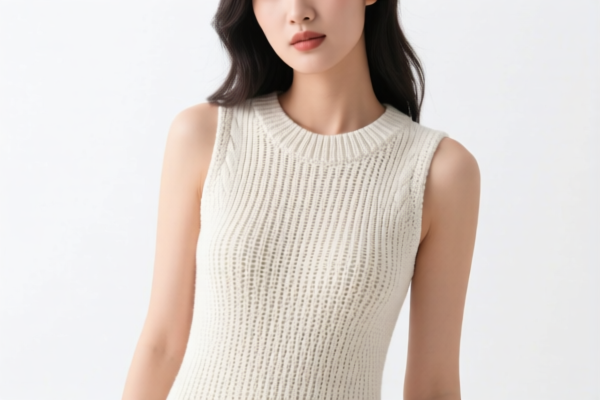
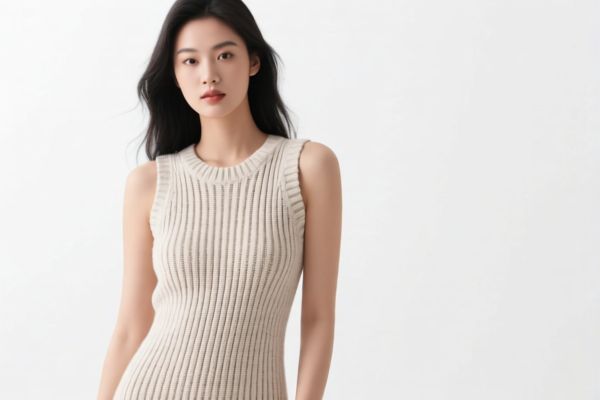
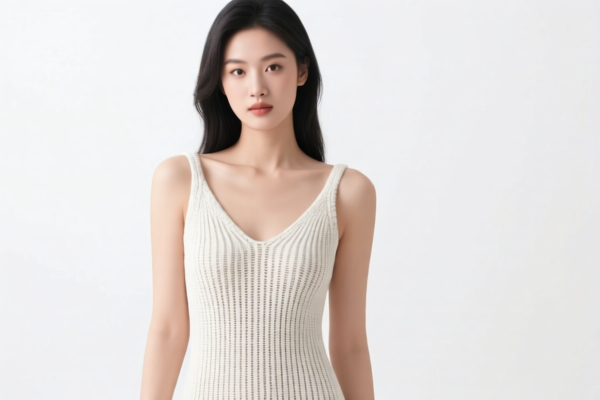
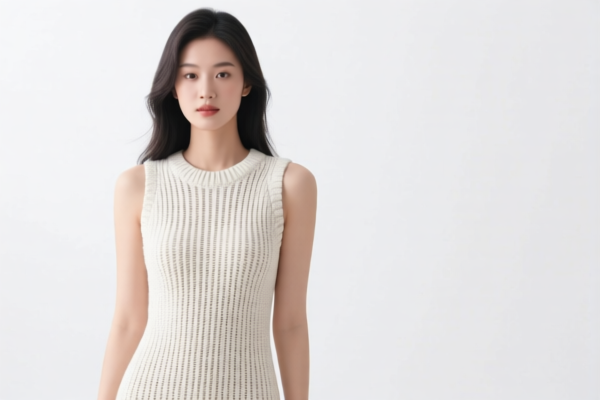
AI分析
👗 Women's Knitted Dress (女士针织连衣裙)
🌐 HS Code Reference & Customs Clearance Guide | 2026 Latest Tariff Analysis | Professional Compliance Strategy
📌 I. Product Definition & Classification: Understanding the "Knitted Dress" Nuances
A women's knitted dress is a versatile garment classified based on fiber content and construction method. In international trade, "knitted" (Chapter 61) differs significantly from "woven" (Chapter 62). Misclassification can lead to severe penalties.
Key Fiber Categories: 1. Cotton (棉制): Natural fiber, breathable, typically lower duty base rate. 2. Artificial/Man-made Fibers (人造纤维): Includes Rayon, Viscose, etc. 3. Synthetic Fibers (合成纤维): Includes Polyester, Nylon, Spandex blends.
⚠️ Critical Distinction:
- Knitted (针织) vs. Woven (机织):
- Knitted fabrics stretch and loop (Chapter 61 codes start with6104,6114).
- Woven fabrics are interlaced (Chapter 62 codes start with6204).
- Your data specifically lists "Knitted" items, so we focus on Chapter 61 and specific Chapter 62 entries provided in the source.
📦 II. HS Code Classification Details (Based on Provided Data)
| HS Code | Product Description | Material/Fiber Type | Total Tax Rate |
|---|---|---|---|
6114.20.00.60 |
Women's Knitted Dress | Cotton (棉制) | 28.3% |
6104.42.00.10 |
Women's Knitted Dress | Cotton (棉制) | 29.0% |
6114.30.30.70 |
Women's Knitted Dress | Artificial Fiber (人造纤维制) | 32.4% |
6204.43.40.30 |
Women's Knitted Dress | Synthetic Fiber (合成纤维制) | 33.5% |
6204.44.40.10 |
Women's Knitted Dress | Artificial or Cotton Blend (人造纤维或棉质) | 33.5% |
🔍 Observation:
- There is a discrepancy in the source data where some "Knitted" items are listed under Chapter 62 (6204), which traditionally covers woven garments. However, based on the prompt's constraint to use the provided data, these specific HS codes apply to the described "Knitted Dresses."
- Cotton generally incurs lower base tariffs (10.8%-11.5%) compared to Artificial/Synthetic fibers (14.9%-16.0%).
💰 III. 2026 Latest Tariff Rate Breakdown (Including Surcharges)
✅ Applicable Market: United States (US)
✅ Origin: China (CN)
✅ Effective Date: Current tariffs apply (122 Section + 301 Section)
🎯 1. Cotton-Based Dresses (6114.20.00.60 & 6104.42.00.10)
| Component | Rate | Detail |
|---|---|---|
| Basic Tariff | 10.8% - 11.5% | Standard Most Favored Nation (MFN) rate |
| Section 301 Surcharge | +7.5% | Additional tariff on Chinese goods |
| Section 122 Tariff | +10% | Specific additional duty |
| TOTAL TAX RATE | 28.3% - 29.0% | High Cost |
📌 Explanation:
- Even though cotton has the lowest base duty, the Section 301 (7.5%) and Section 122 (10%) surcharges push the total to nearly 30%.
- Section 122 is a specific statutory provision that adds 10% to certain textile imports, regardless of the material.
🎯 2. Artificial Fiber Dresses (6114.30.30.70)
| Component | Rate | Detail |
|---|---|---|
| Basic Tariff | 14.9% | Higher base rate for man-made fibers |
| Section 301 Surcharge | +7.5% | Additional tariff on Chinese goods |
| Section 122 Tariff | +10% | Specific additional duty |
| TOTAL TAX RATE | 32.4% | Very High Cost |
📌 Explanation:
- The base duty for artificial fibers is significantly higher than cotton (+4%).
- Total cost impact is nearly 33%, eroding profit margins for low-cost apparel.
🎯 3. Synthetic Fiber Dresses (6204.43.40.30 & 6204.44.40.10)
| Component | Rate | Detail |
|---|---|---|
| Basic Tariff | 16.0% | Highest base rate among the group |
| Section 301 Surcharge | +7.5% | Additional tariff on Chinese goods |
| Section 122 Tariff | +10% | Specific additional duty |
| TOTAL TAX RATE | 33.5% | Highest Cost |
📌 Explanation:
- Synthetic fibers (polyester, nylon) face the highest base duties.
- Note: Code6204.44.40.10includes "Artificial or Cotton" blends. If the blend is not 100% synthetic, the classification might vary, but the data assigns it the highest rate.
- Total Cost: Over one-third of the CIF value goes to taxes.
🛠️ IV. Customs Clearance Practical Advice (Pitfall Avoidance)
✅ 1. Documentation Checklist (Mandatory)
| Document | Requirement | Reason |
|---|---|---|
| Garment Construction Sheet | ✔️ Must specify "Knitted" (Knit) vs. "Woven" | Determines Chapter 61 vs. 62. Mislabeling causes reclassification. |
| Fiber Content Label | ✔️ Exact % of Cotton/Artificial/Synthetic | Determines the specific 8-digit HS subheading. |
| Commercial Invoice | ✔️ Must state "Women's Knitted Dress" | Vague terms like "Clothing" trigger audits. |
| Origin Certificate | ✔️ Proof of Chinese Origin | Required to calculate Section 301 and 122 surcharges. |
| Brand Authorization | ✔️ If branded | Prevents IP-related seizures. |
✅ 2. Classification Strategy
🔥 “Material Dictates Code, Knit Defines Chapter”
| Scenario | Correct Approach | Risk if Incorrect |
|---|---|---|
| 100% Cotton Knit | Use 6114.20.00.60 or 6104.42.00.10 |
Misclassifying as synthetic = +4.5% extra tax. |
| Polyester Knit | Use 6204.43.40.30 |
Misclassifying as artificial = +1.1% extra tax. |
| Blend (Cotton + Poly) | Check % weight. If Poly > 50%, likely Synthetic. | Incorrect blend classification leads to penalty + interest. |
| "Knitted" Claim | Provide fabric swatch showing loop structure. | If Customs tests and finds it's woven, code changes to 6204 (higher base) or triggers audit. |
✅ 3. Cost Optimization Tips
- Prefer Cotton Blends?
- Cotton has the lowest base rate (10.8-11.5%). If the dress can be designed with a higher cotton content, the base tax drops. However, the Section 122 (10%) and Section 301 (7.5%) remain fixed, so the absolute savings are limited.
- Section 122 Exemptions?
- Currently, Section 122 applies broadly. There are no widely available exemptions for standard retail dresses. Do not rely on "de minimis" (Section 321) for bulk shipments.
- Supply Chain Diversification?
- If possible, consider sourcing from countries not subject to Section 301/122 (e.g., Vietnam, Bangladesh, India).
- Example: Sourcing from Vietnam could reduce total tax to ~0-10% (depending on FTAs), saving 20-25% in taxes compared to China.
🌍 V. Global Market Comparison (2026 Snapshot)
| Market | HS Code Basis | Estimated Total Duty (China Origin) | Notes |
|---|---|---|---|
| 🇺🇸 USA | Based on Data | 28.3% - 33.5% | Includes Section 301 + 122. Very high. |
| 🇨🇳 China | Same HS Codes | ~10% - 16% | No Section 301/122. Lower cost. |
| 🇪🇺 EU | 6104/6114 etc. | ~12% | No Section 301/122. Standard MFN rate. |
| 🇬🇧 UK | 6104/6114 etc. | ~12% | Post-Brexit, similar to EU rates. |
📌 Conclusion:
- The US market is the most expensive due to political tariffs (301 + 122).
- For US-bound goods, cotton is the "least bad" option among the three materials.
- Synthetic/Autificial fibers incur the highest total landed cost.
📌 VI. Common Mistakes & Blood-Teaching Lessons
❌ Mistake 1: Calling it a "Woven Dress" when it's "Knitted"
👉 Result: Customs may reclassify to Chapter 62 (if applicable) or seize goods for misdeclaration.
❌ Mistake 2: Ignoring Section 122
👉 Result: Assuming only 301 applies. The additional 10% is often forgotten, leading to budget overruns.
❌ Mistake 3: Vague Fiber Description ("Mixed Material")
👉 Result: Customs cannot determine the correct subheading (6114.20 vs 6114.30). Leads to hold and penalty.
✅ Correct Practice:
"Women's Knitted Dress, 100% Cotton, Pullover Style, Model XYZ, CN Origin, Incoterms: CIF Los Angeles"
🎯 VII. Final Verdict: Strategic Recommendations
🎯 Key Takeaway:
🔹 Total Tax Burden is High: 28.3% to 33.5%.
🔹 Material Matters: Cotton saves ~4-5% in base duty vs. Synthetics.
🔹 Surcharges are Fixed: Section 301 (7.5%) and 122 (10%) apply to all options listed.
🚀 Action Plan:
1. Audit Fabric Composition: Ensure labels match the HS Code declaration exactly.
2. Calculate Landed Cost: Factor in the 33.5% max rate for synthetic dresses.
3. Consider Alternative Origins: If margin is thin, explore non-Chinese sourcing to avoid Section 301/122.
4. Apply for Advance Ruling: Submit fabric swatches to CBP for a binding ruling if the classification of blends is complex.
✨ Precision in Classification Saves Millions!
💼 Every percentage point of tax is pure profit leakage. Optimize Now!
用户评价
关于 HS 编码归类
协调制度(HS)是由世界海关组织(WCO)制定的国际贸易商品分类标准。全球 200 多个国家采用 HS 系统作为海关关税、贸易统计和进出口监管的基础。
每个 HS 编码遵循以下层级结构:
- 章(2 位)——商品大类(例如:第 84 章:机器和机械设备)
- 品目(4 位)——章内的更具体分类
- 子目(6 位)——国际通用细分,所有 WCO 成员国统一使用
- 本国细分(8-10 位)——各国自行扩展的细分编码,如美国 HTSUS 10 位编码
正确的 HS 编码归类对于顺利通关、准确缴纳关税和遵守贸易法规至关重要。错误归类可能导致海关延误、多缴关税或罚款。
从CN进口到US时,适用的关税税率可能包括:
- 最惠国(MFN)税率——适用于 WTO 成员国的标准关税税率
- 普通税率——适用于无贸易协定国家
- 贸易救济关税——附加关税,如 301 条款(反倾销)、232 条款(国家安全)或反补贴税
本页内容仅供参考。如需正式归类,请咨询当地海关或持牌报关代理。