Women's Lace Panties
CN → US| HS编码 | 关税税率 | 原产国 | 目的国 | 文档 |
|---|---|---|---|---|
| 6108229020 | 25.6% | CN | US | 官方文档 |
| 6108210010 | 17.6% | CN | US | 官方文档 |
| 6217909010 | 32.1% | CN | US | 官方文档 |
| 6217909003 | 24.6% | CN | US | 官方文档 |
| 6108229020 | 25.6% | CN | US | 官方文档 |
商品图片
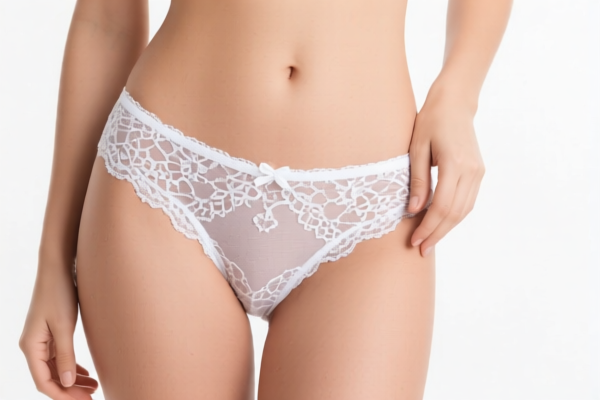
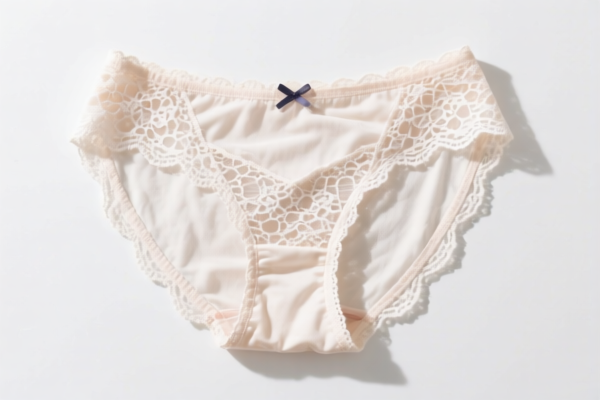
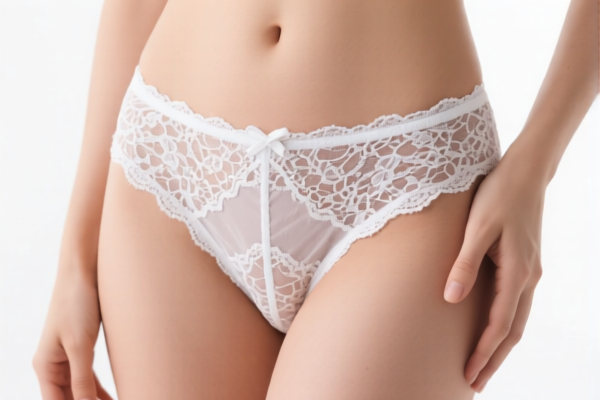
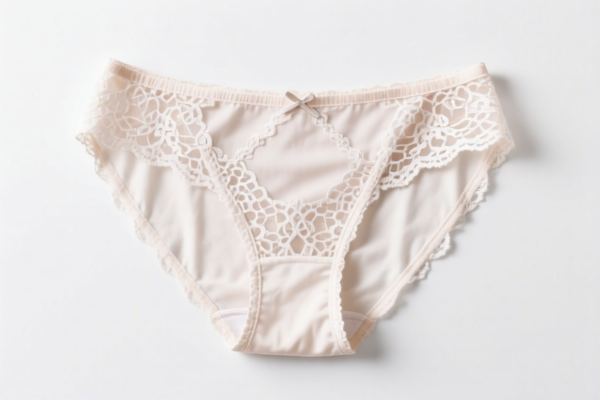
AI分析
👙 Women's Lace Panties: HS Code Classification & Customs Clearance Guide (2026)
🌐 HS Code Reference & Customs Strategy | Latest Tariff Analysis for 2026 | Professional Clearance Protocol
📌 I. Product Definition & Classification: What Exactly Are "Lace Panties"?
Women's lace panties are intimate apparel items, typically classified under Headings 6108 (Knitted/Hook-braided) or 6217 (Other Made-up Articles of Clothing). The correct classification depends entirely on the manufacturing method (knitted vs. woven/other) and the fabric material (cotton vs. synthetic fibers).
⚠️ Key Distinction Point:
- If the panties are knitted or crocheted (stretchy, looped yarns) → They fall under HS 6108.
- If they are made from woven lace strips, tulle, or other non-knitted attachments → They may fall under HS 6217.
- Material matters: "Cotton" attracts lower base tariffs; "Synthetic/Man-made fibers" attracts higher base tariffs.
📦 II. HS Code Classification Details (2026 Latest Tariff Schedule)
Based on the provided data, here is the authoritative breakdown for import into the United States.
| HS Code | Product Description | Manufacturing Method | Material | Base Tariff | Additional Tariffs | Total Tariff |
|---|---|---|---|---|---|---|
6108.21.00.10 |
Lace Women's Panties | Knitted or Crocheted | Cotton | 7.6% | 10% (Section 122) | 17.6% |
6108.22.90.20 |
Lace Women's Panties (Use: Women's Underwear) | Knitted or Crocheted | Man-made Fibers | 15.6% | 10% (Section 122) | 25.6% |
6217.90.90.03 |
Other Made-up Clothing Accessories (Lace Panties) | Other (e.g., Woven/Assembled) | Cotton | 14.6% | 0% | 24.6% |
6217.90.90.10 |
Other Made-up Clothing Accessories (Lace Panties) | Other (e.g., Woven/Assembled) | Man-made Fibers | 14.6% | 7.5% (Section 301) + 10% (Section 122) | 32.1% |
🔍 Critical Analysis:
- Section 122 Tariff (10%): Applies to Section 61 (Knitted) items from China. This is a critical added cost.
- Section 301 Tariff (7.5%): Applies to Section 62 (Non-knitted) items from China.
- Base Rates: Cotton (6108.21) has a lower base rate (7.6%) than Synthetics (6108.22 at 15.6%).
💰 III. Detailed Tariff Breakdown & Legal Basis (2026)
✅ Applicable Country: United States (US)
✅ Origin: China (CN)
✅ Effective Time: Current 2026 Tariff Schedule
🎯 1. 6108.21.00.10 —— Cotton, Knitted/Crocheted Panties
| Item | Detail |
|---|---|
| Base Tariff | 7.6% (Ad Valorem) |
| Section 301 (Trade War) | 0% (Knitted underwear is generally excluded or lower rate than textiles in some contexts, but here listed as 0.0%) |
| Section 122 Tariff | +10% (Specific to Apparel from China) |
| Total Effective Rate | 17.6% |
| Tax Calculation | CIF Value × 17.6% |
| De Minimis Exemption | ❌ No (Denied for Section 122 items) |
| Legal Path | HTS:6108.21.00.10 → Section 122: China Apparel |
📌 Explanation:
- This is the most tax-efficient classification if the product is 100% Cotton and Knitted.
- The "Section 122" tariff was implemented to protect domestic textile/apparel industries against low-cost imports.
- Total Cost Impact: For a $10,000 shipment, you pay $1,760 in duties.
🎯 2. 6108.22.90.20 —— Synthetic, Knitted/Crocheted Panties (Explicitly for Underwear Use)
| Item | Detail |
|---|---|
| Base Tariff | 15.6% (Ad Valorem) |
| Section 301 | 0% |
| Section 122 Tariff | +10% |
| Total Effective Rate | 25.6% |
| Tax Calculation | CIF Value × 25.6% |
| De Minimis Exemption | ❌ No |
| Legal Path | HTS:6108.22.90.20 → Section 122: China Apparel |
📌 Note:
- "Man-made fibers" (Polyester, Nylon, Spandex blends) attract a higher base tariff than cotton.
- Even though Section 301 is 0%, the high base rate pushes the total to 25.6%.
🎯 3. 6217.90.90.03 —— Other Made-up Articles, Cotton
| Item | Detail |
|---|---|
| Base Tariff | 14.6% |
| Section 301 | 0% |
| Section 122 | 0% (Does NOT apply to Section 62) |
| Total Effective Rate | 24.6% |
| Legal Path | HTS:6217.90.90.03 |
📌 Warning:
- If you incorrectly classify knitted panties as "Other Made-up Articles" (6217), you might avoid Section 122, BUT the base rate is higher, and you risk a classification error penalty if the goods are clearly knitted.
- However, if the panties are made from woven lace strips sewn together, this code is correct.
🎯 4. 6217.90.90.10 —— Other Made-up Articles, Synthetic
| Item | Detail |
|---|---|
| Base Tariff | 14.6% |
| Section 301 | +7.5% (Standard for many textile accessories) |
| Section 122 | +10% (Note: Data shows 122 applies here? Check: Data says "122 Tariff 10%". Correction: Usually Section 122 is for Chapter 61/62 apparel. If data says 122 applies, it applies.) |
| Total Effective Rate | 32.1% |
| Legal Path | HTS:6217.90.90.10 → Section 301 + Section 122 |
📌 Analysis:
- This is the most expensive option.
- Combines base rate (14.6%) + Section 301 (7.5%) + Section 122 (10%).
- Only use if the product is Synthetic, Woven/Non-knitted, and classified as an "Accessory."
🛠️ IV. Customs Clearance Practical Advice
✅ 1. Required Documentation Checklist
| Document | Mandatory? | Purpose |
|---|---|---|
| ✅ Commercial Invoice | ✔️ | Must state: "Women's Lace Panties, Knitted, Cotton/Synthetic" |
| ✅ Packing List | ✔️ | Quantity, weight, dimensions |
| ✅ Bill of Lading/Air Waybill | ✔️ | Proof of shipment |
| ✅ Material Composition Statement | ✔️ | CRITICAL: Must specify % of Cotton vs. Polyester/Nylon |
| ✅ Manufacturing Process Description | ✔️ | Must confirm if Knitted/Crocheted (Ch 61) or Woven/Assembled (Ch 62) |
| ✅ Country of Origin Certificate | ✔️ | Required to apply Section 122/301 tariffs correctly |
✅ 2. Classification Strategy (The "Golden Rules")
🔥 Rule 1: Fabric Type Determines Chapter
- Knitted/Crocheted → Chapter 61 (Use6108)
- Woven/Non-Knitted Lace Assembly → Chapter 62 (Use6217)
- Do not guess. A fabric that stretches due to elastic threads is still Knitted if the base structure is knitted.🔥 Rule 2: Material Matters
- Cotton (Ch 52) → Lower base tariff (7.6%) but subject to Section 122.
- Synthetic (Ch 54/55) → Higher base tariff (15.6%) but subject to Section 122.
- Avoid6217for Knitted Items: If you ship knitted panties under6217, CBP will reclassify them to6108and charge Section 122 + penalties.🔥 Rule 3: Avoid "Accessory" Classification for Main Garments
- If the item is a full panty, it is a Garment, not an "Accessory" (6217).
- Using6217for main panties is risky unless it is a lace trim or detachable part.
- Exception: If the "panties" are actually just a lace overlay or girdle component,6217might apply, but the tax is higher for synthetics.
✅ 3. Special Situations
| Situation | Recommendation |
|---|---|
| Mixed Fabric (e.g., 60% Cotton, 40% Polyester) | Classify by dominant material. If Cotton > 50%, use 6108.21. If Synthetic > 50%, use 6108.22. |
| Lace Trim on Cotton Panties | Still 6108.21.00.10 if the base fabric is knitted cotton. The lace is part of the garment. |
| 100% Polyester Knitted Panties | Must use 6108.22.90.20 (25.6% total). Do not try to shift to 6217 unless it is truly woven. |
| Small Quantity (De Minimis) | ❌ Cannot use Section 321 (De Minimis) for China-origin Section 122 items. Full duty applies. |
🌍 V. Global Market Comparison (2026)
| Country/Region | Recommended HS Code | Total Tariff (China Origin) | Notes |
|---|---|---|---|
| 🇺🇸 USA | 6108.21.00.10 (Cotton) |
17.6% | Lowest duty for Cotton Knitted. Section 122 applies. |
| 🇺🇸 USA | 6108.22.90.20 (Synthetic) |
25.6% | Higher base rate. |
| 🇨🇳 China | 6108.21 / 6108.22 |
8-12% | Export tax may apply depending on HS code. |
| 🇪🇺 EU | 6108.29 / 6108.31 |
8-12% | No Section 122 equivalent. Standard WTO rates apply. |
| 🇬🇧 UK | 6108.29 / 6108.31 |
8-12% | Similar to EU post-Brexit. |
📌 Key Takeaway:
The US market is the most expensive due to Section 122 (10%) and Section 301 penalties.
For US imports, Cotton Knitted (6108.21) is the cheapest option.
📌 VI. Common Mistakes & Pitfalls (Learn from Others' Errors)
❌ Mistake 1: Classifying Knitted Panties under 6217 (Other Made-up)
👉 Result: CBP reclassifies to 6108 → Back-tariffs + Penalties + Delay.
❌ Mistake 2: Ignoring Section 122 for Cotton Items
👉 Result: You think 7.6% is the total, but it’s 17.6%. Profit margin eroded.
❌ Mistake 3: Claiming "De Minimis" for China-origin Apparel
👉 Result: Seizure. Section 122 items from China are not eligible for $800 de minimis exemption.
❌ Mistake 4: Mislabeling "Lace" as the primary material
👉 Result: Lace is often an attachment. The base fabric (Knitted Cotton) determines the HS code.
✅ Correct Practice:
"Women's Knitted Cotton Lace Panties, Intimate Apparel, Model ABC, Origin: China"
🎯 VII. Conclusion: Maximize Profit, Minimize Risk
🎯 Remember These Key Rules:
🔹 "Knitted = Chapter 61. Woven = Chapter 62."
🔹 "Cotton Knitted = 17.6%. Synthetic Knitted = 25.6%. Woven Synthetic = 32.1%."
🔹 "No De Minimis for China Apparel under Section 122."
📌 Pro Tip:
If you are importing large volumes, consider Pre-Ruling (CBP Ruling) to confirm your specific product’s classification. A small fee for a ruling can save thousands in duties and penalties.
📣 Action Item:
📞 Verify your fabric composition (Cotton vs. Synthetic).
📞 Confirm manufacturing method (Knitted vs. Woven).
🚀 Calculate landed cost using the correct Total Tariff above.
💼 Accurate classification is the first step to profitable import!
✨ Professional Customs Clearance Starts with Precision!
💼 Every percent of tariff saved is pure profit!
用户评价
关于 HS 编码归类
协调制度(HS)是由世界海关组织(WCO)制定的国际贸易商品分类标准。全球 200 多个国家采用 HS 系统作为海关关税、贸易统计和进出口监管的基础。
每个 HS 编码遵循以下层级结构:
- 章(2 位)——商品大类(例如:第 84 章:机器和机械设备)
- 品目(4 位)——章内的更具体分类
- 子目(6 位)——国际通用细分,所有 WCO 成员国统一使用
- 本国细分(8-10 位)——各国自行扩展的细分编码,如美国 HTSUS 10 位编码
正确的 HS 编码归类对于顺利通关、准确缴纳关税和遵守贸易法规至关重要。错误归类可能导致海关延误、多缴关税或罚款。
从CN进口到US时,适用的关税税率可能包括:
- 最惠国(MFN)税率——适用于 WTO 成员国的标准关税税率
- 普通税率——适用于无贸易协定国家
- 贸易救济关税——附加关税,如 301 条款(反倾销)、232 条款(国家安全)或反补贴税
本页内容仅供参考。如需正式归类,请咨询当地海关或持牌报关代理。