Women's Tops
CN → US| HS编码 | 关税税率 | 原产国 | 目的国 | 文档 |
|---|---|---|---|---|
| 6212109020 | 34.4% | CN | US | 官方文档 |
| 6204628018 | 34.1% | CN | US | 官方文档 |
| 6104499060 | 23.1% | CN | US | 官方文档 |
| 6204434030 | 33.5% | CN | US | 官方文档 |
| 6104198090 | 23.1% | CN | US | 官方文档 |
商品图片
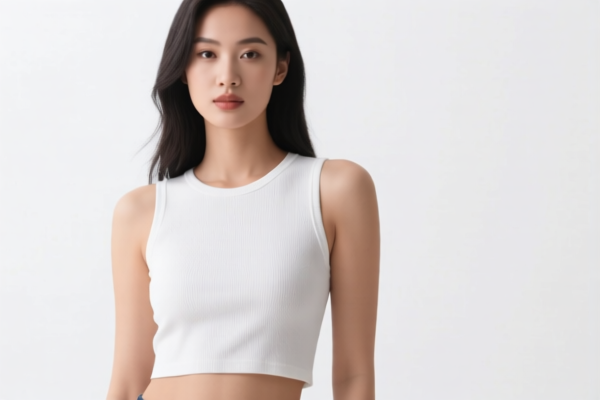
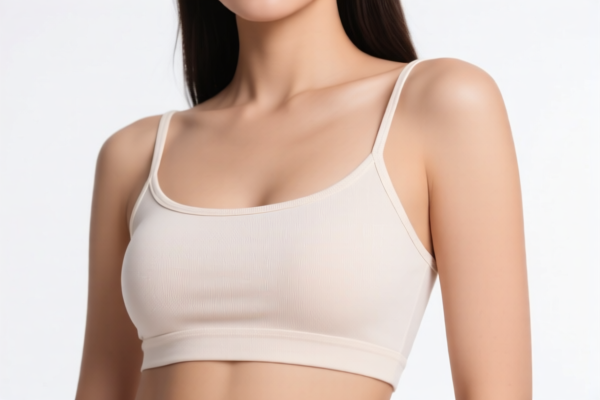
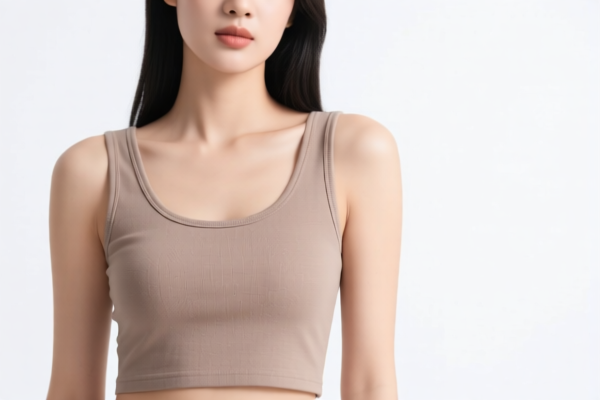
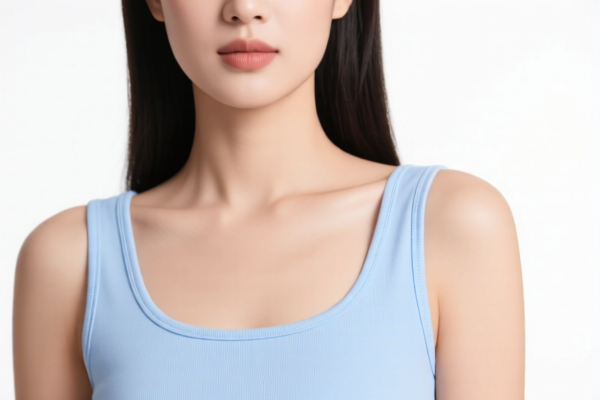
AI分析
👚 Women's Tops (Female Garments)
🌐 HS Code Reference & Customs Clearance Guide | 2026 Latest Tariff Analysis | Professional Entry Strategy
📌 1. Product Definition & Classification: Do You Truly Understand "Women's Tops"?
Women's tops encompass a broad category of garments worn on the upper body. In international trade, classification is not just about "what it looks like," but strictly based on material composition, knitting vs. weaving, and specific garment type. Misclassification here is the #1 cause of customs delays and heavy penalties.
⚠️ Critical Distinction Points:
- Knitted vs. Woven:
-61xxxx= Knitted or Crocheted (stretchy, loops).
-62xxxx= Woven (non-stretchy, threads intersect at right angles).
- Material Matters:
- Cotton, Synthetic Fibers (Polyester/Nylon), Other Textiles (Silk, Wool, etc.) each have distinct HS codes.
- Undergarments vs. Outerwear: Bras, camisoles, and slips fall under Chapter 61/62 subheadings for undergarments, while shirts/blouses are outerwear.
📦 2. HS Code Classification Details (2026 Latest Tariff Authority Match)
Based on the provided data, here are the five most likely HS Codes for Women's Tops, categorized by their specific characteristics:
| HS Code | Product Description | Material/Type Inference | Key Identifier |
|---|---|---|---|
6212.10.90.20 |
Women's Brassieres & Similar Supports | Likely Synthetic Fiber | Undergarment/Support – Classified with bras; high tax due to specific category rules. |
6204.62.80.18 |
Women’s Trousers/Breeches (Fallback) | Likely Cotton | Fallback Category – If specific top isn't found, this "other women's garments" code is used for cotton items. |
6104.49.90.60 |
Women’s Dresses & Suits (Other Materials) | Non-Cotton, Non-Wool, Non-Synthetic | Unique Material – For tops made from other textile materials (e.g., silk blend, linen) not listed elsewhere. |
6204.43.40.30 |
Women’s Dresses & Suits (Other) | Reasonable Material Inference | General Outerwear – Broad category for woven women's garments not specified elsewhere. |
6104.19.80.90 |
Women’s Suits, Ensembles, Jackets, Blazers | Other Textile Materials | Knitted Outerwear – For knitted tops/jackets made of other textile materials. |
🔍 Key Takeaway:
-6212.10is a trap! It is NOT a general shirt code. It is for bras/support garments. If you ship regular blouses here, you risk misclassification.
-61vs62: Check your fabric tag. If it’s knit (t-shirt material), use61. If it’s woven (button-down shirt), use62.
- "Other" Codes (49,19): These are fallbacks for materials like silk, linen, or blends that don’t fit standard cotton/synthetic buckets.
💰 3. 2026 Latest Tariff Rate Breakdown (Including Surcharges & Policy Add-ons)
✅ Applicable Country: United States (US)
✅ Origin: China (CN)
✅ Effective Date: 2025/2026 (Current Policy)
🎯 1. 6212.10.90.20 — Women's Bras/Support Garments (High Risk)
| Item | Details |
|---|---|
| Base Tariff | 16.9% |
| Section 301 Surcharge | +7.5% |
| Section 122 Tariff | +10% |
| Total Effective Rate | 34.4% |
| Calculation | CIF Value × 34.4% |
| Legal Path | Base: 16.9% → Surcharge: 7.5% → Section 122: 10% |
📌 Interpretation:
- This category carries the highest base tariff (16.9%) among the options.
- Crucial: Only use this if the item is truly a bra, bustier, or supportive undergarment. Using it for regular shirts will result in customs rejection because the product description won't match the HS definition.
🎯 2. 6204.62.80.18 — Fallback Woven Garment (Cotton)
| Item | Details |
|---|---|
| Base Tariff | 16.6% |
| Section 301 Surcharge | +7.5% |
| Section 122 Tariff | +10% |
| Total Effective Rate | 34.1% |
| Calculation | CIF Value × 34.1% |
| Legal Path | Base: 16.6% → Surcharge: 7.5% → Section 122: 10% |
📌 Interpretation:
- This is a high-cost fallback. If your top is cotton and woven, but doesn't fit a specific "blouse" code, this might be used.
- Risk: Customs officers may question why a general "top" is declared under a code meant for "trousers/breeches" or general garments. Ensure your product description aligns.
🎯 3. 6104.49.90.60 — Knitted Top (Other Materials)
| Item | Details |
|---|---|
| Base Tariff | 5.6% |
| Section 301 Surcharge | +7.5% |
| Section 122 Tariff | +10% |
| Total Effective Rate | 23.1% |
| Calculation | CIF Value × 23.1% |
| Legal Path | Base: 5.6% → Surcharge: 7.5% → Section 122: 10% |
📌 Interpretation:
- Best Rate! If your top is knitted and made of non-cotton, non-synthetic fibers (e.g., silk, linen, wool, or specific blends), this offers the lowest total tax.
- Verification: Confirm fabric content. If it contains >85% synthetic fiber, this code may be rejected.
🎯 4. 6204.43.40.30 — Woven Top (General Fallback)
| Item | Details |
|---|---|
| Base Tariff | 16.0% |
| Section 301 Surcharge | +7.5% |
| > Section 122 Tariff | +10% |
| Total Effective Rate | 33.5% |
| Calculation | CIF Value × 33.5% |
| Legal Path | Base: 16.0% → Surcharge: 7.5% → Section 122: 10% |
📌 Interpretation:
- Moderate-high cost. Used for woven garments that don't fit more specific subheadings.
- Tip: If possible, refine your classification to a more specific code (e.g., specific blouse code) to potentially lower the base tariff.
🎯 5. 6104.19.80.90 — Knitted Top (Other Textile Materials)
| Item | Details |
|---|---|
| Base Tariff | 5.6% |
| Section 301 Surcharge | +7.5% |
| Section 122 Tariff | +10% |
| Total Effective Rate | 23.1% |
| Calculation | CIF Value × 23.1% |
| Legal Path | Base: 5.6% → Surcharge: 7.5% → Section 122: 10% |
📌 Interpretation:
- Same low rate as #3. Ideal for knitted outerwear (jackets, cardigans, knit tops) made from materials like silk, linen, or other natural fibers.
- Verification: Must be knitted. Do not use for woven shirts.
🛠️ 4. Customs Clearance Practical Advice (Battle-Tested Pitfall Guide)
✅ 1. Documentation Checklist (Non-Negotiable)
| Document | Required | Purpose |
|---|---|---|
| ✅ Product Spec Sheet | ✔️ | Must list: Fiber Content (% Cotton, % Polyester, etc.), Knitted/Woven status. |
| ✅ Fabric Swatch/Label | ✔️ | Proof of material. Customs may request physical sample. |
| ✅ Product Photos | ✔️ | Front, back, label, and close-up of fabric weave/knit. |
| ✅ Commercial Invoice | ✔️ | Must match HS Code. Description must be precise (e.g., "Women's Knit Cotton T-Shirt"). |
| ✅ Packing List | ✔️ | Weight and dimensions per carton. |
✅ 2. Declaration Strategy (Key Mantra)
🔥 "Material First, Structure Second, Be Precise!"
| Scenario | Correct Declaration | Wrong Practice |
|---|---|---|
| Silk Blouse (Woven) | 6204.43.40.30 (or specific silk code) |
Calling it "Synthetic" → 34%+ tax |
| Polyester T-Shirt (Knit) | Specific synthetic knit code | Using 6104.19 (other materials) → Rejection |
| Bra | 6212.10.90.20 |
Calling it "Top" → Misclassification |
| Cotton Shirt (Woven) | Specific woven cotton code | Using 6204.62 (trousers fallback) → Confusion |
✅ 3. Special Cases
| Situation | Handling Advice |
|---|---|
| Blends | If >50% one fiber, that fiber dictates the code. Check the dominant material. |
| OEM/White Label | Provide design drawings. If the design mimics a specific garment (e.g., polo shirt), declare as such. |
| Samples | Clearly mark "Sample" and "Value < $2000" to utilize de minimis if eligible (check current rules). |
| Accessories | If a top has attached straps/bags, declare as a set or main item, depending on value. |
🌍 5. Global Market Comparison (2026 Latest)
| Market | Recommended HS Code (Example) | Est. Tariff | Certification | Note |
|---|---|---|---|---|
| 🇺🇸 USA | 6104.49.90.60 / 6204.43.40.30 |
23.1% - 34.4% | None usually | High Section 301 + 122 tariffs. |
| 🇨🇳 China | Same as above | ~5% - 10% | CCC (if applicable) | Lower duties, strict origin rules. |
| 🇪🇺 EU | Similar Chapter 61/62 | ~12% - 17% | REACH (Chemicals) | No Section 301 surcharges. |
| 🇬🇧 UK | Similar Chapter 61/62 | ~12% - 17% | UKCA | Post-Brexit rules apply. |
| 🇦🇺 Aus | Similar Chapter 61/62 | ~10% | ACCC | No major surcharges. |
📌 Conclusion:
- USA is the most expensive market for textile imports due to Section 301 (7.5%) and Section 122 (10%) tariffs.
- Total burden can exceed 34% for many categories.
- Strategy: Optimize material composition (e.g., using knitted "other materials" for 23.1% vs. woven cotton fallback at 34.1%) where legally permissible.
📌 6. Common Errors & Pitfalls (Blood-Tested Lessons)
❌ Error 1: Declaring a Bra as a General Top
👉 Consequence: Underpayment of duty (Base 5% vs 16.9%). Result: Back taxes + Penalties.
❌ Error 2: Declaring a Woven Shirt as Knitted (61 instead of 62)
👉 Consequence: Customs rejects entry. Goods stuck at port. Demurrage fees accumulate daily.
❌ Error 3: Vague Description ("Women's Clothes")
👉 Consequence: Customs uses "highest possible" tax rate. You pay 34.4% instead of 23.1%.
❌ Error 4: Ignoring Section 122
👉 Consequence: Unexpected 10% surcharge on all textile imports from China. Budget miscalculation.
✅ Correct Practice:
"Women's Knit Silk Blouse, 100% Silk, Model XYZ, Season 2026"
🎯 7. Conclusion: Precision Saves Money!
🎯 Remember the Mantra:
🔹 "Knit is 61, Woven is 62. Material Dictates the Rate. Section 122 Adds 10%. Don't Guess, Specify!"
🔹 "High Tax Codes are 34%, Low Tax Codes are 23%. Know Your Fiber!"
📌 Pro Tip:
If your product is 100% Silk or 100% Linen, aim for the
6104.49.90.60or6104.19.80.90codes (23.1%) rather than generic woven fallbacks (34.1%).
Request an Advance Ruling from CBP if you are unsure about your material classification.
📣 Act Now:
📞 Consult a licensed customs broker.
📸 Take clear photos of your fabric label.
📄 Prepare accurate specs.
🚀 Clear customs smoothly, save 10-11% in taxes, and boost profits!
✨ Professional Clearance Starts with Accurate Classification!
💼 Every percentage point matters in global trade!
用户评价
关于 HS 编码归类
协调制度(HS)是由世界海关组织(WCO)制定的国际贸易商品分类标准。全球 200 多个国家采用 HS 系统作为海关关税、贸易统计和进出口监管的基础。
每个 HS 编码遵循以下层级结构:
- 章(2 位)——商品大类(例如:第 84 章:机器和机械设备)
- 品目(4 位)——章内的更具体分类
- 子目(6 位)——国际通用细分,所有 WCO 成员国统一使用
- 本国细分(8-10 位)——各国自行扩展的细分编码,如美国 HTSUS 10 位编码
正确的 HS 编码归类对于顺利通关、准确缴纳关税和遵守贸易法规至关重要。错误归类可能导致海关延误、多缴关税或罚款。
从CN进口到US时,适用的关税税率可能包括:
- 最惠国(MFN)税率——适用于 WTO 成员国的标准关税税率
- 普通税率——适用于无贸易协定国家
- 贸易救济关税——附加关税,如 301 条款(反倾销)、232 条款(国家安全)或反补贴税
本页内容仅供参考。如需正式归类,请咨询当地海关或持牌报关代理。