ankle support
CN → US| HS编码 | 关税税率 | 原产国 | 目的国 | 文档 |
|---|---|---|---|---|
| 6217109550 | 32.1% | CN | US | 官方文档 |
| 6217909095 | 32.1% | CN | US | 官方文档 |
| 4015900050 | 39.0% | CN | US | 官方文档 |
| 4015900010 | 39.0% | CN | US | 官方文档 |
| 9021100050 | 10.0% | CN | US | 官方文档 |
| 9021100090 | 10.0% | CN | US | 官方文档 |
商品图片
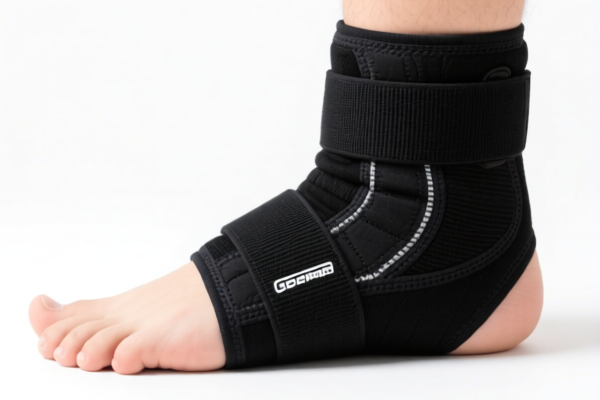
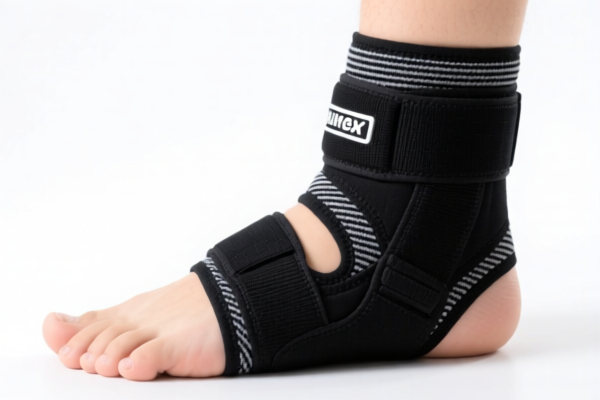
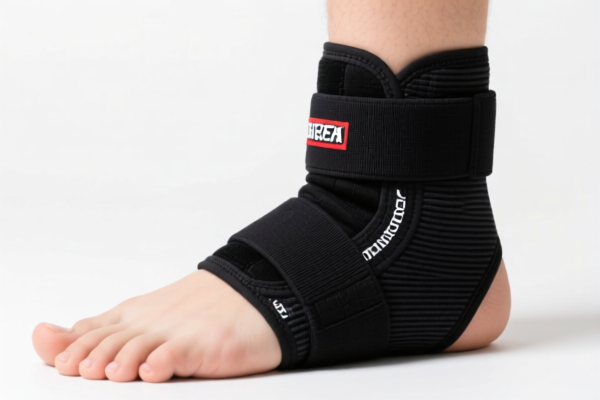
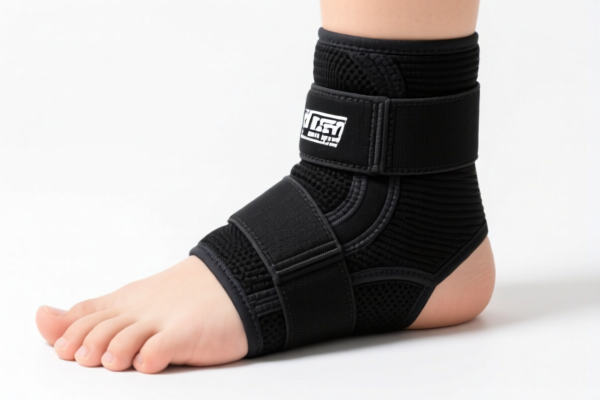
AI分析
🦵 Ankle Support Systems (Orthopedic Appliances & Athletic Accessories)
🌐 HS Code Reference & Customs Clearance Guide | 2026 Latest Tariff Analysis | Professional-Level Clearance Strategy
📌 One: Product Definition & Classification: Do You Really Understand "Ankle Support"?
Ankle supports are critical items in the global trade of medical devices and sports accessories. However, in international customs classification, they are strictly divided into two distinct categories based on their primary purpose and design:
1. Medical Orthopedic Appliances: Designed to treat, alleviate, or compensate for physical defects or disabilities (e.g., post-surgery recovery, ligament instability, arthritis). These are regulated as medical devices.
2. Athletic/General Clothing Accessories: Designed for general comfort, compression, or mild prevention during sports (e.g., soccer socks, simple elastic wraps). These fall under general apparel accessories.
⚠️ Critical Distinction Point:
- If the product contains rigid structures, hinges, or internal fixation elements (like plates/screws concepts, though less common for simple supports) or is explicitly marketed as a medical brace/splint → It likely falls under Ch. 90 (Medical Appliances).
- If it is a fabric/elastic/soft material item worn for compression or warmth → It falls under Ch. 62 (Made-up Clothing Accessories) or Ch. 40 (Rubber Articles).
📦 Two: HS Code Classification Details (2026 Latest Tariff Authoritative对照)
Based on the provided data, here is the precise breakdown for Ankle Supports depending on their material and medical intent:
| HS Code | Product Description | Application Scenario | Material/Structure |
|---|---|---|---|
9021.10.00.50 |
Bone plates, screws, nails, and other internal fixation devices or appliances | Note: This specific subheading usually refers to IMPLANTS. However, in broad medical appliance contexts, rigid orthopedic braces with structural support components may be scrutinized here if deemed "internal-fixation-like" or high-tech orthotic devices. Caution: Simple soft braces usually go to 9021.10.00.90. |
Rigid/Metal/High-tech Orthotic |
9021.10.00.90 |
Orthopedic or fracture appliances, and parts and accessories thereof: Other | Most Common for Medical Ankle Braces: Includes crutches, surgical belts, trusses, splints, and rigid or semi-rigid ankle braces used for medical treatment of defects/disabilities. | Semi-Rigid/Rigid/Fabric-Medical |
6217.10.95.50 |
Other made up clothing accessories; parts of garments... Other | Non-Medical Ankle Supports: Elastic bandages, compression socks, or fashion accessories that do not claim medical therapeutic efficacy. | Fabric/Textile/Non-Medical |
6217.90.90.95 |
Parts of garments or of clothing accessories... Other | Accessories for Ankle Gear: Separate straps, buckles, or replacement parts for non-medical ankle supports. | Various Non-Medical Parts |
4015.90.00.50 |
Articles of apparel and clothing accessories... of vulcanized rubber other than hard rubber: Other | Rubber Ankle Supports: Supports made primarily of vulcanized rubber (not hard rubber), such as specialized rubber braces or rubber gloves/coverings for ankles. | Vulcanized Rubber |
4015.90.00.10 |
Articles of apparel... of vulcanized rubber... Aprons | Note: This specific code is for Aprons. Unlikely for ankle supports unless it is a specialized rubber apron-like coverage, but generally not applicable to standard ankle braces. | Vulcanized Rubber (Apron-specific) |
🔍 Key Reminder:
- Medical Intent is King: If your product claims to "stabilize injured ligaments," "post-operative support," or "treat sprains," customs will push for Ch. 90 (9021.10.00.90).
- General Use: If it’s just "compression for sports" with no medical claims, it goes to Ch. 62 (6217.10.95.50) or Ch. 40 if rubber-based.
- Code4015.90.00.10(Aprons) is likely irrelevant for ankle supports unless you are importing rubber aprons, not ankle braces. Ignore this for standard ankle support classification.
💰 Three: 2026 Latest Tariff Rate Details (Including Surcharges & Policy Add-ons)
✅ Applicable Country: United States (US)
✅ Country of Origin: China (CN)
✅ Effective Date: As per current trade data (2026 Context)
🎯 1. 9021.10.00.90 — Orthopedic Appliances (Medical Ankle Braces)
| Item | Content |
|---|---|
| Base Tariff | 0.0% |
| Section 301 Surcharge | 0.0% |
| Total Tariff | 0.0% |
| Tax Calculation | CIF Value × 0.0% = $0 |
| De Minimis Eligibility | ❌ No (Generally, medical devices over $800 require formal entry, but the rate is 0% anyway). |
| Legal Basis Path | HTSUS:9021.10.00.90 → USITC:General |
📌 Explanation:
- Medical orthopedic appliances, including many rigid or semi-rigid ankle braces, are often duty-free in the US.
- No Section 301 tariffs apply to this category (unlike electronics or textiles).
- Advantage: This is the most cost-effective classification for medical-grade products.
🎯 2. 6217.10.95.50 — Other Made-Up Clothing Accessories (Non-Medical Textile Ankle Supports)
| Item | Content |
|---|---|
| Base Tariff | 0.0% |
| Section 301 Surcharge | 0.0% |
| Total Tariff | 0.0% |
| Tax Calculation | CIF Value × 0.0% = $0 |
| De Minimis Eligibility | ❌ No (If > $800). |
📌 Explanation:
- Textile-based ankle supports (compression socks, elastic wraps) without medical claims are often duty-free.
- No additional surcharges apply.
🎯 3. 4015.90.00.50 — Articles of Apparel of Vulcanized Rubber (Rubber Ankle Supports)
| Item | Content |
|---|---|
| Base Tariff | 4.0% |
| Section 301 Surcharge | 25.0% |
| IEEPA Surcharge | N/A (Not explicitly listed in source, but 301 applies) |
| Total Tariff | 29.0% |
| Tax Calculation | CIF Value × 29.0% |
| De Minimis Eligibility | ❌ No |
📌 Explanation:
- High Risk: If your rubber ankle support is classified under Ch. 40, it faces a 29% total tariff.
- This includes 4% base + 25% Section 301 surcharge.
- Strategy: Avoid Ch. 40 if possible; Ch. 62 or Ch. 90 is significantly cheaper.
🛠️ Four: Customs Clearance Practical Advice (Real-World Pitfall Guide)
✅ 1. Documentation Checklist (Essential)
| Document | Required? | Description |
|---|---|---|
| ✅ Product Specification Sheet | ✔️ | Must detail materials (e.g., "Neoprene," "Plastic Hinge," "Elastic Band"). |
| ✅ Marketing Materials/Claims | ✔️ | Critical! If labels say "Medical Device," "Treats Sprains," or "Post-Op," customs will classify under 9021. If it says "Sports Compression" or "Fashion," it may go to 6217. |
| ✅ Product Photos | ✔️ | Show structure: Rigid vs. Soft. |
| ✅ Statement of Composition | ✔️ | % of textile vs. rubber vs. plastic. |
| ✅ Commercial Invoice | ✔️ | Clear description: "Orthopedic Ankle Brace" or "Textile Ankle Support." |
| ✅ CE/FDA Clearance Documents | ✔️ | If claiming medical status, FDA clearance (if required) strengthens Ch. 90 classification. |
✅ 2. Declaration Tips (Key Mnemonic)
🔥 "Medical Intent Dictates Ch. 90; Textile Softness Dictates Ch. 62; Rubber Costs You 29%!"
| Scenario | Correct HS Code | Incorrect Code | Consequence |
|---|---|---|---|
| Rigid/Medical Ankle Brace | 9021.10.00.90 |
6217.10.95.50 |
Potential reclassification, but both are 0% tax. Risk is low tax-wise, but high compliance-wise. |
| Soft Compression Sleeve (No Medical Claims) | 6217.10.95.50 |
4015.90.00.50 |
If misclassified as rubber, you pay 29% instead of 0%. Major Cost Increase! |
| Rubber-Heavy Brace | 4015.90.00.50 |
6217.10.95.50 |
High tariff (29%) vs. low/zero. Avoid if you can claim textile. |
| Apron (Rubber) | 4015.90.00.10 |
N/A | Irrelevant for ankle supports. |
✅ 3. Special Case Handling
| Situation | Handling Advice |
|---|---|
| Hybrid Products (Textile + Plastic Hinges) | If the primary character is medical/orthopedic, argue for 9021.10.00.90 (0% tax). If it’s fashion, argue 6217.10.95.50 (0% tax). Avoid 4015 if possible. |
| "Medical" vs. "Wellness" | Be careful with keywords. "Therapeutic" = Medical. "Comfort" = Non-Medical. Mislabeling can lead to FDA scrutiny if claiming medical, or tariff evasion if hiding rubber content. |
| Pre-Cut Elastic Bandages | These are often considered "articles of apparel" or "accessories." Ensure they are made-up (cut/sewn) to qualify for 6217, not raw material. |
🌍 Five: Global Market Comparison (2026 Latest)
| Country/Region | Recommended HS Code | Tariff | Certification | Notes |
|---|---|---|---|---|
| 🇺🇸 USA | 9021.10.00.90 (Medical) or 6217.10.95.50 (Textile) |
0% | FDA (if medical), FTC (if textile) | Avoid 4015 (29% tariff). |
| 🇨🇳 China | 9021.10.00.90 or 6217.10.95.50 |
Varies (Check local) | NMPA (if medical) | China often has lower MFN rates for medical devices. |
| 🇪🇺 EU | 9021.10.00.90 or 6217.10.95.50 |
0% (Most) | CE Mark (if medical) | EU has strict MDR regulations for medical ankle braces. |
| 🇬🇧 UK | 9021.10.00.90 |
0% | UKCA Mark | Post-Brexit rules apply. |
| 🇨🇦 Canada | 9021.10.00.90 |
0% | Health Canada | Similar to US/Canada USMCA benefits. |
📌 Conclusion:
- USA and EU offer 0% tariffs for both medical (9021) and textile (6217) ankle supports.
- The Major Risk is Ch. 40 (4015.90.00.50) in the USA, which incurs a 29% tariff.
- Strategy: If your product is rubber-based, try to argue for textile classification (6217) if possible, or accept the 29% if no medical classification is viable.
📌 Six: Common Errors & Pitfall Guide (Lessons Learned)
❌ Error 1: Classifying a rubber medical brace as 6217 (Textile) to avoid 29% tariff.
👉 Consequence: Customs may detect rubber content and reclassify, charging 29% + Penalties.
❌ Error 2: Calling a fashion compression sock a "Medical Ankle Brace" to get FDA benefits.
👉 Consequence: FDA scrutiny for unregistered medical device. No tariff benefit (both are 0%), but legal risk.
❌ Error 3: Ignoring the Section 301 Surcharge for rubber products.
👉 Consequence: Unexpected $29,000 extra tax on $100,000 worth of rubber ankle supports.
❌ Error 4: Using "Apron" Code (4015.90.00.10) for ankle supports.
👉 Consequence: Rejection/Refund. Code is for aprons only.
✅ Correct Practice:
"Orthopedic Ankle Brace, Semi-Rigid, with Elastic Straps, for Post-Sprain Support, Model XYZ, FDA Cleared (if applicable)."
Or:
"Compression Ankle Sleeve, Neoprene Blend, for Sports Recovery, Model ABC."
🎯 Seven: Conclusion: Precise Classification Saves Money!
🎯 Remember the Mnemonic:
🔹 "Medical = Ch. 90 (0%); Textile = Ch. 62 (0%); Rubber = Ch. 40 (29%!"
🔹 "Avoid Ch. 40 unless necessary! Medical claims push you to Ch. 90, which is tariff-free."📌 Pro Tip:
If you import rubber ankle supports, consider if they can be classified as medical devices (9021) to avoid the 29% tariff. Many rubber braces are considered orthopedic appliances. Pre-Ruling with US Customs is highly recommended for rubber products.
📣 Immediate Action:
📞 Consult a Customs Broker + Provide Product Samples + File for Advance Ruling if unsure about Ch. 40 vs. Ch. 90/62.
🚀 Ensure your marketing materials align with your chosen HS Code to avoid FDA or CBP disputes.
✨ Professional Clearance Starts with Accurate Classification!
💼 Your Every Dollar Counts – Don't Pay 29% When 0% is Possible!
用户评价
关于 HS 编码归类
协调制度(HS)是由世界海关组织(WCO)制定的国际贸易商品分类标准。全球 200 多个国家采用 HS 系统作为海关关税、贸易统计和进出口监管的基础。
每个 HS 编码遵循以下层级结构:
- 章(2 位)——商品大类(例如:第 84 章:机器和机械设备)
- 品目(4 位)——章内的更具体分类
- 子目(6 位)——国际通用细分,所有 WCO 成员国统一使用
- 本国细分(8-10 位)——各国自行扩展的细分编码,如美国 HTSUS 10 位编码
正确的 HS 编码归类对于顺利通关、准确缴纳关税和遵守贸易法规至关重要。错误归类可能导致海关延误、多缴关税或罚款。
从CN进口到US时,适用的关税税率可能包括:
- 最惠国(MFN)税率——适用于 WTO 成员国的标准关税税率
- 普通税率——适用于无贸易协定国家
- 贸易救济关税——附加关税,如 301 条款(反倾销)、232 条款(国家安全)或反补贴税
本页内容仅供参考。如需正式归类,请咨询当地海关或持牌报关代理。