bathroom mat
CN → US| HS编码 | 关税税率 | 原产国 | 目的国 | 文档 |
|---|---|---|---|---|
| 4016910000 | 37.7% | CN | US | 官方文档 |
| 3921135000 | 39.2% | CN | US | 官方文档 |
| 4016100000 | 35.0% | CN | US | 官方文档 |
| 6304920000 | 23.8% | CN | US | 官方文档 |
| 6304910120 | 23.3% | CN | US | 官方文档 |
商品图片
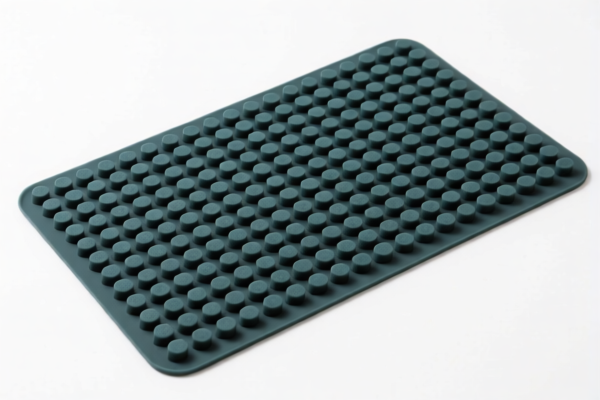
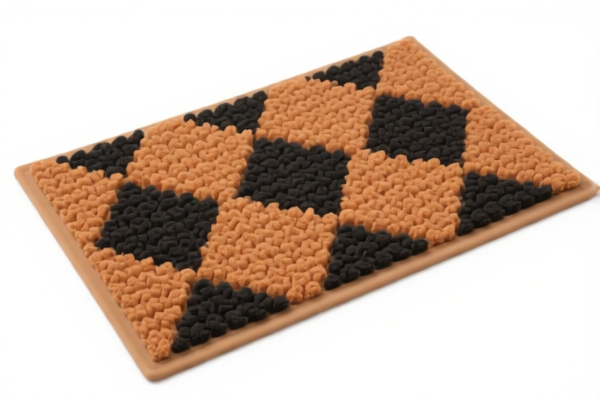
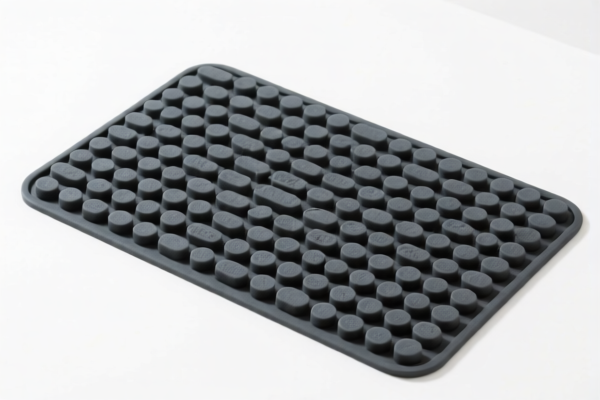
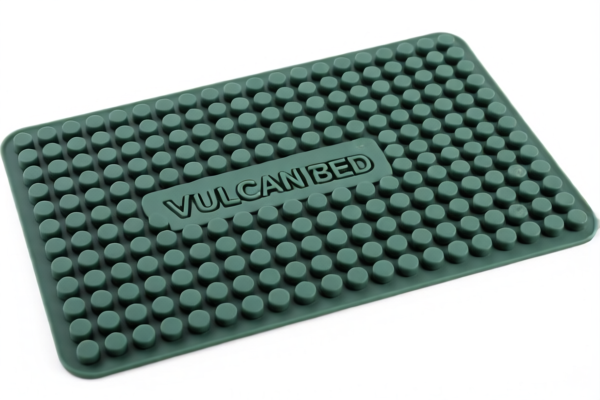
AI分析
🛁 Bathroom Mats: The Ultimate HS Code & Tariff Guide (2026 Edition)
🌐 HS Code Reference & Customs Clearance Guide | Latest 2026 Tariff Analysis | Professional Strategy for US Imports
📌 Part 1: Product Definition & Classification: Do You Really Know a "Bathroom Mat"?
A bathroom mat is a floor covering used in wet areas (bathrooms, showers, pools) to provide traction, absorb water, or add aesthetic value. In international trade, material is king. The customs classification (HS Code) and resulting tax rate depend entirely on the primary material of the mat.
Misclassification here is dangerous. A cotton mat (23.3%) mislabeled as rubber (37.7%) can cost you significantly in duties. Conversely, over-declaring a simple cotton rug as a complex rubber product invites customs scrutiny.
⚠️ Critical Distinction:
- Non-woven/Loose pile fabrics (Cotton/Terry) → Look at Chapter 63 (Furnishing Articles); - Vulcanized Rubber/Plastic (Solid/Coated) → Look at Chapter 40 (Rubber) or Chapter 39 (Plastics); - Knitted vs. Non-knitted matters for cotton items!
📦 Part 2: HS Code Classification Matrix (2026 Latest Tariff Data)
Based on the provided dataset, here are the five specific classifications for Bathroom Mats, ranging from textile-based to rubber-based products.
| HS Code | Product Description | Material Type | Key Characteristics |
|---|---|---|---|
6304.91.01.20 |
Cotton Knitted Bathroom Mats | 100% Cotton (Knitted) | Soft, looped pile, typical "spa-style" bath rug. Classified as other cotton furnishing articles. |
6304.92.00.00 |
Cotton Non-Knitted Bathroom Mats | 100% Cotton (Woven/Non-knitted) | Woven cotton towels or mats. Classified as non-knitted cotton furnishing articles. |
4016.10.00.00 |
Rubber Bathroom Mats | Vulcanized Rubber | Solid rubber or rubber-coated mats. High durability. Classified as other vulcanized rubber articles. |
4016.91.00.00 |
Anti-Slip Rubber Mats | Vulcanized Rubber (Anti-slip) | Specifically for slip resistance (e.g., shower mats with suction cups). Classified as carpets/mats of vulcanized rubber. |
3921.13.50.00 |
Polyurethane (PU) / Plastic Mats | PU or Plastic Foam | Lightweight, water-resistant mats. Often used in showers or gyms. Classified as PU plastic boards/sheets. |
🔍 Key Insight:
- Textiles (Cotton) fall under Chapter 63 and attract lower base tariffs (5.8%–6.3%) but are subject to specific "Section 301" additional duties. - Rubber (Chapter 40) and Plastics (Chapter 39) are classified as industrial/semi-industrial goods and face higher base tariffs and the same additional duties.
💰 Part 3: 2026 Tariff Rate Breakdown (USA Origin: China)
✅ Destination: United States (US)
✅ Origin: China (CN)
✅ Effective Date: Current US Tariff Regime (Post-Section 301 & IEEPA Add-ons)
All items below are subject to a combination of Base Tariff, Section 301 Additional Tariff (List 4A/B equivalent), and IEEPA (122 Clause) Tariff.
🎯 1. Cotton Mats (Lowest Total Duty)
A. Knitted Cotton Mats (6304.91.01.20)
| Item | Detail |
|---|---|
| Base Tariff | 5.8% |
| Additional Duty (Section 301) | 7.5% |
| IEEPA Clause 122 Duty | 10.0% |
| Total Effective Tax Rate | 23.3% |
| Calculation | CIF Value × 23.3% |
| De Minimis Exemption? | ❌ NO (Cannot use $800 de minimis if declared separately as commercial, though small parcels may slip through, commercial shipments are strictly taxed). |
📌 Why this rate?
Cotton textiles enjoy favorable MFN rates. However, the 7.5% is the specific Section 301 rate for certain textile products, plus the flat 10% IEEPA surcharge.
B. Non-Knitted Cotton Mats (6304.92.00.00)
| Item | Detail |
|---|---|
| Base Tariff | 6.3% |
| Additional Duty (Section 301) | 7.5% |
| IEEPA Clause 122 Duty | 10.0% |
| Total Effective Tax Rate | 23.8% |
| Calculation | CIF Value × 23.8% |
📌 Note: The slight increase (0.5%) over knitted mats is due to a higher base MFN rate for non-knitted furnishing articles.
🎯 2. Rubber & Plastic Mats (Highest Total Duty)
C. General Rubber Mats (4016.10.00.00)
| Item | Detail |
|---|---|
| Base Tariff | 0.0% |
| Additional Duty (Section 301) | 25.0% |
| IEEPA Clause 122 Duty | 10.0% |
| Total Effective Tax Rate | 35.0% |
| Calculation | CIF Value × 35.0% |
📌 Why this rate?
While the base tariff for rubber articles is 0%, the 25% Section 301 duty is massive. This applies to most vulcanized rubber articles not specifically exempted.
D. Anti-Slip Rubber Mats (4016.91.00.00)
| Item | Detail |
|---|---|
| Base Tariff | 2.7% |
| Additional Duty (Section 301) | 25.0% |
| IEEPA Clause 122 Duty | 10.0% |
| Total Effective Tax Rate | 37.7% |
| Calculation | CIF Value × 37.7% |
📌 Warning: This is the highest tax bracket. The "anti-slip" classification often falls under specific rubber sub-headings that attract a base tariff, but the 25% + 10% surcharges remain unchanged, leading to the peak rate.
E. PU / Plastic Mats (3921.13.50.00)
| Item | Detail |
|---|---|
| Base Tariff | 4.2% |
| Additional Duty (Section 301) | 25.0% |
| IEEPA Clause 122 Duty | 10.0% |
| Total Effective Tax Rate | 39.2% |
| Calculation | CIF Value × 39.2% |
📌 Critical: Polyurethane (PU) mats are often lighter and cheaper to produce but carry the highest total tax burden (39.2%). This significantly impacts profit margins for drop-shippers.
🛠️ Part 4: Customs Clearance Practical Advice
✅ 1. Documentation Checklist (Must-Have)
| Document | Requirement | Purpose |
|---|---|---|
| Commercial Invoice | Must specify Material Composition (e.g., "100% Cotton, Knitted") | Determines HS Code accuracy. Vague terms like "Mat" will trigger manual review. |
| Product Photos | Clear images of the backing and pile | To distinguish between Knitted vs. Non-knitted cotton; Solid Rubber vs. Plastic. |
| Material Certificate | Lab test report confirming fiber content | Crucial for cotton mats to prove "100% Cotton" vs. "Polyester Blend" (which may have different rates). |
| Usage Declaration | "For residential bathroom use" | Helps avoid classification as "industrial anti-slip flooring" (which may have different codes). |
✅ 2. Classification Strategy & Pitfalls
| Scenario | Risk | Solution |
|---|---|---|
| "Mixed Material" Mats | High risk of misclassification. E.g., Cotton top + Rubber backing. | Primary Character Rule: If the cotton provides the essential character (absorption/softness), classify under 6304. If the rubber backing is the defining feature (shower tray style), classify under 4016. |
| PU Mats vs. Rubber Mats | PU is often confused with Rubber. Both are ~35%+ tax. | Ensure the description says "Polyurethane Foam" not "Rubber" to avoid customs questioning. The tax rate is similar (39.2% vs 37.7%), so consistency in description is key. |
| Knitted vs. Woven Cotton | Confusing 6304.91 and 6304.92. |
Provide a swatch sample. Knitted has loops (like a sweater); Woven has interlaced threads (like a bedsheet). Misclassification here is rare but can cause delays. |
✅ 3. Cost-Saving Tips
- Prefer Cotton: If your product design allows, Cotton Mats (23.3–23.8%) are ~15% cheaper in duties than Rubber/Plastic variants.
- Avoid "Anti-Slip" Rubber Labels if Possible: If the mat is rubber but not primarily for "anti-slip" certification purposes, check if
4016.10.00.00(35.0%) is applicable instead of4016.91.00.00(37.7%). Note: Only do this if legally accurate. - Check for "De Minimis" Eligibility: For small individual shipments (under $800), US Customs may not assess duties if shipped via postal service, but commercial express couriers (FedEx/DHL) usually declare and collect these taxes automatically. Plan your logistics accordingly.
🌍 Part 5: Global Market Comparison (Quick Ref)
| Market | Recommended HS Code (Cotton) | Approx. Total Tax Rate | Notes |
|---|---|---|---|
| 🇺🇸 USA | 6304.91.01.20 / 6304.92.00.00 |
23.3% – 23.8% | High Section 301 + IEEPA taxes. |
| 🇨🇳 China | 6304.91.00.00 / 6304.92.00.00 |
~0% – 5% | Low import duty; VAT applies (13%). |
| 🇪🇺 EU | 6304.91.00 / 6304.92.00 |
~0% – 12% | No Section 301 equivalent; standard MFN applies. |
| 🇬🇧 UK | 6304.91.00 / 6304.92.00 |
~0% – 12% | Post-Brexit tariffs similar to EU. |
📌 Conclusion:
The US market is the most expensive for Chinese-origin bathroom mats due to the layered tariff structure.
- Cotton is the strategic choice for US imports to minimize duty burden.
- Rubber/Plastic mats face nearly 40% tax, making them less competitive unless priced with high margins.
📌 Part 6: Common Mistakes & Blood-Lessons
❌ Mistake 1: Declaring a Cotton Mat as "Plastic Mat" to avoid textile quotas?
👉 Result: Customs inspection reveals cotton fibers → Seizure + Fine + Back Taxes.
❌ Mistake 2: Using "Bath Rug" vs "Bath Mat" without specifying material.
👉 Result: Customs officer guesses incorrectly → Delay in clearance or forced re-classification.
❌ Mistake 3: Ignoring the IEEPA 10% Surcharge.
👉 Result: Budgeting only for Section 301 (25%) + Base (5%) = 30%. Actual is 40%. Profit margin evaporates.
✅ Best Practice:
"Material First, Then Function"
Example Declaration:
"Cotton Knitted Bathroom Bath Mat, Loop Pile, Non-Slip Backing, 100% Cotton, Model: SPA-01"
🎯 Part 7: Conclusion: Smart Classification = Higher Profits
🎯 Remember the Rule of Thumb:
🔹 Cotton = ~23% Tax (Sweet Spot)
🔹 Rubber = ~35–38% Tax (High Cost)
🔹 PU Plastic = ~39% Tax (Highest Cost)
🔹 "HS Code determines tax, Tax determines margin, Margin determines survival!"
📌 Pro Tip:
If you are importing high-value luxury bath mats, consider if the value justifies the 23% duty. For volume-driven anti-slip mats, the 37–39% duty is a major hurdle.
Recommendation:
📞 Request a Binding Ruling from US Customs (CBP) if your product is a hybrid (e.g., Cotton + Rubber backing) to ensure you are paying the lowest legal rate.
🚀 Optimize your supply chain: Source cotton from Vietnam or Indonesia if possible? (Check US FTAs).
✨ Professional Clearance, Start with Accurate Classification!
💼 Your Bottom Line Depends on the Decimal Point!
用户评价
关于 HS 编码归类
协调制度(HS)是由世界海关组织(WCO)制定的国际贸易商品分类标准。全球 200 多个国家采用 HS 系统作为海关关税、贸易统计和进出口监管的基础。
每个 HS 编码遵循以下层级结构:
- 章(2 位)——商品大类(例如:第 84 章:机器和机械设备)
- 品目(4 位)——章内的更具体分类
- 子目(6 位)——国际通用细分,所有 WCO 成员国统一使用
- 本国细分(8-10 位)——各国自行扩展的细分编码,如美国 HTSUS 10 位编码
正确的 HS 编码归类对于顺利通关、准确缴纳关税和遵守贸易法规至关重要。错误归类可能导致海关延误、多缴关税或罚款。
从CN进口到US时,适用的关税税率可能包括:
- 最惠国(MFN)税率——适用于 WTO 成员国的标准关税税率
- 普通税率——适用于无贸易协定国家
- 贸易救济关税——附加关税,如 301 条款(反倾销)、232 条款(国家安全)或反补贴税
本页内容仅供参考。如需正式归类,请咨询当地海关或持牌报关代理。