beach gloves
CN → US商品图片
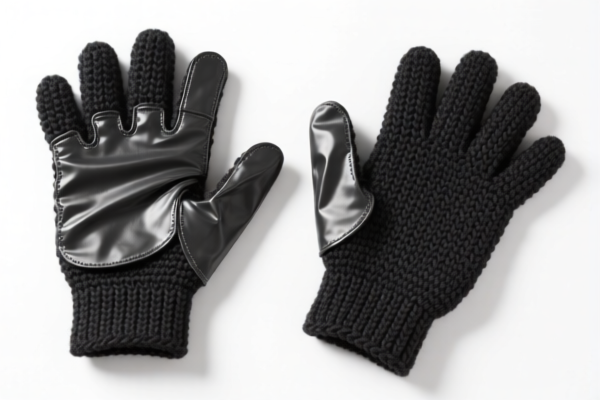
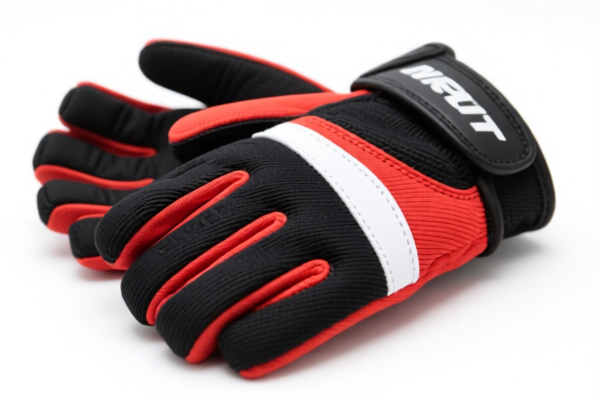
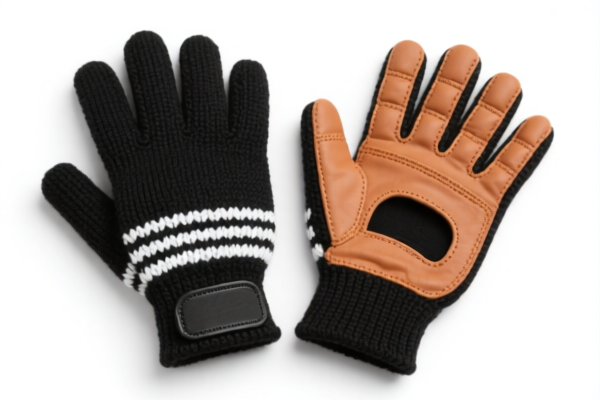
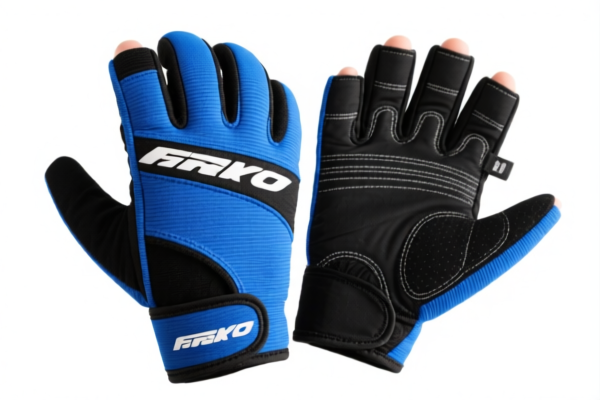
AI分析
🏖️ Beach Gloves (Protective Gloves for Water Activities)
🌐 HS Code Reference & Clearance Guide | 2026 Latest Tariff Analysis | Professional Clearance Strategy
📌 I. Product Definition & Classification: Do You Really Know "Beach Gloves"?
Beach Gloves are general-purpose protective accessories used primarily for sun protection, anti-scratch protection, or grip assistance during water activities, gardening, or beachcombing. In international trade, they are broadly classified as "Other Gloves" under Chapter 61 (Knitted/Crocheted) or Chapter 62 (Non-Knitted), depending on the material and construction.
⚠️ Key Distinction Points:
- Material is King: Are they Knitted/Crocheted (elastic, fabric-like) or Made Up (woven, coated, rubberized, neoprene)?
- Primary Purpose: Are they for general protection (sun, scrapes) or specialized safety (chemical, cut-resistant)? Beach gloves are usually general protection.
- Water Resistance: If coated with rubber/plastic to be waterproof, they may fall under Chapter 39/40 (Plastics/Rubber) instead of textiles.
📦 II. HS Code Classification Details (2026 Latest Tariff Authority Comparison)
| HS Code | Product Description | Application Scenario | Material Type | Knitted? |
|---|---|---|---|---|
6116.93.00.90 |
Other gloves, impregnated, coated, covered or laminated with plastics, knitted or crocheted | Neoprene diving gloves, coated work gloves, wet beach gloves | Plastic-coated textile | ✅ Yes |
6116.93.00.10 |
Other gloves, impregnated, coated, covered or laminated with rubber, knitted or crocheted | Rubber-lined beach gloves, gardening gloves | Rubber-coated textile | ✅ Yes |
6216.00.00.90 |
Other gloves, mittens and mitts, not knitted or crocheted | Woven sun-protection gloves, cotton gloves, fabric gloves | Non-knit fabric (woven/knitless) | ❌ No |
3926.90.97.90 |
Other articles of plastics and articles of other materials of heading 3901 to 3914 | Solid neoprene gloves, plastic molded gloves, silicone gloves | Pure plastic/rubber (no textile base) | N/A |
9019.10.00.00 |
Mechanical therapy appliances; massage apparatus; psychological aptitude testing machines | Not applicable | Medical/Therapeutic | ❌ No |
🔍 Key Reminder:
- If the gloves are coated with plastic/rubber (e.g., for waterproofing), they MUST go to 6116.93 (if knitted) or 6216.00 (if woven).
- If they are pure neoprene or silicone with no textile backing, they fall under 3926.90 (Plastics) or 4015.19 (Rubber).
- Cotton/Lycra sun-protection gloves without heavy coating typically go to 6216.00 or 6116.10 (if knitted and not coated).
💰 III. 2026 Latest Tariff Rate Details (Including Surcharges & Policy Add-ons)
✅ Applicable Country: United States (US)
✅ Origin: China (CN)
✅ Effective Date: November 10, 2025 onwards (including subsequent imports)
🎯 1. 6116.93.00.90 / 6116.93.00.10 —— Knitted/Crocheted Gloves, Plastic/Rubber Coated
| Item | Content |
|---|---|
| Base Tariff | 16% (ad valorem) |
| USITC Surcharge (Section 301) | +25% |
| IEEPA Surcharge (China/HK) | +10% (from Nov 10, 2025) |
| Total Rate | 51% |
| Calculation | CIF Value × 51% |
| De Minimis Eligibility | ❌ No (deny_de_minimis) |
| Legal Path | IEEPA:9903.01.25 → USITC:6116.93.00 → FOOTNOTE:9903.01.24 |
📌 Explanation:
- Coated gloves are considered "textile products with chemical treatment," subject to higher scrutiny.
- The 25% Section 301 duty is standard for textile gloves.
- The 10% IEEPA is the new additional surcharge for Chinese-origin goods.
- Total 51% is extremely high, impacting profitability significantly.
🎯 2. 6216.00.00.90 —— Other Gloves, Not Knitted or Crocheted
| Item | Content |
|---|---|
| Base Tariff | 16% (ad valorem) |
| USITC Surcharge (Section 301) | +25% |
| IEEPA Surcharge (China/HK) | +10% |
| Total Rate | 51% |
| Calculation | CIF Value × 51% |
| De Minimis Eligibility | ❌ No |
| Legal Path | IEEPA:9903.01.25 → USITC:6216.00.00 → FOOTNOTE:9903.01.24 |
📌 Note:
- Even if the gloves are simple woven fabric (e.g., sun gloves), if they are "made up" gloves, they fall under this heading.
- The tariff structure is identical to knitted coated gloves due to Section 301 applicability.
🎯 3. 3926.90.97.90 / 4015.19.00.00 —— Plastic/Rubber Gloves (Non-Textile)
| Item | Content |
|---|---|
| Base Tariff | 4.9% - 6% (varies by subheading) |
| USITC Surcharge (Section 301) | +25% |
| IEEPA Surcharge (China/HK) | +10% |
| Total Rate | 39.9% - 41% |
| Calculation | CIF Value × ~40% |
| De Minimis Eligibility | ❌ No |
📌 Note:
- Neoprene diving gloves or solid silicone gloves often fall here.
- Slightly lower total rate (~40%) compared to textile-based gloves (~51%), but still prohibitive.
- Crucial: Must prove no textile backing to avoid reclassification to 6116/6216.
🛠️ IV. Clearance Practical Suggestions (Real-World Pitfall Avoidance Guide)
✅ 1. Required Documentation List (Missing One = Delay)
| Document | Required? | Description |
|---|---|---|
| ✅ Product Specification Sheet | ✔️ | Material composition (e.g., 100% Neoprene, 80% Cotton/20% Spandex, Coating type) |
| ✅ Material Composition Breakdown | ✔️ | Critical for HS Code determination. % of textile vs. rubber/plastic |
| ✅ Product Photos (Front/Back/Inside) | ✔️ | Show seams, coatings, and any logos |
| ✅ Third-Party Test Report | ✔️ | REACH, Prop 65, FDA (if food-grade), or chemical safety |
| ✅ Commercial Invoice | ✔️ | Must clearly state "Beach Gloves" or "Protective Gloves" + Material |
| ✅ Packing List | ✔️ | Detail packaging to show if gloves are bundled with other items |
✅ 2. Declaration Tips (Key Mantra)
🔥 "Material Defines Code, Coating Changes Everything, Be Specific, Avoid Guessing!"
| Scenario | Correct Declaration | Wrong Practice |
|---|---|---|
| Neoprene Diving Gloves | 3926.90.97.90 or 4015.19.00.00 |
Mislabel as "Textile Gloves" → Higher duty + Audit |
| Cotton Sun Gloves (Uncoated) | 6116.10.00.90 or 6216.00.00.90 |
Generic "Gloves" → Ambiguity & Delay |
| Rubber-Coated Gardening Gloves | 6116.93.00.10 (if knitted) |
Label as "Plastic Gloves" → Misclassification |
| Silicone Beach Gloves | 3926.90.97.90 |
Label as "Textile" → Incorrect Chapter |
✅ 3. Special Case Handling
| Scenario | Handling Advice |
|---|---|
| OEM Custom Gloves | Provide design specs showing material layers to prove coating vs. base fabric |
| Gloves with Anti-Slip Coating | Classify based on primary material. If >50% textile, use Ch. 61/62; if solid rubber, Ch. 40 |
| Packaged as Set | If gloves are sold with a beach towel, declare separately. Do not bundle unless they form a "set" under GRI 3(b) |
| Made in Vietnam/Malaysia | Apply for IEEPA Exemption. Tariff may drop to 0%-5% if substantiated |
🌍 V. Global Market Clearance Comparison (2026 Latest)
| Country/Region | Recommended HS Code | Tariff Rate (CN Origin) | Certification Requirements | Notes |
|---|---|---|---|---|
| 🇺🇸 USA | 6116.93 or 6216.00 |
51% (Coated/Textile) | REACH, Prop 65 | High duty, strict material verification |
| 🇨🇳 China | 6116.93 or 6216.00 |
18% - 20% | CCC (if safety-rated) | Moderate duty |
| 🇪🇺 EU | 6116.93 or 6216.00 |
12% - 14% | CE (if PPE), REACH | Standard EU tariff |
| 🇦🇺 Australia | 6116.93 or 6216.00 |
5% | RCM | Low duty, no surcharge |
| 🇯🇵 Japan | 6116.93 or 6216.00 |
16% - 20% | PSE (if electrical/tech) | Standard WTO rates |
📌 Conclusion:
- USA is the most expensive market for beach gloves due to the 51% cumulative tariff.
- EU and Japan have moderate duties but strict chemical safety (REACH) requirements.
- Australia offers the most favorable duty-free/low-duty access.
📌 VI. Common Errors & Pitfall Guide (Blood & Tears Lessons)
❌ Error 1: Declaring "Neoprene Gloves" as "Textile Gloves"
👉 Consequence: Misclassification under Ch. 61 instead of Ch. 39/40 → Potential underpayment or overpayment, plus fines.
❌ Error 2: Failing to declare "Plastic Coating"
👉 Consequence: Customs assumes uncoated textile → Lower duty initially, but post-audit adjustment + 25% surcharge backdated.
❌ Error 3: Using vague terms like "Swim Gloves"
👉 Consequence: CBP cannot determine HS Code → Hold for inspection, delays up to 2 weeks.
❌ Error 4: Ignoring Material Composition
👉 Consequence: If gloves are 60% cotton, 40% neoprene coating, they still fall under 6116.93 (textile-based). Misdeclaring as pure plastic leads to fraud allegations.
✅ Correct Practice:
"Beach Gloves, 3mm Neoprene, Smooth Skin Finish, Model XYZ, Made in Vietnam, REACH Compliant"
🎯 VII. Conclusion: Precise Declaration Saves Money!
🎯 Remember the Mantra:
🔹 "Coating Changes Chapter, Material Dictates Duty, 51% in USA, Avoid Surcharge!"
🔹 "HS Code Determines Cost, Error Costs Thousands, Declare Accurately!"
📌 Tips:
If your beach gloves are manufactured in Vietnam, Malaysia, Thailand, or India, you may qualify for IEEPA Surcharge Exemption, reducing the total tariff from 51% to ~16-25%.
Consider applying for a Binding Ruling from CBP if you have large volume imports, to lock in the correct HS Code and duty rate.
📣 Immediate Action:
📞 Contact a Licensed Customs Broker + Provide Material Spec Sheets + Apply for IEEPA Exemption (if applicable)
🚀 Let your beach gloves clear smoothly, maximize margins, and stay compliant!
✨ Professional Clearance Starts with Accurate Classification!
💼 Every Penny Saved is a Penny Earned!
用户评价
关于 HS 编码归类
协调制度(HS)是由世界海关组织(WCO)制定的国际贸易商品分类标准。全球 200 多个国家采用 HS 系统作为海关关税、贸易统计和进出口监管的基础。
每个 HS 编码遵循以下层级结构:
- 章(2 位)——商品大类(例如:第 84 章:机器和机械设备)
- 品目(4 位)——章内的更具体分类
- 子目(6 位)——国际通用细分,所有 WCO 成员国统一使用
- 本国细分(8-10 位)——各国自行扩展的细分编码,如美国 HTSUS 10 位编码
正确的 HS 编码归类对于顺利通关、准确缴纳关税和遵守贸易法规至关重要。错误归类可能导致海关延误、多缴关税或罚款。
从CN进口到US时,适用的关税税率可能包括:
- 最惠国(MFN)税率——适用于 WTO 成员国的标准关税税率
- 普通税率——适用于无贸易协定国家
- 贸易救济关税——附加关税,如 301 条款(反倾销)、232 条款(国家安全)或反补贴税
本页内容仅供参考。如需正式归类,请咨询当地海关或持牌报关代理。