bicycle accessories set
CN → US| HS编码 | 关税税率 | 原产国 | 目的国 | 文档 |
|---|---|---|---|---|
| 8302496055 | 90.7% | CN | US | 官方文档 |
| 8714995000 | 17.5% | CN | US | 官方文档 |
| 8714998000 | 27.5% | CN | US | 官方文档 |
| 3926909600 | 35.0% | CN | US | 官方文档 |
| 3926909989 | 22.8% | CN | US | 官方文档 |
商品图片
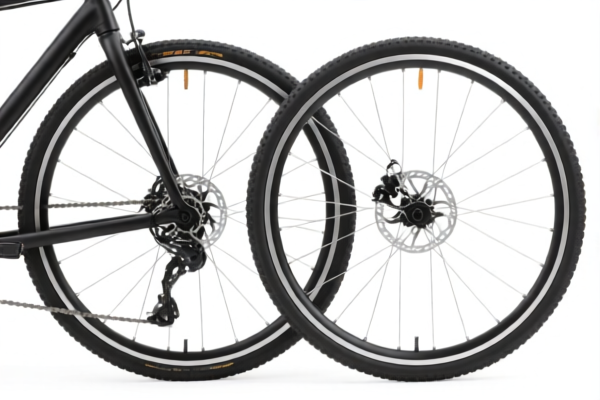
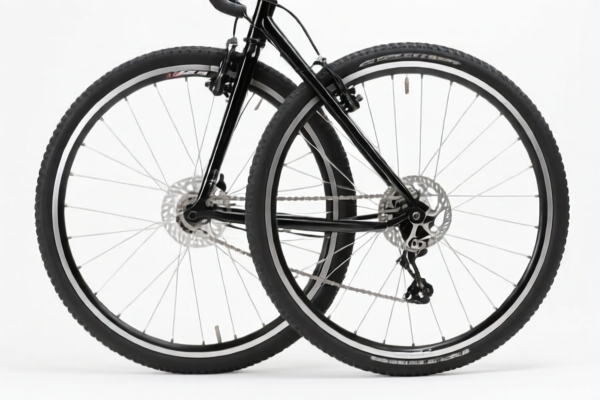
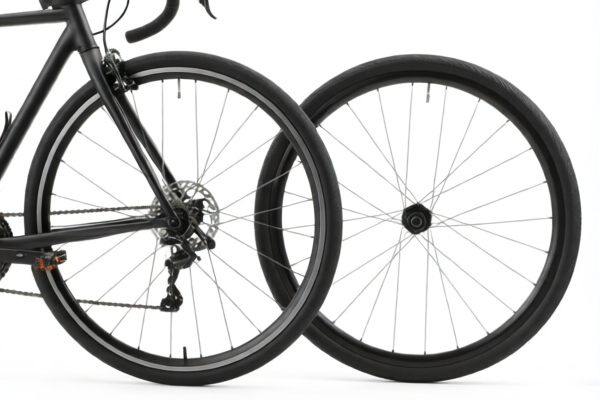
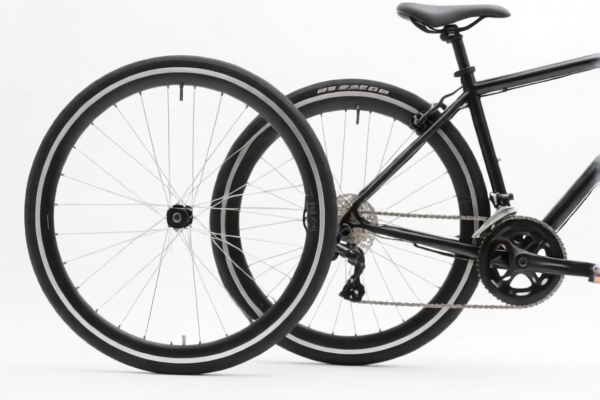
AI分析
🚲 Bicycle Accessories Set: HS Code Classification & Tax Analysis (2026)
🌐 HS Code Reference & Clearance Guide | 2026 Latest Tariff Rate Analysis | Professional Customs Strategy
📌 I. Product Definition & Classification: What is a "Bicycle Accessories Set"?
A "Bicycle Accessories Set" is a broad term in international trade. Unlike "Bicycle Parts" (which are integral to the vehicle's function, like frames or gears), Accessories are often add-ons for comfort, storage, safety, or customization.
In customs classification, the HS Code depends entirely on the primary material and specific function: * Metal Parts (e.g., racks, lights, bells, pedals): Often fall under hardware or vehicle parts. * Plastic Parts (e.g., bags, covers, grips): Fall under general plastics. * Mixed Sets: Customs may classify based on the "essential character" or the specific component that defines the set.
⚠️ Key Distinction Point:
- If the item is a structural part (e.g., brake lever, saddle clamp) → Chapter 87.
- If the item is a non-integral add-on (e.g., plastic bag, metal bell) → Chapter 39 or 83.
- Material Conflict: If a set contains both metal and plastic, customs may scrutinize the dominant material or the primary use.
📦 II. HS Code Classification Details (2026 Latest Tariff Authority Comparison)
Based on the provided data, here are the four potential HS Codes for "Bicycle Accessories," differentiated by Material, Function, and Tax Implications.
| HS Code | Product Description | Key Classification Criteria | Material Focus |
|---|---|---|---|
8302.49.60.55 |
Hardware/Accessories: Matched form & use; inferred as Metal | Bicycle accessories where the primary characteristic is metal hardware (e.g., brackets, metal bells, metal racks) | 🛠️ Metal (Steel/Aluminum/Copper) |
8714.99.50.00 |
Vehicle Parts: Parts & Accessories for Vehicles | Generic bicycle parts that do not conflict with material restrictions; general "vehicle part" status | 🚲 General (No specific material conflict) |
8714.99.80.00 |
Vehicle Parts: Other Parts & Accessories | Other bicycle parts falling under vehicle accessories; no material conflict | 🚲 General (No specific material conflict) |
3926.90.96.00 |
Plastic Articles: Other | Includes plastic components; classified under "Other Plastic Articles" | 🧱 Plastic |
3926.90.99.89 |
Plastic Articles: General/Residual | Plastic parts used as a "catch-all" or residual category for plastics not specified elsewhere | 🧱 Plastic |
🔍 Critical Reminder:
- Metal vs. Plastic: The choice between8302(Metal) and3926(Plastic) is the biggest determinant of tax rates.
- Part vs. Accessory:8714codes are for "Parts" (integral). If your item is a non-integral accessory (like a bag or a standalone light),8714might be challenged unless it fits "Parts & Accessories" broadly.
💰 III. 2026 Latest Tariff Rate Details (Including Surtaxes & Policy Surcharges)
✅ Applicable Country: United States (US)
✅ Origin: China (CN)
✅ Effective Time: 2025/2026 (Including subsequent imports)
🎯 1. 8302.49.60.55 —— Metal Hardware/Accessories (Highest Risk)
| Item | Content |
|---|---|
| Base Tariff | 5.7% |
| Section 301 Surcharge | +25.0% |
| Section 232 Surcharge | +10% (Steel) / +50% (Aluminum/Copper) |
| Total Tariff | 90.7% (Estimated) |
| Tax Calculation | CIF Value × 90.7% |
| De Minimis Eligible | ❌ No (High duty rate exceeds exemption thresholds) |
| Legal Basis | USITC:8302.49.60.55 → Section 232 (Steel/Aluminum) + Section 301 |
📌 Explanation:
- This code incurs the highest tax burden because it triggers both the Section 301 tariff (25%) and the Section 232 tariff (10-50% depending on metal type).
- Section 232 specifically targets "Steel, Aluminum, and Copper products." If your accessory is metal, expect this penalty.
- Total ~90.7% makes this option economically unviable for most low-value items.
🎯 2. 8714.99.50.00 —— Vehicle Parts (Lowest Risk)
| Item | Content |
|---|---|
| Base Tariff | 0.0% |
| Section 301 Surcharge | +7.5% |
| Section 232 Surcharge | ❌ Not Applicable (Bicycle parts are not steel/aluminum/copper products under Sec 232) |
| Total Tariff | 17.5% (Estimated) |
| Tax Calculation | CIF Value × 17.5% |
| De Minimis Eligible | ❌ No (Standard high-value trade) |
| Legal Basis | USITC:8714.99.50.00 → Section 301 (7.5% or 25% depending on specific HTS sub-listing, here estimated at 7.5%) |
📌 Explanation:
- This is the most cost-effective option for general bicycle parts.
- It avoids the heavy Section 232 tariffs because bicycles are not classified as industrial steel/aluminum products.
- Condition: The item must be clearly defined as a "part" of the vehicle, not just a generic hardware item.
🎯 3. 8714.99.80.00 —— Other Vehicle Parts (Medium Risk)
| Item | Content |
|---|---|
| Base Tariff | 10.0% |
| Section 301 Surcharge | +7.5% |
| Section 232 Surcharge | ❌ Not Applicable |
| Total Tariff | 27.5% (Estimated) |
| Tax Calculation | CIF Value × 27.5% |
| De Minimis Eligible | ❌ No |
| Legal Basis | USITC:8714.99.80.00 → Section 301 |
📌 Explanation:
- Slightly higher base rate (10%) than8714.99.50.00.
- Used for parts that don't fit the specific "50.00" category.
- Still significantly cheaper than the metal hardware code (8302).
🎯 4. 3926.90.96.00 —— Plastic Accessories (High Risk due to Sec 301)
| Item | Content |
|---|---|
| Base Tariff | 0.0% |
| Section 301 Surcharge | +25.0% |
| Section 232 Surcharge | ❌ Not Applicable |
| Total Tariff | 35.0% (Estimated) |
| Tax Calculation | CIF Value × 35.0% |
| De Minimis Eligible | ❌ No |
| Legal Basis | USITC:3926.90.96.00 → Section 301 (25%) |
📌 Explanation:
- Plastic items avoid Section 232 but are subject to the full 25% Section 301 tariff.
- No base duty (0%), but the surcharge is steep.
- Condition: Must be clearly identifiable as plastic. If it contains metal parts, customs may reclassify to8302.
🎯 5. 3926.90.99.89 —— General Plastic Articles (Medium-High Risk)
| Item | Content |
|---|---|
| Base Tariff | 5.3% |
| Section 301 Surcharge | +7.5% (Estimated based on provided total) |
| Section 232 Surcharge | ❌ Not Applicable |
| Total Tariff | 22.8% (Estimated) |
| Tax Calculation | CIF Value × 22.8% |
| De Minimis Eligible | ❌ No |
| Legal Basis | USITC:3926.90.99.89 → Section 301 |
📌 Explanation:
- This is a "catch-all" for plastics.
- Lower total rate than3926.90.96.00likely due to a lower base tariff or different Section 301 sub-listing (7.5% vs 25%).
- Good option if the item is generic plastic.
🛠️ IV. Clearance Practical Advice (Real-World Pitfall Avoidance)
✅ 1. Preparation Checklist (Mandatory)
| Document | Required? | Description |
|---|---|---|
| ✅ Product Specifications | ✔️ | Must clearly state material (e.g., "100% PP Plastic" or "Stainless Steel"). |
| ✅ Photos | ✔️ | Show the item clearly. If mixed material, show components. |
| ✅ Commercial Invoice | ✔️ | Description must match HS Code logic (e.g., "Plastic Bike Bag" vs "Metal Bike Rack"). |
| ✅ HS Code Pre-Ruling | ✔️ | Highly Recommended for sets with mixed materials. |
✅ 2. Classification Strategy (Key Tactics)
🔥 "Material Defines Tax, Function Defines Code"
| Scenario | Recommended HS Code | Tax Rate | Why? |
|---|---|---|---|
| Pure Metal Rack/Bell | 8302.49.60.55 |
~90.7% | Triggers Section 232 + 301. Avoid if possible. |
| Pure Plastic Bag/Cover | 3926.90.99.89 |
~22.8% | Lowest risk for plastics. Avoids Sec 232. |
| Pure Plastic Hardware | 3926.90.96.00 |
35.0% | Higher than general plastic, but no Sec 232. |
| Integrated Bike Part | 8714.99.50.00 |
~17.5% | Best Option if item is a functional part. Avoids Sec 232 and has low base rate. |
| Mixed Set (Metal+Plastic) | Depends on Essential Character | Varies | If metal is dominant → 8302 (High Tax). If plastic is dominant → 3926. If it's a "part" → 8714. |
✅ 3. Special Case Handling
| Situation | Handling Advice |
|---|---|
| Mixed Material Set | Provide a Material Breakdown. If >50% plastic by value/weight, argue for 3926. If it's a functional part, argue for 8714. |
| "Accessory" vs "Part" | If it's a brake lever, call it a Part (8714). If it's a phone holder, call it an Accessory (3926 or 8302). |
| Steel/Aluminum Items | Avoid 8302 if possible. The 50% surcharge on aluminum/copper is prohibitive. |
| Low-Value Samples | Check if De Minimis ($800) applies. Note: High tariff codes may still be taxable or rejected if duties exceed value. |
🌍 V. Global Market Clearance Comparison (2026 Latest)
| Country/Region | Recommended HS Code | Tariff (CN Origin) | Certification | Notes |
|---|---|---|---|---|
| 🇺🇸 USA | 8714.99.50.00 |
17.5% | None (General) | Best Balance. Avoids Sec 232. |
| 🇺🇸 USA | 3926.90.99.89 |
22.8% | None | Good for plastic-only items. |
| 🇺🇸 USA | 8302.49.60.55 |
90.7% | None | Avoid. High tax. |
| 🇪🇺 EU | 8714.99.00 |
~6.5% | CE/RoHS | No Section 301/232. Lower base. |
| 🇨🇳 China | 8714.99.00 |
~10% | CCC (if applicable) | Domestic trade rates. |
📌 Conclusion:
- USA is the most expensive market due to Section 301 and 232 tariffs.
- Classifying as8714(Vehicle Part) is the smartest strategy for functional accessories to avoid the 50% metal surcharge.
- Plastic items are safer than metal items in the US due to the absence of Section 232.
📌 VI. Common Errors & Pitfall Guide (Blood & Tears Lessons)
❌ Mistake 1: Classifying a metal bike rack as 8714 (Vehicle Part)
👉 Consequence: Customs may reclassify to 8302 and apply the 90.7% tax.
✅ Fix: Ensure the item is an integral part. If it's an add-on, consider plastic alternatives.
❌ Mistake 2: Claiming De Minimis for high-duty items
👉 Consequence: Package held, duties demanded, or return. High tax rates negate de minimis benefits.
✅ Fix: Pre-pay duties or use a bonded warehouse.
❌ Mistake 3: Vague Description ("Bicycle Accessories")
👉 Consequence: Customs audit, delay, and potential penalties.
✅ Fix: Use specific descriptions: "Plastic Bicycle Bag, Model XYZ" or "Stainless Steel Bike Bell."
❌ Mistake 4: Ignoring Section 232 on Metal
👉 Consequence: Unexpected 10-50% surcharge on metal components.
✅ Fix: Check material composition. If metal, budget for high taxes or switch to plastic/composite.
🎯 VII. Conclusion: Professional Classification, Cost Optimization!
🎯 Key Takeaways:
🔹 "Plastic is Profitable" (
3926) vs "Metal is Taxable" (8302).
🔹 "Parts are Preferred" (8714) – Avoids Section 232, keeps tax low (~17.5%).
🔹 "Avoid Metal Hardware" – The 90.7% rate is a business killer.📌 Strategic Advice:
If your product is a mixed set, try to separate metal and plastic items. Ship plastic items under3926and metal items under8714(if functional) or accept the high cost.
Always apply for an Advance Ruling if the material composition is complex.
📣 Immediate Action:
📞 Consult a Customs Broker to verify the "Essential Character" of your set.
🚀 Optimize Material Choice: Consider plastic or composite materials to avoid Section 232.
💼 Your Profit Margin Depends on Your HS Code!
✨ Professional Clearance Starts with Accurate Classification!
💼 Every Dollar in Duty is a Dollar Less in Profit!
用户评价
关于 HS 编码归类
协调制度(HS)是由世界海关组织(WCO)制定的国际贸易商品分类标准。全球 200 多个国家采用 HS 系统作为海关关税、贸易统计和进出口监管的基础。
每个 HS 编码遵循以下层级结构:
- 章(2 位)——商品大类(例如:第 84 章:机器和机械设备)
- 品目(4 位)——章内的更具体分类
- 子目(6 位)——国际通用细分,所有 WCO 成员国统一使用
- 本国细分(8-10 位)——各国自行扩展的细分编码,如美国 HTSUS 10 位编码
正确的 HS 编码归类对于顺利通关、准确缴纳关税和遵守贸易法规至关重要。错误归类可能导致海关延误、多缴关税或罚款。
从CN进口到US时,适用的关税税率可能包括:
- 最惠国(MFN)税率——适用于 WTO 成员国的标准关税税率
- 普通税率——适用于无贸易协定国家
- 贸易救济关税——附加关税,如 301 条款(反倾销)、232 条款(国家安全)或反补贴税
本页内容仅供参考。如需正式归类,请咨询当地海关或持牌报关代理。