binder foldable
CN → US| HS编码 | 关税税率 | 原产国 | 目的国 | 文档 |
|---|---|---|---|---|
| 3926909989 | 22.8% | CN | US | 官方文档 |
| 3926908700 | 40.3% | CN | US | 官方文档 |
| 4820300020 | 35.0% | CN | US | 官方文档 |
| 8305100050 | 70.4% | CN | US | 官方文档 |
| 8305100010 | 20.4% | CN | US | 官方文档 |
商品图片
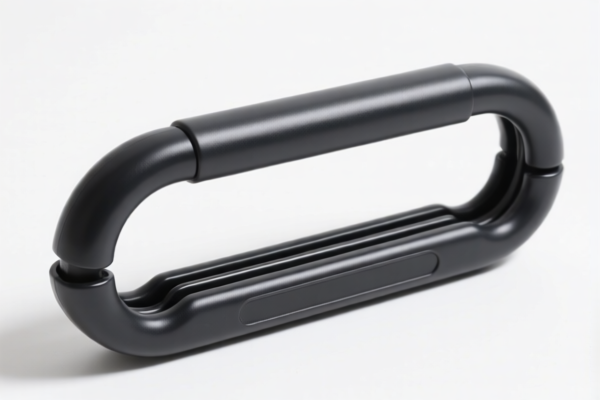
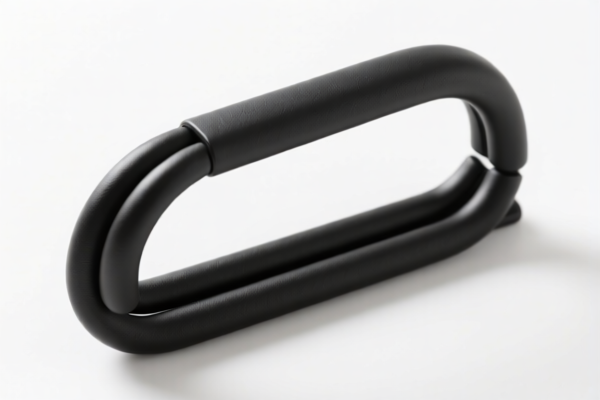
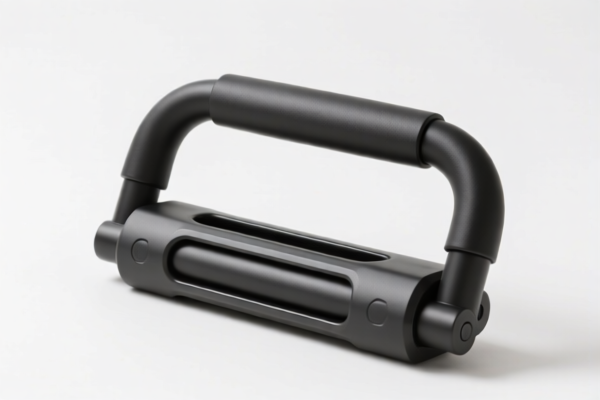
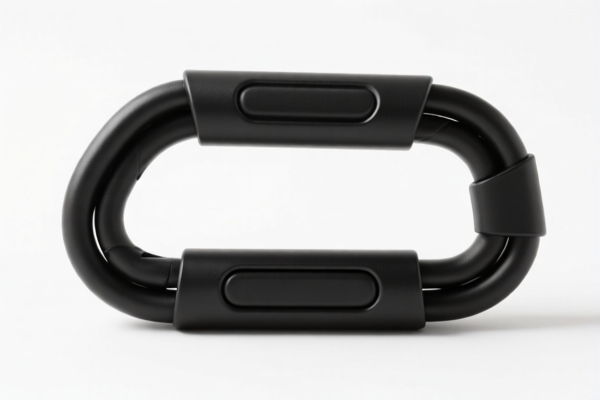
AI分析
📁 Binders: Foldable & Storage Solutions (The Ultimate Classification Guide)
🌐 HS Code Reference & Customs Clearance Guide | 2026 Latest Tariff Analysis | Professional Clearance Strategy
📌 I. Product Definition & Classification: Do You Really Understand "Binders"?
In international trade, "binders" are not a single monolithic category. They are strictly divided by material composition and structural complexity. For a "foldable binder" (often referring to paper/cardboard accordion folders or flexible plastic organizers), the classification hinges entirely on whether the product is primarily paper-based or plastic-based, and whether it contains metal hardware.
Key Distinctions: * Paper/Cardboard Folders (Accordion/Foldable): Usually classified under Chapter 48. * Plastic Folders/Binders: Classified under Chapter 39. * Metal Accessories (Locks/Clips): Classified under Chapter 83 (if sold separately or as distinct components).
⚠️ Critical Differentiation Point:
- If the binder is made of paper/cardboard and is foldable (e.g., accordion file), it is generally considered a "paper product" → HS Code 4820.
- If the binder is made of plastic and is a "loose-leaf binder" (ring mechanism) or "plastic document organizer," it falls under Chapter 39 → HS Code 3926.
- Do not mix materials: If a paper binder has a significant metal clasp that defines its function, customs may scrutinize it, but generally, the base material determines the chapter unless the metal component is a separate accessory.
📦 II. HS Code Classification Details (2026 Latest Tariff Authoritative Comparison)
Based on the provided data, here is the breakdown for different binder types and their tax implications for imports from China to the US.
| HS Code | Product Description | Applicable Scenario | Material |
|---|---|---|---|
3926.90.99.89 |
Other plastic articles (e.g., plastic loose-leaf binders) | General plastic binders, flexible plastic folders, plastic document wallets | ✅ Plastic |
3926.90.87.00 |
Plastic flat document filing folders | Plastic flat folders, plastic accordion files (if distinct from loose-leaf) | ✅ Plastic |
4820.30.00.20 |
Loose-leaf binders, etc., of paper or paperboard | Foldable paper/cardboard accordions, paper file folders | ✅ Paper/Cardboard |
8305.10.00.50 |
Fittings of base metal (e.g., locks for binders) | Separate metal clasps, locks, or heavy-duty metal hardware sold with binders | ✅ Base Metal (Steel/Aluminum/Copper) |
8305.10.00.10 |
Mechanical parts for binders (e.g., locks) | Plastic/metal mechanical parts (non-base metal specific or lighter duty) | ✅ Mechanical/Plastic/Metal |
🔍 Key Reminder:
- Paper vs. Plastic: If your "foldable binder" is made of thick cardboard or paper (like an accordion file), use 4820.30.00.20.
- Plastic Binders: If it is a plastic ring binder or a clear plastic portfolio, use 3926.90.87.00 (flat) or 3926.90.99.89 (other).
- Accessories: If you are importing separate metal locks or clasps for binders, do not bundle them into the main binder HS code. They have significantly different tax rates.
💰 III. 2026 Latest Tariff Rate Breakdown (Including Additional Taxes, Policy Surcharges)
✅ Applicable Country: United States (US)
✅ Origin: China (CN)
✅ Effective Time: 2025/2026 Import Period
🎯 1. 3926.90.99.89 —— Other Plastic Articles (Plastic Binders)
| Item | Content |
|---|---|
| Base Tariff Rate | 5.3% |
| Section 301 Additional Tariff | 7.5% |
| Section 122 Tariff | 10% |
| Total Effective Tax Rate | 22.8% |
| Tax Calculation | CIF Value × 22.8% |
| De Minimis Eligibility | ❌ No (Subject to additional tariffs) |
| Legal Basis Path | Base Rate + Section 301 (7.5%) + Section 122 (10%) |
📌 Explanation:
- Section 301 (7.5%): Applies to most Chinese manufactured goods, including plastic articles.
- Section 122 (10%): A specific surcharge for certain goods from China.
- Total 22.8% is moderate compared to other categories. Plastic binders are relatively lower risk if classified correctly.
🎯 2. 3926.90.87.00 —— Plastic Flat Document Filing Folders
| Item | Content |
|---|---|
| Base Tariff Rate | 5.3% |
| Section 301 Additional Tariff | 25.0% |
| Section 122 Tariff | 10% |
| Total Effective Tax Rate | 40.3% |
| Tax Calculation | CIF Value × 40.3% |
| De Minimis Eligibility | ❌ No |
| Legal Basis Path | Base Rate + Section 301 (25%) + Section 122 (10%) |
📌 Warning:
- This category attracts the maximum Section 301 tariff of 25%.
- If your "foldable" plastic folder is considered a "flat filing folder" (as opposed to a ring binder), you will pay 40.3% tax.
- Strategy: Check if your product can be classified as "other plastic articles" (3926.90.99.89) to save 17.5% in tariffs. The distinction often lies in the design (ring mechanism vs. flat pocket).
🎯 3. 4820.30.00.20 —— Loose-Leaf Binders of Paper/Cardboard (Foldable Accordion Folders)
| Item | Content |
|---|---|
| Base Tariff Rate | 0.0% |
| Section 301 Additional Tariff | 25.0% |
| Section 122 Tariff | 10% |
| Total Effective Tax Rate | 35.0% |
| Tax Calculation | CIF Value × 35.0% |
| De Minimis Eligibility | ❌ No |
| Legal Basis Path | Base Rate (0%) + Section 301 (25%) + Section 122 (10%) |
📌 Analysis:
- Even though the base rate is 0%, the 25% Section 301 tariff makes it expensive.
- Total 35.0% is still lower than the "Plastic Flat Folder" (40.3%) but higher than "Other Plastic Articles" (22.8%).
- Crucial: If your product is truly paper/cardboard (e.g., cardboard accordion file), this is the correct code. Do not use plastic codes for paper products.
🎯 4. 8305.10.00.50 —— Base Metal Fittings (e.g., Locks for Binders)
| Item | Content |
|---|---|
| Base Tariff Rate | 2.9% |
| Section 301 Additional Tariff | 7.5% |
| Steel, Aluminum, Copper Products | Additional 50% |
| Section 122 Tariff | 10% |
| Total Effective Tax Rate | 70.4% |
| Tax Calculation | CIF Value × 70.4% |
| De Minimis Eligibility | ❌ No |
🚨 High Risk Alert:
- If your binder comes with metal locks, clasps, or heavy hardware (steel, aluminum, copper), and these are classified separately or constitute the essential character, the tariff can hit 70.4%.
- Recommendation: Avoid importing binders with significant metal hardware if possible, or ensure the hardware is plastic-coated or non-metallic to avoid Chapter 83 classification.
🎯 5. 8305.10.00.10 – Mechanical Parts for Binders (Non-Base Metal Specific)
| Item | Content |
|---|---|
| Base Tariff Rate | 2.9% |
| Section 301 Additional Tariff | 7.5% |
| Section 122 Tariff | 10% |
| Total Effective Tax Rate | 20.4% |
| Tax Calculation | CIF Value × 20.4% |
| De Minimis Eligibility | ❌ No |
📌 Note:
- This code is for mechanical parts that are not classified as "base metal fittings" (e.g., plastic mechanical locks or lighter duty metal parts not subject to the 50% surcharge).
- If your binder has a plastic mechanical lock or a minor metal component that doesn't trigger the 50% surcharge, this might be the applicable code for the accessories.
🛠️ IV. Customs Clearance Practical Advice (Pitfall Avoidance Guide)
✅ 1. Document Preparation Checklist (Must-Haves)
| Document | Required? | Description |
|---|---|---|
| ✅ Product Specification Sheet | ✔️ | Material composition (Paper vs. Plastic vs. Metal %). Critical for HS Code classification. |
| ✅ Product Photos | ✔️ | Clear images of the binder open, closed, and any hardware (locks/clasps). |
| ✅ Commercial Invoice | ✔️ | Must state "Foldable Paper Binder" or "Plastic Document Folder" clearly. Avoid generic terms like "Stationery." |
| ✅ Packing List | ✔️ | List items by type. If metal parts are separate, list them separately. |
| ✅ Material Declaration | ✔️ | Explicitly state if the product contains steel, aluminum, or copper to avoid 50% surcharge surprises. |
✅ 2. Classification Strategy (Key Tips)
🔥 "Material Defines Chapter, Hardware Defines Risk!"
| Scenario | Correct HS Code | Why? |
|---|---|---|
| Paper Accordion File | 4820.30.00.20 |
Base material is paper/cardboard. Base tariff 0%, but 35% total. |
| Plastic Ring Binder | 3926.90.99.89 |
"Other plastic articles." Lower tax (22.8%) than flat folders. |
| Plastic Flat Folder | 3926.90.87.00 |
Specific for flat folders. High tax (40.3%) due to 25% Section 301. |
| Binder with Metal Lock | 8305.10.00.50 |
Metal components trigger 70.4% tax. Avoid if possible. |
| Plastic Mechanical Lock | 8305.10.00.10 |
If not base metal, lower tax (20.4%). |
📌 Strategy:
- If your "foldable binder" is plastic, try to classify it as "Other plastic articles" (3926.90.99.89) rather than "Plastic flat folder" to save 17.5% in tariffs.
- If it is paper, use4820.30.00.20.
- Never classify a paper product as plastic or vice versa. Customs will reject it and impose penalties.
✅ 3. Special Cases
| Situation | Handling Advice |
|---|---|
| Mixed Material Binder | If >50% plastic, classify as plastic. If >50% paper, classify as paper. |
| Metal Hardware Included | If metal is minor (e.g., small plastic-coated clip), declare as part of the main binder. If substantial (e.g., metal clasp), separate declaration may be needed. |
| OEM Custom Binders | Provide customer order + design specs. Ensure material matches description. |
| Foldable vs. Ring | "Foldable" usually implies paper/cardboard accordion or flexible plastic. "Ring" implies plastic/metal rings. Be precise in description. |
🌍 V. Global Market Comparison (2026 Latest)
| Country/Region | Recommended HS Code | Tariff (China Origin) | Certification | Notes |
|---|---|---|---|---|
| 🇺🇸 USA | 4820.30.00.20 / 3926.90.99.89 |
22.8% - 35.0% | None | High Section 301 tariffs apply. |
| 🇨🇳 China | 4820.30.00.20 |
0% - 5% | CCC (if applicable) | Low tax for domestic sales. |
| 🇪🇺 EU | 4820.10.00 / 3926.90 |
0% - 6.5% | CE (if plastic) | No Section 301 equivalent. |
| 🇦🇺 Australia | 4820.30.00 |
5% | GSR (if plastic) | Moderate tariff. |
| 🇯🇵 Japan | 4820.30.00 |
0% - 3% | PSE (if plastic) | Low tariff. |
📌 Conclusion:
- USA is the most expensive market due to Section 301 and Section 122 tariffs.
- EU, Japan, and Australia offer much better tariff structures for binders.
- If targeting the US, optimize material composition (e.g., use more plastic, less metal) to lower tax burden.
📌 VI. Common Mistakes & Pitfall Guide (Lessons Learned)
❌ Mistake 1: Declaring a plastic binder as "Stationery" without HS Code
👉 Consequence: Customs will assign a default code with 25%+ tariffs + penalties.
❌ Mistake 2: Classifying a paper binder as 3926 (Plastic)
👉 Consequence: Classification error. Customs will reclassify, causing delays and potential fines.
❌ Mistake 3: Ignoring metal hardware
👉 Consequence: If metal locks are present, they may be classified under 8305.10.00.50 with 70.4% tax.
❌ Mistake 4: Using "Binder" as the only description
👉 Consequence: Ambiguity. Customs may choose the highest tax code.
✅ Correct Practice:
"Foldable Paper Accordion Folder, 8.5x11, 12 Pockets, Cardboard Material, No Metal Hardware"
OR
"Plastic Loose-Leaf Binder, 3-Ring, A4 Size, Plastic Only, No Metal"
🎯 VII. Conclusion: Precise Classification, Cost Savings!
🎯 Key Takeaway:
🔹 Paper Binders:
4820.30.00.20→ 35.0% Total Tax
🔹 Plastic Binders (Ring/Other):3926.90.99.89→ 22.8% Total Tax
🔹 Plastic Flat Folders:3926.90.87.00→ 40.3% Total Tax
🔹 Metal Hardware: 70.4% Total Tax (Avoid if possible)
🎯 Action Plan:
1. Check Material: Is it paper or plastic?
2. Check Hardware: Is there metal? If yes, can it be removed or replaced with plastic?
3. Choose Code Wisely: Prefer 3926.90.99.89 over 3926.90.87.00 if applicable.
4. Declare Precisely: Include material, type, and hardware details in the description.
📌 Pro Tip:
If you are importing large volumes, consider Advance Ruling from US Customs and Border Protection (CBP) to confirm the HS Code and tariff rate before shipment. This avoids unexpected costs and delays.
📣 Immediate Action:
📞 Consult a Customs Broker
📄 Prepare Material Declarations
🚀 Optimize Product Design (Minimize Metal, Maximize Plastic/Paper)
💡 Clear Customs Smoothly, Maximize Profits!
✨ Professional Clearance Starts with Accurate Classification!
💼 Every Dollar Saved in Tariffs is Pure Profit!
用户评价
关于 HS 编码归类
协调制度(HS)是由世界海关组织(WCO)制定的国际贸易商品分类标准。全球 200 多个国家采用 HS 系统作为海关关税、贸易统计和进出口监管的基础。
每个 HS 编码遵循以下层级结构:
- 章(2 位)——商品大类(例如:第 84 章:机器和机械设备)
- 品目(4 位)——章内的更具体分类
- 子目(6 位)——国际通用细分,所有 WCO 成员国统一使用
- 本国细分(8-10 位)——各国自行扩展的细分编码,如美国 HTSUS 10 位编码
正确的 HS 编码归类对于顺利通关、准确缴纳关税和遵守贸易法规至关重要。错误归类可能导致海关延误、多缴关税或罚款。
从CN进口到US时,适用的关税税率可能包括:
- 最惠国(MFN)税率——适用于 WTO 成员国的标准关税税率
- 普通税率——适用于无贸易协定国家
- 贸易救济关税——附加关税,如 301 条款(反倾销)、232 条款(国家安全)或反补贴税
本页内容仅供参考。如需正式归类,请咨询当地海关或持牌报关代理。