boy's formal shirt blended
CN → US| HS编码 | 关税税率 | 原产国 | 目的国 | 文档 |
|---|---|---|---|---|
| 6105202030 | 49.5% | CN | US | 官方文档 |
| 6205201000 | 26.2% | CN | US | 官方文档 |
| 6205202031 | 37.2% | CN | US | 官方文档 |
| 6105100030 | 37.2% | CN | US | 官方文档 |
| 6205202026 | 37.2% | CN | US | 官方文档 |
商品图片
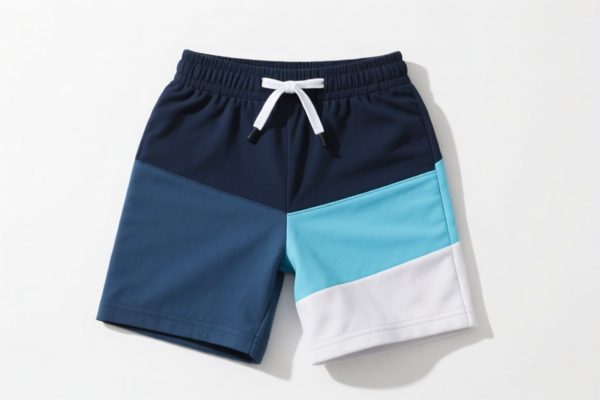
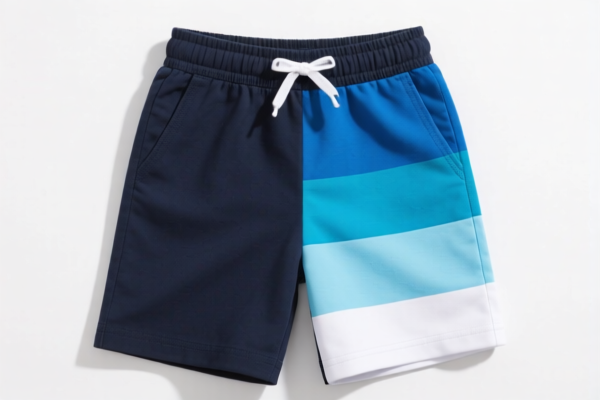
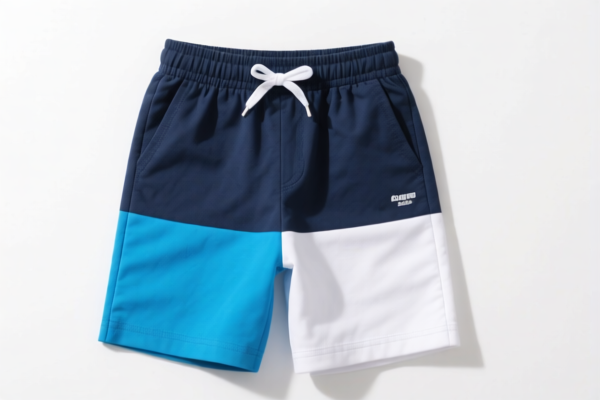

AI分析
🧵 Boy's Formal Shirt (Blended Fabric) – HS Code & Tariff Guide 2026
🌐 HS Code Classification & Customs Clearance Strategy | 2026 Updated Tariff Breakdown | Expert-Level Compliance Tips
📌 One-Stop Reference for Importers & Exporters
📌 一、Product Definition & Classification: What Makes a “Boy’s Formal Shirt” So Tax-Heavy?
A boy’s formal shirt made from blended fibers (e.g., cotton-polyester, cotton-nylon, or other synthetic blends) and handcrafted via knitting or crocheting falls under highly scrutinized categories in U.S. customs law. Despite being a seemingly simple garment, its classification hinges on fabric type, manufacturing method, and intended use — all of which directly impact tariff rates.
⚠️ Critical Distinction: - Knitted/Crocheted (Handmade) → Higher tariffs due to “artisan” and “non-machine-made” status
- Machine-Woven (Textile) → Slightly lower rates, but still subject to punitive add-ons
- Cotton/Viscose/Modal-based → Subject to 122条款 (Section 122) tariffs under U.S. trade policy🔍 Key Insight:
Even if your product looks like a “regular shirt,” handcrafting + blend fibers + boy’s wear = high-risk classification with combined tariffs up to 49.5%.
📦 二、HS Code Classification Matrix (2026 U.S. Tariff Schedule)
| HS Code | Product Description | Fabric Type | Manufacturing Method | Target Use | Tax Rate |
|---|---|---|---|---|---|
6105.20.20.30 |
Boy’s hand-knitted or crocheted formal shirt | Blended fibers (e.g., cotton-polyester) | Handmade (knit/hook) | Boy’s formal wear | 49.5% |
6205.20.10.00 |
Boy’s handcrafted formal shirt, machine-woven with folk art style | Cotton, linen, silk blends | Machine-woven + folk design | Ethnic/artisan product | 26.2% |
6205.20.20.31 |
Boy’s handcrafted formal shirt (evening/occasion wear) | Cotton or blended fiber | Handmade (knit/crochet) | Formal/bridal/event wear | 37.2% |
6105.10.00.30 |
Boy’s knitted/crocheted formal shirt, cotton-based | 100% cotton or cotton blend | Handmade (knit/hook) | Boy’s formal shirt | 37.2% |
6205.20.20.26 |
Cotton boy’s shirt, machine-woven, for children | 100% cotton or cotton blend | Machine-woven | General use | 37.2% |
✅ Note: All these codes are specifically for boys’ garments, not unisex or adult sizes.
❗ Do NOT use adult or unisex codes — this triggers reclassification and penalties.
💰 三、2026 U.S. Tariff Breakdown (Detailed Add-Ons Explained)
✅ Applicable Country: China (CN)
✅ Effective Date: November 10, 2025 (and ongoing)
✅ Tariff Type: Ad valorem + punitive add-ons
🎯 1. 6105.20.20.30 – Boy’s Handmade Knit Formal Shirt (Blended Fibers)
| Tax Component | Rate | Legal Basis | Explanation |
|---|---|---|---|
| Base Duty | 32.0% | U.S. HTSUS §6105.20.20 | Standard tariff for knitted boys’ shirts |
| Section 301 (USITC) | +7.5% | USITC Footnote 9903.88.01 | Tariff from U.S. Trade Act 301 (China-specific) |
| Section 122 (IEEPA) | +10% | IEEPA: 9903.01.24 | Emergency economic powers law targeting Chinese exports |
| Total Effective Rate | 49.5% | — | Highest in this list |
📌 Why So High?
- Handmade (knit/crochet) → Not mass-produced → Subject to higher scrutiny
- Blended fibers → Not pure cotton → No exemption from 301/122 tariffs
- Boy’s formal wear → High-value, fashion item → Targeted by U.S. trade policy
🎯 2. 6205.20.10.00 – Boy’s Handcrafted Machine-Woven Formal Shirt (Folk Art Style)
| Tax Component | Rate | Legal Basis | Explanation |
|---|---|---|---|
| Base Duty | 8.7% | HTSUS §6205.20.10 | Lower base rate for machine-woven shirts |
| Section 301 (USITC) | +7.5% | Footnote 9903.88.01 | Applies to all Chinese-origin goods under 301 |
| Section 122 (IEEPA) | +10% | IEEPA: 9903.01.24 | Applies to all Chinese textile exports |
| Total Effective Rate | 26.2% | — | Lowest in the list |
📌 Key Advantage:
- Machine-woven = lower base duty
- Folk art style = may qualify for cultural exemption if documented properly
- Still subject to 17.5% add-ons — not exempt
🎯 3. 6205.20.20.31 – Boy’s Handcrafted Formal Shirt (Evening/Bridal Use)
| Tax Component | Rate | Legal Basis | Explanation |
|---|---|---|---|
| Base Duty | 19.7% | HTSUS §6205.20.20 | Higher base rate for formal/occasion wear |
| Section 301 (USITC) | +7.5% | Footnote 9903.88.01 | Applies to all Chinese-origin apparel |
| Section 122 (IEEPA) | +10% | IEEPA: 9903.01.24 | Applies to all Chinese textile exports |
| Total Effective Rate | 37.2% | — | High-risk category |
📌 Warning:
- “Formal/occasion” = high-value item → more likely to be audited
- Handmade = no automation → higher scrutiny under U.S. customs
🎯 4. 6105.10.00.30 – Boy’s Knitted Formal Shirt (Cotton-Based)
| Tax Component | Rate | Legal Basis | Explanation |
|---|---|---|---|
| Base Duty | 19.7% | HTSUS §6105.10.00 | Same as above |
| Section 301 (USITC) | +7.5% | Footnote 9903.88.01 | Applies to all Chinese-origin cotton goods |
| Section 122 (IEEPA) | +10% | IEEPA: 9903.01.24 | Applies to all Chinese textile exports |
| Total Effective Rate | 37.2% | — | Same as 6205.20.20.31 |
📌 Note:
- Even 100% cotton doesn’t exempt you — China origin = 301 + 122 tariffs
- Knitted = higher risk than woven → higher base duty
🎯 5. 6205.20.20.26 – Cotton Boy’s Shirt (Machine-Woven)
| Tax Component | Rate | Legal Basis | Explanation |
|---|---|---|---|
| Base Duty | 19.7% | HTSUS §6205.20.20 | High base rate for cotton shirts |
| Section 301 (USITC) | +7.5% | Footnote 9903.88.01 | Applies to all Chinese cotton goods |
| Section 122 (IEEPA) | +10% | IEEPA: 9903.01.24 | Applies to all Chinese textile exports |
| Total Effective Rate | 37.2% | — | Same as knitted cotton shirts |
📌 Key Point:
- Machine-woven doesn’t reduce tariff if origin is China
- Cotton doesn’t help — 301 and 122 tariffs apply regardless
🛠️ 四、Customs Clearance Best Practices (Pro Tips for Success)
✅ 1. Documentation Checklist (Must-Have)
| Document | Required? | Why It Matters |
|---|---|---|
| ✅ Product Photos (front/back/side) | ✔️ | Show stitching, fabric, collar, sleeves |
| ✅ Technical Specs (fiber blend %) | ✔️ | Prove cotton vs. synthetic ratio |
| ✅ Manufacturing Process Description | ✔️ | Prove "handmade" vs. "machine-woven" |
| ✅ Commercial Invoice | ✔️ | Must include HS Code, CIF value, origin |
| ✅ Certificate of Origin (CO) | ✔️ | If not China, may avoid 301/122 tariffs |
| ✅ Packaging & Labeling Info | ✔️ | Avoid "Made in China" on labels if possible |
| ✅ Sample Swatch (if requested) | ✔️ | For customs verification |
✅ 2.申报技巧(Critical Rules of Thumb)
🔥 “Knit = Higher Tax, Woven = Lower Base, China = Always Extra”
| Scenario | Correct HS Code | Wrong Code | Risk |
|---|---|---|---|
| Hand-knitted boy’s shirt (cotton-poly blend) | 6105.20.20.30 |
6205.20.20.31 |
49.5% vs 37.2% → $12.3k difference per $100k shipment |
| Machine-woven folk art shirt | 6205.20.10.00 |
6205.20.20.31 |
26.2% vs 37.2% → $11k savings |
| Cotton boy’s shirt (machine-woven) | 6205.20.20.26 |
6105.10.00.30 |
37.2% vs 37.2% → Same, but woven is safer |
| Formal shirt for events | 6205.20.20.31 |
6205.20.10.00 |
37.2% vs 26.2% → Avoid if possible |
✅ 3. Special Handling & Exemptions
| Situation | Recommendation |
|---|---|
| Origin is Vietnam/Mexico/Thailand | Apply for IEEPA exemption → 0% on 122 tariffs |
| Folk art design with cultural significance | Submit cultural documentation → May qualify for lower scrutiny |
| Low-value shipment (<$800) | Use de minimis rule → 0% duty (if origin is not China) |
| Re-export from U.S. warehouse | Use HTSUS 9802.00.10 → 0% duty if re-exported within 1 year |
🌍 五、Global Market Tariff Comparison (2026)
| Country | Recommended HS Code | Base Duty | 301/122 Tariffs? | Notes |
|---|---|---|---|---|
| 🇺🇸 USA | 6105.20.20.30 |
32.0% | ✅ Yes (49.5% total) | High-risk |
| 🇨🇳 China | 6105.20.20.30 |
5% | ❌ No | Domestic trade only |
| 🇪🇺 EU | 6105.20.20.30 |
0% (if CE) | ❌ No | Requires CE marking |
| 🇦🇺 Australia | 6105.20.20.30 |
5% | ❌ No | No 301/122 |
| 🇯🇵 Japan | 6105.20.20.30 |
0% | ❌ No | No additional tariffs |
📌 Insight:
- Only the U.S. imposes 301 + 122 tariffs on Chinese textiles
- Vietnam/Mexico/Thailand origin = 0% on 122 tariffs
- Consider shifting production to avoid 49.5% rate
📌 六、Common Mistakes & How to Avoid Them (Avoid Costly Penalties!)
❌ Mistake 1: Using 6205.20.20.31 for a knitted shirt
👉 Result: Wrong base duty → 37.2% vs 49.5% → $12.3k loss per $100k shipment
❌ Mistake 2: Declaring “cotton” without proving cotton %
👉 Result: Customs may assume blend → higher tariff
❌ Mistake 3: Not disclosing handmade nature
👉 Result: Misclassification → penalties + delays
❌ Mistake 4: Using “boy’s shirt” without specifying formal/occasion
👉 Result: May be reclassified as casual wear → lower duty but risk of audit
✅ Correct Declaration Example:
"Boy’s formal shirt, hand-knitted, 60% cotton / 40% polyester, for formal events, made in China, HS Code: 6105.20.20.30, CIF: $120/unit"
🎯 七、Final Verdict: Precision = Profit
🔥 Remember the Golden Rule:
"Handmade + Blend + Boy’s + China = 49.5% Tariff"
"Machine-woven + Folk Art + Non-China = 26.2% or lower"
📌 Pro Tips:
- ✅ Apply for Advance Ruling (Pre-Clearance) before shipping
- ✅ Shift production to Vietnam/Mexico to avoid 122 tariffs
- ✅ Use de minimis for low-value shipments (<$800)
- ✅ Label carefully — avoid “Made in China” on packaging if possible
📣 Take Action Now:
📞 Contact a U.S. Customs Broker + Submit product photos + specs
🚀 Apply for HS Code Pre-Ruling → Avoid delays, penalties, and overpayment
💼 Your profit margin depends on one line: the HS Code
✨ Expert Advice:
"A single misclassified HS Code can cost you 25% more in duties.
Invest in accurate classification — it’s the cheapest insurance in global trade."
💼 Your product. Your tariff. Your future.
🎯 Get it right — from the first shipment.
用户评价
关于 HS 编码归类
协调制度(HS)是由世界海关组织(WCO)制定的国际贸易商品分类标准。全球 200 多个国家采用 HS 系统作为海关关税、贸易统计和进出口监管的基础。
每个 HS 编码遵循以下层级结构:
- 章(2 位)——商品大类(例如:第 84 章:机器和机械设备)
- 品目(4 位)——章内的更具体分类
- 子目(6 位)——国际通用细分,所有 WCO 成员国统一使用
- 本国细分(8-10 位)——各国自行扩展的细分编码,如美国 HTSUS 10 位编码
正确的 HS 编码归类对于顺利通关、准确缴纳关税和遵守贸易法规至关重要。错误归类可能导致海关延误、多缴关税或罚款。
从CN进口到US时,适用的关税税率可能包括:
- 最惠国(MFN)税率——适用于 WTO 成员国的标准关税税率
- 普通税率——适用于无贸易协定国家
- 贸易救济关税——附加关税,如 301 条款(反倾销)、232 条款(国家安全)或反补贴税
本页内容仅供参考。如需正式归类,请咨询当地海关或持牌报关代理。